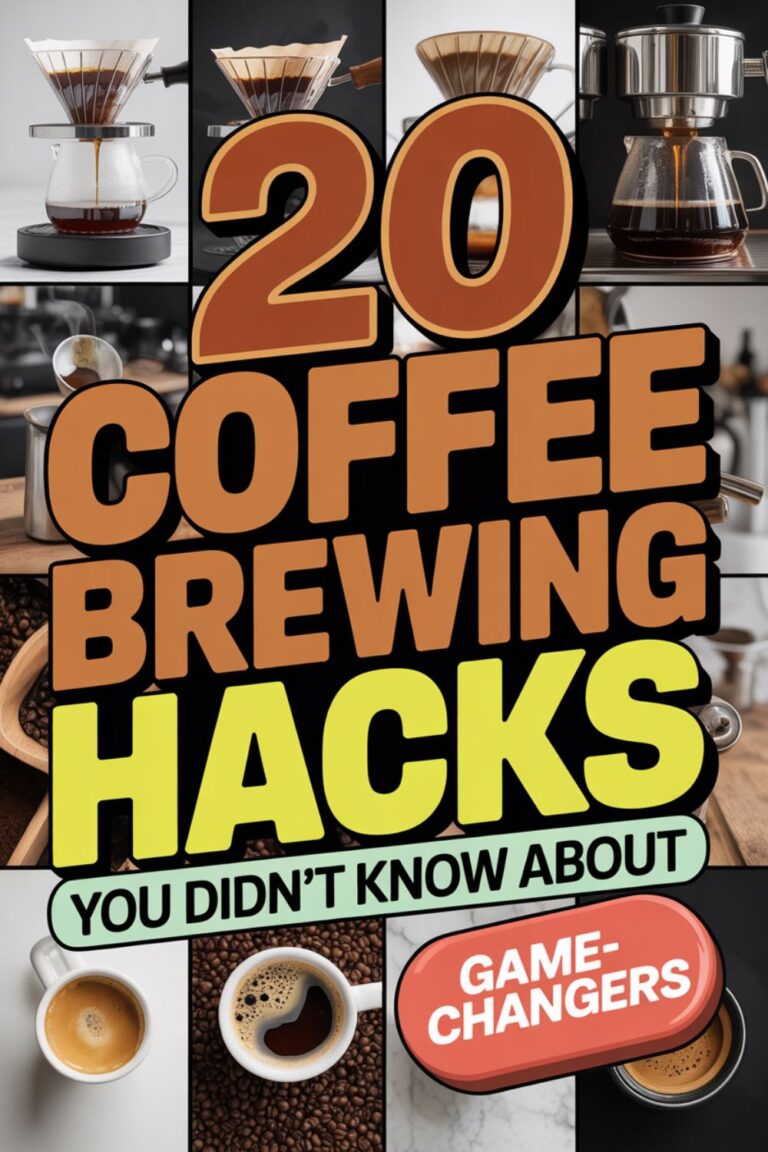
20 Coffee Recipes for Weight Loss
Look, I’m not going to tell you coffee is some magical weight loss elixir that’ll melt fat overnight while you sleep. That’s nonsense. But here’s what I will say: coffee can be a legitimately helpful tool in your weight loss journey when you’re smart about it.
I’ve spent years testing different coffee recipes—some that worked brilliantly, others that were basically desserts in disguise. The difference? Understanding how to make coffee work for you instead of against you. We’re talking about recipes that boost your metabolism, keep you full longer, and actually taste good enough that you’ll stick with them.
These 20 recipes aren’t your typical sugar-bombs from the drive-thru. They’re designed to support fat loss while giving you that caffeine kick we all crave. Some are ridiculously simple, others get a bit fancy, but they all share one thing: they won’t sabotage your progress.
Why Coffee Actually Helps With Weight Loss
Before we jump into recipes, let’s talk science for a second. Research shows that caffeine can boost your metabolic rate by 3-11%, which means your body burns more calories even when you’re just sitting around. Not earth-shattering numbers, but they add up.
But here’s where it gets interesting: coffee doesn’t just speed up your metabolism temporarily. It also enhances fat oxidation—basically, it helps your body break down fat stores for energy. A study from Harvard found that drinking four cups daily was associated with a modest reduction in body fat over 24 weeks.
Plus, coffee is a natural appetite suppressant. That mid-morning hunger that usually sends you hunting for snacks? A well-timed cup can keep it at bay. The key is keeping your coffee recipes low in added sugars and unnecessary calories while maximizing the metabolic benefits.

The Best Coffee Types for Weight Loss
Not all coffee is created equal when it comes to losing weight. Cold brew tends to be less acidic and easier on your stomach, plus it’s incredibly versatile for adding protein powder or almond milk without weird texture issues. I’ve been obsessed with this cold brew maker that lets me batch-prep enough for the entire week.
Then there’s espresso—concentrated, powerful, and perfect when you need a quick metabolic boost without drinking a massive volume of liquid. The concentrated form also means you’re getting more chlorogenic acid, the compound that may help regulate blood sugar levels.
French press coffee retains more of coffee’s natural oils, which contain beneficial compounds that instant coffee often lacks. Plus, making coffee in a good French press feels way more intentional than pressing a button on a machine.
For complete beginners just starting their coffee journey, check out these beginner-friendly coffee drinks that’ll help you figure out what you actually enjoy drinking.
Recipe #1: Classic Black Coffee (The Foundation)
Let’s start with the obvious. Plain black coffee is king for weight loss—zero calories, maximum caffeine, pure metabolic boost. But I get it, not everyone loves the bitter punch of straight black coffee.
Here’s my trick: invest in better beans. I’m serious. High-quality, freshly roasted beans make black coffee actually enjoyable. Medium roast tends to be less bitter than dark roast, with more complex flavors that develop as the coffee cools.
Brew it strong but not burnt. Water temperature matters—aim for 195-205°F. Too hot and you’ll extract bitter compounds, too cool and you’ll get weak, sour coffee. Get Full Recipe for the perfect brewing method.
Recipe #2: Bulletproof Coffee (But Make It Actually Healthy)
Traditional bulletproof coffee loads you up with butter and MCT oil—which can work for some people, but let’s be real, it’s basically 400+ calories of pure fat. My version dials it back while keeping the satiety benefits.
Blend 8 oz of hot coffee with 1 tablespoon of coconut oil and 1 tablespoon of grass-fed butter or ghee. The fats slow caffeine absorption, giving you sustained energy without the crash. But here’s the thing: this replaces breakfast, it doesn’t add to it. Drink this instead of eating, not alongside your usual morning meal.
If you’re watching calories closely, try half the fat and add a scoop of collagen protein instead. You’ll still get the creamy texture with added protein benefits. I use this unflavored collagen that dissolves completely without any weird taste.
Recipe #3: Iced Protein Coffee Shake
This is my absolute go-to on busy mornings. It’s coffee, breakfast, and protein shake all in one, and it tastes like a treat even though it’s supporting your fitness goals.
Blend 1 cup cold brew coffee, 1 scoop vanilla protein powder, 1/2 cup unsweetened almond milk, ice, and a tiny bit of vanilla extract. Sometimes I’ll add a tablespoon of almond butter for extra healthy fats—keeps you full for hours.
The protein is crucial here. It bumps up the calorie burn through something called the thermic effect of food (your body burns calories just digesting protein). Plus, it prevents muscle loss when you’re in a calorie deficit. For more protein-packed coffee ideas, definitely check out these high-protein coffee recipes.
Pro tip: Get a decent blender that can handle ice without sounding like it’s dying. Makes the whole process way less annoying.
Speaking of morning protein boosts, if you’re looking for more breakfast inspiration beyond coffee, you’ll love these light spring high-protein meals and these fresh protein-packed bowls that pair perfectly with your coffee routine.
Recipe #4: Cinnamon Metabolism Booster
Cinnamon isn’t just for flavor—it’s been shown to help improve insulin sensitivity, which matters when you’re trying to lose fat. This recipe is stupid simple but surprisingly effective.
Brew your coffee (any method works), then stir in 1/2 teaspoon of ground cinnamon while it’s still hot. Add a splash of unsweetened almond milk if you want it creamy, and maybe a tiny drizzle of honey if you need sweetness. But honestly? After a few days, you probably won’t need the honey at all.
The cinnamon gives it this warm, slightly sweet flavor that tricks your brain into thinking it’s more indulgent than it actually is. I keep a good quality Ceylon cinnamon on hand just for this—it’s got a more delicate flavor than the cheap stuff.
Recipe #5: Vanilla Almond Milk Latte (Low-Calorie Version)
Missing your Starbucks latte? This hits the spot without the 300+ calories. The secret is good quality almond milk and real vanilla extract, not artificial flavoring.
Heat 6 oz unsweetened vanilla almond milk (about 30 calories) until steaming. Brew a double shot of espresso or 4 oz strong coffee. Combine them, add 1/4 teaspoon pure vanilla extract, and if you absolutely need sweetness, add a few drops of liquid stevia.
Want to get fancy? A handheld milk frother costs like fifteen bucks and transforms regular almond milk into actual foam. Game changer for making café-quality drinks at home. You can find tons more creative variations in these latte recipes you can make without a machine.
Recipe #6: Cold Brew Concentrate (Meal Prep Champion)
If you’re not making cold brew concentrate, you’re wasting time every morning. Seriously. Make a batch on Sunday, keep it in the fridge, and you’ve got instant coffee all week long.
Mix 1 cup coarsely ground coffee with 4 cups cold water in a large jar. Let it sit on the counter or in the fridge for 12-24 hours. Strain it through a fine mesh strainer or coffee filter, and you’ve got concentrate that’ll last two weeks.
To serve: mix 1 part concentrate with 1 part water (or unsweetened almond milk), add ice, done. It’s smoother and less acidic than hot-brewed coffee, plus the longer steeping time extracts more chlorogenic acid—the compound linked to fat loss benefits. Get Full Recipe for different flavor variations.
Recipe #7: Coconut Oil Coffee (The Simpler Bulletproof)
If full bulletproof seems too heavy, this is your middle ground. Just coffee and coconut oil—that’s it. The medium-chain triglycerides in coconut oil are metabolized differently than other fats, potentially boosting energy expenditure.
Blend (don’t stir) 8 oz hot coffee with 1 tablespoon of coconut oil. Blending is crucial—it emulsifies the oil into the coffee, creating a creamy texture instead of just oil floating on top. Tastes way better than you’d think.
Start with 1 teaspoon if you’re new to this. Too much coconut oil too fast can cause, uh, digestive excitement. Not the good kind. I learned this the hard way, so you don’t have to.
Recipe #8: Chocolate Protein Coffee (Dessert That’s Good For You)
This tastes like a mocha from a coffee shop but has about a third of the calories and way more protein. Perfect for when you want something sweet but don’t want to derail your progress.
Brew 6 oz strong coffee, let it cool slightly. Blend with 1 scoop chocolate protein powder, 1/2 cup unsweetened almond milk, 1 teaspoon cocoa powder, ice, and a tiny pinch of sea salt. The salt enhances the chocolate flavor—don’t skip it.
The protein powder sweetens it enough that you don’t need additional sweetener. I’m partial to a grass-fed whey isolate for this because it dissolves cleanly without chunks. Nothing ruins a smooth drink faster than protein clumps. For more delicious coffee smoothie combinations, check out these coffee smoothies perfect for breakfast.
Recipe #9: Turmeric Golden Coffee
Okay, hear me out. Turmeric in coffee sounds weird, but it’s actually fantastic. The curcumin in turmeric has anti-inflammatory properties, and there’s emerging research suggesting it might help with fat loss by affecting how your body stores fat.
Brew your coffee, then whisk in 1/4 teaspoon turmeric, a pinch of black pepper (it increases curcumin absorption by like 2000%), 1/2 teaspoon cinnamon, and a splash of coconut milk. The spices give it this warm, complex flavor that’s genuinely delicious.
Fair warning: turmeric stains everything it touches. Keep a designated spoon for this unless you want all your utensils to be yellow.
Kitchen Essentials That Make Coffee Weight Loss Actually Work
Look, you don’t need a ton of fancy equipment, but these few items genuinely make the difference between sticking with healthy coffee habits and giving up after a week.
Recipe #10: Green Tea Coffee Hybrid
This sounds like it shouldn’t work, but it absolutely does. You’re getting caffeine from both coffee and green tea, plus the EGCG (a catechin) from green tea that’s been linked to increased fat oxidation.
Brew 4 oz strong coffee and 4 oz green tea separately. Mix them together, add a squeeze of lemon juice (enhances the catechin absorption), and sweeten with stevia if needed. The lemon cuts through any bitterness and adds a bright, almost citrusy note.
The combo gives you sustained energy without the jitters that sometimes come from coffee alone. Plus, the L-theanine in green tea creates this calm alertness that’s perfect for focused work. If you’re interested in exploring more tea options, these calming tea recipes are worth checking out.
Recipe #11: Cashew Cream Coffee (Rich Without the Guilt)
Missing creamy, indulgent coffee? This is your answer. Cashew cream gives you that silky richness without dairy or added sugars.
Soak 1/4 cup raw cashews in water overnight (or in hot water for 2 hours if you forgot). Drain and blend with 1 cup water until completely smooth. Keep this in the fridge—it lasts about 5 days.
Add 2-3 tablespoons of cashew cream to your coffee. It’s naturally sweet, incredibly creamy, and has healthy fats and protein. Way better nutritionally than flavored creamers loaded with sugar and additives. I blend mine in a small personal blender that makes cleanup ridiculously easy.
If you love the creamy coffee vibe but want more variety, definitely explore these homemade vegan coffee creamers and these healthy coffee recipes with nut milks.
Recipe #12: Espresso Over Ice (The Minimalist’s Dream)
Sometimes simple is best. A double shot of espresso poured over ice, maybe with a splash of unsweetened almond milk. That’s it. Under 20 calories, maximum caffeine impact, done in 90 seconds.
The key is using good espresso. Bad espresso tastes worse when it’s diluted by ice, so this recipe doesn’t hide imperfections. Fresh espresso beans make all the difference—grind them right before brewing if possible.
This is my go-to afternoon pick-me-up. No prep time, no cleanup, just pure coffee efficiency. For more quick coffee ideas, check out these coffee drinks you can make in under 5 minutes.
Recipe #13: Maple Cinnamon Protein Latte
This tastes like fall in a cup, but it works year-round. The tiny bit of real maple syrup adds just enough sweetness without going overboard.
Brew 6 oz strong coffee. Heat 1/2 cup unsweetened almond milk with 1/2 teaspoon cinnamon. Blend the coffee, milk, 1 scoop vanilla protein powder, and 1 teaspoon real maple syrup. The cinnamon and maple combo is ridiculously good together.
Real maple syrup has minerals and antioxidants that artificial sweeteners don’t. Yeah, it’s still sugar, but a teaspoon is only about 17 calories and adds actual flavor complexity. Sometimes that small indulgence is what keeps you consistent long-term.
Recipe #14: Cardamom Coffee (Middle Eastern Twist)
Cardamom transforms coffee completely. It’s warm, slightly sweet, and has compounds that may aid digestion—helpful when you’re drinking coffee on an empty stomach.
Add 2-3 crushed cardamom pods to your coffee grounds before brewing (or 1/4 teaspoon ground cardamom). Brew as normal. The cardamom infuses during brewing, creating this aromatic, exotic flavor that’s naturally sweet enough to drink black.
I grind whole cardamom pods in a spice grinder specifically for this—pre-ground loses its punch quickly. The fresh stuff is incredibly fragrant and makes your kitchen smell amazing.
Recipe #15: Coffee Protein Popsicles
Okay, this one’s different, but stick with me. These are perfect for summer mornings or post-workout treats. You get your caffeine, your protein, and something that feels like a dessert.
Blend 1 cup cold brew, 1 cup unsweetened vanilla almond milk, 2 scoops chocolate protein powder, and 1 tablespoon cocoa powder. Pour into popsicle molds, freeze for 4-6 hours.
Each popsicle has about 10g protein and 80-100 calories depending on your protein powder. Way better than regular popsicles, and the caffeine actually absorbs slower when frozen, giving you sustained energy instead of a spike.
Recipe #16: Peppermint Mocha (Light Version)
This is basically a healthier version of that holiday drink everyone loves. Fresh peppermint extract makes all the difference—artificial peppermint tastes like toothpaste.
Brew 8 oz coffee, blend with 1 scoop chocolate protein powder, 1/4 cup unsweetened almond milk, 2-3 drops pure peppermint extract (start with less—it’s strong), and ice. The chocolate and mint combo never gets old.
The trick with peppermint is using real extract, not flavoring. Pure peppermint oil meant for cooking works great—just use it sparingly because it’s potent. One bottle lasts forever.
Recipe #17: Coffee Chia Pudding
This is meal prep genius. Make it the night before, grab it in the morning, and you’ve got coffee and breakfast combined. The chia seeds provide fiber, omega-3s, and keep you full for hours.
Mix 1 cup cold brew coffee, 1/2 cup unsweetened almond milk, 3 tablespoons chia seeds, 1 scoop vanilla protein powder, and a tiny bit of stevia if needed. Stir well, refrigerate overnight. The chia absorbs the liquid and creates this pudding-like texture that’s honestly addictive.
Top it with a few berries or a sprinkle of cocoa nibs in the morning. Store it in mason jars with lids for easy grab-and-go breakfasts all week. For more meal prep inspiration, check out these high-protein meal prep ideas.
Recipe #18: Ginger Coffee Shot
This is intense, not for the faint of heart, but incredibly effective for ramping up your metabolism. Ginger has thermogenic properties that may increase calorie burn.
Brew a double shot of espresso. While it’s brewing, grate about 1/4 inch of fresh ginger into a small cup. Pour the hot espresso over the ginger, let it steep for 30 seconds, strain if you want (I usually don’t), add a tiny squeeze of lemon, and shoot it back.
This wakes you up like nothing else. The ginger gives it heat, the lemon adds brightness, and the espresso provides that caffeine punch. I do this before morning workouts when I need serious energy. A microplane grater makes the ginger prep way easier.
If you’re into exploring more creative coffee variations, you’ll definitely want to try these homemade coffee syrups and these creative coffee syrup flavors.
Recipe #19: Matcha Coffee Latte
Combining matcha with coffee gives you this incredible sustained energy boost. The matcha provides L-theanine for calm focus, while the coffee gives you that immediate alertness. They balance each other perfectly.
Whisk 1/2 teaspoon matcha powder with 2 tablespoons hot water until smooth. Add 6 oz brewed coffee and 1/2 cup heated unsweetened almond milk. The matcha adds this earthy, slightly sweet flavor that complements coffee surprisingly well.
Quality matters with matcha—cheap stuff tastes like grass. Get ceremonial grade matcha if you can swing it. The flavor difference is dramatic, and you’ll actually want to drink it.
Recipe #20: Vietnamese Iced Coffee (Lightened Up)
Traditional Vietnamese iced coffee uses sweetened condensed milk, which is delicious but basically liquid sugar. This version captures that rich, sweet flavor without wrecking your diet.
Brew 4 oz strong dark roast coffee (French roast works great). Mix 2 tablespoons unsweetened condensed coconut milk with 1/2 teaspoon vanilla extract and a few drops of liquid stevia. Pour the hot coffee over ice, add the coconut milk mixture, stir.
It’s rich, creamy, slightly sweet, and hits that craving for something indulgent. The unsweetened condensed coconut milk gives you that thick, luxurious texture without the sugar bomb. You can find it at most health food stores or order it online. Get Full Recipe for more iced coffee variations.
Making These Recipes Work in Real Life
Here’s the truth: these recipes only help with weight loss if you actually make them. Consistently. Not just once when you’re motivated on Monday morning.
My strategy? Pick 3-4 recipes that sound good to you. Make them part of your routine for two weeks. Once they’re habit, add one or two more. Trying to overhaul everything at once is how people burn out and end up back at the drive-thru.
Also, prep ingredients ahead. Sunday night, I portion out protein powder, grind coffee beans, make cold brew concentrate, and measure out spices into little containers. It takes 20 minutes and makes weekday mornings actually manageable. For more organizational tips, these coffee bar essentials can help streamline your setup.
Track what you’re adding to your coffee, at least for a week. Most people drastically underestimate liquid calories. That “splash” of almond milk might actually be 1/2 cup. Those “few” drops of honey could be a tablespoon. Measuring spoons and a food scale eliminate the guessing game.
The Bigger Picture: Coffee as a Weight Loss Tool
Coffee isn’t magic. It’s a tool, and like any tool, it works best when used correctly as part of a bigger strategy. You can’t out-coffee a terrible diet. But when you’re already eating well and exercising regularly, these recipes can absolutely support your progress.
The metabolic boost from caffeine is real but modest. The appetite suppression helps but isn’t dramatic. What makes these recipes truly valuable is psychological: they give you something to look forward to, they feel indulgent without sabotaging your goals, and they’re way cheaper than the coffee shop.
Plus, when you make your own coffee drinks, you control exactly what goes in them. No hidden syrups, no mystery calories, no wondering why you’re not losing weight despite “just having coffee.” For more healthy options, explore these metabolism-boosting coffee recipes and these coffee drinks under 100 calories.
If you’re serious about using coffee as part of your weight loss strategy, consider pairing it with structured meal planning. These high-protein dinners under 400 calories and these light lunch bowls complement a coffee-focused morning routine perfectly.
Frequently Asked Questions
Will drinking coffee actually help me lose weight?
Coffee can support weight loss by temporarily boosting metabolism and suppressing appetite, but it’s not a miracle solution. The key is drinking it without adding excessive calories through sugars, syrups, or heavy creams. Black coffee or coffee with minimal additions (like almond milk or a small amount of coconut oil) can be part of an effective weight loss strategy when combined with a healthy diet and regular exercise.
How much coffee should I drink for weight loss benefits?
Research suggests 3-4 cups daily provides metabolic benefits without excessive caffeine intake. However, individual tolerance varies widely—some people get jittery from two cups, others can handle six. Start with 1-2 cups and increase gradually if you tolerate it well. Also, timing matters: drinking coffee too late can disrupt sleep, which actually hinders weight loss.
Can I add protein powder to hot coffee?
Yes, but technique matters. Hot coffee can make some protein powders clump or curdle. The solution is to either let your coffee cool slightly before adding protein, or blend it (blending helps emulsify and prevents clumping). Whey protein isolate tends to work better in hot liquids than whey concentrate. If you’re still getting clumps, try mixing the protein powder with a small amount of cold liquid first to create a slurry, then add it to your coffee.
What’s the best coffee type for weight loss—cold brew or regular?
Both work well, but cold brew has slight advantages: it’s less acidic (easier on your stomach when drinking it black), it’s more concentrated (you can control the strength better), and it’s easier to meal prep in batches. That said, the “best” coffee is the one you’ll actually drink consistently. Hot coffee works just as well if that’s what you prefer.
Will these recipes still work if I’m not in a calorie deficit?
The metabolic boost and appetite suppression from coffee happen regardless of your calorie intake, but you won’t lose weight unless you’re burning more calories than you consume. These recipes help by providing a satisfying, low-calorie alternative to high-calorie coffee drinks, making it easier to maintain a calorie deficit. However, coffee alone won’t create weight loss—it’s just one helpful tool in your overall strategy.
Conclusion
These 20 coffee recipes aren’t about depriving yourself or choking down bitter black coffee you hate. They’re about finding ways to make coffee work for your goals instead of against them. Some of these will become staples in your routine, others you might try once and never again. That’s fine. The point is having options.
Weight loss comes down to consistency over time, not perfection. If swapping your daily 400-calorie frappuccino for a 100-calorie protein coffee saves you 300 calories a day, that’s 2,100 calories per week. Over a month? That’s actual, measurable progress without feeling deprived.
Start with one or two recipes that genuinely appeal to you. Master those. Then expand. Build your coffee routine into something sustainable, something you actually enjoy, something that supports your health instead of sabotaging it. That’s how real change happens—not through temporary restriction, but through finding better versions of the things you already love.
Your coffee doesn’t have to be boring just because you’re trying to lose weight. It just has to be smarter.