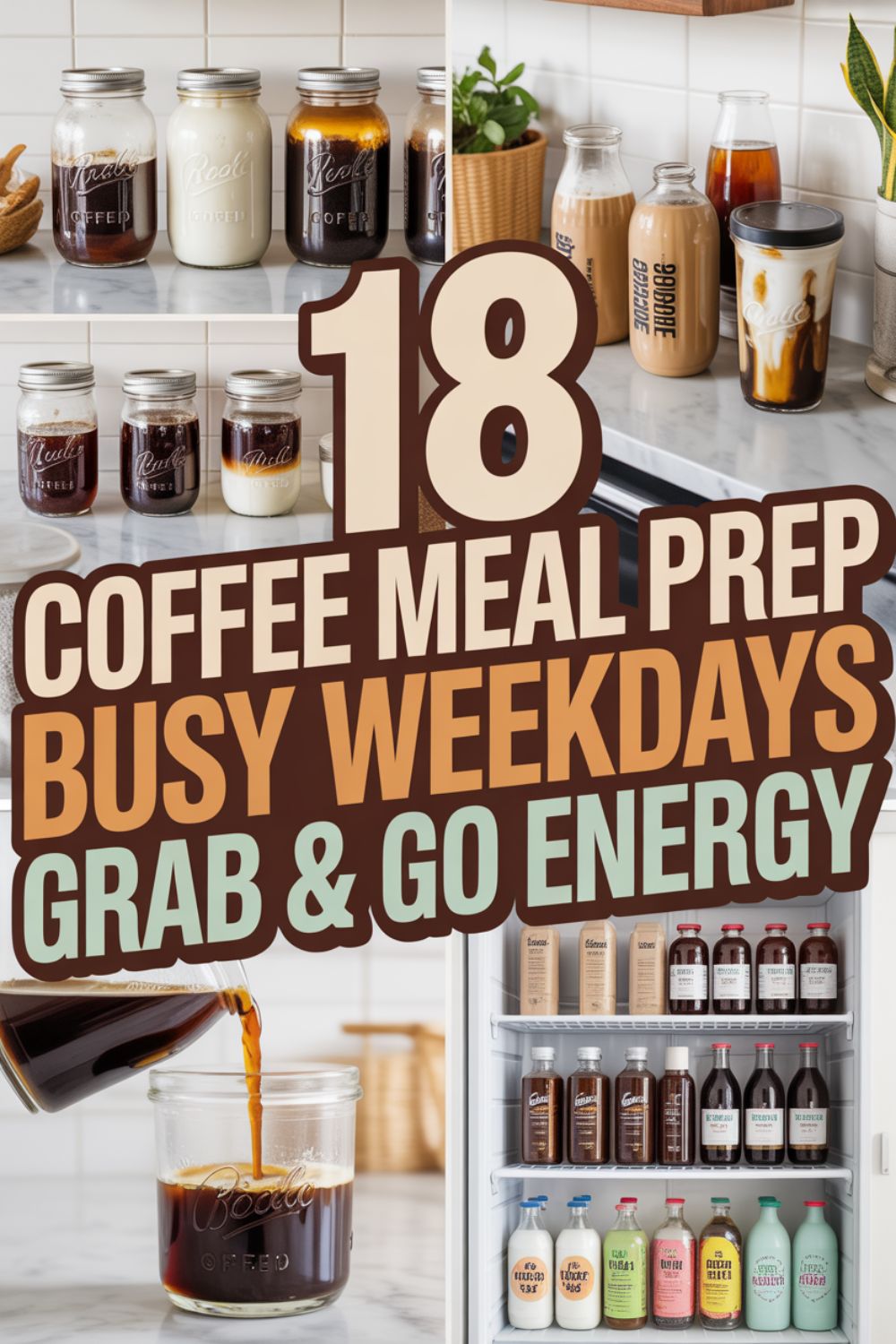
18 Coffee Meal Prep Ideas for Busy Weekdays
You know that moment when Monday morning hits and you’re standing in your kitchen like a zombie, trying to decide between skipping breakfast or being late? Yeah, I’ve been there about a thousand times. But here’s the thing – what if your coffee wasn’t just a drink, but actually part of your meal prep strategy?
I’m not talking about those sugary coffee shop concoctions that cost more than your lunch. I’m talking about real, sustainable coffee-based meal prep ideas that’ll save your sanity during the week. Think protein-packed coffee smoothies you can grab on your way out, overnight oats that taste like your favorite latte, and energy bites that actually deliver on the energy promise.
Here’s what surprised me most when I started incorporating coffee into my meal prep routine: it’s not just about the caffeine boost. Research from Johns Hopkins shows that moderate coffee consumption can provide genuine health benefits, from improved mental focus to better metabolic function. And when you pair that with smart meal planning? Game changer.
Why Coffee Meal Prep Actually Makes Sense
Look, I get it. Coffee and meal prep might sound like two separate worlds. But stick with me here. Studies have shown that people who plan their meals ahead tend to have better dietary quality and increased food variety. When you add coffee – which already has natural appetite-regulating properties – into your prep routine, you’re basically creating a fail-safe system.
The beauty of coffee-based meal prep is that it kills multiple birds with one stone. You get your caffeine fix, you satisfy hunger, and you’re not standing there at 7 AM trying to figure out what to eat. Plus, let’s be honest, anything that involves coffee is automatically more appealing than plain chicken and broccoli for the fifth day in a row.
I’ve tried the whole “I’ll just grab something on the way to work” approach, and all it got me was an empty wallet and too many muffins. The reality is that having coffee-infused meals prepped and ready means you’re way less likely to make impulsive food choices when you’re running on fumes.
Coffee Overnight Oats That Don’t Taste Like Cardboard
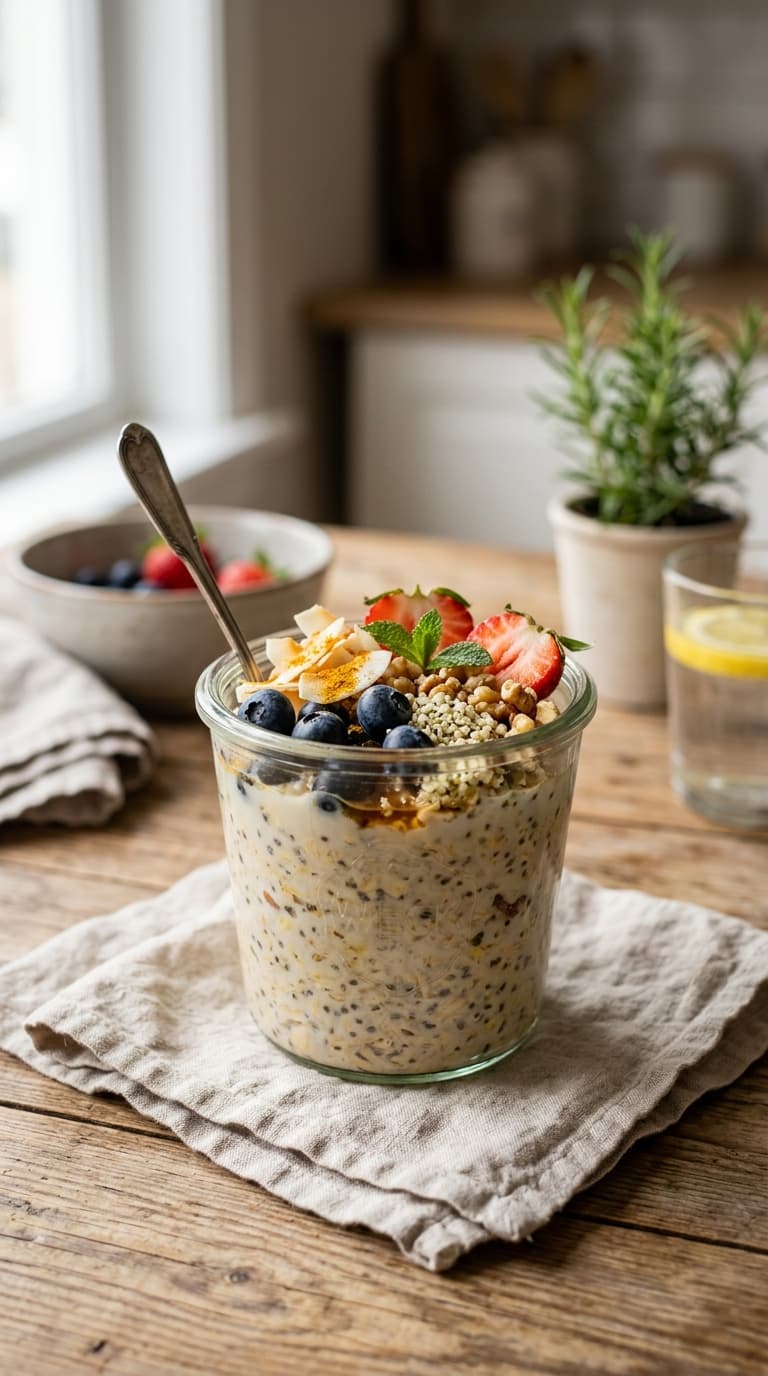
Overnight oats get a bad rap sometimes, and honestly, it’s deserved when they’re done wrong. But when you add coffee? They transform into something you’ll actually look forward to eating. I make mine with cold brew concentrate, which gives this incredible smooth coffee flavor without any bitterness.
The trick is using rolled oats (not the instant kind – those get weird and mushy), mixing in your coffee with milk or a vegan coffee creamer, and letting everything hang out in the fridge overnight. By morning, you’ve got this creamy, coffee-flavored breakfast that requires zero brain power.
What makes these particularly brilliant for meal prep is that you can make five jars on Sunday and you’re done with breakfast for the week. I usually rotate between vanilla coffee oats, mocha oats with cocoa powder, and a caramel version with a tiny bit of maple syrup. Keeping a set of wide-mouth mason jars makes the whole process ridiculously easy – you can eat straight from the jar or dump it in a bowl if you’re feeling fancy.
My Go-To Coffee Overnight Oats Formula
Start with a half cup of rolled oats, add a half cup of cold brew coffee, a half cup of your milk of choice, and a tablespoon of chia seeds for extra protein and thickness. Throw in a dash of cinnamon and vanilla extract. That’s your base. From there, you can add protein powder, nut butter, or whatever else sounds good.
The chia seeds are crucial – they create this pudding-like texture that’s way more satisfying than plain oats. And if you’re worried about getting enough protein, adding a scoop of vanilla protein powder makes these a complete breakfast that’ll keep you full until lunch.
Looking for more morning inspiration? These coffee smoothies pair perfectly with your overnight oats when you want something drinkable.
Coffee Energy Bites Worth Making
Energy bites are either amazing or disappointing, with no in-between. The disappointing ones taste like sweetened cardboard. The amazing ones taste like cookie dough that happens to be good for you. Coffee energy bites fall solidly in the second category.
I use instant espresso powder in mine because it distributes evenly and doesn’t add extra liquid. Mix it with dates, oats, nut butter, and dark chocolate chips, and you’ve got these little bombs of sustained energy that actually taste indulgent. The dates provide natural sweetness and help everything stick together, so you don’t need any weird binders or additives.
Here’s what I love about these for meal prep: you can make a huge batch, they keep in the fridge for two weeks, and they’re portion-controlled by default. Grab two on your way out the door and you’ve got a solid mid-morning snack that won’t send your blood sugar on a roller coaster ride.
The best part? You can customize these endlessly. Add coconut, swap almond butter for peanut butter, throw in some hemp seeds for extra protein. I keep a food processor just for making these because it makes the whole process take about ten minutes.
Iced Coffee Protein Smoothie Packs
Smoothie packs changed my life. I’m not being dramatic – they actually did. The concept is simple: portion out all your smoothie ingredients into freezer bags ahead of time. When you want a smoothie, dump the bag contents into your blender, add liquid, blend, done.
For coffee smoothies specifically, I freeze coffee ice cubes separately and include those in each pack along with frozen banana, protein powder, and a scoop of nut butter. When you blend it all together with some almond milk, you get this thick, milkshake-like consistency that’s way more satisfying than regular iced coffee.
The protein powder is non-negotiable in my book. Without it, you’re basically drinking a caffeinated dessert that’ll leave you hungry in an hour. With it, you’ve got a legit meal replacement that’ll keep you going. I prefer chocolate protein powder because it creates this mocha vibe, but vanilla works great too.
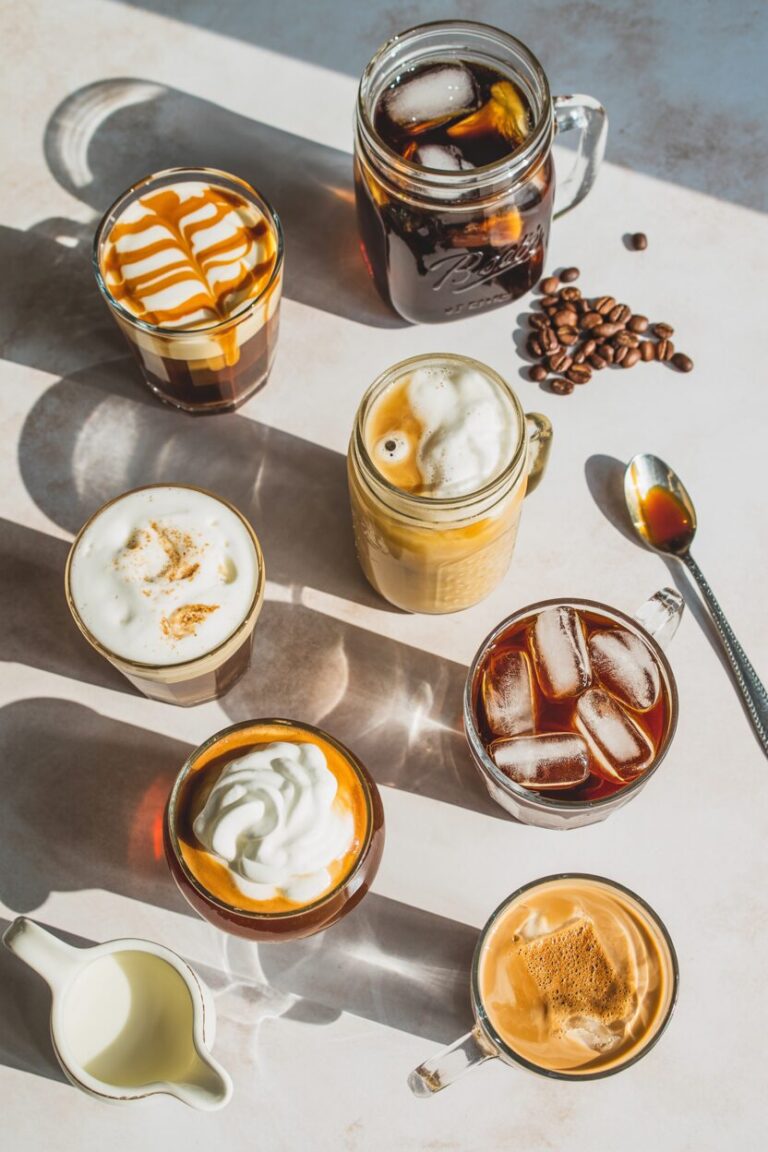
If you’re into experimenting with different coffee drink styles, check out these iced coffee variations for more flavor inspiration.
Building the Perfect Coffee Smoothie Pack
Each bag should have: one frozen banana (pre-sliced), six coffee ice cubes, one scoop of protein powder, a tablespoon of almond butter, and a handful of spinach if you’re feeling virtuous. The spinach sounds weird but you literally can’t taste it, and it makes you feel like you’re getting away with something.
I use gallon-sized freezer bags and prep ten packs at once. That’s two weeks of breakfast smoothies ready to go. A high-speed blender makes the whole thing smoother – literally – but even a basic blender works if you let the coffee cubes thaw for a minute.
Coffee-Infused Breakfast Cookies
Calling these “cookies” feels slightly deceptive because they’re actually packed with oats, nuts, and barely any sugar. But they taste like cookies, which is what matters when you’re eating breakfast on your commute.
I bake a batch of twenty every Sunday. They include brewed coffee in the batter along with instant espresso powder for a double coffee hit. The base is oats, mashed banana, nut butter, and just enough maple syrup to make them sweet without being candy. Add chocolate chips because life’s too short, and you’ve got breakfast cookies that are genuinely nutritious.
What makes these superior to store-bought breakfast bars is that you actually know what’s in them. No weird preservatives or ingredients you can’t pronounce. Just real food that happens to be portable and delicious. They freeze beautifully too – I usually freeze half the batch and pull them out as needed.
The coffee in these isn’t just for flavor. Research indicates that coffee’s bioactive compounds may help with metabolic function and energy regulation throughout the day.
For more coffee-baking inspiration, these coffee cake recipes use similar techniques with different flavor profiles.
Cold Brew Coffee Concentrate as Your Secret Weapon
If you’re not making cold brew concentrate at home, you’re missing out on both money savings and meal prep efficiency. This stuff is ridiculously simple to make: coarsely ground coffee plus cold water, sitting in your fridge for 12-24 hours. That’s it. No fancy equipment required, though I do love my cold brew maker for keeping things organized.
The beauty of concentrate is that it’s exactly what it sounds like – concentrated. You dilute it when you use it, which means one batch makes enough coffee for the entire week. I use mine in overnight oats, smoothies, and obviously, regular iced coffee. Having it ready to go eliminates that morning decision fatigue about whether to brew coffee or just suffer.
My ratio is one cup of coarse grounds to four cups of cold water. Let it steep in the fridge overnight, strain it through a fine mesh strainer or coffee filter, and you’re done. The concentrate keeps for two weeks in the fridge, though mine never lasts that long.
Want to explore different cold brew styles? These cold brew variations will keep your prep routine from getting boring.
Coffee Chia Pudding for the Win
Chia pudding gets a lot of hype, and for once, it’s actually deserved. The seeds absorb liquid and turn into this pudding-like consistency that’s weirdly satisfying. When you make it with coffee instead of regular milk, you get breakfast dessert that delivers caffeine.
The basic formula is three tablespoons of chia seeds to one cup of coffee mixed with milk (I use a half-and-half split). Add a touch of maple syrup and vanilla extract, stir well, and let it sit in the fridge for at least four hours or overnight. The chia seeds do their magic and you wake up to ready-made breakfast.
I make five servings at once in small jars. Top them with whatever sounds good – berries, granola, nut butter, dark chocolate shavings. The base stays the same but the toppings keep things interesting throughout the week.
What surprised me about chia pudding is how filling it actually is. The fiber content is legit, and combined with the protein from milk and the coffee’s appetite-regulating effects, it keeps you satisfied way longer than you’d expect from something that looks like frog eggs. (Sorry, but we’re all thinking it.)
Protein-Packed Coffee Muffins
Muffins get a bad rap as being basically cupcakes without frosting, and yeah, most bakery muffins deserve that criticism. But when you make them at home with actual protein sources and cut the sugar way back, they transform into legit meal prep material.
My coffee muffins use Greek yogurt for moisture and protein, whole wheat flour for actual nutrients, and brewed coffee plus a bit of instant espresso for serious coffee flavor. They’re not super sweet, which means they work as breakfast rather than dessert. I usually make a double batch – one for eating fresh, one for freezing.
The Greek yogurt is crucial here. It keeps the muffins from drying out (because nobody wants sawdust muffins) and adds a solid protein boost. Each muffin ends up with about eight grams of protein, which combined with some almond butter on top, makes a surprisingly complete breakfast.
These muffins are perfect for those mornings when you need to eat breakfast in the car. Pair them with one of these simple coffee drinks and you’ve got a complete meal that requires zero morning prep.
Making Muffins That Actually Taste Good
Don’t overmix the batter. Seriously, this is where most people mess up homemade muffins. Mix until just combined, even if there are still a few flour streaks. Overmixing develops the gluten and you end up with tough, dense muffins instead of tender ones.
I use a silicone muffin pan because cleanup is infinitely easier and you don’t need paper liners. Plus they pop right out when they’re done, no sticking or fighting with stuck-on paper.
Coffee-Spiked Yogurt Parfaits
Parfaits sound fancy but they’re basically just layered yogurt and toppings. When you add coffee to the mix, they become something actually worth making. I make coffee-infused Greek yogurt by stirring instant espresso powder right into the yogurt along with a tiny bit of vanilla and maple syrup.
Layer that coffee yogurt with granola and fresh berries in mason jars, and you’ve got five days of breakfast ready to grab and go. The granola stays crunchy if you keep it in a separate container and add it right before eating, but honestly, I usually just layer it all together and accept that it’ll soften a bit. Still tastes great.
The instant espresso in the yogurt gives this subtle coffee flavor that’s not overwhelming but definitely noticeable. It’s particularly good with dark berries like blueberries or blackberries, which have this natural tartness that balances the coffee’s slight bitterness.
Greek yogurt is one of those ingredients that’s worth buying the full-fat version of. The protein content is the same, but the satisfaction level is way higher. You’re not going to save meaningful calories by going fat-free, and you’ll just end up eating more because you’re still hungry.
If you want to make your own flavored yogurt variations, check out these coffee syrup recipes for endless flavor combinations.
Meal Prep Essentials for These Coffee Recipes
Glass Meal Prep Containers (Set of 10)
Perfect for overnight oats, chia pudding, and parfaits. Glass doesn’t stain or retain odors like plastic, and you can see what’s inside without opening them.
Cold Brew Coffee Maker
Makes batch prep easier with a built-in filter system. The concentrate stays fresh for two weeks, which is perfect for weekly meal planning.
High-Speed Blender
Essential for smoothie packs and energy bite mixtures. A good blender makes the difference between chunky disappointment and creamy perfection.
Digital Meal Prep Planner App
Helps you organize recipes and create shopping lists automatically. Takes the mental load out of figuring out what to prep each week.
Coffee Recipe eBook Collection
Over 100 coffee-infused meal prep recipes with nutritional breakdowns. Perfect for when you need fresh ideas beyond the basics.
Meal Prep Masterclass (Online Course)
Video tutorials on efficient meal prepping techniques specifically for busy professionals. Includes coffee-based meal sections and time-saving hacks.
Coffee Breakfast Burritos You Can Freeze
Hear me out on this one because it sounds weird until you try it. Breakfast burritos are already the champion of make-ahead breakfasts, and adding a coffee element takes them to another level. I’m not putting coffee in the actual burrito – that would be bizarre. Instead, I serve these with coffee-based hot sauce or pair them with a coffee smoothie.
The burritos themselves are scrambled eggs, black beans, cheese, and vegetables wrapped in whole wheat tortillas. Make a dozen on Sunday, wrap them individually in foil, freeze them, and you’ve got breakfast for almost three weeks. Microwave one for 90 seconds from frozen and you’re good to go.
What makes these particularly brilliant is that they’re a complete meal. Protein from the eggs and beans, fiber from the whole wheat tortilla and vegetables, and enough substance to actually keep you full. No side dishes required, no assembly needed in the morning. Just heat and eat.
I use burrito-sized whole wheat tortillas because the extra fiber helps with satiety. Rolling them properly is an art – fold in the sides first, then roll from the bottom up, keeping everything tight. A loose burrito falls apart when you’re trying to eat it, which defeats the whole portable breakfast purpose.
Coffee-Sweetened Protein Bars
Store-bought protein bars are either expensive or full of questionable ingredients. Usually both. Making your own means you control exactly what goes in them, and adding coffee makes them actually taste like something you’d want to eat rather than compressed sawdust.
My base recipe uses oats, protein powder, nut butter, and honey as the binder. The coffee element comes from instant espresso powder and coffee extract. Press the mixture into a baking pan lined with parchment paper, refrigerate until firm, then cut into bars. They keep in the fridge for two weeks or in the freezer for three months.
The texture is chewy rather than crunchy, which I prefer because crunchy homemade bars tend to crumble everywhere when you’re eating them on the go. These hold together perfectly and don’t leave a trail of crumbs in your car.
Each bar has about 12 grams of protein and 200 calories, which makes them substantial enough for a meal replacement if you’re in a pinch. I usually eat one mid-morning with a piece of fruit and it holds me over until lunch without any energy crashes.
Looking for more coffee-based snack ideas? These coffee desserts can be adapted into healthier snack versions with simple swaps.
Mocha Overnight Protein Pancakes
Pancakes for meal prep sounds counterintuitive because pancakes are usually a hot-off-the-griddle situation. But when you make them thick and protein-dense, they reheat beautifully and work great for grab-and-go breakfasts.
The mocha version combines cocoa powder and coffee in the batter, creating this rich chocolate-coffee flavor that makes them taste way more indulgent than they are. The base is oat flour (you can make it by blending oats), eggs, Greek yogurt, and protein powder. No refined sugar needed because the banana and cocoa powder provide enough sweetness.
I make these about four inches in diameter – small enough to eat one-handed but substantial enough to actually fill you up. Cook them on Sunday, let them cool completely, then stack them between pieces of parchment paper before storing in the fridge. They last five days easy, though mine usually don’t make it that long.
Reheating is simple: 30 seconds in the microwave or a minute in a toaster. I usually spread them with almond butter and eat them like a sandwich on my way out the door. Paired with one of these simple latte recipes, they make a complete coffee-themed breakfast.
The Secret to Pancakes That Don’t Get Weird
Don’t overmix the batter – same rule as muffins. Lumps are fine. Overmixing develops gluten and makes the pancakes tough and rubbery. Mix until just combined and accept that it’s not going to be perfectly smooth.
Cook them on medium-low heat, not high. I know you’re tempted to crank the heat to cook them faster, but that’s how you get burnt outsides and raw middles. Low and slow is the way. A nonstick griddle pan makes cooking multiple pancakes at once way more efficient.
Coffee-Infused Granola for Everything
Homemade granola is one of those things that seems unnecessarily complicated until you make it once and realize it’s basically just stirring stuff together and baking it. Coffee-infused granola uses brewed coffee instead of some of the oil in the recipe, which adds this amazing depth of flavor without making it taste like you’re eating coffee beans.
Mix oats with nuts, seeds, a touch of maple syrup, melted coconut oil, and brewed coffee. Spread it on a baking sheet and bake at a low temperature (around 300°F) for about 40 minutes, stirring every 10 minutes. The low temperature prevents burning and helps everything crisp up evenly.
I make a huge batch every two weeks. It lasts forever in an airtight container and works for everything – yogurt parfaits, overnight oats topping, straight-up snacking. The coffee flavor is subtle enough that it doesn’t overpower whatever you’re putting it on, but noticeable enough to make it interesting.
The beauty of granola is that you can customize it endlessly based on what you have or what sounds good. Swap the nuts, change up the seeds, add dried fruit after baking, throw in chocolate chips. The base recipe stays the same but the variations are infinite.
Store your granola in large glass jars with airtight lids – they keep it fresh longer and you can see when you’re running low. Plus they look way better on your counter than random bags or plastic containers.
Coffee Protein Balls (The Actually Good Kind)
Protein balls are everywhere now, but most of them are either too sweet or have this weird chemical aftertaste from the protein powder. The coffee version solves both problems – the coffee flavor balances the sweetness and masks any protein powder weirdness.
My recipe uses dates as the base (they blend up into this caramel-like paste), adds almond butter for richness, rolls in protein powder and instant espresso, and finishes with dark chocolate chips. Roll them into balls about the size of a golf ball and you’ve got perfectly portioned snacks.
Each ball has about 100 calories and 5 grams of protein, which makes them substantial enough to tide you over between meals. I usually eat two as a mid-afternoon snack when that 3 PM energy crash hits. The caffeine from the coffee gives a gentle boost without the jittery feeling you get from energy drinks.
These keep in the fridge for two weeks or in the freezer for three months. I prefer them straight from the fridge because they’re firmer and more satisfying to bite into. Frozen works too if you let them sit for a few minutes to soften slightly.
FYI, studies show that batch cooking and advance meal preparation makes healthy eating way more accessible throughout the week. Having snacks like these ready to go eliminates that decision fatigue that leads to grabbing whatever’s convenient.
Speaking of convenient options, these coffee and snack pairings offer more ideas for quick energy throughout the day.
Vietnamese Coffee Overnight Oats
Vietnamese coffee is ridiculously good – that combination of dark roast coffee and sweetened condensed milk is next-level. Translating that into overnight oats means you get all that flavor in breakfast form. I use strong cold brew, a couple tablespoons of sweetened condensed milk, and regular oats.
The sweetened condensed milk does double duty here – it provides the sweetness and the creaminess that makes Vietnamese coffee so distinctive. You don’t need much because it’s concentrated sweetness. Too much and your oats turn into dessert. Just enough and they taste like a treat that happens to be breakfast.
I top these with toasted coconut flakes because it adds this textural element and continues the Southeast Asian flavor profile. Sometimes I’ll add a pinch of cardamom too, which gives this subtle aromatic quality that makes the whole thing feel more complex.
These keep well for five days in the fridge. The sweetened condensed milk prevents them from getting too thick, so you don’t need to add extra liquid in the morning. Just grab the jar and go. I use 8-ounce mason jars with screw-top lids for these because they’re the perfect single-serving size.
Coffee-Marinated Egg Muffins
Okay, this one is definitely the weirdest on the list, but trust me. Egg muffins (basically mini crustless quiches baked in a muffin tin) are already meal prep gold. Adding a coffee element sounds bizarre until you realize that coffee pairs well with savory food – think coffee rubs on steak.
I don’t put coffee directly in the eggs. Instead, I marinate the vegetables overnight in a mixture of coffee, soy sauce, and spices before adding them to the egg mixture. The coffee adds this earthy depth that makes the whole thing taste way more interesting than regular egg muffins.
The base is eggs, cheese, and whatever vegetables you want. I usually go with mushrooms, spinach, and onions because they work well with the coffee marinade. Bake them in a muffin tin for about 20 minutes and you’ve got portable protein-packed breakfasts.
These freeze brilliantly. I make two dozen at once, eat some fresh during the week, and freeze the rest. They reheat in about 45 seconds in the microwave and taste just as good as fresh. Pair them with a side of fruit and you’ve got a balanced breakfast that requires zero morning effort.
Coffee-Infused Quinoa Breakfast Bowls
Quinoa for breakfast feels fancy but it’s actually incredibly practical. It’s complete protein, it reheats well, and it absorbs whatever flavors you cook it in. When you cook quinoa in coffee instead of water, you get this nutty, coffee-flavored grain that works as a breakfast base.
The ratio is one part quinoa to two parts liquid – I use half coffee, half almond milk. Cook it like normal (bring to a boil, reduce to simmer, cover for 15 minutes), then stir in cinnamon and a touch of maple syrup. Let it cool and portion it into containers.
In the morning, add whatever toppings sound good: fresh berries, nuts, a dollop of Greek yogurt, nut butter. The coffee-cooked quinoa provides this interesting base flavor that’s different from oatmeal but serves the same purpose.
What surprised me about quinoa bowls is how satisfying they are. The protein content keeps you full way longer than regular oatmeal, and the texture is more interesting. It’s not mushy or sticky – just these little separate grains that have some bite to them.
I prep five bowls worth of quinoa on Sunday and keep them in divided meal prep containers. Add toppings fresh each morning so they don’t get soggy. Takes maybe two minutes to assemble and you’ve got breakfast that feels like you actually tried.
For more ideas on building balanced breakfast bowls, check out these coffee and breakfast pairings that work with various dietary approaches.
Coffee Cream Cheese Spread for Everything
This is more of a component than a complete meal, but it’s so useful it deserves its own section. Coffee cream cheese is exactly what it sounds like – cream cheese whipped with instant espresso powder, a tiny bit of maple syrup, and vanilla extract. It transforms basic bagels or toast into something worth eating.
The trick is using room temperature cream cheese and really whipping it until it’s light and fluffy. I use a hand mixer for this because manual whisking takes forever and your arm will hate you. Whip in the espresso powder gradually so it distributes evenly without clumps.
I make a batch on Sunday and keep it in a container in the fridge. It lasts two weeks easy, though mine usually doesn’t make it that long because I end up putting it on everything. Bagels, obviously. Toast. English muffins. Pancakes. Even fruit sometimes because why not.
This spread is particularly useful for those mornings when you didn’t prep anything and need breakfast immediately. Toast plus coffee cream cheese plus a banana on the side takes three minutes and actually tastes good. It’s the backup plan that doesn’t feel like admitting defeat.
Coffee-Spiced Breakfast Cookies (The Savory Version)
Earlier I mentioned sweet breakfast cookies. These are the savory alternative, made with oats, cheese, herbs, and a touch of instant espresso that adds complexity without making them taste like coffee. Think of them like savory scones but in cookie form.
The base is oat flour, shredded cheese (I use sharp cheddar), eggs, and Greek yogurt. Add instant espresso, rosemary, a pinch of black pepper, and maybe some crumbled bacon if you’re feeling it. Drop spoonfuls onto a baking sheet and bake until golden.
These are perfect for people who don’t want sweet breakfast all the time. They pair really well with scrambled eggs or just eaten alone with coffee. The espresso adds this savory depth that makes them taste more sophisticated than they have any right to be.
I make these in big batches and freeze them. They thaw quickly or you can pop them in the toaster oven for a few minutes. Having savory breakfast options ready to go prevents that breakfast burnout you get when you’ve eaten sweet oatmeal for the tenth day in a row.
The Bottom Line on Coffee Meal Prep
Here’s the thing about incorporating coffee into your meal prep: it’s not about making everything coffee-flavored. It’s about using coffee strategically to create meals that you’ll actually look forward to eating while getting that caffeine boost you need anyway.
The meals that work best are the ones that serve multiple purposes. Overnight oats that taste like your favorite latte? That’s efficient. Energy bites that provide protein, fiber, and caffeine? That’s smart planning. Smoothie packs that eliminate morning decisions? That’s reducing decision fatigue, which is half the battle with morning routines.
What I’ve found is that having coffee-based meals prepped makes the whole week run smoother. You’re not standing in line at the coffee shop, you’re not grabbing random snacks because you’re hungry, and you’re not making questionable food choices at 7 AM when your brain barely functions.
The key is finding what works for your schedule and your taste preferences. Maybe you love overnight oats but hate smoothies. Fine, make five jars of oats and skip the smoothie packs. Maybe you’re all about the protein balls but the breakfast burritos don’t appeal to you. Make what you’ll eat, not what sounds theoretically healthy.
And here’s the secret nobody tells you about meal prep: it doesn’t have to be perfect. Some weeks you’ll prep everything. Some weeks you’ll make one batch of energy bites and call it done. Both are fine. The goal is progress, not perfection. Even having one or two breakfast options ready beats starting every morning from scratch.
Start small. Pick one or two recipes from this list that sound doable. Make them this Sunday. See how it goes. You’ll probably find that having even just a few things prepped makes the week significantly less chaotic. Then next week, maybe you’ll add one more recipe. That’s how sustainable meal prep works – gradual additions, not trying to do everything at once and burning out.
Frequently Asked Questions
How long do coffee-based meal prep items stay fresh?
Most coffee meal prep items last 5-7 days in the fridge when stored properly in airtight containers. Baked goods like muffins and cookies can last up to two weeks, and most items freeze well for 2-3 months. Cold brew concentrate specifically stays fresh for up to two weeks refrigerated. The key is using clean containers and keeping everything sealed – exposure to air is what makes things go bad faster.
Will the coffee flavor get stronger or weaker over time in meal prep?
Coffee flavor in most meal prep items stays relatively stable or mellows slightly over time, which is actually perfect. Overnight oats and chia pudding might have a slightly stronger coffee taste on day one that mellows by day three or four. Baked goods maintain their coffee flavor consistently throughout the week. If you want more intense coffee flavor, use instant espresso powder instead of brewed coffee – it’s more concentrated and stable.
Can I use decaf coffee for these recipes if I’m sensitive to caffeine?
Absolutely. Decaf works perfectly in all these recipes and provides the same flavor profile without the caffeine content. This is particularly useful if you’re prepping for kids or if you want coffee-flavored breakfast later in the day without affecting your sleep. The taste difference is minimal, especially when combined with other ingredients like chocolate, vanilla, or cinnamon.
What’s the best way to reheat frozen coffee meal prep items?
For most items, microwave reheating works best – 45 seconds to 1 minute for muffins and cookies, 90 seconds for burritos. Items like pancakes and breakfast cookies also work great in a toaster or toaster oven if you prefer a crispier texture. Overnight oats and chia pudding should be thawed in the fridge overnight rather than microwaved, as heating changes their texture too much.
How much caffeine am I actually getting from these coffee meal prep items?
It varies significantly based on the recipe and how much coffee you use. Generally, items made with cold brew concentrate have more caffeine (roughly 50-80mg per serving), while baked goods made with brewed coffee have less (20-40mg per serving) because some caffeine is lost during baking. For reference, a regular cup of coffee has about 95mg of caffeine. If you’re monitoring caffeine intake carefully, track the amount of coffee or espresso powder you’re using in each recipe.
Look, I’m not saying coffee meal prep will solve all your life problems. But it’ll definitely solve the “what am I going to eat for breakfast” problem, and sometimes that’s enough to make the whole week feel more manageable. Give a couple of these recipes a try this Sunday and see what happens. Worst case scenario, you have some decent breakfast options. Best case? Your mornings become actually enjoyable instead of chaotic.
Remember, the goal isn’t to become some meal prep influencer with perfectly arranged containers and aesthetic kitchen photos. The goal is to make your life easier. Pick what sounds good, make it work for your schedule, and adjust as you go. That’s the real secret to sustainable meal prep – making it fit your life, not trying to fit your life around some perfect ideal.