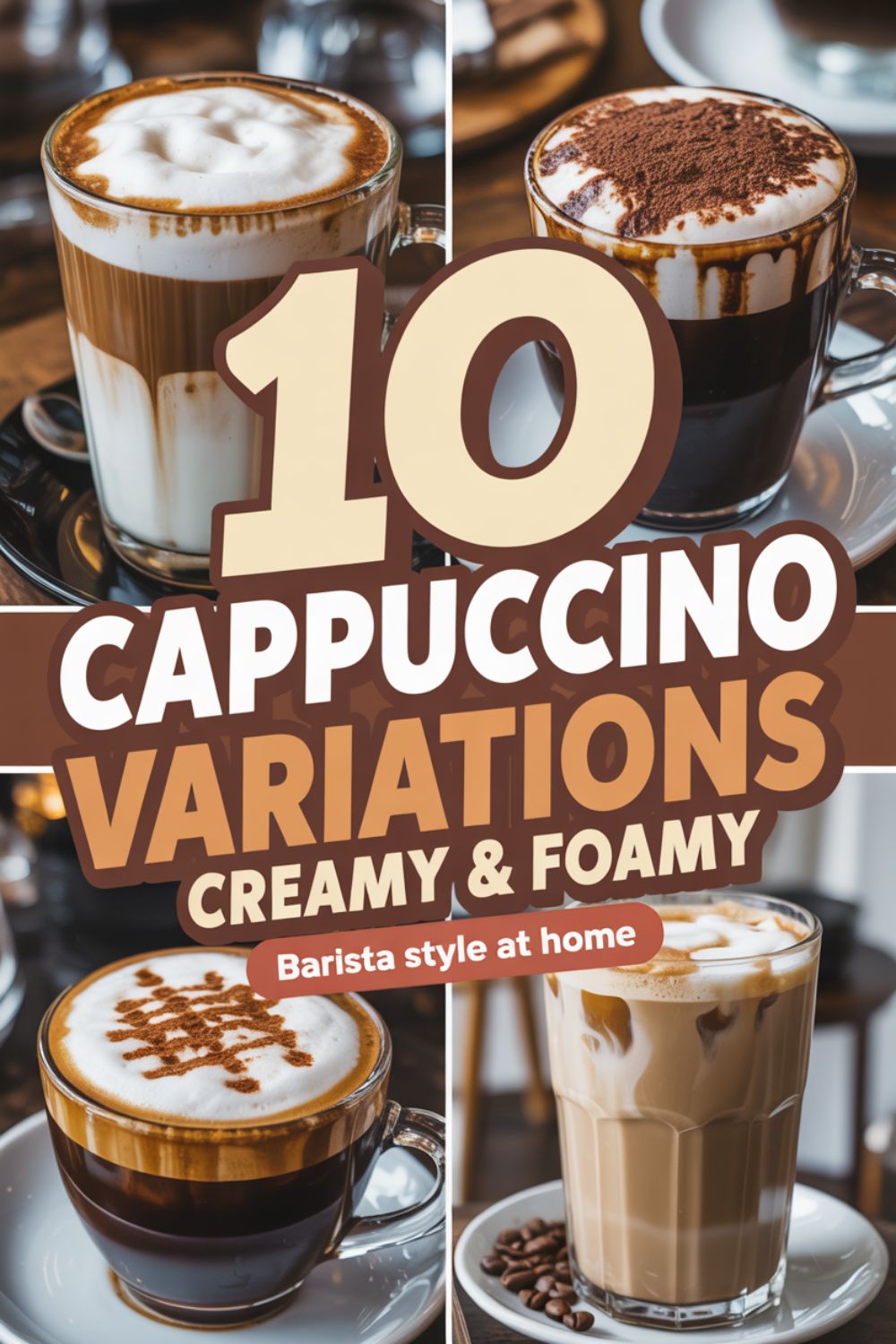
10 Cappuccino Variations That’ll Make You Rethink Your Morning Routine
Look, I’ll be honest with you—I spent way too many years thinking a cappuccino was just espresso with some foamy milk slapped on top. Then one random Tuesday morning, I tried a honey lavender cappuccino at this tiny cafe downtown, and my entire coffee world got flipped upside down. Turns out, cappuccinos are basically blank canvases waiting for you to get creative.
If you’re tired of your same old morning routine and want to shake things up without spending seven bucks at a coffee shop, you’re in the right place. These ten variations range from stupid-simple to slightly fancy, but none of them require a degree in barista arts. Just some decent espresso, milk, and whatever flavor combo makes your taste buds happy.
Whether you’re trying to impress brunch guests or just want something more interesting than your basic morning joe, these recipes will give you plenty to experiment with. And honestly? Once you nail a few of these, you’ll wonder why you ever paid someone else to make them.
Classic Cappuccino: Getting the Foundation Right
Before we go wild with flavors, let’s talk about the OG cappuccino. You need equal parts espresso, steamed milk, and milk foam—usually about 2 ounces of each. The key here is getting that milk texture right, which honestly took me longer to master than I’d like to admit.
I use a handheld milk frother because I’m not dropping several hundred dollars on an espresso machine with a steam wand just yet. Works perfectly fine, and you can get one for like twenty bucks. The trick is to froth cold milk and keep that frother just below the surface to create those tiny, dense bubbles.
Pour your espresso first, then add your steamed milk, and finish with that gorgeous foam on top. Some people get all precious about latte art, but honestly, as long as it tastes good, who cares if your foam heart looks more like a blob? I certainly don’t judge.
Vanilla Bean Cappuccino: Sweet Without Being Obnoxious
This one’s stupid simple but feels fancy. Scrape out half a vanilla bean pod (or use a quarter teaspoon of vanilla bean paste if you’re not trying to break the bank) and mix it into your espresso before adding the milk. The tiny vanilla specks look Instagram-worthy, and it tastes way better than that artificial vanilla syrup most coffee shops use.
I keep a small jar of vanilla bean paste in my pantry specifically for this. It lasts forever and makes your coffee smell like a bakery. You can also add a tiny drizzle of honey if you want it sweeter, but honestly, good vanilla bean has enough natural sweetness that you might not need it.
This variation pairs ridiculously well with breakfast pastries. Speaking of which, if you’re into pairing your coffee with food, check out these coffee and breakfast pairings for busy mornings that’ll change your morning game.
Why Vanilla Works So Well
Vanilla is one of those flavors that enhances coffee without overpowering it. Research shows that vanilla contains vanillin, which has antioxidant properties and can actually complement the natural antioxidants found in coffee beans. Not that we’re drinking cappuccinos for health reasons, but it’s a nice bonus.
Cinnamon Dolce Cappuccino: Fall in a Cup (But Better)
Forget Starbucks—make this at home and save yourself five bucks. Mix a quarter teaspoon of ground cinnamon with a tablespoon of brown sugar, then stir it into your hot espresso until it dissolves. Add your milk and foam, then dust the top with more cinnamon.
The brown sugar gives it this caramel-like depth that regular white sugar just can’t touch. I also throw in a tiny pinch of nutmeg sometimes, but that’s optional. Just don’t go overboard with the cinnamon or you’ll end up with that chalky texture nobody wants.
I store my cinnamon-sugar mixture in a small glass spice jar so I can make this on repeat without measuring every single time. Total game-changer for weekday mornings when I’m only half awake.
If you’re vibing with cinnamon flavors, you’ll probably love these cozy fall morning coffee recipes that lean into those warm spices.
Honey Lavender Cappuccino: Floral Without Being Weird
This is the one that started my whole cappuccino obsession, so I’m slightly biased. Steep a pinch of culinary lavender in your hot espresso for about 30 seconds, then strain it out. Add a teaspoon of honey and stir until dissolved, then top with your milk and foam.
The lavender gives it this subtle floral note that’s somehow both calming and energizing. Don’t use too much though—lavender can quickly go from “sophisticated” to “drinking perfume” if you overdo it. Start with just a small pinch and adjust from there.
You can buy culinary lavender buds online, and they last forever. I also use mine for baking, so it’s not just sitting around taking up space. Pro tip: this variation is incredible iced during summer months.
Mocha Cappuccino: For When You Can’t Choose
Can’t decide between coffee and chocolate? Welcome to the mocha cappuccino, where you get both and don’t have to make adult decisions before 9 AM. Mix a tablespoon of good cocoa powder (not the Swiss Miss stuff) with your espresso until smooth, add a tiny bit of sugar or sweetener if needed, then top with milk and foam.
I’m particular about cocoa powder for this—Dutch-processed cocoa works way better than natural cocoa because it’s smoother and less acidic. You can also use a square of dark chocolate melted into the espresso if you’re feeling extra, but the cocoa powder method is faster.
Some people add whipped cream and chocolate shavings on top, which is totally valid, but IMO that crosses into dessert territory. I usually just stick with the foam and maybe a light dusting of cocoa on top.
For more chocolate and coffee combinations, these coffee and dessert pairings will absolutely wreck your self-control in the best way.
Caramel Cappuccino: Indulgent but Not Guilty
Here’s where things get slightly more involved, but stick with me. Make a quick caramel by melting two tablespoons of sugar in a small pan over medium heat until it’s amber colored, then immediately stir in a tablespoon of heavy cream. Let it cool for 30 seconds, mix it into your espresso, and proceed with the milk and foam as usual.
Yeah, you can buy caramel sauce, but homemade tastes completely different—deeper, less artificial, and you control the sweetness. Plus, making caramel is weirdly satisfying once you get the hang of it. Just watch it like a hawk because it goes from perfect to burned in about ten seconds.
If the homemade route sounds like too much work before coffee, good quality caramel sauce exists and won’t judge you. I keep both options in rotation depending on my motivation levels that morning.
The Science Behind Caramelization
When you heat sugar, it undergoes a process called caramelization where the sugar molecules break down and create hundreds of new flavor compounds. This is why real caramel tastes so complex compared to artificially flavored syrups. The Maillard reaction also occurs when you add cream to hot caramel, creating even more depth.
Matcha Cappuccino: Green Tea Meets Coffee
Before you freak out about mixing matcha and coffee—yes, it sounds weird. Yes, it absolutely works. Whisk half a teaspoon of matcha powder with a tiny bit of hot water until smooth (use a bamboo matcha whisk if you have one, but a regular whisk works too), then add your espresso and stir.
The earthy, slightly sweet flavor of matcha actually complements coffee really well, and you get a caffeine boost from both sources. Plus, it looks cool with the green swirled into the brown. Fair warning: this tastes nothing like a traditional cappuccino, but that’s kind of the point.
Use ceremonial grade matcha if you’re picky about quality, but culinary grade works fine for this application. The coffee flavor is strong enough that you don’t need to splurge on the fancy stuff.
If you’re into alternative coffee variations, you might want to explore these healthy coffee recipes with nut milks and natural sweeteners for more unique flavor combinations.
Hazelnut Cappuccino: Nutty and Smooth
This one’s all about the hazelnut syrup, and before you roll your eyes at flavored syrups, hear me out. You can make your own by simmering equal parts water and sugar with toasted hazelnuts for 15 minutes, then straining. Or yeah, buy a bottle of the good stuff—I won’t tell anyone.
Add about a tablespoon of hazelnut syrup to your espresso, top with steamed milk and foam, and maybe sprinkle some finely chopped toasted hazelnuts on top if you’re feeling fancy. It’s basically a grown-up Nutella drink without being cloying sweet.
The key is using real hazelnut flavoring, not that artificial stuff that tastes like someone described hazelnuts to a robot. Quality matters here more than with some other variations because hazelnut is the star flavor.
Golden Turmeric Cappuccino: The Trendy One That Actually Tastes Good
I know, I know—turmeric lattes were everywhere a few years ago and most of them were overpriced and underwhelming. But hear me out: a turmeric cappuccino with espresso is a completely different beast. Mix a quarter teaspoon of turmeric, a pinch of black pepper (it helps absorption), a pinch of cinnamon, and a tiny bit of honey into your espresso.
The coffee cuts through the earthiness of turmeric in a way that just milk can’t. Add your steamed milk and foam, and you get this beautiful golden drink that’s both energizing and has actual anti-inflammatory benefits from the curcumin in turmeric. Not that we’re drinking this for health reasons, but it’s a nice bonus.
Get good quality turmeric—organic ground turmeric makes a difference here. The cheap stuff can taste dusty and bland. Also, turmeric stains everything, so don’t wear white while making this.
Peppermint Mocha Cappuccino: Holiday Vibes Year-Round
This is basically the lovechild of a mocha and a candy cane, and it’s absolutely not just for December. Add a tablespoon of cocoa powder and a quarter teaspoon of peppermint extract to your espresso, stir until smooth, then top with milk and foam. You can also muddle fresh mint leaves in the espresso if you want to go the natural route.
The peppermint-chocolate combo is classic for a reason—it just works. I usually make this when I need something that feels indulgent but isn’t actually that complicated. The peppermint also makes it feel more refreshing than a regular mocha, which is nice on warmer days.
Use pure peppermint extract, not the artificial stuff. Pure peppermint extract has a cleaner, more authentic flavor that won’t leave a weird chemical aftertaste. A little goes a long way, so start with less than you think you need.
For more seasonal coffee inspiration, these coffee drinks to warm your winter mornings will keep you cozy when temperatures drop.
Salted Caramel Cappuccino: Sweet and Salty Perfection
Take the caramel cappuccino method from earlier, but add a small pinch of flaky sea salt to your caramel before mixing it into the espresso. The salt amplifies the caramel flavor and cuts through the sweetness just enough to keep it from being cloying.
This is my go-to when I want something that feels like dessert but isn’t going to send me into a sugar coma. The salt also brings out the natural flavors in the coffee, so you’re not just tasting sweet—you’re getting complexity.
Use flaky sea salt like Maldon for this, not regular table salt. The texture and flavor are completely different, and it makes a noticeable difference in the final drink. Just a tiny pinch—you want to enhance, not overpower.
Essential Tools for Cappuccino Success
Physical Tools Every Cappuccino Lover Needs
Handheld Milk Frother – Honestly the most important tool if you don’t have a fancy espresso machine. I use mine daily and it’s held up for two years straight. Battery-powered, easy to clean, and makes foam that’s actually usable.
Digital Kitchen Scale – For measuring espresso and milk ratios accurately. I resisted getting one for way too long, but it’s made my cappuccinos way more consistent. No more guessing games.
Espresso Cups Set – Proper 6-ounce cappuccino cups that keep drinks at the right temperature. I found a set of four for under $30 and they’ve completely changed my coffee experience. Size actually matters here.
Digital Resources That Made Me Better at This
Barista Training Course – An online course that taught me proper milk steaming techniques and espresso basics. Worth every penny if you’re serious about upping your home coffee game.
Coffee Flavor Wheel App – Helps you identify different flavor notes in your espresso and understand what you’re tasting. Made me way more intentional about bean selection.
Recipe Management System – I use a digital recipe keeper to track my cappuccino experiments, ratios, and what worked (or didn’t). Sounds nerdy but it’s actually super helpful when you nail a variation and want to recreate it.
Want to expand beyond cappuccinos? These coffee latte recipes you can make without a machine are equally impressive and use similar techniques.
Common Mistakes and How to Avoid Them
After making probably hundreds of cappuccinos at this point, I’ve definitely messed up more than a few. The biggest mistake I see people make is overheating the milk. Once milk goes above 160°F, it starts to taste scorched and loses that sweet, creamy flavor. If you don’t have a thermometer, pull it off heat when it’s too hot to comfortably touch but not painful.
Another common issue is using old, stale espresso beans. Coffee starts losing flavor about two weeks after roasting, so buy smaller quantities more often or store your beans in an airtight container away from light and heat. Your cappuccinos will thank you.
And please, for the love of all things caffeinated, don’t use skim milk unless you absolutely have to. The fat content in whole milk is what creates that silky, stable foam. Skim milk makes sad, watery foam that disappears in about thirty seconds.
Temperature Matters More Than You Think
The ideal temperature for steamed milk in a cappuccino is between 150-155°F. At this range, the milk proteins create stable foam while the lactose provides natural sweetness. Go hotter and you’ll denature the proteins, resulting in flat, burnt-tasting milk. This is basic food science that most coffee shops ignore.
Speaking of technique, if you’re just starting your coffee journey, check out these coffee drinks to try if you’re new to brewing to build your foundation.
Making These Work for Different Diets
Good news for anyone avoiding dairy: almost all of these variations work with alternative milks. Oat milk froths better than any other non-dairy option I’ve tried—it’s creamy, stable, and doesn’t separate. Almond milk works but creates less foam. Soy milk can curdle in espresso if it’s too cold, so warm it slightly first.
For sugar concerns, most of these recipes work fine with alternative sweeteners. I’ve had good luck with monk fruit sweetener and erythritol. Stevia works too but can have a bitter aftertaste if you use too much. Start with less and adjust upward.
If you’re watching calories, you can make lighter versions by using skim milk or cutting the sweetener in half. The vanilla bean and cinnamon versions are naturally lower in calories since they don’t require much added sugar. For more health-conscious options, these coffee drinks under 100 calories might interest you.
Frequently Asked Questions
Can I make these without an espresso machine?
Absolutely. Use a Moka pot, AeroPress, or even strongly brewed coffee as your base. It won’t be exactly the same as true espresso, but it’ll still taste great. I used a Moka pot for the first year and the drinks were perfectly good. The ratios stay the same—just substitute your strong coffee for the espresso.
How long do homemade syrups last?
Most simple syrups last about a month in the fridge if stored in a clean, airtight container. The sugar acts as a preservative, but watch for any cloudiness or off smells. I usually make small batches weekly so they’re always fresh. If you add fresh herbs or ingredients like lavender, they’ll last slightly less time—about two to three weeks.
What’s the best milk for frothing at home?
Whole milk creates the most stable, creamy foam because of its fat content. If you’re avoiding dairy, oat milk is hands-down the best alternative—it froths almost as well as whole milk and has a neutral flavor that doesn’t overpower the coffee. Barista-blend oat milk is specifically formulated for this and works even better.
Can I prep anything ahead of time for faster mornings?
Yes! Make flavored syrups in batches, toast and chop nuts, or create spice blends ahead of time. I keep pre-measured cinnamon-sugar mix and vanilla bean paste ready to go. You can’t really pre-froth milk though—it needs to be done fresh. But having your flavor components prepped cuts your morning cappuccino time down to about three minutes.
Why does my foam disappear so quickly?
Usually this means your milk was either too hot, not fresh enough, or you didn’t incorporate enough air while frothing. Keep milk between 150-155°F, use fresh whole milk, and make sure your frother is creating those tiny, dense bubbles rather than big, soap-like ones. Also pour immediately—foam starts breaking down within seconds of frothing.
Final Thoughts
Here’s the thing about making cappuccinos at home: once you get the basic technique down, the variations are endless. These ten are just starting points—mix and match flavors, adjust ratios to your taste, and don’t be afraid to experiment with ingredients you already have in your pantry.
I’ve been making these for over a year now, and I genuinely can’t remember the last time I bought a cappuccino from a coffee shop. Not because I’m being cheap (okay, maybe partially), but because I can make exactly what I want, when I want it, without putting on real pants.
Start with the classic version to nail your technique, then branch out to whichever flavors sound most appealing. The worst that can happen is you make something you don’t love and drink it anyway because, let’s be real, even mediocre coffee is still coffee. The best that can happen is you discover your new favorite morning ritual and save yourself a ridiculous amount of money in the process.
Now go forth and froth some milk. Your mornings are about to get significantly better.