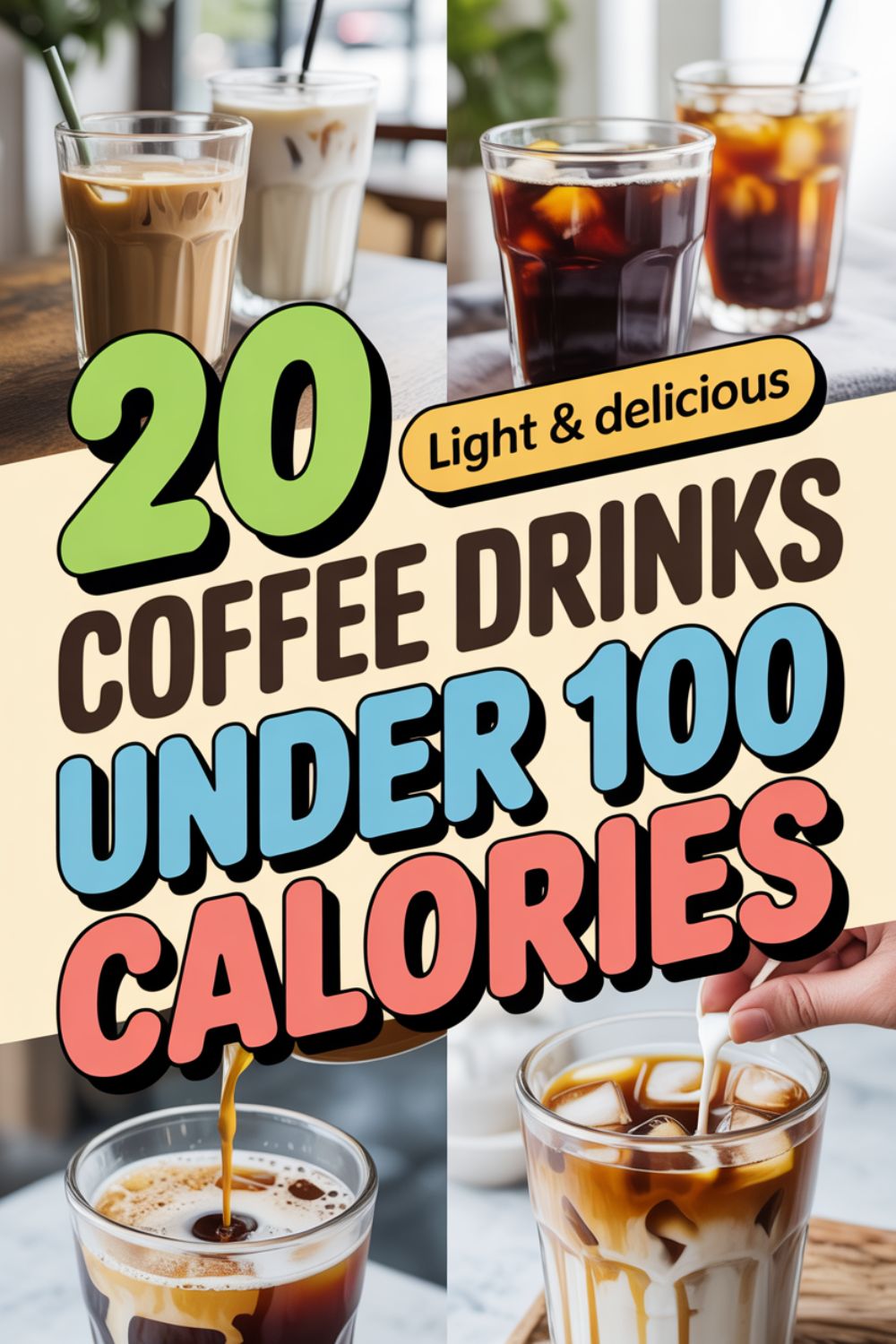
20 Coffee Drinks Under 100 Calories
Look, I get it. You want that creamy, dreamy coffee shop experience without your jeans screaming at you by Thursday. The good news? You don’t have to choose between flavor and fitting into your favorite pants. I’ve spent way too many mornings experimenting with low-calorie coffee drinks, and honestly, some of them taste better than their calorie-loaded cousins.
Here’s the thing about coffee drinks under 100 calories—they’re not about deprivation. They’re about being smart with your ingredients and knowing which shortcuts actually work. Black coffee might be virtually calorie-free, sitting at just 2 calories per cup, but let’s be real: not everyone wants to drink liquid bitterness every morning.
Why Low-Calorie Coffee Drinks Actually Matter
Before we jump into the recipes, let’s talk about why this matters. That caramel macchiato you’re grabbing? It’s packing around 250 calories with whole milk and syrup. Grab one daily, and you’re looking at an extra 1,750 calories per week. That’s nearly a whole day’s worth of eating for some people.
But here’s where it gets interesting. Coffee itself is pretty amazing for your metabolism. Research shows that caffeine can boost your metabolic rate and increase fat oxidation, especially during exercise. The problem isn’t coffee—it’s what we dump into it.
I learned this the hard way after realizing my “healthy” morning latte was basically dessert in a cup. Once I started tracking what actually went into these drinks, everything changed. And no, you don’t need to become a math wizard or give up flavor. You just need better strategies.
Pro Tip: Swap regular milk for unsweetened almond milk and save about 80 calories per cup. Your taste buds adjust faster than you think—give it three days.
The Foundation: Understanding Coffee Calories
Plain brewed coffee is your baseline hero. It’s essentially calorie-free—we’re talking 2 to 5 calories per 8-ounce cup. Zero fat, zero sugar, zero carbs. The calories only start piling on when you add milk, cream, sugar, or those flavored syrups that taste like birthday cake.
A tablespoon of heavy cream? That’s 52 calories. A tablespoon of sugar? Another 49 calories. See how quickly this escalates? Two tablespoons of each and you’re already at 200 calories before you’ve even had breakfast.
The trick is finding substitutes that don’t make you feel like you’re punishing yourself. I use a milk frother to make almond milk super creamy—it adds volume and texture without the calories. Cost me like twenty bucks and changed my entire coffee game.
20 Coffee Drinks That Won’t Wreck Your Day
1. Classic Black Coffee (2 calories)
Yeah, I know this seems obvious, but hear me out. Quality black coffee doesn’t taste like burnt rubber. Invest in decent beans—I’m partial to medium roasts from a burr grinder because they’re less bitter and bring out the natural sweetness. Add a dash of cinnamon directly to the grounds before brewing. It cuts the acidity and adds flavor without a single calorie.
2. Americano (15 calories)
An Americano is just espresso and hot water, which means it’s basically black coffee’s sophisticated cousin. The espresso gives it a richer flavor profile than regular drip coffee, and the water dilutes it just enough to make it smooth. If you’re transitioning from sugary drinks, this is your gateway drug.
Want to make one at home? You don’t need a fancy espresso machine. I’ve gotten great results with a stovetop moka pot—it makes strong coffee that works perfectly for Americanos and costs a fraction of those chrome-plated machines.
3. Cold Brew (5 calories)
Cold brew is naturally sweeter and less acidic than hot-brewed coffee because the cold water extraction process pulls out different compounds. You can make a huge batch and keep it in the fridge for up to two weeks. I use a cold brew coffee maker with a built-in filter, but honestly, you can just steep grounds in water overnight and strain through a coffee filter.
The concentrated nature of cold brew means you can dilute it with water or unsweetened almond milk and still get a strong coffee flavor. If you’re looking for more cold coffee inspiration, check out these cold brew variations for summer.
Quick Win: Make coffee ice cubes from leftover coffee. Drop them in your cold brew so it doesn’t get watered down as they melt. Game changer.
4. Espresso Shot (3 calories)
Straight espresso is intense, but if you can handle it, it’s one of the lowest-calorie ways to get your caffeine fix. A single shot is about 1 ounce and packs roughly 64mg of caffeine. It’s also incredibly satisfying—there’s something about that concentrated hit that feels luxurious.
5. Iced Coffee with Almond Milk (30 calories)
This is my daily driver. Brew strong coffee, let it cool, pour it over ice, and add a splash of unsweetened almond milk. The almond milk only adds about 15 calories per half cup, and it gives the drink a creamy texture without the heaviness of dairy. If you want it sweeter, add a few drops of stevia or monk fruit sweetener.
For even more variety, explore these iced coffee drinks that beat Starbucks—many of them can be modified to stay under 100 calories.
6. Cinnamon Spice Coffee (5 calories)
Ground cinnamon isn’t just a flavor hack—it actually has metabolic benefits. Add about half a teaspoon to your grounds before brewing. The cinnamon infuses the entire pot and eliminates that harsh bite some coffees have. Plus, cinnamon has been linked to better blood sugar control, which is a nice bonus when you’re trying to manage your weight.
7. Vanilla Almond Milk Latte (45 calories)
Heat up a cup of unsweetened vanilla almond milk (30 calories) and froth it with a handheld milk frother. Pour a shot of espresso (3 calories) and top with the frothed milk. The result? A creamy latte that tastes indulgent but clocks in at less than 50 calories total. The vanilla flavor from the almond milk means you don’t need any syrup.
Speaking of easy coffee drinks, you might want to check out these 3-ingredient coffee recipes for more simple, low-calorie options.
8. Coconut Milk Coffee (40 calories)
Unsweetened coconut milk from a carton (not the canned stuff) adds a subtle tropical sweetness to coffee. It’s creamier than almond milk but still low in calories—about 40 calories per cup. The fat content is slightly higher, which makes your coffee more satisfying and keeps you full longer.
9. Dirty Chai (Under 70 calories)
Brew a chai tea bag in hot water, add a shot of espresso, and finish with a splash of unsweetened almond milk. The spices in chai give you that complex flavor without sugar, and the espresso adds depth. It’s like a regular chai latte but with coffee’s metabolism-boosting benefits and way fewer calories.
10. Mocha Light (85 calories)
Mix a shot of espresso with a teaspoon of unsweetened cocoa powder, add a cup of steamed almond milk, and sweeten with stevia if needed. The cocoa powder only adds about 12 calories but gives you that chocolate fix. I keep a container of premium cocoa powder specifically for this—the quality makes a huge difference.
If you love chocolate and coffee together, definitely explore these coffee desserts for when you want to go full indulgence mode (just not every day).
11. Maple Cinnamon Coffee (25 calories)
Add a teaspoon of pure maple syrup (about 17 calories) and a dash of cinnamon to your black coffee. Real maple syrup has a complex sweetness that artificial syrups can’t match, and a little goes a long way. This tastes like fall in a cup without the pumpkin spice chaos.
12. Protein Coffee (95 calories)
Blend cold brew with half a scoop of vanilla protein powder and ice. This becomes breakfast and coffee in one shot. The protein powder I use is about 60 calories per half scoop, and it keeps me full until lunch. Just make sure to blend it—stirring creates clumps that nobody wants to drink.
For more high-protein coffee ideas, check out these protein-packed coffee recipes designed for fitness enthusiasts.
Pro Tip: Always add protein powder to cold or room temperature coffee, never hot. Hot liquid denatures the protein and creates a grainy texture that’s honestly gross.
13. Hazelnut Coffee (10 calories)
Instead of hazelnut syrup, use a few drops of hazelnut extract. A quarter teaspoon adds intense flavor for basically zero calories. I keep a set of flavor extracts in my pantry—vanilla, almond, hazelnut, peppermint. They last forever and transform boring coffee into something special.
14. Oat Milk Latte (60 calories)
Oat milk is slightly higher in calories than almond milk, but it froths better and has a naturally sweet taste. Use a half cup of unsweetened oat milk (about 45 calories) with a double shot of espresso. The texture is so creamy, you won’t miss whole milk.
If you’re experimenting with different milk alternatives, these non-dairy coffee recipes cover almond, oat, and coconut variations in detail.
15. Cardamom Coffee (5 calories)
Crush a few cardamom pods and add them to your coffee grounds before brewing. This is traditional in Middle Eastern coffee culture, and it completely changes the flavor profile. Cardamom has this warm, slightly citrusy note that makes coffee taste expensive and exotic without adding calories.
16. Nitro Cold Brew (5 calories)
If you have access to nitro cold brew (some coffee shops have it on tap), grab it. The nitrogen infusion creates a creamy, almost Guinness-like texture without any dairy. It’s naturally sweet from the brewing process, so you don’t need anything added. Some grocery stores sell canned nitro cold brew if you can’t find it fresh.
17. Turmeric Latte (60 calories)
Heat unsweetened almond milk with a shot of espresso, a quarter teaspoon of turmeric, a pinch of black pepper (which activates the turmeric), and a tiny bit of honey. The turmeric gives it this golden color and has anti-inflammatory properties. The black pepper might sound weird, but you can’t taste it—it just makes the turmeric more bioavailable.
For coffee and breakfast pairings that complement these low-calorie drinks, check out these coffee and breakfast combinations that won’t blow your calorie budget.
18. Peppermint Mocha (90 calories)
Espresso shot, teaspoon of cocoa powder, few drops of peppermint extract, and steamed almond milk. This tastes like the holidays without the 400-calorie price tag of the Starbucks version. The peppermint extract is potent, so start with less than you think you need.
19. Ginger Coffee (8 calories)
Add fresh grated ginger to your coffee grounds before brewing, or steep a slice of fresh ginger in hot coffee for a few minutes. Ginger adds this spicy warmth that’s perfect for cold mornings. It’s also great for digestion and has some metabolism-boosting properties. If fresh ginger feels like too much work, ground ginger works fine—just use less because it’s more concentrated.
20. Lavender Honey Coffee (35 calories)
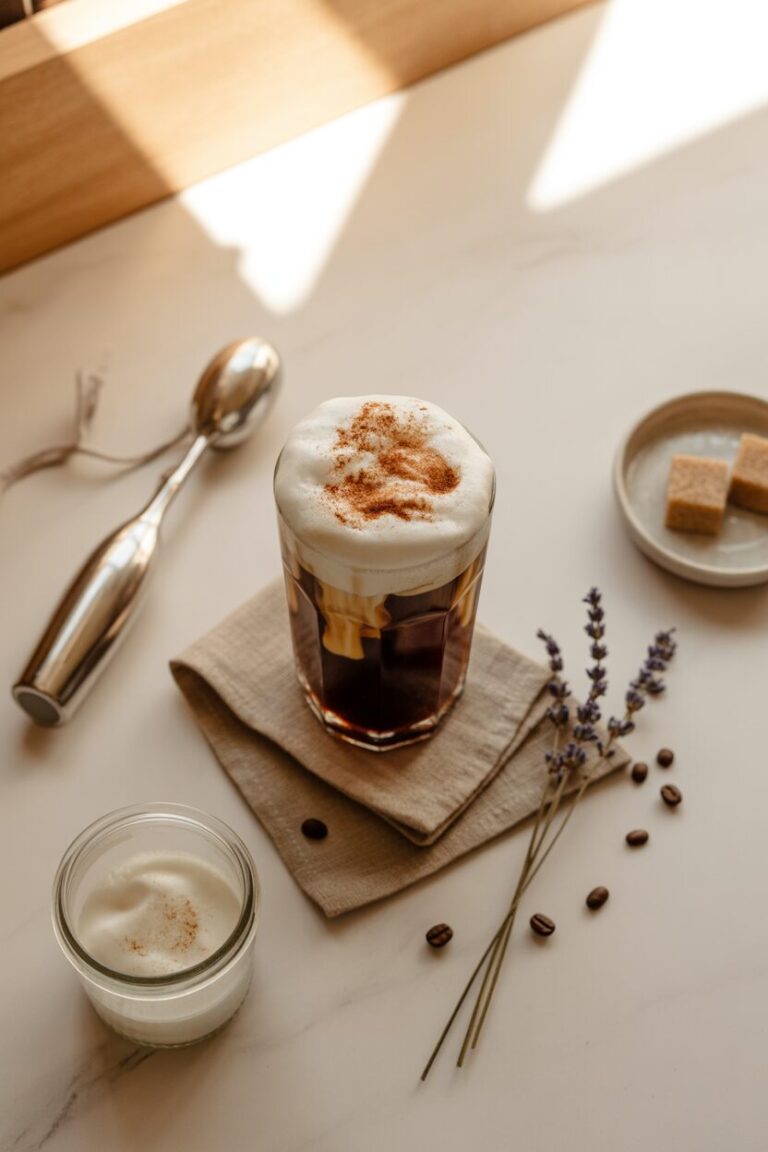
Steep a small pinch of culinary lavender in hot coffee for 2-3 minutes, strain it out, and add a teaspoon of honey. Lavender has this delicate floral note that makes coffee feel fancy. You can buy culinary lavender buds online—a little bag lasts forever because you only need a tiny amount.
If you’re into unique coffee flavor combinations, these homemade coffee syrups can be modified with low-calorie sweeteners to keep your drinks interesting.
Coffee Essentials That Make Low-Calorie Drinks Better
After making hundreds of these drinks, here’s what actually makes a difference in your coffee routine. These aren’t must-haves, but they definitely make the process easier and the results better.
Physical Tools Worth Having
Digital Resources That Actually Help
Making Low-Calorie Coffee a Habit
Here’s the truth: drinking low-calorie coffee only works if you can stick with it. And you’ll only stick with it if it doesn’t feel like a punishment. The biggest mistake people make is going too extreme too fast. If you’re used to a 300-calorie frappuccino, jumping straight to black coffee is setting yourself up to crack within a week.
Instead, gradually reduce the add-ins. Start by cutting your usual milk in half. Next week, swap regular milk for a lower-calorie alternative. The week after that, reduce your sweetener. Your taste buds adapt quickly—what tasted bland two weeks ago will taste normal once you’re not drowning everything in sugar.
I also recommend keeping your coffee station stocked with flavor options. Those sugar-free flavor extracts I mentioned earlier? They make it easy to create variety without calories. Monday might be vanilla almond milk, Tuesday could be cinnamon spice, Wednesday is hazelnut. Keeping things interesting prevents that “oh god not this again” feeling that kills most diet attempts.
If you’re someone who loves the ritual of making elaborate drinks, check out these latte recipes you can make without a machine—many work perfectly for low-calorie versions.
The Real Talk About Coffee and Weight Loss
Let me be clear: switching to low-calorie coffee drinks won’t magically melt pounds off. Coffee can support weight loss by boosting metabolism and reducing appetite, but it’s not a miracle worker. The main benefit is eliminating hundreds of empty calories from your daily intake.
That said, those calories add up. If you’re drinking two high-calorie coffee drinks per day at 300 calories each, that’s 600 calories daily—or 4,200 calories per week. Switch to 50-calorie alternatives, and you’re saving 3,500 calories weekly. That’s theoretically a pound of fat.
The metabolism boost from caffeine is real but modest. Studies suggest caffeine can increase metabolic rate by 3-11%, with larger effects in lean people compared to those who are obese. The effect is also stronger in younger people and decreases with regular caffeine consumption as you build tolerance.
For those focused on metabolism, these metabolism-boosting coffee recipes incorporate ingredients specifically chosen for their thermogenic properties.
Quick Win: Drink your coffee 30-60 minutes before working out. The caffeine boost can improve performance and increase fat burning during exercise. Just don’t do this if you work out late—evening caffeine can mess with your sleep.
Common Mistakes to Avoid
The first mistake? Artificial sweeteners in massive quantities. Yeah, they’re calorie-free, but dumping six packets of Splenda into your coffee isn’t exactly healthy either. If you need sweetness, use a small amount of real sugar (16 calories per teaspoon) or natural alternatives like stevia in moderation.
Second mistake: “low-fat” or “lite” versions of flavored creamers. These are often loaded with sugar to compensate for removed fat. Read labels. Many “light” creamers have as many calories as regular versions. Go for unsweetened alternatives instead.
Third: drinking coffee on an empty stomach and then wondering why you feel jittery and anxious. Coffee stimulates acid production. If you’re sensitive, have something small with your coffee—even just a handful of nuts. This also helps with sustained energy rather than a quick spike and crash.
Fourth: assuming all plant milks are low-calorie. Sweetened almond milk can have 60-80 calories per cup. Oat milk tends to be higher in calories than almond milk. Coconut milk from a can is very high in calories. Always check labels and go for unsweetened versions.
For beginners who want to experiment safely, these beginner-friendly coffee drinks are a great starting point before diving into calorie counting.
Building Your Coffee Strategy
What works for me is having a rotation of five drinks I actually enjoy. Monday through Friday, I cycle through them. Weekends, I let myself have something more indulgent but still reasonable—maybe a 150-calorie latte with real milk instead of the 50-calorie almond milk version.
Prep work matters too. I make cold brew concentrate on Sundays and keep it in a glass pitcher with a lid in the fridge. I portion out my protein powder into single-serving containers so I can just grab and blend in the morning. I pre-mix my own chai spice blend so dirty chais take thirty seconds to make.
The goal isn’t perfection. It’s finding a sustainable system that doesn’t make you feel deprived. Some days you’ll want a real mocha with whipped cream. Have it. Enjoy it. Then get back to your low-calorie routine the next day without guilt or drama.
Speaking of variety, these 25 homemade coffee recipes give you even more options to keep your rotation fresh and interesting.
Frequently Asked Questions
Can I drink low-calorie coffee while intermittent fasting?
Yes, black coffee and most low-calorie coffee drinks won’t break your fast as long as they’re under 50 calories. Black coffee, americanos, and cold brew are safe choices. However, adding protein powder or significant amounts of milk might trigger an insulin response and technically break your fast. If you’re strict about fasting, stick to black coffee or coffee with just a splash of unsweetened almond milk.
Will artificial sweeteners stall weight loss?
The research is mixed. Artificial sweeteners don’t contain calories, so they won’t directly prevent weight loss. However, some studies suggest they might increase cravings for sweet foods or affect gut bacteria. IMO, using a small amount is fine, but if you’re using six packets per cup, your palate is too accustomed to intense sweetness. Try gradually reducing the amount over time—your taste buds will adjust.
How much coffee is too much when trying to lose weight?
Most health experts recommend limiting caffeine to 400mg daily, which is about four 8-ounce cups of coffee. More than that can lead to jitters, anxiety, and sleep problems—all of which can actually make weight loss harder by increasing cortisol and disrupting recovery. Also, excessive coffee can suppress appetite to the point where you’re not eating enough protein and nutrients, which slows metabolism.
Are homemade low-calorie coffee drinks really cheaper than coffee shop versions?
Absolutely. A Starbucks latte costs around five bucks. Making the same drink at home with espresso and almond milk costs maybe seventy-five cents, even with decent quality ingredients. The upfront investment in a basic espresso maker or moka pot pays for itself in about three weeks if you’re a daily coffee shop visitor. Plus, you control exactly what goes into your drink.
Do I need expensive equipment to make good low-calorie coffee at home?
Not at all. A basic drip coffee maker or French press works perfectly for most of these recipes. The only thing I’d really recommend is a milk frother if you like creamy drinks—they’re usually under twenty bucks. Everything else is optional. I made low-calorie coffee for months with just a French press and a fifteen-dollar frother before upgrading any other equipment.
Final Thoughts
Low-calorie coffee doesn’t have to mean boring coffee. With the right ingredients and a little creativity, you can have drinks that taste just as good as the full-calorie versions. The key is finding what works for your taste preferences and your schedule.
Start with the drinks that sound most appealing to you. Maybe it’s the vanilla almond milk latte, or maybe you’re intrigued by the cardamom coffee. Experiment. Some of these will become regulars in your rotation, and others you’ll try once and never think about again. That’s totally fine.
The goal is sustainable enjoyment, not suffering through something you hate because it’s “healthy.” Life’s too short for bad coffee. But it’s also too short to waste 300 calories on a drink that doesn’t even fill you up. Find your middle ground, and you’ll actually stick with it.
Now go make yourself something good. You’ve got twenty options to choose from.