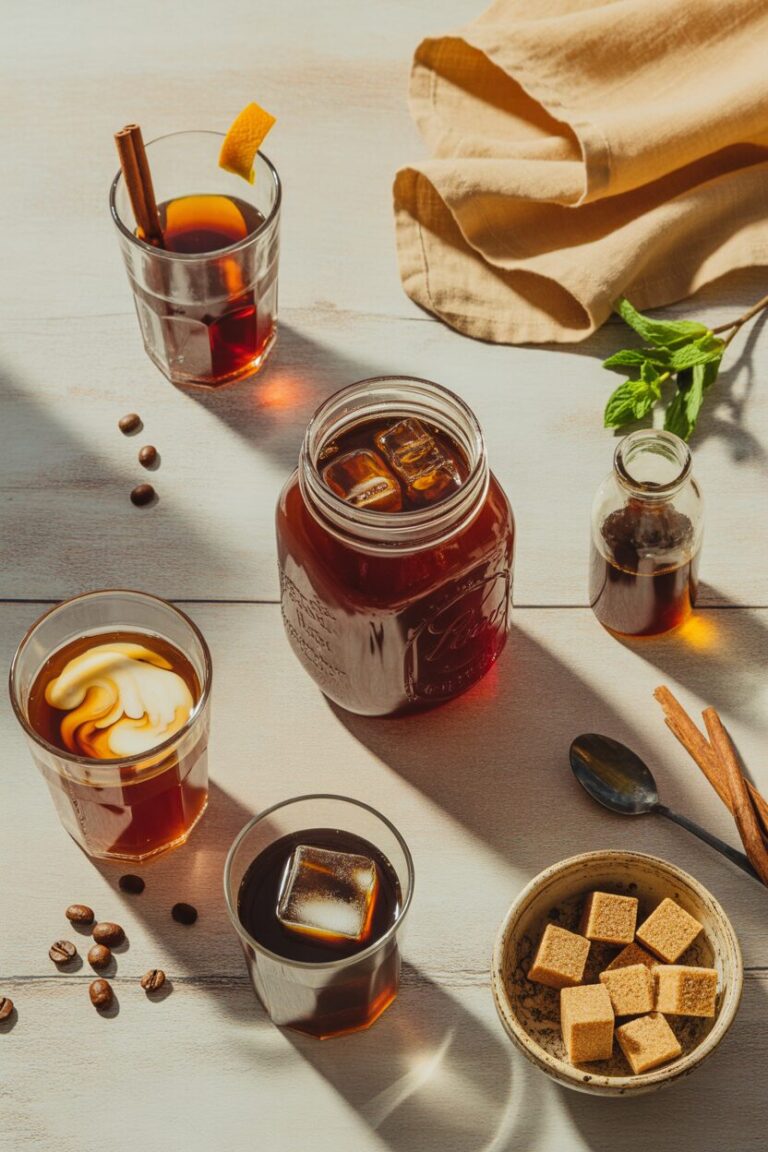
12 Tea Hacks to Upgrade Your Routine
Look, I get it. You’ve been drinking tea the same way since forever, and honestly? There’s comfort in that. But what if I told you there are some ridiculously simple tweaks that could turn your daily cup from “meh” to “holy cow, where has this been all my life?” I’m not talking about buying fancy equipment or spending a fortune on exotic leaves. These are practical, tested hacks that actually make a difference.
After years of experimenting (and yes, making some truly terrible brews along the way), I’ve nailed down exactly what separates a forgettable cup from one that makes you pause mid-sip. Whether you’re a green tea purist or a chai addict, these tricks work across the board.

1. Stop Boiling Your Water to Death
Here’s the thing nobody tells you: different teas need different temperatures, and if you’re using boiling water for everything, you’re basically torching half your tea’s potential. Green tea gets bitter and astringent when you dump 212°F water on it. Black tea can handle the heat, but delicate whites? They need gentler treatment.
I used to wonder why my green tea tasted like lawn clippings until someone finally explained this to me. Now I let the kettle cool for about 3-4 minutes after boiling before pouring over green or white tea. Game changer. According to research on brewing temperatures, optimal extraction of beneficial compounds occurs at specific temperatures for each tea type.
If you’re serious about this, grab a variable temperature electric kettle – it takes the guesswork out completely. But honestly, the cooling method works fine too.
Pro Tip: Green tea = 170-180°F, White tea = 160-170°F, Oolong = 180-190°F, Black tea = 200-212°F. Write it down, stick it on your fridge, thank me later.
2. The Ice Cube Trick Nobody’s Talking About
Want iced tea that doesn’t taste watered down? Here’s what you do: brew your tea double-strength, then pour it over ice. The melting ice dilutes it to perfect concentration. I learned this the hard way after serving what I can only describe as “vaguely tea-flavored water” to guests.
Even better? Make tea ice cubes. Brew a strong batch, freeze it in silicone ice cube trays, and use those instead of regular ice. Your iced tea stays intensely flavored from first sip to last. If you’re into cold brew variations, check out these cold brew coffee variations for summer – same principle applies to tea.
3. Timing Isn’t Just Suggestions
I used to be that person who’d forget about steeping tea and end up with something that tasted like punishment. Then I realized: over-steeping doesn’t make it stronger, it makes it bitter. There’s actual science behind this – Harvard research shows that brewing time significantly affects both flavor and health benefits.
Most teas need 3-5 minutes. Set a timer. Use your phone, use a cute kitchen timer, whatever works. Just stop guessing. The difference between a 3-minute steep and a 7-minute steep is the difference between enjoyable and undrinkable.
“I started timing my tea steeps and honestly thought it was overkill at first. Two weeks later, I can’t believe I ever drank that bitter mess I used to make. The difference is wild.” – Rachel K., community member
4. Pre-Warm Your Cup (Yes, Really)
This sounds bougie, but hear me out. Pouring hot tea into a cold cup drops the temperature immediately, affecting both taste and steeping if you’re doing it in-cup. I learned this from watching too many British tea tutorials, and they’re onto something.
Just pour some hot water into your mug while the tea’s brewing, swirl it around for 10 seconds, dump it out, then add your tea. Takes five extra seconds and keeps your drink at optimal temperature longer. Plus, it makes you feel fancy without actually being fancy.
Speaking of temperature tricks, those seeking calming beverages might appreciate these tea recipes to make you feel calm and focused – perfect companions to proper brewing technique.
5. The Paper Bag Storage Secret
Your tea is going stale. I’m sorry to be the one to tell you this, but if you’re keeping it in those tins that came with the tea, or worse, in clear containers on your counter, you’re losing flavor fast. Tea hates light, air, and moisture.
I keep my loose leaf tea in airtight opaque containers in a cool, dark cabinet. Some people use those fancy tea storage systems, which are great, but honestly? Clean, dry mason jars work perfectly fine too. Just keep them away from your spice rack – tea absorbs other flavors like nobody’s business.
Quick Win: Buy small quantities more frequently rather than bulk buying. Fresh tea beats perfectly stored old tea every single time.
6. Second Steep = Free Tea
Most quality loose leaf teas, especially oolongs and pu-erhs, can be steeped multiple times. FYI, this isn’t just being cheap (though I won’t lie, it’s a nice bonus). According to studies on tea resteeping, subsequent brews often reveal different flavor profiles and still contain beneficial compounds.
The second steep is often smoother and more nuanced than the first. Some people actually prefer it. Just add about 30 seconds to your steeping time with each reuse. I typically get 2-3 good steeps from most teas, sometimes more from higher-quality leaves.
Essential Tools That Actually Matter
You don’t need a lot of gear to level up your tea game, but these few items genuinely make a difference. I’ve tested way too many gadgets, and these are the ones that earned permanent counter space.
7. Water Quality Matters More Than You Think
Plot twist: your tap water might be sabotaging your tea. Heavily chlorinated or mineral-heavy water can completely change how your tea tastes. I moved apartments once and couldn’t figure out why my tea suddenly tasted off until I realized the new place had incredibly hard water.
You don’t necessarily need fancy bottled water, but filtered water makes a noticeable difference. I use a basic water filter pitcher and it’s night and day compared to straight tap. If your water tastes weird on its own, your tea will too – it’s that simple.
8. The Milk-First vs. Milk-After Debate (Settled)
Okay, this one’s controversial, but I’m going there. For black tea with milk: add milk after the tea has brewed and you’ve removed the tea bag or infuser. Adding milk before or during brewing prevents proper extraction and you end up with weak, sad tea.
The whole “milk first in the cup” thing comes from historical concerns about cracking fine china. Unless you’re using 200-year-old teacups, it doesn’t apply. Let your tea steep properly, then add milk if that’s your thing. And please, use warm milk if possible – cold milk tanks the temperature.
For those exploring dairy alternatives with tea, these vegan coffee creamer recipes work beautifully in tea too – just adjust the sweetness level.
9. The Honey Dipper Technique
If you sweeten your tea with honey (which, IMO, is the superior sweetener for tea), stop trying to drizzle it from the jar. Get yourself a proper honey dipper – those wooden stick things with grooves. The honey distributes more evenly and you use less overall because it actually dissolves instead of sitting in a blob at the bottom.
Stir it in while the tea’s still hot. Trying to dissolve honey in lukewarm tea is an exercise in frustration. Trust me, I’ve wasted too many minutes of my life stirring cold honey clumps.
Pro Tip: Different honeys pair better with different teas. Light, floral honeys (like acacia) work great with green and white teas. Darker honeys (like buckwheat) can stand up to robust black teas.
10. Room Temperature Reset
Here’s something weird that works: if you’ve been drinking tea from the fridge, let it come to room temperature for about 15 minutes before you heat it up. I know this sounds unnecessarily specific, but cold-to-hot creates uneven heating and can make previously good tea taste flat or metallic, especially in the microwave.
Better yet, brew fresh. But if you’re reheating, do it slowly on the stove or use gentle microwave intervals, stirring between each. And never, ever reboil tea – you’re basically making tea-flavored sadness at that point.
For more creative tea and beverage ideas, exploring coffee smoothies for breakfast might inspire some interesting tea-based smoothie experiments.
11. The Wet Leaf Smell Test
Want to know if your tea’s still good without wasting a cup? Smell the wet leaves after steeping. They should smell fresh, vibrant, and recognizably like tea. If they smell musty, flat, or like nothing at all, your tea’s past its prime no matter what the date says.
I do this with every new tea I try and whenever I’m wondering if something’s been in the cabinet too long. Your nose knows better than any expiration date. Good tea smells amazing when wet – if it doesn’t, it won’t taste good either.
12. The Ritual Matters
Last one, and it’s less hack, more mindset shift. Stop multitasking while making tea. I used to brew tea while checking emails, scrolling my phone, whatever. The tea always turned out mediocre.
Now? I take those 3-5 minutes to just… make tea. Watch the water, smell the leaves, time it properly. It’s weirdly meditative, and the tea consistently tastes better. Maybe it’s the attention to detail, maybe it’s the mental break making me appreciate it more. Either way, it works.
Research from Harvard’s Nutrition Source suggests that the ritual and mindfulness around tea consumption may enhance its stress-reducing benefits beyond the chemical compounds alone.
“I turned my morning tea into an actual ritual instead of just something I did on autopilot. Three months in and it’s become my favorite part of the day. Sounds cheesy but it’s true.” – Michael T., tea enthusiast
Want to expand your tea horizons? These herbal teas that help you sleep better pair perfectly with an evening tea ritual.
Bonus: Pairing Tea With Food
Since we’re upgrading everything, let’s talk pairings. Tea can be as complex as wine when it comes to food pairing, and getting it right elevates both the tea and whatever you’re eating. Green tea with light pastries or fish. Black tea with hearty breakfast foods or chocolate. Oolong with roasted meats or aged cheese.
I keep a tea pairing guide bookmarked on my phone for when I’m trying something new. But honestly, experimentation is half the fun. Just like you wouldn’t pair a delicate white wine with beef stew, don’t pair a subtle white tea with super spicy food – you’ll lose all the nuance.
For inspiration on creative pairings, check out these coffee and dessert pairings – the same principles apply to tea, and some combinations translate beautifully. You might also love these tea and biscuit pairings perfect for your afternoon for classic combinations that never disappoint.
Frequently Asked Questions
Does the type of teapot really make a difference?
Honestly? Yes and no. For everyday brewing, any clean pot that holds heat works fine. But certain materials do affect flavor – cast iron can change mineral content, while glass and ceramic are neutral. If you’re serious about specific tea types (especially pu-erh or oolong), dedicated clay pots can enhance flavor over time by absorbing and re-releasing subtle oils. For most people though, a good glass or ceramic teapot with a built-in infuser does everything you need.
How long does tea actually stay fresh?
Properly stored loose leaf tea stays good for 6-12 months, though some aged varieties (like pu-erh) improve with time. Tea bags deteriorate faster – use within 6 months for best flavor. The tea won’t “go bad” in a dangerous way, but it will lose flavor and beneficial compounds. If your tea smells musty or tastes flat, it’s time to replace it regardless of the date on the package.
Is loose leaf tea really better than bags?
Generally yes, but high-quality tea bags have gotten better. The main issue with bags is space – cramped leaves can’t expand fully, limiting flavor extraction. Loose leaf gives you whole, intact leaves that unfurl completely. That said, pyramid-style bags or sachets with room for expansion can produce excellent results. The real key is quality of the tea itself, not just the format.
Can I add tea to my morning smoothie?
Absolutely! Brew strong tea, let it cool completely, and use it as your liquid base. Matcha powder works even better – just blend it directly in. Green tea pairs well with tropical fruits, chai works with banana and dates, and earl grey goes beautifully with berries. Just account for the caffeine if you’re sensitive.
What’s the deal with tea and iron absorption?
Tea contains tannins that can reduce iron absorption from plant-based sources. If you’re vegetarian or anemic, avoid drinking tea with iron-rich meals – wait at least an hour before or after eating. Or pair your plant-based iron with vitamin C, which counteracts the tannin effect. It’s not a dealbreaker, just something to be aware of if iron levels are a concern for you.
Final Thoughts
Here’s the truth: you don’t need to implement all twelve of these hacks tomorrow. Start with one or two that resonate most – maybe it’s finally getting a timer, or upgrading your water quality, or just slowing down for five minutes to actually pay attention.
What matters is that you’re drinking tea you actually enjoy, not just going through the motions. These hacks exist to make that easier, not to add stress about doing everything “perfectly.” There’s no tea police coming to judge your brewing technique.
I’ve been on both ends of this – from barely paying attention to borderline obsessive about every detail. The sweet spot is somewhere in the middle: care enough to make it good, but not so much that it stops being enjoyable. That’s where the magic happens.
Now go make yourself a proper cup of tea. You’ve got the knowledge – time to put it to use.
Similar Posts
10 Coffee Spice Recipes (Cinnamon, Cardamom, Nutmeg)
10 Coffee Spice Recipes (Cinnamon, Cardamom, Nutmeg) 10 Coffee Spice Recipes (Cinnamon, Cardamom, Nutmeg) Look, I get it. Your morning coffee routine has become… predictable. Same beans, same brew, same yawn-inducing sip every single day. But what if I told you that your spice cabinet holds the secret to transforming that boring cup into something…
10 Frappé Recipes You Can Make in 5 Minutes
10 Frappé Recipes You Can Make in 5 Minutes 10 Frappé Recipes You Can Make in 5 Minutes Look, I get it. You’re standing in your kitchen at 7 AM, staring at your coffee maker like it owes you money, wondering if that $8 frappé from the coffee shop is really worth the detour and…
27 Cold Brew Recipes for Summer Parties
27 Cold Brew Recipes for Summer Parties | Plateful Life Plateful Life — Coffee & Drinks Summer Entertaining • Cold Brew • Party Drinks 27 Cold Brew Recipes for Summer Parties Everything from classic concentrates to boozy coffee cocktails your guests will talk about for the rest of the season. 27 Recipes Party-Ready Formats Make-Ahead…
10 Caffeine-Free Tea Recipes for Sensitive Stomachs
10 Caffeine-Free Tea Recipes for Sensitive Stomachs 10 Caffeine-Free Tea Recipes for Sensitive Stomachs Let’s be real—nothing ruins a perfectly good afternoon like that familiar rumble in your stomach, the one that tells you your digestive system isn’t exactly thrilled with your beverage choices. If you’ve got a sensitive stomach, you already know the drill:…
19 Cold Brew Recipes for Beginners
19 Cold Brew Recipes for Beginners | Plateful Life Plateful Life Cold Brew at Home 19 Cold Brew Recipes for Beginners No fancy equipment, no barista degree, just really good coffee waiting for you in the fridge every morning. 19 Recipes 5 min Active Prep Beginner Friendly Make Ahead All Week Cold brew changed my…
15 Herbal Teas That Help You Sleep Better
15 Herbal Teas That Help You Sleep Better – Plateful Life 15 Herbal Teas That Help You Sleep Better Look, I’m not going to sugarcoat it—tossing and turning all night while your brain replays that awkward conversation from 2014 is absolutely miserable. I’ve been there, staring at the ceiling at 3 AM, wondering if counting…