15 Easy Coffee Recipes for Beginners
Look, I get it. Walking into a specialty coffee shop and hearing someone order a “double-shot ristretto with oat milk and a dash of cardamom” can make you want to stick with instant forever. But here’s the thing—making really good coffee at home doesn’t require a PhD in bean science or a second mortgage for equipment.
I spent years thinking I was “bad at coffee” until I realized that most beginner recipes out there are either insanely complicated or assume you already own a $400 espresso machine. Neither approach helps when you’re standing in your kitchen at 6 AM with bleary eyes and basic gear. So I put together this collection of 15 recipes that actually work for people who are just starting out.
These aren’t watered-down versions of fancy drinks. They’re legitimately delicious recipes that happen to be beginner-friendly. You’ll use ingredients you can pronounce and tools you probably already have. And if you need to grab something new, I’ll point you toward affordable options that won’t gather dust after the novelty wears off.
Image Suggestion
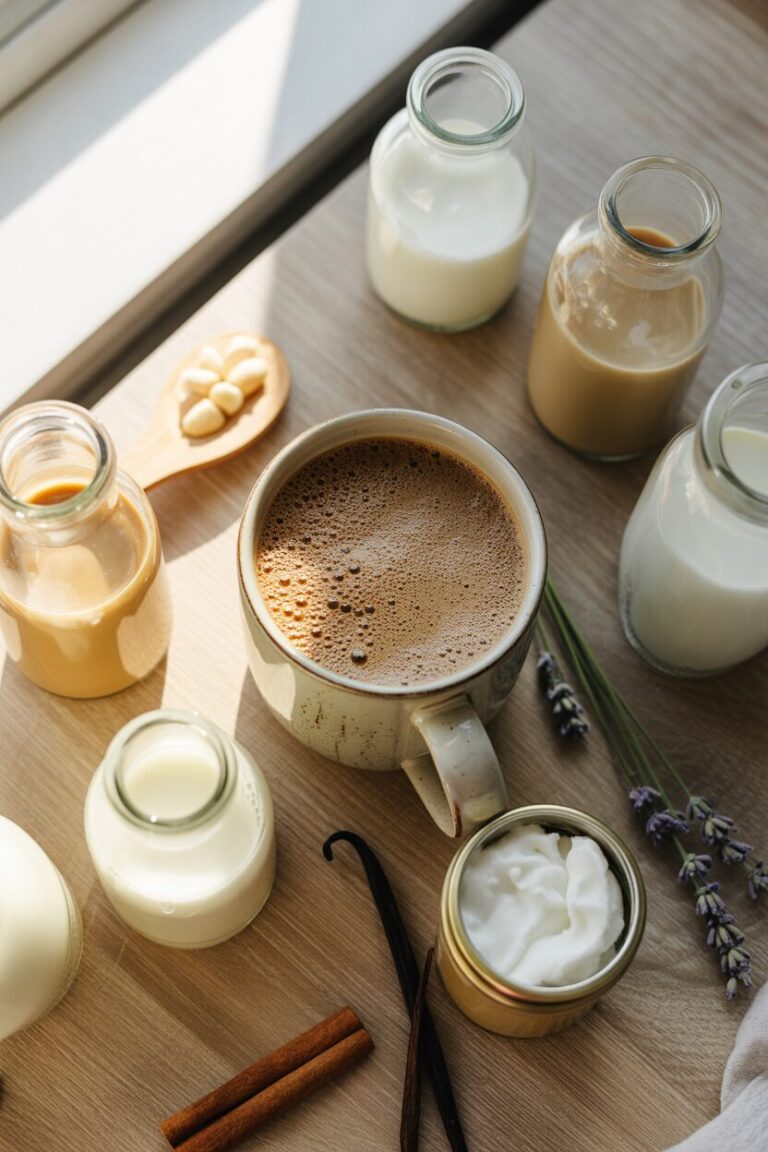
A warm, inviting overhead shot of a rustic wooden table bathed in soft morning light. The scene features a white ceramic mug filled with freshly brewed coffee, steam gently rising. Scattered around the mug are whole coffee beans, a vintage brass coffee scoop, and a small potted succulent. The lighting is natural and golden, creating cozy shadows. The wood grain is prominent and rich brown. A linen napkin in cream tones is casually placed to one side. The overall aesthetic is clean, Pinterest-ready, and approachable—not intimidating or overly styled. Color palette: warm browns, creamy whites, golden light.
Why These Recipes Work for Actual Beginners
Before we jump into the recipes, let me explain what makes these different from the usual “beginner” guides that still somehow require you to understand water temperature ratios and bloom times.
First off, every recipe here uses common ingredients. I’m not sending you to hunt down specialty syrups or exotic spices. Second, the equipment requirements are minimal—we’re talking basic French press, drip maker, or even just a mug and hot water for some of these. Third, I’ve included actual troubleshooting tips because recipes always gloss over what to do when things go sideways.
The National Coffee Association’s brewing guide covers the technical foundations pretty well if you want to geek out later, but for now, we’re keeping it practical. According to research from Harvard’s nutrition department, most of coffee’s health benefits come through regardless of brewing method, so don’t stress about achieving perfection.
Pro Tip
Buy whole beans and grind them right before brewing. It’s the single biggest upgrade you can make, and a decent burr grinder costs less than a week’s worth of café drinks. The difference in flavor is genuinely shocking.
The 15 Recipes You’ll Actually Make
1. Classic French Press Coffee
This is where most people should start. A French press is forgiving, doesn’t require filters, and produces rich, full-bodied coffee that tastes way more expensive than it is.
Here’s the dead-simple method: coarse-grind your beans (think sea salt texture), add them to the press, pour hot water that’s been off the boil for 30 seconds, stir once, wait four minutes, then press and pour. That’s it. People complicate this all the time, but it really works with these basics.
The common mistake? Grinding too fine. If your coffee tastes bitter and has sludge at the bottom, your grind is too small. Adjust and try again. Get Full Recipe.
2. Dead-Simple Cold Brew
Cold brew gets hyped because it’s smooth, low-acid, and basically impossible to screw up. You’re literally just soaking coffee grounds in cold water overnight.
Mix coarse-ground coffee with cold water in a jar (ratio: 1 cup grounds to 4 cups water), stick it in the fridge for 12-18 hours, then strain through a fine-mesh strainer or coffee filter. Store the concentrate in your fridge for up to two weeks. When you want coffee, mix it half-and-half with water or milk.
Speaking of cold coffee options, you might also love these iced coffee drinks that beat Starbucks or try some of the cold brew variations perfect for summer.
Quick Win
Make a big batch on Sunday night. Your weekday mornings just got infinitely easier, and cold brew concentrate is ridiculously versatile—add it to smoothies, use it in coffee desserts, or drink it straight over ice.
3. The Busy Person’s Pour-Over
Pour-over sounds intimidating but it’s genuinely just pouring hot water over grounds. You can get a Hario V60 dripper for about twenty bucks, and it sits right on your mug.
Put a filter in, add medium-ground coffee, slowly pour hot water in a circular motion, and let it drip through. Takes three minutes total. The coffee comes out clean and bright, highlighting whatever beans you’re using. It’s like French press’s lighter, more delicate cousin.
If you’re short on time in the mornings, check out these coffee drinks you can make in under 5 minutes. They’re lifesavers when you’re running late.
4. Instant Upgrade: Enhanced Instant Coffee
Sometimes you genuinely don’t have time or energy for anything fancy. That’s fine. But you can still make instant coffee not taste like sadness.
Mix your instant coffee with a tiny splash of cold water first (makes it dissolve better), add hot water or milk, then stir in a pinch of cinnamon or cocoa powder. The spices mask the flat instant flavor while adding actual depth. Also try using hot milk instead of water—the fat helps round out the taste.
FYI, I keep a jar of good instant around specifically for emergencies and coffee smoothies where you need the caffeine but don’t want to brew.
5. Foolproof Iced Latte
You don’t need an espresso machine for this. Brew very strong coffee (double your normal grounds), let it cool for a few minutes, then pour it over ice in a glass. Fill the rest with cold milk and add a touch of simple syrup if you want it sweet.
The key is the strong brew—regular-strength coffee gets watery when it hits the ice. Some people use coffee ice cubes made from frozen leftover coffee, which is honestly genius and prevents dilution entirely. Here are some unique coffee ice cube ideas if you want to get creative.
6. Cinnamon Coffee
Add a cinnamon stick to your grounds before brewing. That’s the whole recipe. The cinnamon infuses into the coffee as it brews, giving you this warm, slightly sweet flavor without adding any sugar or calories.
You can do the same thing with cardamom pods or vanilla beans if you’re feeling adventurous. This method works with any brewing style—drip, French press, pour-over, whatever. Get Full Recipe.
For more ideas on naturally flavoring your coffee, the creative coffee syrups collection has some great options you can make yourself.
7. Basic Cappuccino (No Machine Required)
Real talk: you can make decent foam without a fancy steamer. Heat milk in a small saucepan until it’s hot but not boiling. Pour it into a jar with a lid, seal tight, and shake vigorously for 30-60 seconds. You’ll get actual foam.
Brew strong coffee (or use leftover coffee—no judgment), pour it into a cup, then spoon the foam on top. The ratio is roughly equal parts coffee and milk, with a good layer of foam. Not identical to café cappuccino but close enough that you’ll feel fancy.
8. Honey Vanilla Latte
This one tastes expensive but costs pennies. Brew strong coffee, heat milk with a drizzle of honey and a few drops of vanilla extract, then combine. The honey dissolves into the warm milk and creates this really smooth sweetness that’s less aggressive than sugar.
If you want to explore more natural sweetener options, check out these healthy coffee recipes with nut milks and natural sweeteners. They’ve got tons of alternatives to regular sugar.
Pro Tip
Use a milk frother wand (the battery-powered ones cost about ten bucks) to mix the honey and vanilla into your milk. Creates perfect integration and some bonus foam. I use mine daily.
9. Mocha Made Simple
Mix a tablespoon of cocoa powder with a little hot water to make a paste, then stir that into your coffee along with milk and sugar. Boom—mocha. The cocoa paste step is important because adding powder directly to coffee creates clumps.
Want to elevate this? Use dark chocolate chips instead. Melt them in your hot coffee, add milk, and you’ve got a genuinely decadent drink. Get Full Recipe.
10. Vietnamese Iced Coffee
This is stupid easy and tastes like dessert. Brew very strong coffee (dark roast works best), add sweetened condensed milk while it’s hot, stir until combined, then pour over ice.
The ratio is about 2 tablespoons of condensed milk per cup of coffee, but adjust to taste. The condensed milk provides both sweetness and creaminess in one ingredient, which is why this works so well. If you want something similar but different, the 25 easy homemade coffee recipes has tons of options.
11. Pumpkin Spice Coffee (Actually Good Version)
Add actual pumpkin pie spice to your grounds before brewing—about 1/4 teaspoon per pot. Add a splash of vanilla to your milk. That’s genuinely all you need. No syrups, no complicated steps.
The spice blend already contains cinnamon, nutmeg, ginger, and cloves, so you get that full fall flavor without buying five separate spices. Works year-round despite what Starbucks wants you to believe.
12. Coconut Coffee
Swap regular milk or cream for coconut milk. That’s it—easiest recipe on this list. The coconut adds this subtle tropical sweetness and makes the coffee incredibly smooth.
Full-fat coconut milk from a can works better than the carton stuff because it’s richer and froths better if you’re trying to make foam. If you’re into plant-based options, these vegan coffee creamer recipes have a bunch more alternatives you can make yourself.
For what it’s worth, coconut milk is also naturally sweet, so you might not need any added sweetener. Try it black first and adjust from there.
13. Maple Cinnamon Latte
Heat milk with pure maple syrup and a cinnamon stick, let it steep for a few minutes, then mix with strong coffee. The maple gives you this earthy sweetness that pairs perfectly with coffee’s natural bitterness.
Use real maple syrup, not pancake syrup—there’s a huge difference in flavor. You only need about a tablespoon per cup, so the good stuff lasts a while. Get Full Recipe.
14. Salted Caramel Coffee
Make simple caramel by melting sugar in a small pan until it turns amber, carefully adding cream, then stirring in a pinch of sea salt. Add a spoonful to your coffee and you’ve got salted caramel that makes store-bought syrups taste like chemicals.
Or, if you’re not ready to make caramel from scratch (no shame—it’s finicky), just add a good caramel sauce and a tiny pinch of flaky sea salt to your coffee. The salt amplifies the caramel flavor like crazy.
15. Affogato-Style Coffee
This is technically a dessert but it’s coffee-based so it counts. Brew a shot of very strong coffee (or espresso if you have it), pour it over a scoop of vanilla ice cream, eat immediately with a spoon.
The hot coffee melts the ice cream into this incredible sauce situation. It’s ridiculously indulgent and takes about 90 seconds to make. Sometimes you need that. If you’re into coffee and dessert combinations, definitely check out the coffee and dessert pairings guide.
Kitchen Tools That Make Coffee Easier
You don’t need a lot of gear to make great coffee, but a few smart purchases make the whole process way less annoying. Here’s what I actually use:
Burr Coffee Grinder
Hands down the best upgrade for your coffee. Consistent grind size means consistent extraction and better flavor. The blade grinders create powder and chunks at the same time, which brews unevenly. Get a decent burr grinder and you’ll immediately taste the difference.
Digital Kitchen Scale
Measuring coffee by weight instead of volume gives you way more consistency. Plus you can use it for cooking and baking. I resisted this for years and regret waiting so long—recipes work better when your measurements are precise.
Airtight Coffee Canister
Coffee goes stale faster than you think. A good airtight container keeps beans fresh for weeks. Get one with a CO2 valve if you’re storing whole beans—they continue releasing gas after roasting and need to vent.
Electric Milk Frother
The handheld battery-powered ones cost about ten bucks and create actual microfoam. Great for lattes, cappuccinos, and mixing in sweeteners. Mine gets used literally every morning.
Insulated Travel Mug
If you’re making coffee at home to save money, you need something to actually transport it. Get one that seals properly and keeps things hot for hours. The cheap ones leak and lose heat—not worth the frustration.
Coffee Brewing Guide Poster
Having a visual reference on your wall helps you remember ratios and timing for different brewing methods. Sounds dorky but it’s genuinely useful when you’re half-asleep and trying to remember if French press is a 4-minute or 5-minute steep.
Common Mistakes Everyone Makes (And How to Fix Them)
Even with simple recipes, there are a few landmines that trip people up. Here’s what I see most often and how to avoid the frustration.
Using Boiling Water
Water straight off the boil is too hot and extracts bitter compounds from the coffee. Let your kettle sit for 30-45 seconds after boiling, or aim for about 195-205°F if you have a temperature-controlled kettle. The difference is subtle but noticeable.
Storing Coffee Wrong
Don’t keep coffee in the fridge or freezer—temperature fluctuations create condensation which ruins the beans. Room temperature in an airtight container away from light is perfect. Coffee starts losing freshness about two weeks after roasting, so buy smaller quantities more frequently if possible.
Wrong Grind Size
This is the number one issue. Too fine and your coffee is bitter and over-extracted. Too coarse and it’s weak and sour. Each brewing method needs a specific grind: French press uses coarse, drip uses medium, espresso uses fine. If your coffee tastes off, adjust your grind before blaming the beans.
Counter Culture Coffee has a really good breakdown of grind sizes for different methods if you want more detail.
Skipping the Bloom
For pour-over and drip methods, pour just enough water to wet all the grounds, wait 30 seconds, then continue pouring. This “bloom” lets CO2 escape and ensures even extraction. It sounds fussy but it’s a 30-second step that makes coffee taste noticeably better.
Pro Tip
Keep a small notebook with your coffee experiments—bean type, grind size, water ratio, brew time, and how it tasted. After a few weeks you’ll see patterns and know exactly what you like. I’ve been doing this for two years and it’s transformed my coffee game.
What to Drink When
Not every coffee works for every situation. Here’s when I reach for specific styles:
Early Morning (6-8 AM): French press or drip coffee. You want something straightforward and comforting, not fussy. Save the fancy drinks for when your brain is fully online.
Mid-Morning (9-11 AM): Pour-over or a latte. You’re awake enough to appreciate nuance now. This is prime time for trying new beans or experimenting with milk ratios.
Afternoon (1-3 PM): Iced coffee or cold brew. Something refreshing that won’t make you crash later. If you need sustained energy without jitters, check out these quick coffee drinks with 3 ingredients or less.
Evening (Post-Dinner): Affogato or a small cup of well-brewed coffee. Treat it like dessert—something to savor slowly, not chug for caffeine. Speaking of which, the coffee pairings with breakfast foods guide also works great for after-dinner situations if you’re having a late meal.
IMO, knowing when to drink what makes you enjoy coffee more. You’re matching the drink to your energy level and taste preferences at that specific time, which just makes sense.
Enhancing Your Coffee Experience Beyond the Basics
Once you’ve nailed these 15 recipes, there are endless directions you can go. Some people get into single-origin beans and start tasting notes like “blueberry” and “chocolate” (which sounds pretentious but is genuinely real). Others focus on perfecting milk foam or learning latte art.
If you want to explore different flavor profiles, the latte recipes you can make without a machine collection has tons of variations. Or if you’re more interested in health aspects, these healthy coffee recipes to boost your metabolism use ingredients that might actually benefit your health.
Research from Henry Ford Health shows that caffeine can increase metabolic rate and may support fat loss when consumed in moderate amounts. So that morning cup isn’t just about waking up—it might actually be supporting your health goals.
For colder months, the warm winter morning coffee drinks collection becomes essential. And if you’re trying to watch calories, these coffee drinks under 100 calories prove you don’t need to sacrifice flavor to keep things light.
Building Your Morning Routine Around Coffee
Coffee tastes better when it’s part of an intentional routine instead of something you frantically gulp while running out the door. I know that sounds very mindfulness-blog, but it’s true.
Try waking up 15 minutes earlier and actually enjoying the brewing process. Put on music or a podcast. Stand at the counter and smell the grounds. Watch the water drip through. It sounds simple but it shifts coffee from “caffeine delivery system” to “pleasant morning ritual.”
If you’re new to morning coffee habits, these coffee drinks for new brewers are specifically designed for people building their first coffee routines. They’re approachable and don’t require advanced skills or expensive equipment.
Some people pair coffee with specific breakfast foods to enhance both. The science actually supports this—certain flavors complement each other. If you’re curious about this, the coffee and snack pairings guide explores which foods work best with different coffee styles.
Frequently Asked Questions
What’s the best coffee for beginners to buy?
Start with medium roast whole beans from a local roaster or a reputable brand like Peet’s or Counter Culture. Medium roasts are forgiving—they’re not as finicky as light roasts and don’t have the burnt taste of dark roasts. Buy small bags (8-12 oz) until you figure out what you like. Whole beans stay fresh longer than pre-ground, and grinding fresh makes a noticeable difference in taste.
Do I really need to buy expensive equipment to make good coffee at home?
Absolutely not. A basic French press costs $20-30 and makes excellent coffee. Add a decent burr grinder for another $30-50 and you’re set for making better coffee than most cafés. The expensive stuff matters more for espresso, but for regular coffee, technique and fresh beans matter way more than gear. I made French press coffee for three years before buying anything fancier, and it was legitimately great.
How much coffee should I use per cup?
The standard ratio is 1:15 to 1:17 (coffee to water by weight). In practical terms, that’s about 2 tablespoons of ground coffee per 6 oz of water, or roughly 1/4 cup of whole beans per 12 oz cup. But honestly, just start with what tastes good to you and adjust from there. Too weak? Add more coffee. Too strong? Use less. Coffee isn’t chemistry—close enough works fine.
Why does my homemade coffee taste bitter?
Usually it’s one of three things: water too hot (let it cool 30-45 seconds after boiling), grind too fine (especially common with blade grinders), or brewing too long (French press should be 4 minutes max). Over-extraction pulls out bitter compounds. Try adjusting one variable at a time until it tastes better. Also make sure your coffee isn’t old—beans lose flavor and develop bitterness as they sit.
Can I make good coffee with a regular drip coffee maker?
Yes, definitely. Drip makers get dismissed by coffee snobs but they’re consistent and convenient. The key is using fresh beans, the right grind size (medium), and good water. Clean your machine regularly—old coffee oils build up and make everything taste stale. A cheap drip maker with fresh beans and proper technique beats a fancy espresso machine with stale pre-ground coffee every single time.
Final Thoughts: Just Start Somewhere
The coffee world can feel intimidating with all its terminology, equipment obsession, and people who claim they can taste “notes of bergamot and stone fruit.” But the truth is, making coffee you genuinely love is way more accessible than all that noise suggests.
Pick one recipe from this list. Make it tomorrow morning. Don’t stress about perfection—just see how it goes. If it’s not quite right, adjust something small and try again. Coffee brewing is one of those things that gets significantly better with just a little bit of practice.
You don’t need to become a coffee expert. You just need to figure out what you like and learn how to make it consistently. These 15 recipes give you that foundation. Everything else—the fancy gear, the exotic beans, the precise measurements—you can explore later if you want to. Or not. Making a simple cup of coffee that tastes good and starts your day right is a completely legitimate goal.
So grab some decent beans, pick your simplest brewing method, and make yourself something better than whatever you’re drinking now. That’s the whole point. The rest is just details.