20 Coffee and Tea Hacks to Save Money
Look, I get it. That daily café run is bleeding your wallet dry, and those fancy tea subscriptions aren’t exactly helping your budget either. But here’s the thing—you don’t have to sacrifice your caffeine ritual just to keep some cash in your pocket.
After years of experimenting in my own kitchen (and yes, wasting money on some truly questionable purchases along the way), I’ve figured out how to get that coffee shop quality without the coffee shop prices. We’re talking simple swaps, clever tricks, and a few game-changing tools that’ll make you wonder why you ever paid six bucks for a latte.
Buy Whole Beans and Grind at Home
This one’s a no-brainer once you do the math. Pre-ground coffee loses its flavor faster than you can say “overpriced,” which means you’re basically paying premium prices for stale disappointment. Whole beans stay fresh longer, taste better, and cost less per cup when you buy in bulk.
I picked up a decent burr grinder about three years ago, and honestly, it changed everything. The upfront cost stung a bit, but I’ve saved hundreds since then. You can control the grind size for different brewing methods, and fresh-ground coffee just hits different—studies from Johns Hopkins Medicine even suggest that the aromatic compounds in freshly ground coffee may enhance the antioxidant benefits.
Plus, there’s something weirdly satisfying about grinding your own beans. Maybe it’s the ritual, maybe it’s the smell, or maybe I just like pretending I’m a barista in my own kitchen at 6 AM.
Buy beans from local roasters on sale and freeze what you won’t use in two weeks—they’ll stay fresh for months.
Make Cold Brew Concentrate at Home
Cold brew from cafés costs an arm and a leg, but making it at home? Ridiculously cheap. You literally just combine coarse-ground coffee with cold water, let it sit overnight, and strain it in the morning. That’s it.
I use a large mason jar and a nut milk bag for straining—total investment was maybe ten bucks. The concentrate lasts up to two weeks in the fridge, and you can mix it with water, milk, or whatever else you’re into. One batch gives me enough for at least a week of drinks, all for the price of one overpriced café cold brew.
The best part? You can customize the strength. Like it mild? Add more water. Want rocket fuel? Use it straight. Get Full Recipe for the perfect cold brew ratio I’ve been using for years.
Speaking of cold brew, if you’re looking for more creative variations beyond the basic recipe, check out these 10 must-try cold brew variations for summer that’ll keep your mornings interesting without breaking the bank.
Invest in a Quality Reusable Filter
Paper filters seem cheap until you realize you’re buying them every month for the rest of your life. A reusable metal or cloth filter costs about the same as two months’ worth of paper filters, but it’ll last for years.
I switched to a metal filter for my pour-over setup, and yeah, it lets through a bit more coffee oils, which some people don’t like. But IMO, that’s where all the flavor lives. Plus, no more panicking when you realize you’re out of filters at 5:30 AM on a Monday.
The environmental angle is nice too, but let’s be real—I’m mostly here for the cost savings and the convenience.
Buy Tea in Bulk from Specialty Shops
Those cute little tea bags at the grocery store? You’re paying for packaging, not quality. Hit up a local tea shop or order online in bulk, and you’ll get better tea for way less money. I’m talking maybe $15 for enough loose leaf to make 50+ cups versus $5 for 20 bags of mediocre grocery store stuff.
You’ll need a basic tea infuser or a teapot with a built-in strainer, but again, one-time purchase that pays for itself fast. Research from Harvard’s School of Public Health shows that loose leaf tea often contains higher concentrations of beneficial polyphenols than pre-bagged varieties.
Join loyalty programs at tea shops—they often give you discounts or free samples. Free tea = best tea.
Make Your Own Flavored Syrups
Coffee shop syrups are absurdly marked up. A bottle that costs them maybe two bucks to make gets sold to you for eight. But you can whip up vanilla, caramel, or hazelnut syrup at home with just sugar, water, and some extract or flavoring.
I keep a few jars in my fridge at all times. Simple syrup takes literally five minutes to make—you just heat equal parts sugar and water until the sugar dissolves, then add whatever flavoring you want. Get Full Recipe for my go-to vanilla bean syrup that tastes way better than anything you’ll buy.
For more inspiration, these creative coffee syrup ideas have helped me avoid the café upcharge for months now.
Use a French Press Instead of a Machine
French presses are cheap, they make great coffee, and they don’t require electricity or filters. Plus, they’re basically indestructible. I’ve had mine for about six years now, and it still works perfectly.
The only downside is the cleanup takes an extra minute or two, but that’s a small price to pay for coffee that tastes better than anything from a drip machine. And if you’re traveling or camping, a French press is your best friend.
Reuse Coffee Grounds for a Second Brew
Okay, hear me out. Yes, the second brew will be weaker. But if you’re making iced coffee or adding lots of milk anyway, who cares? I’ve gotten into the habit of using my grounds twice—first brew for hot coffee, second brew goes into ice cube trays for later.
You can also use spent grounds as compost, body scrub, or even a natural cleaner. I’m not suggesting you turn into a coffee ground hoarder, but there’s no reason to toss them after one use when they’ve still got some life left.
FYI, some people swear by this method, others think I’m insane. Your mileage may vary.
Skip the Café and Make Lattes at Home
You don’t need a $500 espresso machine to make decent lattes. A handheld milk frother costs about fifteen bucks and works surprisingly well. Heat your milk, froth it, pour it over strong coffee or espresso, and boom—latte.
Is it exactly like what you’d get at a café? No. Is it close enough that you won’t miss paying $5.50 every morning? Absolutely. I’ve been making my own lattes for two years now, and I’ve probably saved close to $3,000. That’s not an exaggeration—I did the math once and felt both proud and slightly horrified.
If you want to get fancy, these latte recipes you can make without a machine will keep your mornings interesting without requiring any expensive equipment.
For more quick and affordable coffee ideas, I’ve also put together a collection of coffee drinks you can make with 3 ingredients or less—perfect for busy mornings when you don’t have time to mess around.
Brew Tea Multiple Times
Quality loose leaf tea can be steeped two, three, sometimes even four times before it’s truly spent. Each steeping brings out different flavors, and some teas actually taste better on the second or third round.
I started doing this with oolong and green teas, and now I feel like I’m wasting money if I toss the leaves after just one steep. Just keep the used leaves in your infuser or pot, add fresh hot water, and steep again. The flavor will be lighter, but it’s still good—and free.
If you’re curious about which teas work best for multiple steeping sessions, check out these calming tea recipes that are worth savoring slowly.
Make Iced Coffee with Leftover Coffee
Leftover coffee from this morning? Don’t dump it. Pour it into ice cube trays and freeze it. Later, when you want iced coffee, use the coffee cubes instead of regular ice so your drink doesn’t get watered down.
This hack alone has saved me from wasting so much coffee. Plus, you can add the cubes to smoothies or milkshakes for an extra caffeine kick. I throw them in these coffee smoothie recipes all the time.
Tools & Essentials That’ll Save You Money
After years of trial and error, these are the products that have genuinely made a difference in my daily coffee and tea routine. No fluff, just stuff that works.
Burr Coffee Grinder
Forget blade grinders—they’re inconsistent and loud. A burr grinder gives you even grounds every time, which means better extraction and better flavor. I use mine daily and it’s still going strong after three years.
Insulated Travel Tumbler
Keeps coffee hot for hours, saves you from buying multiple cups throughout the day, and most cafés will give you a discount if you bring your own cup. Mine paid for itself in about two weeks.
Electric Kettle with Temperature Control
Different teas need different temperatures. Green tea at boiling water tastes bitter and awful. This kettle lets you dial in the exact temp, which means no more wasted tea. Also heats water way faster than a stovetop.
Budget Coffee & Tea Tracking Spreadsheet (Digital)
Sounds nerdy, but tracking what you spend versus what you save is super motivating. This spreadsheet template makes it easy to see how much you’re actually saving by brewing at home.
DIY Syrup Recipe eBook (Digital)
Fifty different syrup recipes for coffee and tea, from basic vanilla to weird stuff like lavender honey. I’ve tried maybe half of them and haven’t bought flavored syrup in over a year.
Home Barista Video Course (Digital)
If you’re serious about upping your at-home coffee game, this course is worth it. Covers everything from proper extraction to latte art. I’m still terrible at latte art, but my coffee tastes way better now.
Dilute Strong Tea with Hot Water
If you over-steep your tea or it comes out too strong, don’t throw it out—just add hot water. This is literally how they serve tea in many Asian countries anyway. You get the full flavor without the bitterness, and you can stretch one tea bag or serving of leaves into multiple cups.
I do this all the time with black tea. Brew it strong, then dilute to taste. It’s basically the same principle as cold brew concentrate for coffee, just applied to tea.
Buy Off-Brand Coffee That Tastes Good
Brand loyalty is expensive. I’ve done blind taste tests with friends, and honestly, some grocery store brands taste just as good as the expensive stuff. Costco’s coffee, for example, is shockingly decent and costs way less per pound than most specialty brands.
Do a little experimenting to find your go-to affordable brand, then stock up when it’s on sale. I rotate through a couple different ones depending on what’s available, and I haven’t noticed a significant drop in quality.
That said, I still treat myself to fancy beans occasionally—life’s too short to be a complete cheapskate about everything.
Make Sun Tea Instead of Hot Tea
Sun tea is free energy, people. You literally just put tea bags in a jar of water, leave it in the sun for a few hours, and boom—iced tea. No boiling water, no electricity, no fuss.
I use a big glass jar and make a gallon at a time during summer. It’s gentle on the tea leaves, so you get a smoother flavor without any bitterness. Plus, it feels like a fun little science experiment every time.
Just make sure to refrigerate it after it’s done and drink it within a day or two. Food safety and all that.
Use Less Coffee Per Brew
Most of us use way more coffee than we actually need. The standard recommendation is about two tablespoons per six ounces of water, but you can often get away with less without sacrificing much flavor.
I started measuring my coffee grounds instead of just eyeballing it, and I realized I was using about 30% more than necessary. Cutting back didn’t make my coffee taste worse—I just had to adjust my expectations a bit. And my coffee supply started lasting way longer.
If you’re trying to stretch your beans further, these quick 5-minute coffee recipes are designed to maximize flavor without wasting grounds.
Start with less coffee than you think you need, then gradually add more until you hit your sweet spot. You might be surprised how little you actually need.
Skip Specialty Milks and Use Regular Milk
Oat milk, almond milk, macadamia milk—they’re all trendy and expensive. Regular whole milk or even 2% tastes great in coffee and costs a fraction of the price. If you’re lactose intolerant or vegan, that’s a different story, but if you’re just buying alternative milks because it seems fancy, you’re wasting money.
That said, if you do prefer plant-based options, making your own is way cheaper. I’ve made homemade vegan coffee creamers before, and while it takes a bit of effort, the savings add up.
Batch Brew and Refrigerate
Brew a big batch of coffee or tea in the morning, refrigerate it, and reheat portions throughout the day (or drink it cold). This works especially well if you’re working from home or have access to a microwave.
I know some coffee snobs will say reheated coffee tastes terrible, and yeah, it’s not quite as good as fresh. But it’s still coffee, and it’s free coffee since you already made it. Waste not, want not.
For ideas on what to do with batch-brewed coffee, these easy homemade coffee recipes are perfect for using up whatever you’ve got in the fridge.
Shop Sales and Stock Up
This one’s obvious but worth repeating: buy coffee and tea when they’re on sale and stock up. Whole beans stay fresh for months if stored properly (airtight container, cool dark place, or even the freezer). Tea lasts even longer.
I keep an eye on sale flyers and stock up whenever my favorite brands drop in price. It requires a bit of upfront cash, but the long-term savings are real. Plus, you never run out at inconvenient times.
Experiment with Cheaper Coffee-Tea Blends
Mixing coffee with tea sounds weird, but it’s actually a thing in some cultures, and it can help stretch both your coffee and tea supplies. A little bit of strong tea mixed with coffee gives you extra caffeine and a unique flavor without using as much coffee.
I’ve tried it a few times with chai tea and coffee, and it’s… not terrible? Some people love it, some people think it’s an abomination. Worth trying at least once if you’re adventurous and want to make your stash last longer.
Cancel That Coffee Subscription
Subscription services are convenient, but they’re also expensive. If you’re paying $20-$30 a month for a coffee or tea subscription, you’re probably overpaying for the convenience of not having to think about it.
I canceled mine last year and started just buying beans from local roasters when I needed them. Saved me at least $200 over the course of the year, and honestly, I liked having more control over what I was drinking.
If you love variety and don’t want to give up the subscription vibe entirely, rotate through different brands from the grocery store or order sampler packs occasionally. You’ll still get variety without the monthly recurring charge.
Looking for more ways to upgrade your at-home coffee game? These iced coffee recipes better than Starbucks and healthy coffee recipes with natural sweeteners will keep things interesting without requiring expensive ingredients.
Make Your Own Coffee Ice Cream or Desserts
Instead of buying expensive coffee-flavored desserts, make your own using leftover coffee. Coffee ice cream, tiramisu, coffee cake—all of these can be made at home for a fraction of what you’d pay at a bakery or ice cream shop.
I use leftover coffee in ice cream maker recipes, and it’s honestly better than most store-bought versions. Plus, you can control the sweetness and intensity. If you’re into baking, these coffee dessert pairings are worth checking out.
Frequently Asked Questions
How much money can I realistically save by making coffee at home instead of buying it?
If you’re currently buying a $5 coffee every weekday, that’s about $1,300 a year. Making coffee at home typically costs $0.50-$1.00 per cup depending on the beans you buy, which means you could save upwards of $1,000 annually. The savings are even more dramatic if you’re buying specialty drinks like lattes or cold brews.
Does freezing coffee beans actually keep them fresh?
Yes, freezing whole beans in an airtight container can preserve freshness for several months. The key is to only freeze what you won’t use within two weeks and to avoid repeatedly thawing and refreezing. Studies show that proper storage maintains the beneficial antioxidant compounds in coffee longer than leaving beans at room temperature.
Is it worth investing in expensive coffee equipment if I’m trying to save money?
It depends on your current spending habits. A good burr grinder or French press might cost $30-$100 upfront, but if you’re spending $5+ daily at cafés, these tools pay for themselves in a few weeks. Focus on versatile, durable equipment rather than trendy gadgets that only do one thing.
Can I really brew tea leaves multiple times without losing all the flavor?
Absolutely. High-quality loose leaf teas, especially oolong and pu-erh varieties, can be steeped three to four times. Each infusion brings out different flavor notes. Research from Harvard Health suggests that multiple steepings still provide beneficial polyphenols, though in decreasing concentrations.
What’s the cheapest way to make lattes at home without an espresso machine?
Use a French press or Moka pot to make strong coffee, then froth milk with a handheld frother (around $15). Heat your milk first, froth it until it doubles in volume, then pour it over your coffee. It won’t be identical to a café latte, but it’ll cost you less than a dollar per drink versus $5+ at coffee shops.
Final Thoughts
Look, I’m not going to pretend that making coffee and tea at home is always as convenient as stopping by your favorite café. Sometimes you just want someone else to make your drink while you zone out and scroll through your phone. I get it.
But once you get into the rhythm of brewing at home, it becomes second nature. You’ll start noticing how much extra money you have at the end of the month. You’ll get weirdly particular about your grind size and water temperature. You might even start judging café coffee for not being as good as what you make yourself (guilty).
The hacks I’ve shared here aren’t revolutionary or complicated. They’re just simple, practical ways to get quality coffee and tea without paying café prices. Try a few, see what works for your routine, and adjust from there. Your wallet will thank you, and honestly, your coffee might taste better too.
Similar Posts
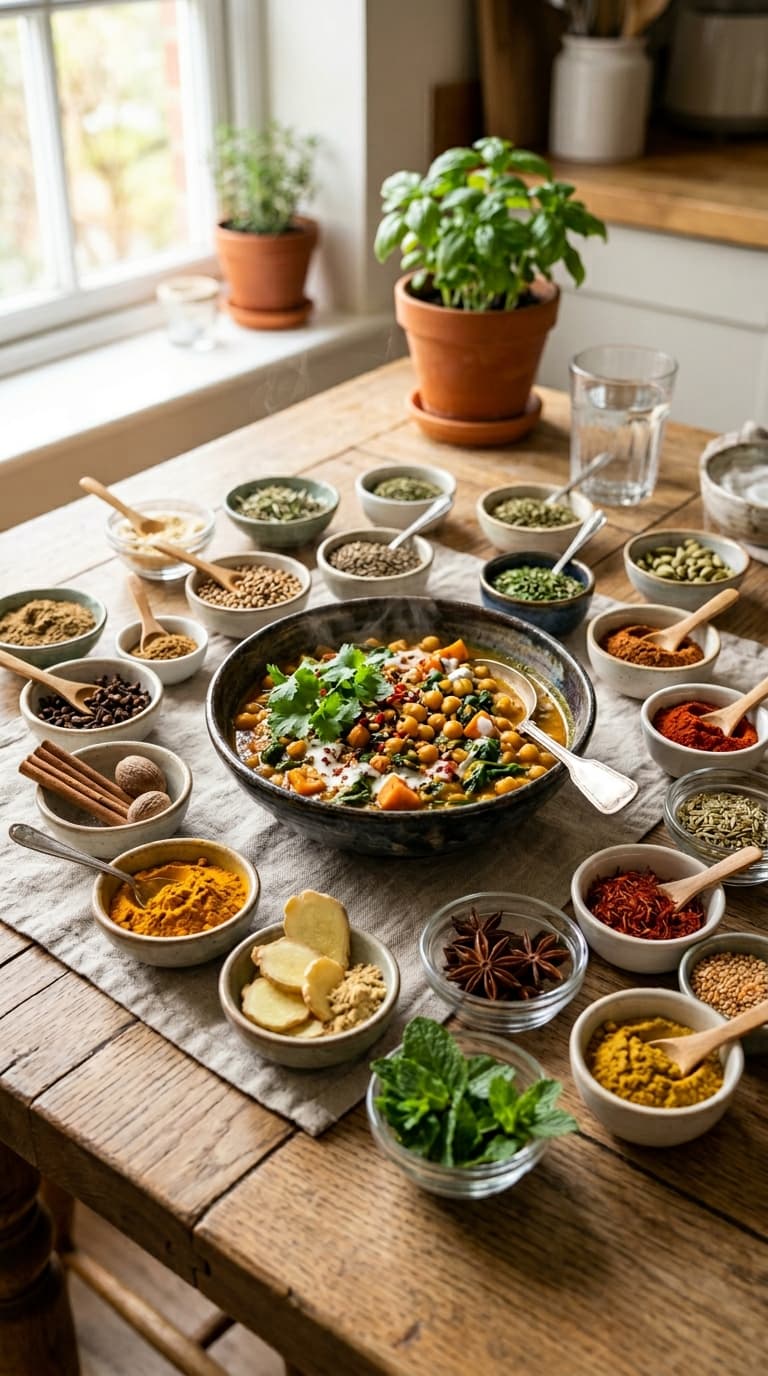
23 Anti-Inflammatory Spices That Actually Work
23 Anti-Inflammatory Spices That Actually Work Your joints are screaming, your energy is tanking, and somewhere between your third cup of coffee and your fifth Google search, you stumbled across the phrase “anti-inflammatory.” Sound familiar? Yeah, I’ve been there too. The good news is that your spice rack might already be holding some seriously powerful…
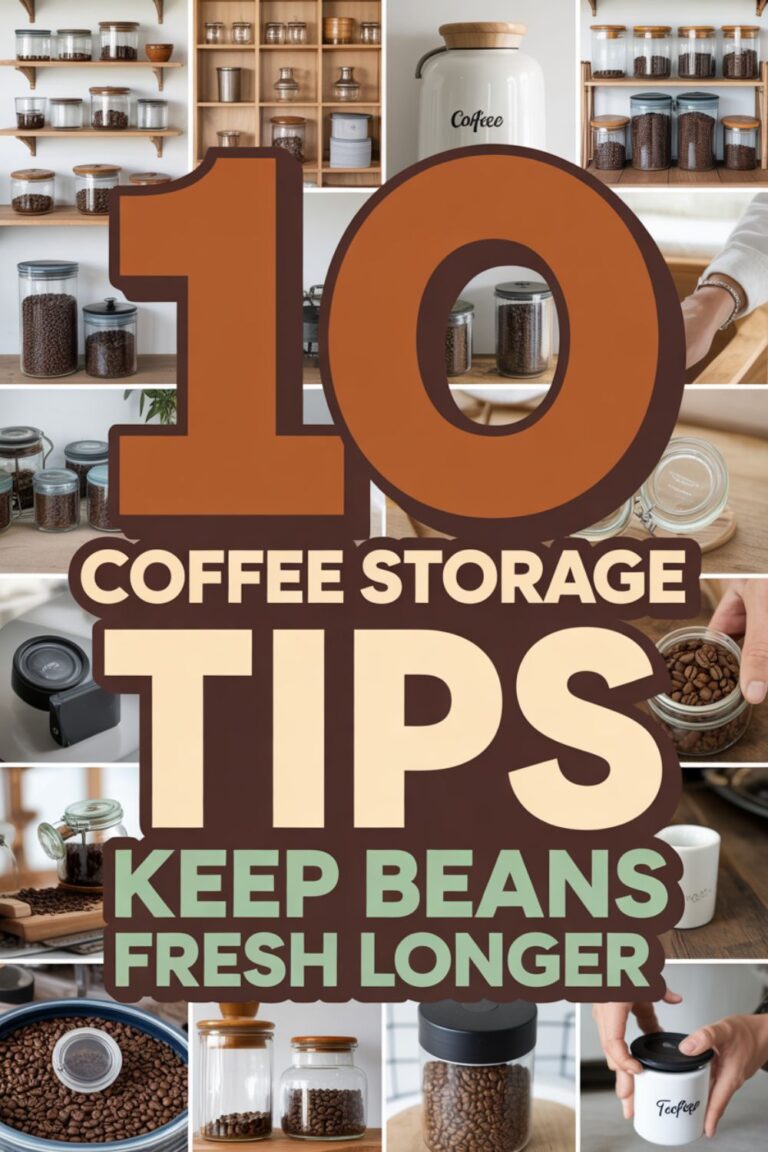
10 Coffee Storage Tips to Keep Beans Fresh Longer
10 Coffee Storage Tips to Keep Beans Fresh Longer 10 Coffee Storage Tips to Keep Beans Fresh Longer You know that moment when you crack open a fresh bag of coffee beans and get hit with that intoxicating aroma? Yeah, I live for that. But here’s the thing—most of us are unknowingly murdering our beans’…
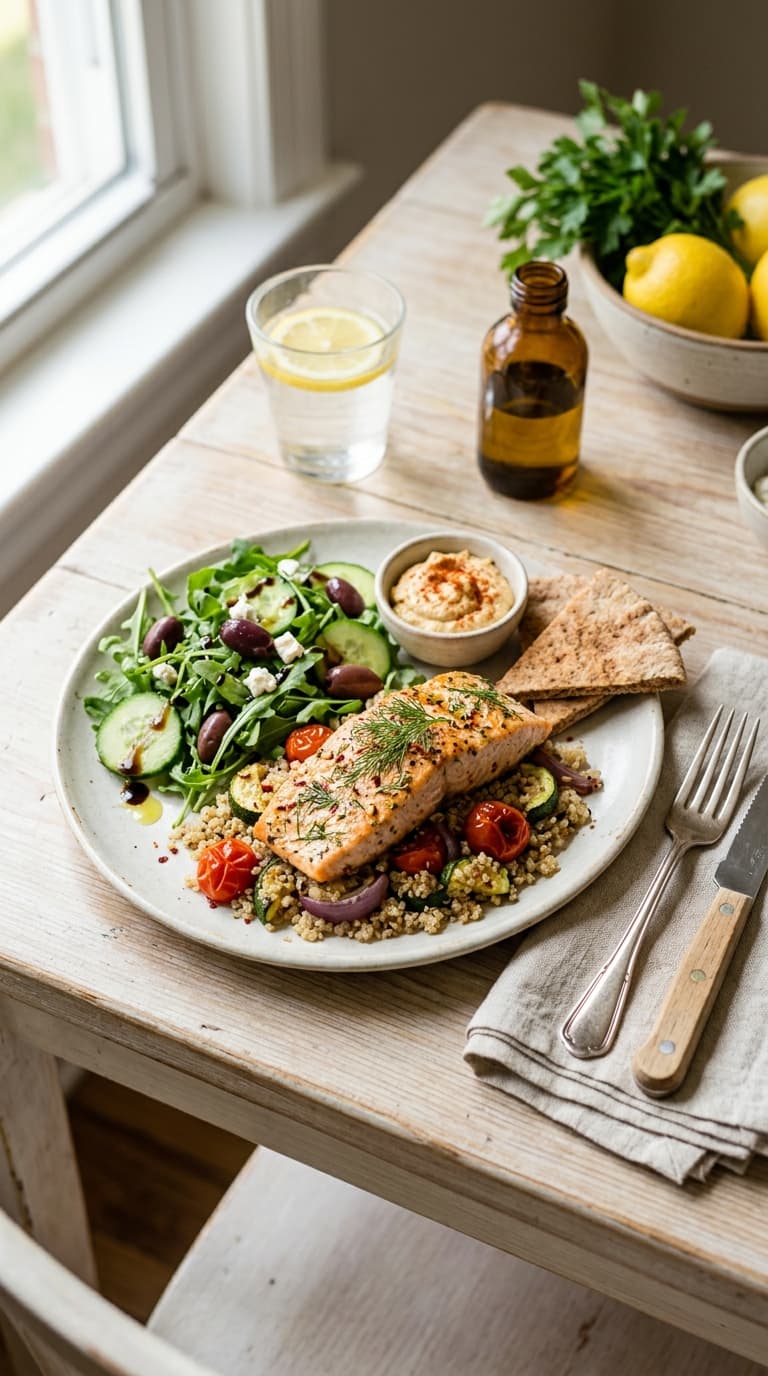
21 Day Anti-Inflammatory Mediterranean Diet Meal Plan
21 Day Anti-Inflammatory Mediterranean Diet Meal Plan So you’ve heard the buzz about the Mediterranean diet, and now you’re wondering if it actually lives up to the hype. Spoiler: it does. I started this journey after dealing with chronic joint pain and low energy that no amount of coffee could fix — and trust me,…
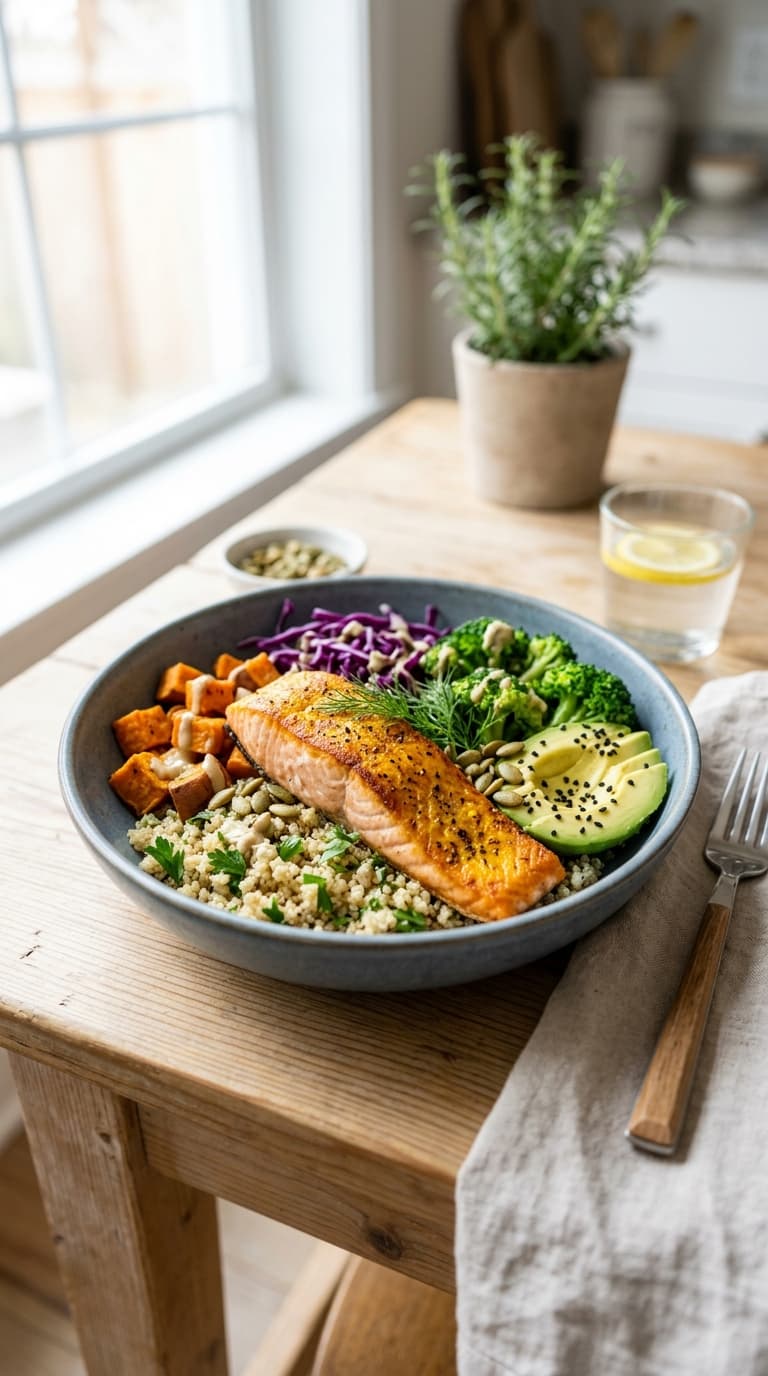
14 Day Anti-Inflammatory Meal Plan for Autoimmune Conditions
14 Day Anti-Inflammatory Meal Plan for Autoimmune Conditions If your immune system has basically decided to wage war on your own body — welcome to the club nobody asked to join. Living with an autoimmune condition is exhausting, confusing, and honestly a little unfair. But here’s something that actually helps: what you eat matters more…
7 Day Anti-Inflammatory Meal Plan for Skin Health and Acne
7 Day Anti-Inflammatory Meal Plan for Skin Health and Acne Your skin has been throwing a tantrum lately, and honestly? Same. Breakouts, redness, uneven texture — it feels like your face is staging a protest you never signed up for. But here’s the thing most people miss: what you eat directly affects what shows up…
21 Iced Coffee Recipes for Spring Mornings
21 Iced Coffee Recipes for Spring Mornings | Plateful Life Spring Coffee Series 21 Iced Coffee Recipes for Spring Mornings Barista-level drinks you can make at home — no line, no upcharge, no judgment for ordering a fifth one. Spring mornings hit differently. The air is lighter, the light comes in softer, and suddenly your…