20 Tea Time Traditions You Can Start Today
Look, I get it. You’re probably thinking tea time is one of those fancy British things that requires doilies, tiny sandwiches, and a butler named Geoffrey. But here’s the thing—tea traditions from around the world are way more accessible and honestly more interesting than you might think.
I started my own tea ritual about three years ago when I was drowning in coffee and couldn’t remember the last time I actually sat down for five minutes without scrolling through something. Now? Tea time is my non-negotiable anchor in an otherwise chaotic day. And honestly, it’s changed how I experience everything from my mornings to my late-night wind-downs.
What I love about tea traditions is that they’re not prescriptive. You don’t need expensive equipment or a PhD in tea ceremonies. You just need hot water, some leaves, and the willingness to slow down for a few minutes. Whether you’re looking to add some structure to your day, connect with cultural practices that span thousands of years, or simply find a better alternative to your fifth cup of coffee, these 20 traditions have something for everyone.
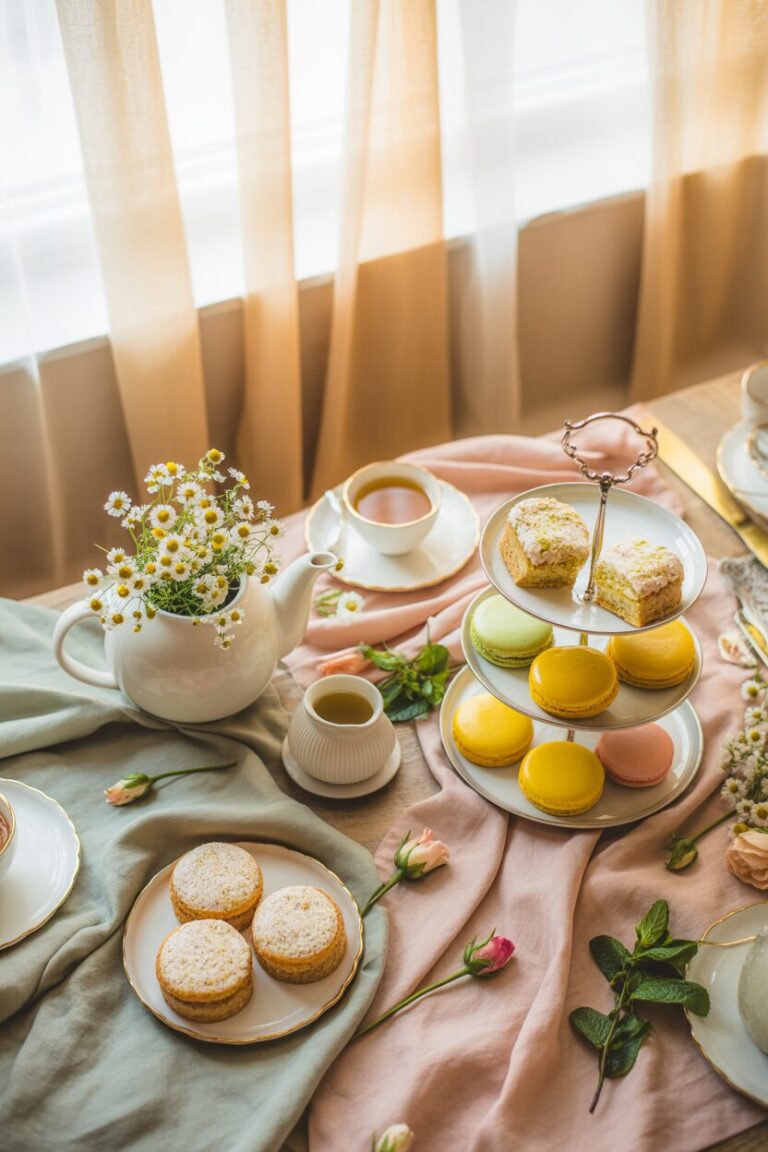
Overhead shot of a beautifully arranged tea time spread on a rustic wooden table with warm, golden-hour natural lighting. The scene includes a vintage ceramic teapot in sage green or cream, delicate porcelain teacups with floral patterns, a small wooden tray with loose tea leaves, honey in a glass jar with a wooden dipper, fresh lemon slices, and scattered chamomile flowers. Soft shadows cast across the table, creating depth. The color palette features warm creams, soft golds, earthy browns, and pops of green from fresh mint leaves. Composition styled for Pinterest with copy space in the upper third. Shallow depth of field focusing on the main teacup, with background elements softly blurred. Cozy, inviting, minimalist-luxe aesthetic.
1. The Japanese Morning Matcha Ritual
Starting your day with matcha isn’t just about caffeine—it’s about intention. The Japanese tea ceremony emphasizes mindfulness and respect, principles that honestly sound pretentious until you actually try incorporating them into your morning.
I whisk my matcha every morning while my brain is still half-asleep, and there’s something about the physical act of whisking that gets me present faster than any meditation app ever has. You don’t need the full ceremonial setup. Just grab a bamboo whisk and a bowl, and spend three minutes making something beautiful.
2. British Afternoon Tea (The Simplified Version)
Forget everything you think you know about British afternoon tea. You don’t need a three-tiered stand or scones that require a YouTube tutorial. The actual tradition is just about pausing your day around 3-4 PM for tea and something small to eat.
I do this with whatever black tea I have on hand and literally anything carby—crackers, a cookie, yesterday’s muffin. The point isn’t elegance; it’s the pause. Research suggests that regular tea consumption may reduce risks of cardiovascular disease, but more importantly for my sanity, it creates a built-in break that prevents the 4 PM crash-and-burn.
Speaking of creative tea rituals, you might want to explore these calming tea blends that work perfectly for an afternoon wind-down.
3. Moroccan Mint Tea Service
Moroccan tea service is basically performance art. The high pour from an ornate teapot isn’t just showing off—it aerates the tea and creates that perfect foam on top. And honestly? It’s fun as hell once you get the hang of it.
The traditional recipe is simple: green tea, fresh mint, and way more sugar than seems reasonable. I cut the sugar in half because I’m not trying to vibrate through the ceiling, but the mint-to-tea ratio is non-negotiable. You want that cooling, almost medicinal mint flavor that makes you forget you’re drinking something hot.
If you’re going to attempt the traditional pour, invest in a Moroccan tea set with the characteristic tall pot. The height actually matters for the technique, and the whole thing costs less than you’d spend on takeout coffee in a week.
4. Chinese Gongfu Tea Ceremony
This one sounds intimidating, but it’s actually the most forgiving tradition on this list. Gongfu brewing is all about multiple short steeps with the same leaves, and each steep reveals different flavor notes. It’s like the tea equivalent of those wine tastings where people talk about “notes of cherry” except this actually makes sense.
You’ll need a small gaiwan (a lidded bowl) or a tiny teapot, and you basically flood the leaves with hot water, steep for 10-20 seconds, pour into small cups, and repeat. The leaves can handle 5-10 steeps depending on quality, which means you’re getting serious mileage out of your tea.
The meditative part comes from the repetition and the attention to small changes in flavor. It’s the kind of thing that sounds precious but actually works if you give it a shot. Traditional Chinese tea culture has influenced tea ceremonies across Asia, creating a rich tapestry of practices that all share this focus on presence and appreciation.
5. Indian Chai Time
Indian chai isn’t the watered-down latte you get at coffee chains. Real chai is aggressively spiced, usually sweet, and strong enough to wake the dead. It’s also incredibly social—chai time in India is about connection, conversation, and probably some serious gossip.
The base is black tea simmered with milk, sugar, and whatever spices you’re feeling—cardamom, ginger, cinnamon, cloves, black pepper. I simmer mine for a solid 10 minutes because I like the flavor almost burnt. You can use a traditional chai pan or just your regular saucepan. No one’s checking your credentials.
For more inspiration on creative morning drinks, check out these homemade coffee recipes that share chai’s bold, spice-forward approach to morning beverages.
6. Turkish Tea Culture
Turkish tea is served in those iconic tulip-shaped glasses, and the presentation isn’t optional—it’s part of the whole experience. The tea is brewed strong in a special double teapot called a çaydanlık, with the concentrated tea in the top pot and boiling water in the bottom.
You dilute to taste, which means everyone gets exactly the strength they want. I love this system because it eliminates that “is this too strong for you?” awkwardness when serving guests. The double teapot setup seems fussy until you realize it keeps tea hot for hours without over-steeping.
7. Russian Tea with Jam
Russians do tea differently—they drink it from glasses held in ornate metal holders called podstakannik, and instead of adding sugar directly, they serve it with a spoonful of jam on the side. You either stir the jam in or hold it in your mouth while sipping tea. The latter method is traditional and creates this insane flavor explosion that’s basically dessert in drink form.
Any berry jam works, but sour cherry or black currant are traditional favorites. This tradition makes tea feel celebratory without any real effort, which is my favorite kind of tradition.
8. Tibetan Butter Tea (Po Cha)
Okay, this one’s polarizing. Tibetan butter tea is made with black tea, yak butter (or regular butter if you’re not in Tibet), and salt. It tastes like savory broth meets tea, and your brain will be confused for the first few sips.
But here’s the thing—it’s actually brilliant for cold mornings or high-altitude situations. The fat content gives you sustained energy, and the salt helps with hydration. I make mine with grass-fed butter and good quality black tea, and it’s become my weird winter morning ritual. You’ll either love it immediately or need three tries to acquire the taste. There’s no middle ground.
9. Korean Barley Tea (Boricha)
This is technically not “tea” tea since it’s made from roasted barley, but it’s been a Korean staple for centuries. Boricha is nutty, slightly sweet, and served both hot and cold. It’s also completely caffeine-free, which makes it perfect for late afternoon or evening.
You can buy pre-roasted barley or toast it yourself in a dry skillet. Simmer it for 10 minutes, strain, and you’ve got something that tastes like liquid comfort food. Korean families keep pitchers of cold boricha in the fridge the same way Americans keep water or juice.
10. Argentine Mate Tradition
Mate (pronounced mah-teh) is huge in Argentina, Uruguay, and parts of Brazil. It’s caffeinated, earthy, and traditionally sipped through a metal straw called a bombilla from a shared gourd. The sharing aspect is key—passing the mate around is social glue.
The first sip is bitter as hell, FYI. But there’s something about the ritual—filling the gourd, passing it around, taking your turn—that creates instant community. You’ll need a mate gourd and bombilla set to do this properly, and yes, there’s a whole etiquette around it that locals will absolutely correct you on.
11. Iranian Tea House Tradition
Iranian tea culture centers around the tea house (chai khaneh), where black tea is served strong and sweet in small glasses with sugar cubes. The traditional method involves holding the sugar cube between your teeth and sipping tea through it, which sounds weird but actually moderates the sweetness perfectly.
You can recreate this at home with any strong black tea and actual sugar cubes (not the packets). The tea house tradition is also about slowing down and conversation, so put your phone away and actually talk to whoever you’re drinking with.
12. Taiwanese Bubble Tea Culture
Yes, bubble tea counts as a tradition now. Taiwan invented it in the 1980s, and it’s become a global phenomenon for good reason. The combination of tea, milk, ice, and chewy tapioca pearls hits multiple texture and temperature notes that regular tea can’t touch.
Making it at home is easier than you think. Cook the tapioca pearls according to package directions, brew strong black tea, add milk and sweetener, and you’re done. I use a wide reusable straw because the planet doesn’t need more plastic, and honestly, the wide metal straws work better anyway.
If you’re into creative cold drinks, you’ll love these iced coffee variations that use similar techniques to bubble tea preparation.
13. English Builder’s Tea
This is the opposite of precious. Builder’s tea is strong, milky, and usually comes with multiple sugars. It’s called “builder’s tea” because it’s what construction workers drink on breaks, and the whole point is that it’s functional, not fancy.
Use the strongest black tea you can find, brew it dark enough to stand a spoon in, add milk until it’s the color of caramel, and dump in sugar without counting. It’s the kind of tea that makes you feel ready to actually build something, even if you’re just answering emails.
14. Berber Tea Ceremony (Atay)
Similar to Moroccan mint tea but with its own distinct character, Berber tea ceremony involves three rounds of tea, each with increasing sweetness. There’s a saying that the first glass is bitter like life, the second is sweet like love, and the third is gentle like death. Very dramatic, very poetic, and actually a beautiful way to think about progression.
Each round is poured and served separately, which extends the social experience. It’s less about the tea itself and more about the time spent together, which honestly is what most tea traditions are really about when you get down to it.
15. Thai Iced Tea Tradition
Thai iced tea is outrageously orange, insanely sweet, and somehow perfect with spicy food. It’s made with strongly brewed black tea, sugar, condensed milk, and traditionally served over ice with evaporated milk poured on top.
The secret ingredient is usually star anise or tamarind, which gives it that distinctive flavor that’s nothing like regular iced tea. You can buy Thai tea mix pre-spiced, or make your own with black tea and star anise. Either way, don’t skip the condensed milk—it’s what makes this work.
Tea Time Essentials That Actually Matter
Here are the tools and resources that have made my tea practice actually sustainable. No fancy stuff you’ll use once—just the real MVPs.
Variable Temperature Electric Kettle
Different teas need different temperatures. This programmable kettle eliminates the guessing game and prevents the tragedy of burnt green tea. Worth every penny for the convenience alone.
Glass Teapot with Infuser
Watching tea steep is half the experience. This borosilicate glass teapot handles temperature changes like a champ and makes you look like you have your life together.
Airtight Tea Storage Containers
Tea loses flavor fast when exposed to air. These UV-protected tins keep your collection fresh and organized. Plus they’re actually pretty on the counter.
Tea Traditions eBook Collection
A comprehensive digital guide covering tea ceremonies from 15 cultures, including brewing guides, historical context, and modern adaptations. Download instantly and reference on your phone while brewing.
Mindful Tea Practice Course
Online video course teaching meditation techniques specific to tea preparation. Includes guided sessions for different traditions. Lifetime access means you can revisit as your practice evolves.
Tea Tasting Journal (PDF)
Printable journal pages for tracking teas you’ve tried, flavor notes, and personal preferences. Helps you remember which teas you actually liked six months later. Instant download and print unlimited copies.
16. Victorian High Tea
High tea is actually different from afternoon tea, despite Americans using the terms interchangeably. High tea was a working-class meal served at the high dining table after work, with substantial food like meats, breads, and potables. Think dinner that happens to include tea, not tiny cakes at 3 PM.
Modern high tea can be whatever you want it to be. I do a version with soup, bread, and cheese around 5 PM when I’m too hungry for snacks but too tired to cook a full dinner. The tea is strong and serves as both beverage and pause before the evening rush.
17. Chinese Red Date Tea
This herbal tradition involves simmering dried red dates (jujubes) with ginger and rock sugar for a naturally sweet, warming drink. It’s considered especially beneficial for women’s health in Traditional Chinese Medicine, but honestly, anyone who likes subtly sweet, warming drinks will appreciate this.
The dates themselves become soft and delicious after simmering, so you eat them along with drinking the tea. It’s basically a two-for-one situation. You can find dried jujubes at any Asian grocery store or online, and they keep forever in the pantry.
18. Australian Billy Tea
Billy tea is what Australian drovers and bushmen made over campfires, using a billy can (essentially a metal pot). You boil water, add tea leaves directly, let it steep, then swing the whole can in a circle to settle the leaves before pouring. The swinging part isn’t optional—it’s physics.
Obviously, you probably won’t be brewing over a campfire daily, but the principle of simple, strong tea made with minimal equipment is very applicable to modern life. Sometimes the best tea is just hot water and leaves, no ceremony required.
For more rustic, simple approaches to hot beverages, these warming winter coffee drinks share that back-to-basics philosophy.
19. Kashmiri Noon Chai (Pink Tea)
This is one of the most visually stunning teas you’ll ever make. Noon chai is pink from the baking soda and specific tea variety used, then finished with milk, salt, and sometimes crushed pistachios. It’s savory, creamy, and completely unique.
The traditional method involves aerating the tea by pouring it between two pots repeatedly until it develops that signature pink color. It’s labor-intensive and absolutely worth experiencing at least once. The flavor is completely different from any other milk tea—almost creamy without being heavy.
20. Swedish Fika
Fika is the Swedish tradition of taking a coffee-and-pastry break, but tea works just as well. The concept is simple: stop what you’re doing, have something warm to drink with something sweet, and preferably do it with other people.
Swedish culture takes fika seriously—it’s a built-in twice-daily break that’s basically mandatory. The actual beverage doesn’t matter as much as the act of pausing and being present. I started doing afternoon fika with tea and Swedish cardamom buns (or honestly, whatever cookies are in the house), and it’s become my favorite work-from-home ritual.
Making Tea Traditions Work for Your Life
Here’s what I’ve learned from trying all of these: you don’t need to be authentic to traditional methods to benefit from the practice. The point isn’t to perform cultural accuracy for Instagram—it’s to create moments of intentionality in your day.
Start with one tradition that genuinely appeals to you. Maybe it’s the theatrical pour of Moroccan mint tea, or the meditative repetition of Gongfu brewing, or simply the British afternoon pause. Try it consistently for two weeks before judging whether it works for your life.
Some traditions will stick immediately. Others will feel performative or annoying, and that’s fine. The goal is to find the tea practice that actually enhances your day rather than adding to your to-do list. Health benefits of regular tea consumption are well-documented, but the mental health benefits of ritual and pause are arguably even more significant.
Looking for more ways to add meaningful rituals to your day? These coffee and dessert pairings offer another approach to creating daily moments worth savoring.
The Equipment You Actually Need
Let’s be real about gear. You can spend thousands on tea equipment, or you can spend twenty dollars and still have a perfectly good practice. Here’s what actually matters:
A way to heat water to specific temperatures. This can be a basic electric kettle with temperature control or just a thermometer and attention. Different teas need different temperatures, and boiling water will destroy delicate greens and whites.
Something to brew in. This could be a teapot, a gaiwan, a French press, or even just a mug with a removable infuser. The vessel matters less than having control over steeping time.
Decent tea. This is where you should actually spend money. Bad tea makes bad drinks, regardless of how perfect your technique is. Find a local tea shop or reputable online retailer and invest in quality leaves. They last forever in proper storage and cost less per cup than any coffee shop drink.
Frequently Asked Questions
Do I need special equipment to start a tea time tradition?
Nope. Start with what you have—a mug, hot water, and tea bags work fine. The ritual itself matters more than the tools. As your practice develops, you’ll naturally figure out what equipment would actually enhance your experience versus what’s just pretty to look at on Instagram.
How do I choose which tea tradition to start with?
Think about what you’re actually trying to solve. Need an energy boost? Try chai or matcha. Want to slow down and be more mindful? Gongfu brewing or Japanese tea ceremony. Looking for social connection? Mate or Moroccan mint tea traditions are built around sharing. Match the tradition to your actual life needs, not what sounds most exotic.
Can I modify traditional tea ceremonies to fit my schedule?
Absolutely. These traditions have all evolved over centuries to fit changing lifestyles. Take what works and adapt the rest. A five-minute matcha whisking session is still beneficial even if you skip the full ceremonial protocol. The spirit of the practice matters more than perfect execution.
What’s the best time of day for tea time?
Whatever time you’ll actually do it consistently. Some people love morning rituals, others need the afternoon break, and some find evening tea helps them wind down. The “best” time is the one that becomes automatic in your routine. Experiment for a week or two and see what sticks.
Is it cultural appropriation to practice tea traditions from other cultures?
Engaging respectfully with tea traditions from other cultures is appreciation, not appropriation. Learn the history and significance, don’t claim expertise you don’t have, and support tea businesses from those cultures when possible. The tea community is generally welcoming to anyone who approaches these practices with genuine interest and respect.
Final Thoughts on Building Your Tea Practice
The beautiful thing about tea traditions is that they’re simultaneously ancient and completely adaptable. You’re not disrespecting centuries of culture by making afternoon chai in your apartment kitchen or whisking matcha before a Zoom meeting. You’re participating in the ongoing evolution of practices that have always changed to fit people’s lives.
What matters is showing up for yourself with intention. Whether that’s a full Japanese tea ceremony or just a mug of builder’s tea during your lunch break, you’re creating space for presence in a world that constantly demands your attention elsewhere.
I started this tea journey thinking I needed to find the “right” tradition and do it perfectly. Three years later, I’ve learned that my practice is a weird hybrid of multiple traditions, and it changes depending on my mood, schedule, and what tea I have in the cupboard. Some days it’s ceremonial matcha, other days it’s builder’s tea in a travel mug. Both count.
So pick one tradition from this list. Try it tomorrow. Then try it again the next day. Give it two weeks before deciding if it works for you. The worst that happens is you drink some tea and take some intentional pauses. The best that happens is you find an anchor practice that changes how you experience your entire day.
Either way, you’ll have much better tea than you’re probably drinking right now.