
15 Coffee and Tea Recipes for Mental Focus
Your brain’s begging for better fuel, and honestly, another lukewarm cup of basic drip coffee isn’t cutting it anymore. If you’re tired of the midday crash or that weird jittery fog that somehow makes you wired yet useless, it’s time to rethink what you’re pouring into your mug.
Coffee and tea aren’t just warm beverages—they’re legit cognitive tools when you know how to use them right. The difference between feeling sharp and feeling scattered often comes down to what you’re drinking and when. I’m talking about recipes that actually support sustained focus, not just a quick caffeine spike followed by the inevitable face-plant into your keyboard.
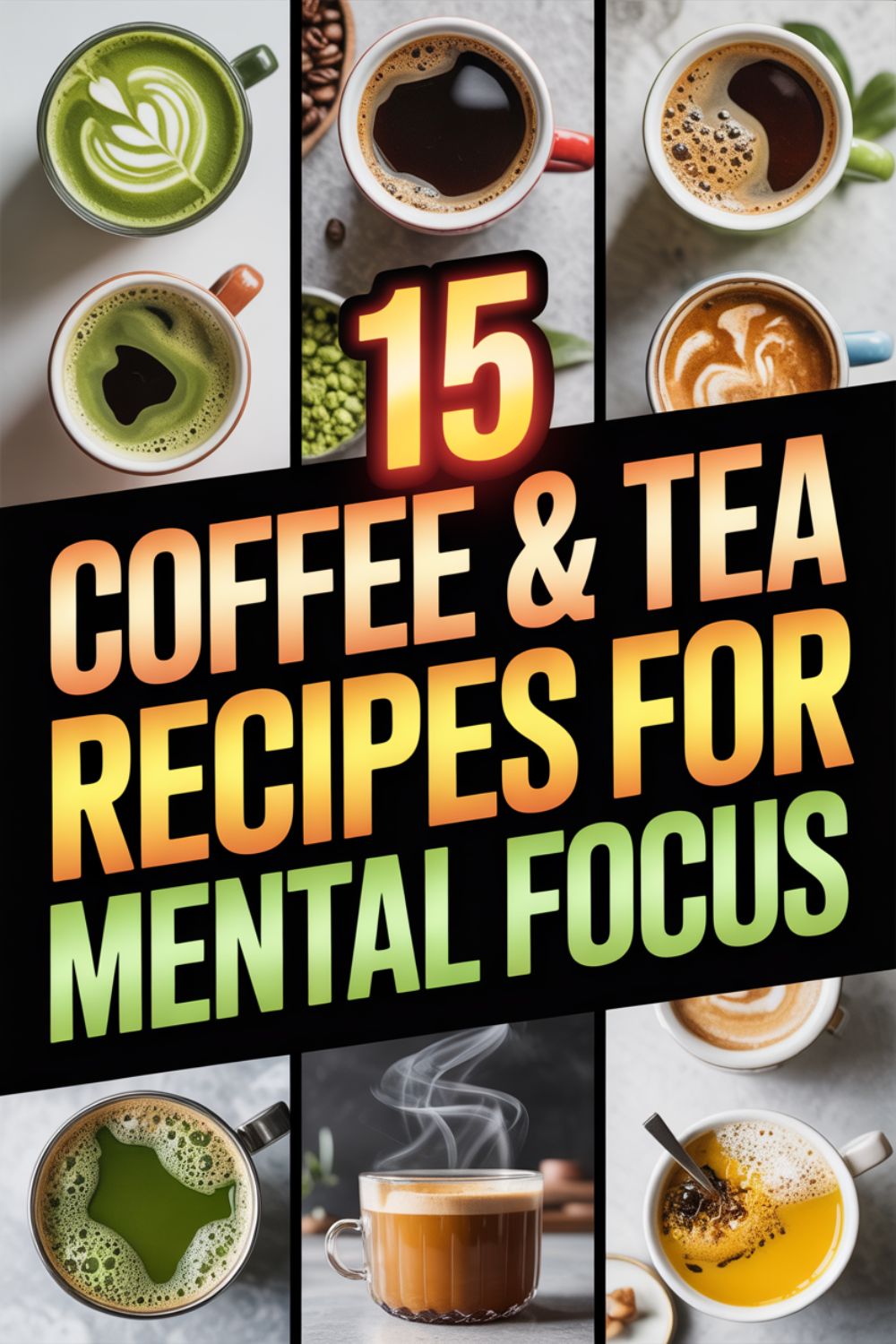
Why Coffee and Tea Actually Work for Mental Focus
Look, I’m not here to bore you with overly scientific jargon, but understanding the basics helps you make better choices. Coffee’s main player is caffeine, which blocks adenosine receptors in your brain—basically telling your brain to stay awake and alert. Research from the National Institutes of Health shows that caffeine improves reaction time, attention, and various cognitive performances, especially when you’re sleep-deprived or mentally fatigued.
Tea, on the other hand, brings L-theanine to the party. This amino acid is pretty remarkable because it promotes relaxation without making you drowsy. When combined with caffeine, studies published in PubMed demonstrate that L-theanine enhances sustained attention and reduces the jittery side effects of caffeine alone. It’s like having a built-in anxiety buffer while still getting the mental boost.
The sweet spot? Combining both in strategic ways throughout your day. That’s where these recipes come in.
The Morning Clarity Starters
1. Bulletproof Matcha Latte
This is my go-to when I need sustained focus without the crash. Matcha has about a quarter of the caffeine compared to coffee, but thanks to L-theanine, the energy release is smooth and steady. Blending it with MCT oil and a bit of grass-fed butter gives you healthy fats that keep your brain running efficiently for hours.
Whisk a teaspoon of high-quality matcha powder with hot water, then blend with a tablespoon of MCT oil and a teaspoon of butter. The result? Creamy, frothy, and genuinely satisfying. I use this ceremonial-grade matcha because quality matters when you’re drinking it straight up.
If you’re new to matcha or want more morning inspiration, check out these tea recipes for calm and focus that work beautifully alongside your usual routine.
2. Cold Brew with Cinnamon and Coconut Milk
Cold brew naturally has higher caffeine content but lower acidity than regular coffee, making it gentler on your stomach. The slow extraction process also brings out sweeter, more complex flavors. Add a stick of Ceylon cinnamon while it’s brewing—this isn’t just for taste. Cinnamon helps regulate blood sugar, preventing the energy spikes and crashes that mess with your concentration.
I make mine in a cold brew coffee maker overnight, then mix with unsweetened coconut milk. The healthy fats from coconut slow caffeine absorption, giving you sustained energy instead of that immediate jolt. Get Full Recipe
For more cold brew variations, explore these cold brew coffee variations.
3. Golden Turmeric Coffee
Turmeric contains curcumin, which has anti-inflammatory properties that may support brain health. Mix a quarter teaspoon of turmeric powder into your morning coffee along with a pinch of black pepper (which increases curcumin absorption by 2000%) and a dash of Ceylon cinnamon.
This combo tastes earthy and slightly spicy, not medicinal like you might expect. I blend mine with almond milk and a tiny bit of raw honey to balance the flavors. The warmth from the spices combined with coffee’s alertness creates this focused, grounded feeling that’s hard to describe but really effective.
“I started making golden turmeric coffee every morning after reading about it here, and honestly, the difference in my focus during morning meetings is night and day. No more brain fog before lunch.” — Jennifer K.
Midday Focus Boosters
4. Earl Grey with Lemon and Ginger
When that afternoon slump hits around 2 PM, Earl Grey is my rescue drink. The bergamot oil in Earl Grey has been studied for its mood-lifting properties, while black tea provides enough caffeine to keep you alert without overdoing it.
Steep your Earl Grey for exactly four minutes—any longer and it gets bitter. Add fresh lemon juice and a few slices of ginger root. The lemon adds vitamin C, and ginger aids digestion while providing a subtle warming effect that helps you feel more awake. I use this electric kettle with temperature control because water temperature seriously affects how tea tastes.
5. Vietnamese Iced Coffee (Cà Phê Sữa Đá)
This is not your delicate afternoon pick-me-up—this is serious business. Vietnamese coffee uses a dark roast with chicory, brewed slowly through a traditional phin filter, then sweetened with condensed milk and poured over ice.
The richness and sweetness might seem indulgent, but it’s incredibly effective for focus. The strong coffee base combined with the sweetness provides both immediate energy and sustained fuel. Just don’t have this after 3 PM unless you’re planning an all-nighter. Get Full Recipe
Speaking of quick coffee drinks, these 3-ingredient coffee recipes are lifesavers when you’re short on time.
6. Green Tea with Mint and Lime
Green tea is the perfect midday companion because it won’t interfere with your sleep later. The combination of moderate caffeine and high L-theanine content creates what researchers call “calm alertness”—you’re focused but not anxious.
Brew your green tea at around 175°F (not boiling—that makes it bitter), then add fresh mint leaves and a squeeze of lime. The mint is refreshing and helps with mental clarity, while lime adds a bright, zesty note that wakes up your taste buds. This is my favorite during marathon work sessions because I can drink it all afternoon without getting jittery.
Essential Tools for Coffee & Tea Focus Drinks
After making these recipes hundreds of times, here are the tools that actually make a difference:
- Electric Kettle with Temperature Control — Precision matters. Green tea at 212°F? Bitter disaster. This lets you nail the perfect temp every time.
- Milk Frother — Not just for fancy lattes. Creates that smooth, café-quality texture in matcha drinks and golden milk without needing a full espresso setup.
- Glass French Press — Makes excellent coffee and works perfectly for cold brewing. The borosilicate glass doesn’t absorb flavors like plastic versions.
- Coffee & Tea Flavor Pairing Guide (PDF) — Downloadable chart showing which spices, milks, and sweeteners work best together.
- Weekly Focus Drink Planner — Printable template to map out your caffeine timing for optimal mental performance throughout the week.
- Brain-Boosting Recipe eBook — 50+ tested recipes with detailed prep instructions and nutritional breakdowns for cognitive support.
Evening Wind-Down Drinks That Still Support Focus
7. Mushroom Coffee with Ashwagandha
Wait, coffee for evening? Hear me out. Mushroom coffee typically has about half the caffeine of regular coffee, and when you add adaptogens like ashwagandha, you get this interesting effect of calm focus without stimulation.
I use Four Sigmatic mushroom coffee as my base, which contains lion’s mane and chaga mushrooms. Lion’s mane has been studied for its potential cognitive benefits, particularly for memory and concentration. Add a quarter teaspoon of ashwagandha powder, blend with oat milk, and you’ve got an evening drink that supports mental clarity without messing with your sleep.
8. Chamomile with Honey and Lavender
Okay, this one’s caffeine-free, but it belongs here because mental focus isn’t just about being wired—it’s also about being able to wind down properly. Poor sleep ruins your focus the next day, period.
Chamomile contains apigenin, an antioxidant that binds to certain receptors in your brain that promote sleepiness and reduce anxiety. Add a teaspoon of raw lavender honey and a few dried lavender buds. The ritual of making this signals to your brain that it’s time to transition into rest mode, which is crucial for next-day cognitive performance.
The Performance Enhancers
9. Espresso Tonic with Orange Zest
This sounds weird until you try it, then you become that person who won’t shut up about espresso tonics. Pull a double shot of espresso (or make strong coffee in a stovetop espresso maker), let it cool slightly, then pour over ice and top with tonic water. Add orange zest and a squeeze of fresh orange juice.
The carbonation from the tonic makes the coffee hit different—it’s bright, effervescent, and surprisingly refreshing. The bitterness of tonic complements coffee’s natural bitterness in this perfect way. Plus, the ritual of making something this specific helps you mentally shift into “deep work mode.” Get Full Recipe
10. Dirty Chai Latte
A dirty chai is regular chai tea plus a shot of espresso, and it’s genuinely one of the best focus drinks ever created. The chai spices—cinnamon, cardamom, ginger, cloves—each have their own benefits for circulation and inflammation, while the black tea and espresso combo gives you layered caffeine release.
Make your chai concentrate by simmering loose chai tea in milk (I prefer oat milk) with a stick of cinnamon and a few cardamom pods for extra intensity. Add a shot of espresso and you’ve got this complex, spicy, impossibly smooth drink that tastes like a treat but performs like rocket fuel for your brain.
Looking for more ways to level up your coffee game? Check out these latte recipes you can make without a fancy machine.
11. Oolong with Jasmine and Coconut Water
Oolong tea sits between green and black tea in terms of oxidation, giving you a moderate caffeine level with complexity that keeps your palate interested. Jasmine adds a floral note that’s calming but not sedating, and coconut water provides electrolytes that support brain function.
This is my go-to for long afternoon meetings or creative sessions. It’s hydrating, mildly caffeinated, and the flavor profile is interesting enough to keep you engaged without being distracting. Brew the oolong at about 190°F, add jasmine flowers if you have them (or use jasmine-scented oolong), and mix with equal parts coconut water once cooled.
The Weekend Deep Work Specials
12. Nitro Cold Brew with Vanilla and Sea Salt
Nitro cold brew is infused with nitrogen gas, creating this creamy, cascading effect that looks impressive and genuinely improves the texture. You can make it at home with a nitro cold brew system or use regular cold brew and get pretty close results with vigorous shaking.
Add a splash of vanilla extract and a tiny pinch of sea salt. The salt might seem odd, but it reduces bitterness and enhances the coffee’s natural sweetness. The smooth, almost Guinness-like texture makes it feel indulgent while the high caffeine content keeps you locked in for hours of focused work. Get Full Recipe
If you’re into cold coffee drinks, definitely explore these iced coffee recipes that seriously rival any coffee shop version.
13. Yerba Mate with Lemon Verbena
Yerba mate isn’t technically tea (it’s from a holly plant), but it deserves a spot here because it’s phenomenal for mental energy. It contains caffeine plus two other stimulants—theobromine and theophylline—which work together for sustained alertness without the coffee jitters.
Brew yerba mate using a traditional gourd and bombilla or just use a French press. Add fresh lemon verbena leaves for a citrusy, herbaceous note that complements mate’s earthy grassiness. This combination has gotten me through countless weekend project sessions where I needed to stay sharp for 8+ hours straight.
14. Maple Cinnamon Coffee Smoothie
Sometimes you need your focus fuel and breakfast in one go. Blend cold brew coffee with a frozen banana, a tablespoon of almond butter, a teaspoon of cinnamon, a splash of pure maple syrup, and some ice. The result is thick, satisfying, and keeps you going for hours.
The banana provides potassium (important for nerve function), almond butter adds protein and healthy fats, and the cinnamon helps regulate blood sugar. It’s basically a complete meal that happens to taste like a coffee shop indulgence. I make this when I know I’ll be heads-down working through lunch and need something substantial. Get Full Recipe
For more breakfast-friendly coffee ideas, these coffee smoothie recipes are absolute game-changers.
15. White Tea with Rose and Cardamom
White tea has the least caffeine of all tea varieties but the highest antioxidant content. It’s delicate, subtle, and perfect for when you need gentle sustained focus rather than intense alertness. This is ideal for creative work, reading, or tasks that require a soft, steady mental state.
Steep white tea at a low temperature (about 170°F) for 5-7 minutes—it’s more forgiving than green tea. Add dried rose petals and a couple of crushed cardamom pods. The floral notes from rose combined with cardamom’s warmth create this sophisticated, almost meditative drink that supports focus through calm rather than stimulation.
“I was skeptical about white tea actually helping with concentration, but I tried the rose and cardamom version during my thesis writing sessions, and it genuinely helped me stay in flow state for longer periods without that wired feeling.” — Marcus T.
Making These Recipes Work for Your Routine
Here’s the thing about focus drinks—they’re not magic bullets, but they’re definitely strategic tools. The key is matching the right drink to your energy needs and timing throughout the day.
Mornings are perfect for higher-caffeine options like bulletproof matcha or cold brew variations. Your cortisol is naturally higher, so you can handle the stronger stimulation. Midday calls for balanced options that provide a gentle boost without interfering with evening wind-down. Late afternoon and evening? That’s when you want to shift toward lower-caffeine or caffeine-free options that support mental clarity without disrupting sleep.
I’ve found that rotating through different recipes prevents tolerance buildup and keeps things interesting. Monday might be golden turmeric coffee, Tuesday is dirty chai, Wednesday brings Earl Grey with ginger. The variety keeps your brain engaged and prevents the habituation effect where you stop noticing the benefits because you’re having the same thing daily.
If you enjoy trying different coffee variations throughout the week, you’ll love these homemade coffee recipes for even more variety.
The Science of Pairing Coffee and Tea
One underrated strategy is combining coffee and tea strategically throughout your day. Start with coffee in the morning when you need that immediate alertness boost, then switch to green or black tea in the afternoon for sustained, gentler energy.
Research published in Nature suggests that tea’s combination of caffeine and L-theanine creates a unique cognitive state—alert but calm—that’s different from coffee’s more intense stimulation. By leveraging both throughout your day, you’re essentially customizing your mental state to match your tasks.
Heavy analytical work in the morning? Coffee. Creative brainstorming in the afternoon? Tea. Deep reading or writing in the evening? Low-caffeine white or oolong tea. It’s about being intentional rather than just defaulting to whatever’s convenient.
For those interested in pairing beverages with food for optimal benefits, check out these coffee and breakfast pairings and tea and lunch combinations.
When Less Is Actually More
Real talk for a second. The caffeine arms race is real, and it’s counterproductive. I’ve watched too many people gradually increase their coffee intake until they’re drinking six cups a day just to feel normal, not even focused—just baseline functional.
Cycling your caffeine intake prevents tolerance. Try a lower-caffeine week every month where you stick to green tea and the occasional cup of coffee. Your sensitivity resets, and when you go back to your regular routine, the effects are noticeably stronger. Plus, it’s a good reminder that caffeine is a tool, not a crutch.
The drinks with added fats—like bulletproof versions—slow caffeine absorption, which extends the benefits and reduces the crash. The ones with L-theanine buffer the anxiety that can come with higher doses. The evening options support the recovery your brain needs to function well tomorrow. It’s all connected.
Frequently Asked Questions
How much caffeine should I have for optimal focus without jitters?
Most research suggests that 200-300mg of caffeine (about 2-3 cups of coffee) is the sweet spot for cognitive benefits without negative side effects in most adults. However, individual tolerance varies significantly based on genetics, body weight, and habitual consumption. Start with less and increase gradually to find your personal threshold. Pairing caffeine with L-theanine from tea or taking it with food can reduce jittery feelings.
Is tea really as effective as coffee for mental focus?
Tea works differently than coffee but can be equally effective, just in different ways. While coffee provides a more immediate, intense alertness, tea’s combination of moderate caffeine and L-theanine creates what researchers call “calm focus”—you’re alert without being anxious or overstimulated. For tasks requiring sustained attention or creative thinking, many people actually find tea more beneficial than coffee.
What’s the best time to drink coffee for maximum focus benefits?
Your body’s cortisol levels naturally peak around 8-9 AM, so drinking coffee during this window might not give you the boost you expect. The optimal times are typically 9:30-11:30 AM and 1:30-5:00 PM when cortisol dips. That said, individual chronotypes matter—if you’re a night owl, your timing might be different. Pay attention to when you naturally feel a dip in energy and use caffeine strategically then.
Can I drink these focus beverages if I’m sensitive to caffeine?
Absolutely. Start with lower-caffeine options like white tea (15-30mg per cup) or green tea (25-50mg per cup) rather than coffee (95-200mg per cup). The recipes with added fats like MCT oil or nut milk slow caffeine absorption, making it gentler on your system. You can also try mushroom coffee, which has about half the caffeine, or yerba mate, which contains different alkaloids that some sensitive people tolerate better.
Do I need expensive equipment to make these recipes?
Not at all. While some specialty tools make things easier, you can adapt almost all these recipes with basic kitchen equipment. A regular pot works instead of a temperature-controlled kettle (just use a thermometer), a mason jar works for cold brew, and a whisk can substitute for a milk frother. Start with what you have and upgrade only the tools you find yourself using constantly.
Final Thoughts on Focus-Driven Beverages
Mental clarity isn’t just about what you drink—it’s about sleep, hydration, movement, and stress management. But strategic caffeine use genuinely makes a measurable difference, and these recipes give you the framework to customize your approach.
The recipes I keep coming back to are the ones that fit seamlessly into my routine without requiring a pharmacy’s worth of ingredients. Golden turmeric coffee in the morning, Earl Grey with ginger in the afternoon, and chamomile with lavender in the evening has become my default rotation. Simple, effective, and actually enjoyable rather than feeling like I’m forcing down some wellness concoction because the internet said so.
Experiment with these recipes, pay attention to how different combinations affect your focus and energy, and build your own rotation based on what actually works for your brain chemistry and schedule. Your cognitive performance is too important to leave to autopilot coffee habits that stopped serving you years ago.
Similar Posts
25 Iced Coffee Recipes for a Crowd
25 Iced Coffee Recipes for a Crowd | Plateful Life Plateful Life Iced Coffee 25 Iced Coffee Recipes for a Crowd Make-ahead, endlessly customizable, and so much better than anything your guests could get at a drive-through. 25 Recipes Make-Ahead Friendly All Skill Levels Home › Iced Coffee › 25 Iced Coffee Recipes for a…
19 Cold Brew Recipes for Beginners
19 Cold Brew Recipes for Beginners | Plateful Life Plateful Life Cold Brew at Home 19 Cold Brew Recipes for Beginners No fancy equipment, no barista degree, just really good coffee waiting for you in the fridge every morning. 19 Recipes 5 min Active Prep Beginner Friendly Make Ahead All Week Cold brew changed my…
17 Matcha Recipes for Weight Management That Actually Taste Good
17 Matcha Recipes for Weight Management | Plateful Life Plateful Life Weight Management 17 Matcha Recipes for Weight Management That Actually Taste Good From morning lattes to protein-packed smoothies, these matcha recipes support your metabolism without making you feel like you’re on a diet. 17 Recipes Easy Difficulty 5-15 min Prep Time Let me be…
27 Tea Party Recipes for Easter Brunch That Will Genuinely Impress
27 Tea Party Recipes for Easter Brunch – Plateful Life PlatefulLife Home › Tea & Coffee › Tea Party Recipes Easter Brunch Edition 27 Tea Party Recipes for Easter Brunch That Will Genuinely Impress From dainty cucumber sandwiches to lavender scones and pastel petit fours — your springtime spread starts here. 27 Recipes Tea Party…
25 Matcha Latte Recipes You Can Make at Home
25 Matcha Latte Recipes You Can Make at Home | Plateful Life Recipe Collection 25 Matcha Latte Recipes You Can Make at Home From creamy classics to iced, dirty, and dessert-style — your home kitchen is about to become a matcha bar. Matcha lattes have officially crossed over from “niche wellness drink” to full-on daily…
25 Spring-Inspired Latte Recipes to Shake Up Your Morning Routine
25 Spring-Inspired Latte Recipes to Shake Up Your Morning Routine Spring Coffee Recipes 25 Spring-Inspired Latte Recipes to Shake Up Your Morning Routine Floral, fruity, and ridiculously easy to make at home — no barista training or expensive equipment required. By Plateful Life Kitchen Updated: Spring 2025 25 Recipes Included Most Under 15 Minutes Spring…