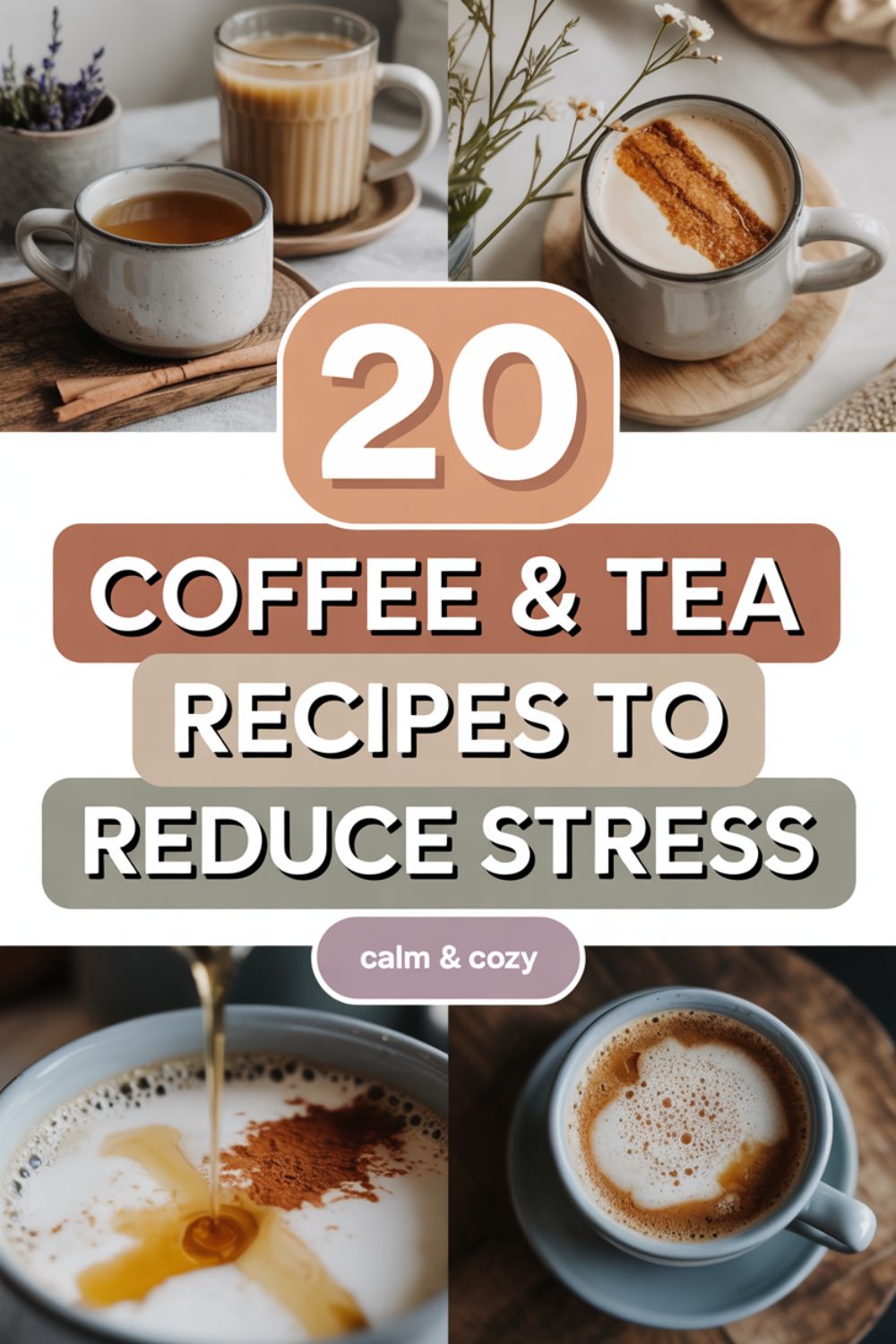
20 Coffee and Tea Recipes to Reduce Stress
Look, I get it. You’re stressed. The inbox is overflowing, deadlines are breathing down your neck, and your to-do list just had babies. So what do most of us do? Reach for another cup of coffee, right? But here’s the thing—not all coffee (or tea, for that matter) is created equal when it comes to actually helping you chill out.
I used to think caffeine and stress relief were mortal enemies. Turns out, I was half right and completely wrong at the same time. The secret isn’t about ditching your beloved brew—it’s about being smarter with what you’re sipping. Some drinks can actually help your body manage stress better, while others just send your cortisol levels into the stratosphere.
After way too many sleepless nights and jittery afternoons, I’ve figured out which coffee and tea recipes actually work to keep you calm, focused, and not feeling like you’re about to vibrate through the floor. These aren’t your typical “wellness influencer” recipes that taste like lawn clippings. These are legit delicious drinks that happen to help your nervous system not lose its mind.

Why Your Coffee Might Be Stressing You Out (And How to Fix It)
Before we dive into the recipes, let’s talk science for a sec. Caffeine is a weird beast. On one hand, it can make you feel alert and focused. On the other, it can absolutely wreck your stress response if you’re not careful.
Research shows that coffee can increase cortisol—your body’s main stress hormone—by up to 50% above baseline levels. That’s not great when you’re already stressed. But here’s where it gets interesting: studies from PubMed found that tea, with its lower caffeine content and the presence of L-theanine, only raises cortisol by about 20% while actually promoting relaxation. Wild, right?
The compound L-theanine, found naturally in tea leaves, works like a chill pill for your brain. It increases alpha wave activity, which is basically your brain’s way of saying “hey, let’s not panic right now.” When you combine that with moderate caffeine, you get calm alertness instead of jittery anxiety.
If you’re a die-hard coffee person, try switching your second or third cup to green tea. You’ll still get a caffeine boost, but the L-theanine will keep you from feeling wired.
The 20 Stress-Busting Recipes
1Golden Milk Latte with Ashwagandha
This isn’t your basic turmeric latte. I add ashwagandha, which is an adaptogen that helps your body literally adapt to stress. The warmth from the turmeric and ginger is soothing, and honestly, it tastes like a hug in a mug.
Mix warm oat milk with a teaspoon of turmeric, half a teaspoon of ashwagandha powder, a pinch of black pepper (helps absorption), cinnamon, and a touch of maple syrup. Froth it up if you’re feeling fancy. I make this with this handheld milk frother—it’s like five bucks and makes you feel like a barista.
2Chamomile Honey Latte
Chamomile is the OG stress reliever. Clinical research published in PMC shows it’s effective in reducing anxiety in 9 out of 10 studies. That’s a pretty solid track record.
Brew a strong chamomile tea, add steamed milk, a generous drizzle of honey, and a tiny pinch of vanilla. Sometimes I throw in a cinnamon stick just because it makes me feel like I have my life together. For the best results, I use organic chamomile tea bags instead of the cheap stuff.
3Lavender London Fog
Earl Grey tea with steamed milk and lavender syrup. This drink is basically aromatherapy you can swallow. Studies have shown lavender significantly reduces anxiety—some research even suggests it’s as effective as certain anxiety medications.
Steep Earl Grey in hot water for 4 minutes, add frothed milk and a tablespoon of lavender simple syrup. The lavender syrup is easy to make yourself with dried culinary lavender, sugar, and water. Just simmer for 10 minutes and strain.
“I was skeptical about the whole ‘lavender in drinks’ thing, but the London Fog completely changed my mind. I make one every Sunday evening and it’s become my favorite way to wind down before the work week starts. My anxiety has noticeably decreased.”
4Matcha with Coconut Milk
Matcha gives you sustained energy without the crash because it releases caffeine slowly. Plus, that L-theanine content is through the roof. Get Full Recipe for this one if you want the full breakdown on ratios.
Whisk matcha powder with a splash of hot water until smooth, then add warm coconut milk and a touch of agave. I invested in a proper bamboo matcha whisk and it’s actually worth it—no clumps.
5Cinnamon Dolce Cold Brew
Cold brew has about 70% less acid than hot coffee, which means it’s gentler on your stomach and nervous system. Add cinnamon, which helps regulate blood sugar and reduce stress-related inflammation.
Make your cold brew concentrate (or buy it, no judgment), add oat milk, cinnamon syrup, and ice. Top with a sprinkle of cinnamon. If you’re making your own cold brew, I recommend using this cold brew coffee maker—set it and forget it for 12 hours.
For more cold brew inspiration, you’ll love these must-try cold brew variations that keep things interesting.
Batch your cold brew on Sunday night, store it in the fridge, and you’ve got stress-free mornings all week. Trust me on this.
6Peppermint Mocha (The Healthy Version)
Peppermint is naturally calming and aids digestion, which is important because stress messes with your gut big time. This version skips the sugar overload.
Brew strong coffee, add a peppermint tea bag while it’s hot, then mix in dark cocoa powder, a splash of almond milk, and stevia. Top with a sprig of fresh mint if you’re feeling extra. The cocoa powder I use is unsweetened organic cacao—way better antioxidants than the sugary stuff.
7Vanilla Rooibos Latte
Rooibos is naturally caffeine-free, so this is perfect for evenings when you want something cozy but don’t want to be up until 3 AM. It’s also packed with antioxidants that help fight stress-related damage in your body.
Steep rooibos tea, add heated milk of choice, vanilla extract, and a touch of maple syrup. Sometimes I add a dash of cardamom because I’m fancy like that. Get Full Recipe for the exact measurements and technique.
8Adaptogenic Coffee Smoothie
This is for when you need breakfast, coffee, and stress management all in one go. Adaptogens help your body handle stress better at a cellular level.
Blend cold brew coffee, frozen banana, almond butter, a scoop of protein powder, maca powder, and almond milk. Add ice if needed. It sounds weird but tastes like a coffee milkshake. The maca powder I use is from Peru and has this subtle caramel flavor that’s perfect for smoothies.
If you’re into coffee smoothies, definitely explore these delicious coffee smoothie recipes for more protein-packed options.
9Lemon Balm Iced Tea
Lemon balm is criminally underrated. It’s been shown to reduce anxiety and improve mood. The taste is light, lemony, and refreshing.
Steep fresh or dried lemon balm leaves in hot water for 10 minutes, strain, sweeten with honey, and pour over ice. Add fresh lemon slices because presentation matters even when you’re stressed.
Grow lemon balm in a pot on your windowsill. It’s basically impossible to kill and you’ll always have fresh leaves on hand.
10Turmeric Ginger Tea
The anti-inflammatory power couple. Chronic stress causes inflammation, and these two ingredients are like firefighters for your body. According to research published in Nature, compounds in tea can significantly affect brain chemistry and stress hormones.
Grate fresh turmeric and ginger, steep in hot water for 15 minutes, strain, add a squeeze of lemon and honey. Black pepper helps turmeric absorption. I keep a microplane grater just for ginger and turmeric—makes the whole process way easier.
Looking for more calming tea options? Check out these tea recipes specifically designed for calm and focus.
11Decaf Hazelnut Cappuccino
Sometimes you just want the ritual of coffee without the caffeine chaos. Decaf still has trace amounts of caffeine, but not enough to spike your cortisol.
Pull a shot of decaf espresso (or use strong decaf coffee), steam milk until frothy, add hazelnut syrup (make it yourself with hazelnuts, water, and maple syrup). Top with foam and a sprinkle of cocoa. The quality of decaf matters—I swear by Swiss Water Process decaf beans because they actually taste good.
12Passionflower Vanilla Tea
Passionflower has been used for centuries to treat anxiety and insomnia. It works by increasing GABA in the brain, which helps calm neural activity.
Steep passionflower tea, add a splash of vanilla almond milk and a drizzle of honey. It’s mellow and slightly earthy in the best way possible.
13Cardamom Coffee
This is a Middle Eastern trick. Cardamom not only adds an incredible flavor but also helps reduce the harsh effects of caffeine on your system. It’s like coffee’s bodyguard.
Grind your coffee beans with a few cardamom pods (or add ground cardamom to your grounds). Brew as usual, add milk if you want. The aroma alone is calming. I keep whole green cardamom pods in my coffee storage container—they stay fresh forever.
If you enjoy creative coffee flavor combinations, you’ll want to see these creative coffee syrup recipes that take your morning brew to the next level.
14Holy Basil (Tulsi) Tea Latte
Holy basil is another powerful adaptogen. It’s been studied for its ability to reduce cortisol levels and improve stress resilience. The taste is slightly spicy and peppery.
Brew tulsi tea strong, add warmed milk, a touch of maple syrup, and a pinch of cinnamon. It’s earthy and grounding—perfect for those days when everything feels chaotic. Get Full Recipe for the ideal tea-to-milk ratio.
15Mushroom Hot Chocolate
Before you make a face, hear me out. Reishi and chaga mushrooms are adaptogens that support your stress response. You can’t taste them in hot chocolate at all.
Heat milk of choice, whisk in cocoa powder, a teaspoon of reishi or chaga powder, vanilla, and sweetener of choice. Top with marshmallows if you’re feeling nostalgic. The reishi mushroom powder I use is completely tasteless and blends right in.
16Iced Hibiscus Tea with Mint
Hibiscus is tart, refreshing, and loaded with antioxidants. It’s also been shown to help lower blood pressure, which stress tends to spike.
Brew hibiscus tea, let it cool, add fresh mint leaves, sweeten with agave, and serve over ice. The color is this gorgeous deep red that makes you feel like you’re treating yourself.
“I used to drink 4-5 cups of regular coffee a day and wondered why I was always anxious. After switching to these recipes—especially the matcha and golden milk—my stress levels have dropped noticeably. I’m sleeping better too.”
17Almond Butter Latte
Protein helps stabilize blood sugar, which prevents stress-induced crashes. Almond butter in coffee sounds weird but works surprisingly well.
Blend hot coffee with a tablespoon of almond butter, a splash of milk, vanilla, and a touch of maple syrup. The fat from the almond butter gives you sustained energy. I blend mine in a regular blender, but if you don’t want to wash that, a portable immersion blender works great.
18Rose Tea Latte
Rose has been used in traditional medicine for anxiety and depression. It smells incredible and tastes delicate and slightly sweet.
Steep rose tea or add rose water to black tea, add steamed milk, a touch of honey, and a sprinkle of dried rose petals on top. It feels fancy and calming at the same time. Get Full Recipe for the perfect rose-to-tea balance.
19Dandelion Root “Coffee”
This is for when you want the coffee experience without any caffeine. Dandelion root is roasted and tastes surprisingly similar to coffee, plus it supports liver health (stress is hard on your liver).
Brew dandelion root tea, add milk and sweetener to taste. You can find roasted dandelion root in most health food stores or order organic dandelion root tea bags online.
20Valerian Root Night Tea
Valerian is like nature’s sleep aid. It’s been studied extensively for anxiety and insomnia. Fair warning: it smells funky when you’re brewing it, but the taste is actually fine.
Steep valerian root tea, add chamomile for extra calming power, sweeten with honey, and add a splash of oat milk. Drink this an hour before bed and prepare to sleep like you haven’t in years.
Make a big batch of calming tea concentrate on Sunday and store it in mason jars in the fridge. Just heat and add milk throughout the week—instant stress relief.
Kitchen Essentials for Stress-Free Brewing
Look, you don’t need a ton of fancy equipment to make these recipes, but a few key items make the whole process so much easier. Here’s what actually gets used in my kitchen every single day:
Electric Kettle with Temperature Control
Different teas need different water temperatures. This thing has literally changed my tea game. Green tea at 175°F tastes completely different than at boiling.
Milk Frother (Electric)
Makes everything feel like a coffee shop drink. I use mine for matcha, lattes, golden milk—basically everything. Battery powered, takes 30 seconds, and you feel like a professional.
Glass Tea Infuser Bottles
Perfect for making iced teas or taking your stress-relief tea on the go. Plus you can watch your tea steep, which is oddly meditative.
Stress Management & Tea Blending Guide (eBook)
A comprehensive digital guide on creating custom tea blends for different stress levels and times of day. Includes ingredient sourcing tips and exact ratios.
30-Day Calm Beverage Planner (PDF)
A printable planner with daily beverage suggestions based on your stress triggers. Comes with shopping lists and prep schedules.
Adaptogen & Herb Masterclass (Video Course)
Everything you need to know about adaptogens, dosing, combining, and which ones work best for different types of stress. Includes recipes and troubleshooting.
Making It Work in Real Life
Here’s the thing nobody tells you about stress-reducing beverages: they only work if you actually drink them consistently. I know, revolutionary insight, right?
The biggest mistake I made at first was trying to do too much. I bought every herb on the planet, made complicated recipes, and burned out within a week. So here’s what actually works:
Pick 3-4 recipes that genuinely appeal to you. Not the ones that sound “healthiest” or most impressive, but the ones you actually want to drink. For me, that’s the golden milk latte, chamomile honey latte, and iced hibiscus tea. That’s it. I rotate those three and I’m infinitely less stressed than when I was trying to make a different fancy drink every day.
Prep in batches. Make your syrups on Sunday. Measure out your spice blends into little containers. Brew a big batch of cold brew. Whatever makes the weekday process take under 5 minutes.
If you’re looking for even more quick options, these coffee drinks under 5 minutes might be exactly what you need for busy mornings.
Don’t stress about being perfect with stress-reducing drinks. The irony isn’t lost on me. Some days you’ll want regular coffee. That’s fine. The goal is progress, not perfection.
The Ritual Matters as Much as the Ingredients
Something I’ve noticed after months of making these drinks: the act of preparing them is almost as calming as drinking them. There’s something therapeutic about the routine—boiling water, measuring ingredients, watching tea steep, frothing milk.
Our brains love rituals. They signal safety and predictability in a chaotic world. So even if you’re making the simplest chamomile tea, take the extra minute to make it mindfully. Put your phone down. Actually taste what you’re drinking.
Research from the National Institutes of Health shows that the ritual of tea drinking itself can trigger relaxation responses, independent of the tea’s chemical composition. Your brain learns to associate the ritual with calm.
That’s why I use the same mug every morning for my golden milk. It’s become a signal to my nervous system that it’s time to downshift.
Frequently Asked Questions
Can I drink these if I’m on anxiety medication?
Always check with your doctor first, especially with herbs like valerian, passionflower, or St. John’s wort, which can interact with certain medications. Most chamomile and lavender teas are generally safe, but your doctor knows your specific situation best.
FYI, I’m not a medical professional—just someone who’s researched this stuff extensively for my own stress management. Your healthcare provider is the real authority here.
How long does it take to notice the stress-reducing effects?
It varies. Some people feel calmer within 30 minutes of drinking chamomile or lavender tea. Adaptogens like ashwagandha typically take 2-4 weeks of consistent use to show noticeable effects on your stress response.
In my experience, the immediate ritual provides instant calm, while the chemical benefits build over time. Don’t expect a magic bullet—think of it more like a supportive daily practice.
Which recipe is best for morning stress versus evening anxiety?
Mornings: Go for matcha, golden milk latte, or adaptogenic coffee smoothie. You want something that provides calm energy without jitters. Evenings: Chamomile honey latte, lavender London fog (make it decaf), valerian root tea, or passionflower tea are your best bets.
I personally do matcha in the morning and chamomile at night. The routine helps signal to my body what time of day it is, which actually helps with overall stress management.
Are these recipes kid-friendly?
Most of them, yes, but skip the adaptogen-heavy ones (ashwagandha, reishi, maca) for kids. Chamomile, lavender, and peppermint teas are generally safe for children in moderate amounts. Just make them caffeine-free versions and maybe cut the sweetener.
The mushroom hot chocolate and golden milk (without ashwagandha) are actually great for kids—they get the health benefits without even knowing they’re drinking something “healthy.”
Do I really need organic ingredients, or is that just marketing?
For herbs and teas specifically, I do think organic matters more than for some other foods. You’re steeping these ingredients in hot water, which extracts everything—including pesticides if they’re present. Conventional tea can have pretty high pesticide residues.
That said, work within your budget. An organic chamomile tea is better than no stress management at all. Start with what you can afford and upgrade when it makes sense for you.
Your New Stress Management Strategy
Look, I’m not going to pretend that drinking fancy tea is going to solve all your problems. If you’re dealing with serious anxiety or chronic stress, you need to talk to a professional. These drinks are tools, not therapy.
But they’re surprisingly effective tools. The combination of beneficial compounds, mindful ritual, and actually taking a break to make yourself something nourishing adds up. It’s forced self-care disguised as a beverage.
Start simple. Pick one recipe that sounds good. Make it tomorrow morning. See how you feel. Then maybe try another one next week. Build slowly. The goal isn’t to become a tea sommelier overnight—it’s to find a few drinks that genuinely help you manage stress better.
And honestly? Even if the science wasn’t there, I’d still make these drinks. They taste good, they make me slow down for five minutes, and they give me something to look forward to that doesn’t involve doom-scrolling. In today’s world, that alone is worth it.
For more inspiration on building a sustainable coffee and tea routine, check out these easy homemade coffee recipes and these beginner-friendly coffee drinks to expand your repertoire.
Now go make yourself something calming. Your nervous system will thank you.
Similar Posts
15 Iced Latte Variations That’ll Make You Forget About Starbucks
15 Iced Latte Variations That’ll Make You Forget About Starbucks 15 Iced Latte Variations That’ll Make You Forget About Starbucks Look, I get it. You’re tired of dropping seven bucks on a mediocre iced latte that tastes like someone whispered “vanilla” near a cup of milk. I’ve been there, standing in line, watching the barista…
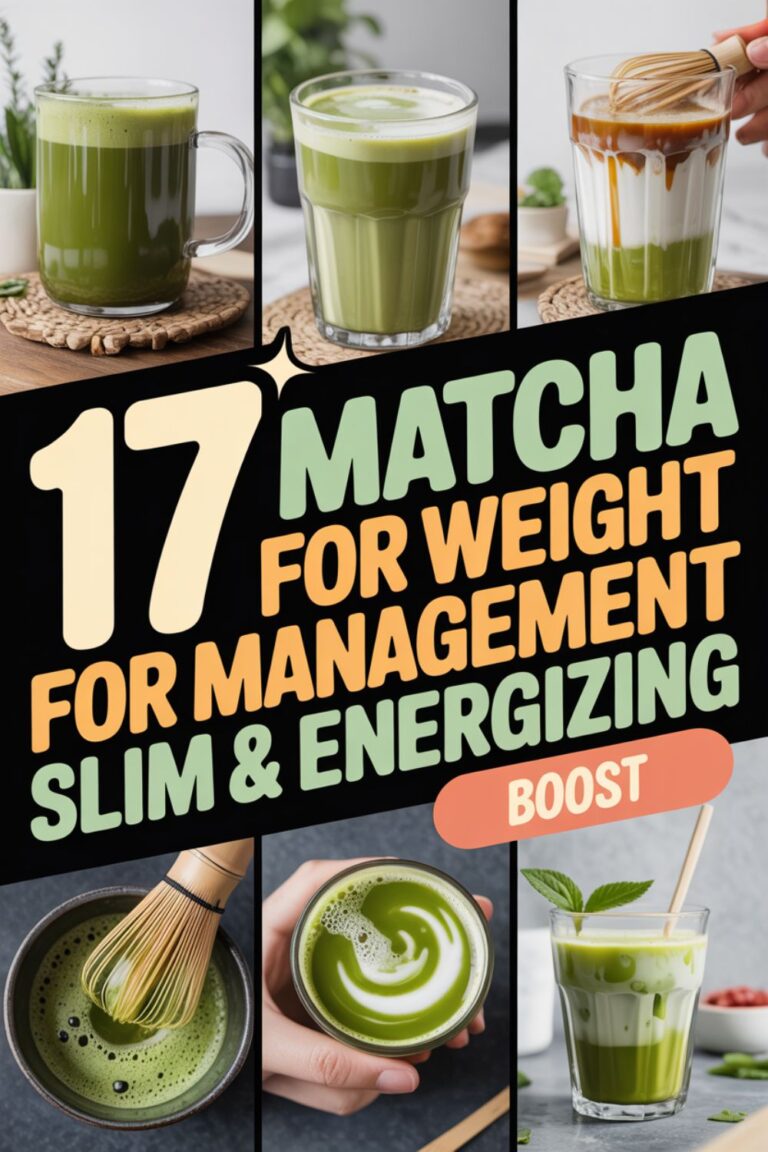
17 Matcha Recipes for Weight Management That Actually Taste Good
17 Matcha Recipes for Weight Management | Plateful Life Plateful Life Weight Management 17 Matcha Recipes for Weight Management That Actually Taste Good From morning lattes to protein-packed smoothies, these matcha recipes support your metabolism without making you feel like you’re on a diet. 17 Recipes Easy Difficulty 5-15 min Prep Time Let me be…
15 Americano Hacks for Better Taste
15 Americano Hacks for Better Taste | Plateful Life 15 Americano Hacks for Better Taste Look, I get it. You’ve been making Americanos the same way for years—espresso, hot water, done. But what if I told you that tiny tweaks could turn your basic morning ritual into something you’d actually look forward to? No fancy…
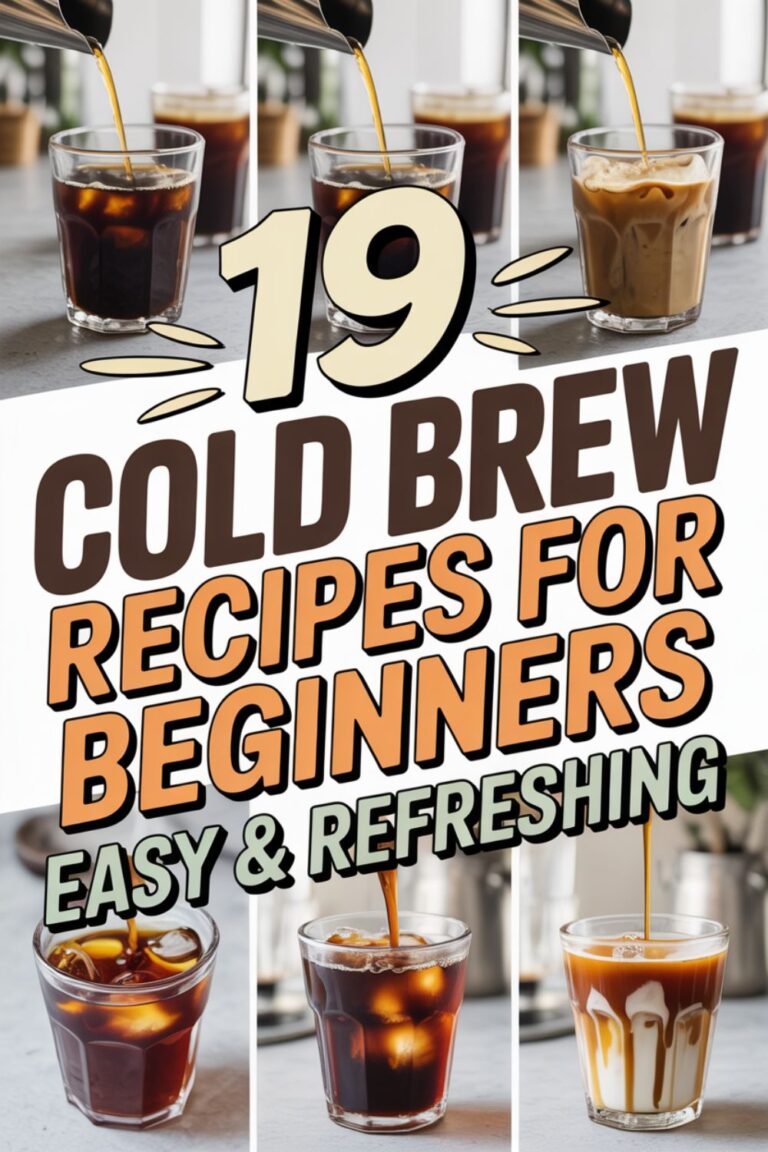
19 Cold Brew Recipes for Beginners
19 Cold Brew Recipes for Beginners | Plateful Life Plateful Life Cold Brew at Home 19 Cold Brew Recipes for Beginners No fancy equipment, no barista degree, just really good coffee waiting for you in the fridge every morning. 19 Recipes 5 min Active Prep Beginner Friendly Make Ahead All Week Cold brew changed my…
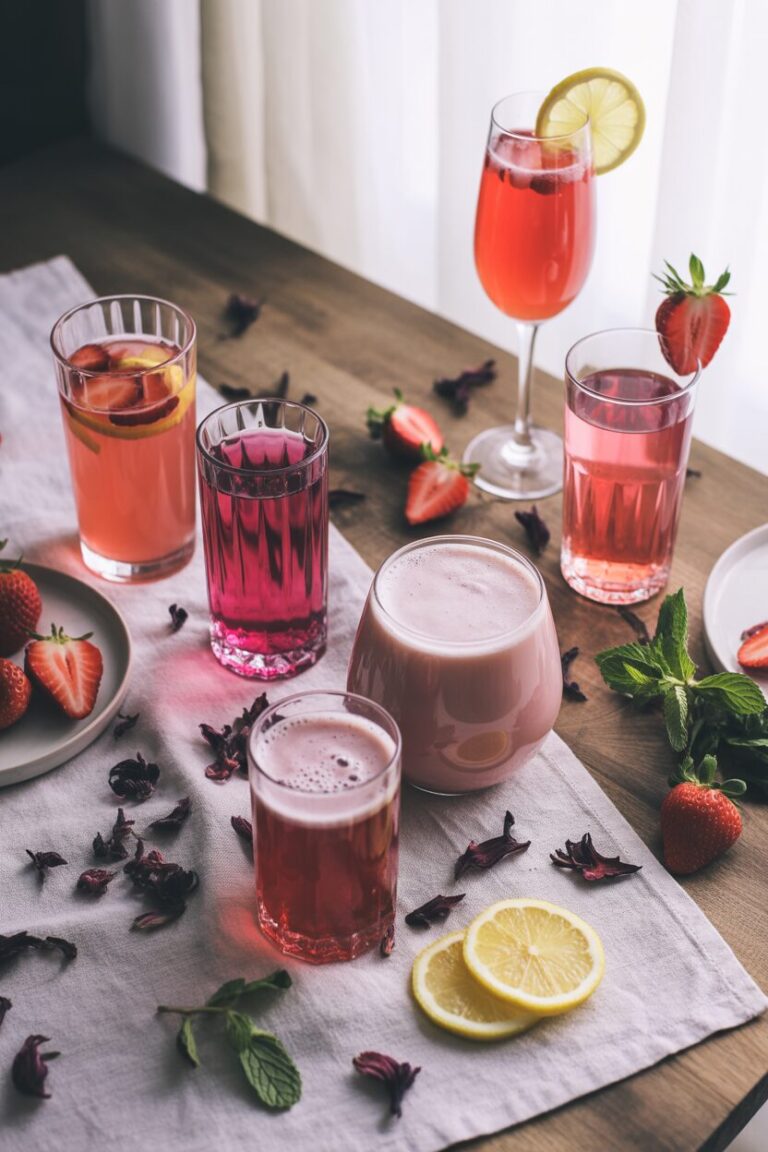
25 Pretty Pink Drinks for Brunch Parties
25 Pretty Pink Drinks for Brunch Parties – Plateful Life Brunch & Entertaining 25 Pretty Pink Drinks for Brunch Parties By Plateful Life • Drinks & Entertaining • 10 min read You Might Also Love If you are building a full brunch drink station, check out these low-calorie brunch drinks for hosting and these beautiful…
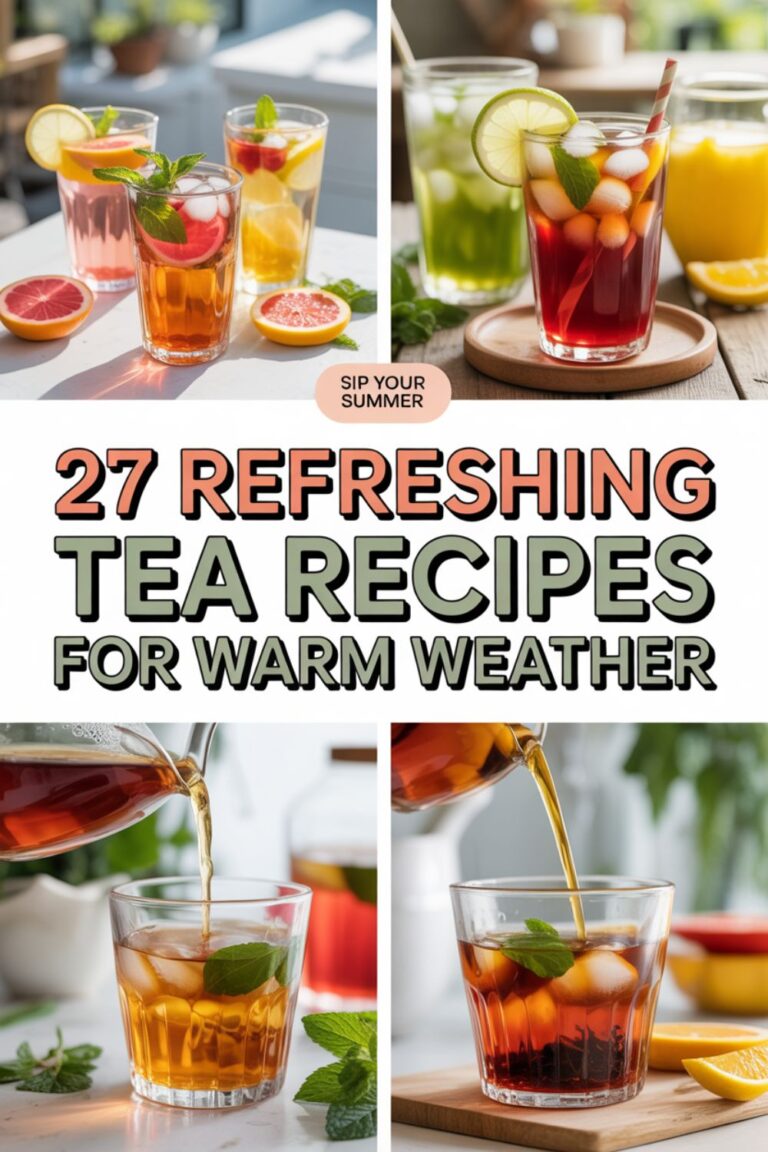
27 Refreshing Tea Recipes for Warm Weather
27 Refreshing Tea Recipes for Warm Weather | Plateful Life Plateful Life / Tea Recipes Tea Recipes & Warm Weather Drinks 27 Refreshing Tea Recipes for Warm Weather By the Plateful Life Team | Updated 2025 | 12 min read Hot weather and a hot drink sound like a terrible combination — until you realize…