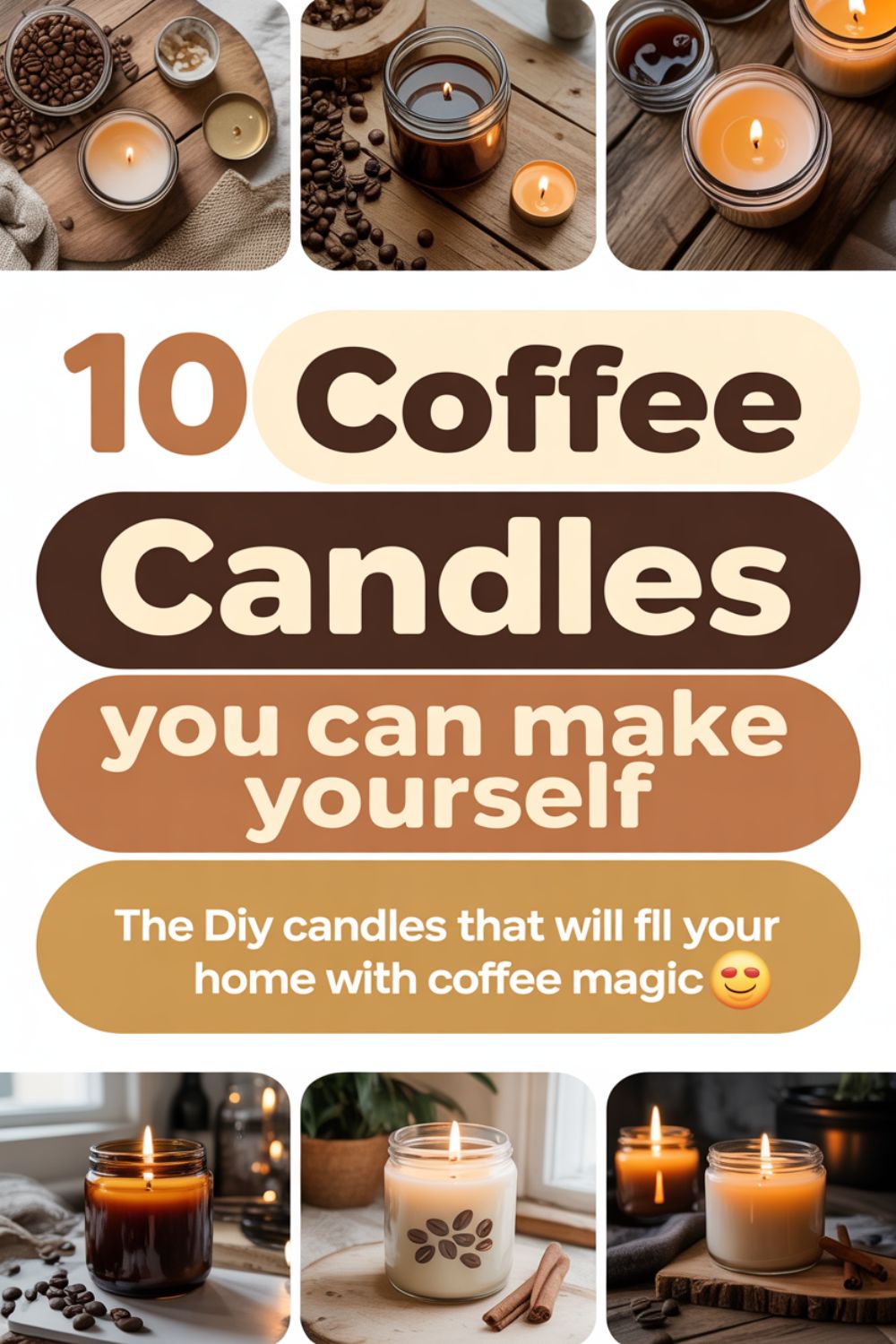
10 Coffee Candles You Can Make Yourself
The best part about making your own coffee candles? You control everything—the strength of the scent, the type of wax, even the intensity of that coffee aroma that fills your space. Plus, you can customize them for every mood. Want something energizing for your home office? Done. Need a cozy evening vibe? Easy. And honestly, once you realize how simple this is, you’ll wonder why you ever paid $30 for a candle that burned out in three days.
Before we get into the actual recipes, let me save you from my early mistakes. Use soy wax—it burns cleaner and holds scent better than paraffin. Always trim your wicks to 1/4 inch before each burn. And for the love of coffee, don’t skip the thermometer. Wax temperature matters more than you’d think. Trust me on this one.
Why Coffee Candles Hit Different
There’s actual science behind why coffee-scented candles work so well. Research shows that certain aromas can make us feel calmer, happier, and more productive. Coffee happens to be one of those power scents. It triggers your brain’s alertness centers while somehow also creating this warm, comforting atmosphere. Weird paradox, but it works.
I started making coffee candles after realizing my afternoon slumps weren’t actually about needing more caffeine—they were about needing that coffee shop atmosphere. The smell alone can improve mental clarity and focus without the jitters. Plus, coffee pairs ridiculously well with other scents like vanilla, cinnamon, and even lavender if you’re feeling adventurous.
One thing nobody tells you about DIY candles: they’re weirdly therapeutic to make. The melting, the stirring, the waiting—it’s like meditation you can actually use afterward. Speaking of which, if you’re into creating your own coffee experiences at home, you might also love these easy homemade coffee recipes that pair perfectly with candle-making afternoons.
1. Classic Vanilla Coffee Candle
This is your gateway candle. If you’ve never made candles before, start here. The vanilla-coffee combo is so foolproof it’s almost boring—except it smells incredible and fills your whole house within minutes of lighting it.
What you’ll need: 1 pound soy wax flakes, coffee essential oil (about 1 ounce), vanilla essential oil (1/2 ounce), 2 tablespoons finely ground coffee, cotton wicks, and your container of choice. I use mason jars because they’re cheap and look decent.
Melt your wax to 185°F, let it cool to 140°F, then add your oils and coffee grounds. Stir gently—you’re not making a smoothie here. Pour into your container, center the wick, and wait. The hardest part is actually waiting the full 24 hours before burning it. The scent develops as it cures, so patience pays off.
The Temperature Thing Everyone Messes Up
If you add essential oils when your wax is too hot, they’ll evaporate and you’ll end up with an expensive unscented candle. Too cold, and they won’t distribute evenly. That 140°F sweet spot isn’t negotiable. Get a candy thermometer if you don’t have one already—it’s the difference between success and wasted supplies.
2. Mocha Madness Candle
For people who can’t decide between coffee and chocolate. This candle smells exactly like that fancy mocha you justify buying on rough Mondays. It’s rich, it’s indulgent, and it makes your space smell like a high-end café.
Add cocoa powder to your wax mixture—about 2 tablespoons per pound of wax. Combine with coffee essential oil and a touch of vanilla. The cocoa adds this deep, almost earthy undertone that keeps the sweetness in check. Fair warning though: your kitchen will smell amazing while you’re making this, and you will want actual chocolate.
The trick with chocolate scents is not overdoing it. Too much cocoa and your candle smells like a gas station air freshener. Start conservative—you can always add more next time. Get Full Recipe if you want to match this candle with actual coffee desserts that’ll complete the whole experience.
3. Cinnamon Dolce Coffee Candle
This is my fall go-to, but honestly it works year-round. Something about cinnamon and coffee together just feels… right. Like they were meant to coexist in your living room. The spice adds warmth without being overwhelming, and it masks any of those weird waxy smells that sometimes happen with homemade candles.
Use cinnamon essential oil sparingly—this stuff is potent. Five to six drops per pound of wax is plenty. Mix with coffee essential oil and maybe a hint of nutmeg if you’re feeling extra. The nutmeg adds depth without announcing itself, which is exactly what you want from supporting scents.
About That Cinnamon Warning
Real talk: cinnamon oil can irritate skin and mucous membranes if you go overboard. Proper candle safety includes not just fire prevention but also using skin-safe concentrations of essential oils. Stick to recommended amounts and you’re golden.
Looking for more warming coffee flavor combinations? These winter morning coffee drinks use similar spice profiles and they’re perfect for sipping while your candle burns.
4. Cold Brew Candle (Yes, Really)
I know what you’re thinking—how do you capture that smooth, less acidic cold brew vibe in a candle? Turns out, you use actual cold brew coffee mixed with your wax. It sounds weird, but it works.
Brew a strong batch of cold brew, reduce it on the stove until it’s super concentrated (like 1/4 cup from 2 cups of coffee), let it cool completely, then add it to your melted wax along with coffee essential oil. The result smells exactly like that trendy cold brew you’re paying $6 for. Minus the caffeine hit, obviously.
The coffee liquid needs to be completely cooled before adding it to wax, or you’ll get weird separation issues. Also, these candles don’t last quite as long as pure wax versions, but the authentic scent is worth the trade-off. If you’re really into cold brew culture, check out these cold brew variations to match your candle game.
Coffee Candle Making Essentials
Look, I’ve wasted money on random supplies that seemed necessary but totally weren’t. Here’s what actually matters when you’re making coffee candles at home:
Physical Products
Soy Wax Flakes (5 lb bag) – Way more economical than buying small amounts. This’ll last you through dozens of candles.
Pre-Tabbed Cotton Wicks (100-pack) – The metal tabs keep wicks centered and stable. Total game-changer for beginners.
Candle Thermometer – Not optional. Temperature control is literally the difference between success and failure.
Digital Resources
Candle Making 101 eBook – Comprehensive guide covering everything from wick sizing to troubleshooting common problems.
Essential Oil Blending Calculator – Takes the guesswork out of scent ratios. Especially helpful for complex blends.
Printable Candle Label Templates – If you’re gifting these or selling them, proper labels make them look professional.
5. Hazelnut Coffee Shop Candle
Hazelnut coffee gets a bad rap because of those artificial creamers, but real hazelnut oil in a candle? Completely different story. It’s nutty without being cloying, and it adds this sophisticated edge that regular vanilla can’t touch.
Combine hazelnut essential oil with coffee essential oil in a 1:2 ratio. Add a tiny amount of almond extract for depth—we’re talking three drops max. Too much and it starts smelling like marzipan, which is not the vibe we’re going for.
This candle pairs exceptionally well with actual hazelnut coffee. Create the full experience with some of these homemade latte recipes—no fancy machine required. The combination of candle scent and actual coffee flavor is next level.
6. Espresso Shot Candle (Extra Strong)
For when you need maximum coffee scent with zero subtlety. This is the candle equivalent of a double espresso—intense, bold, and not for everyone. But if you love strong coffee, you’ll be obsessed with this one.
Use double the amount of coffee essential oil you’d normally use, plus 3 tablespoons of espresso grounds mixed into the wax. The therapeutic benefits of candle making are real, but this particular candle might be too energizing for bedtime. Save it for morning or afternoon burns.
The espresso grounds will settle at the bottom during cooling, which actually looks pretty cool. Some people strain them out, but I leave them in for visual interest and extra scent. Just give your candle a gentle swirl before the wax fully sets to distribute them evenly.
When Strong Scents Go Wrong
There’s a limit to how much essential oil your wax can actually hold—it’s called the fragrance load. For soy wax, that’s typically 10% of your wax weight. Go over that and you’ll get oil pooling on top of your finished candle, which looks gross and is a fire hazard. Do the math, weigh your materials, and resist the urge to pour in “just a little more” oil.
For more high-energy coffee options that match this candle’s intensity, try these coffee smoothies for breakfast. They’ll give you the caffeine boost your espresso candle can only simulate.
7. Caramel Macchiato Dream Candle
Sweet without being tooth-achingly sugary, this candle nails that caramel-coffee balance everyone loves. It’s sophisticated enough for adult spaces but approachable enough that even non-coffee people enjoy it.
The secret is using actual caramel extract (the real stuff from the baking aisle, not artificial flavoring) combined with coffee and vanilla essential oils. Add 1 teaspoon of brown sugar to your wax for color and a subtle sweetness to the scent. The sugar melts completely and doesn’t cause any burning issues.
This pairs beautifully with actual caramel coffee drinks. If you’re into making your own syrups and drinks, these creative coffee syrups will take your morning routine to the next level. Make the syrup, make the candle, live your best life.
8. Peppermint Mocha Holiday Candle
Holiday candles are their own category, but peppermint mocha deserves special mention because it’s actually good year-round if you’re into that fresh, slightly cooling scent. The mint cuts through the richness of coffee and chocolate, creating this weirdly addictive combination.
Use peppermint essential oil cautiously—three to four drops per pound of wax is plenty. Mix with coffee essential oil, a touch of cocoa powder, and vanilla. The peppermint should be present but not dominant. You want people to smell coffee first, then discover the mint as a pleasant surprise.
IMO, this is the best candle for gift-giving during the holidays. It’s festive without being aggressively Christmas-y, and it actually smells good instead of like pine needles and regret. If you’re planning a holiday coffee spread, match it with these coffee and breakfast pairings for a complete experience.
9. Maple Bourbon Coffee Candle
This is for grown-ups. The bourbon doesn’t make it alcoholic (obviously), but it adds this smooth, slightly smoky depth that elevates the whole candle. Combined with maple, it creates this warm, almost woodsy atmosphere that’s perfect for evening relaxation.
Use bourbon fragrance oil (yes, that’s a thing) with maple extract, coffee essential oil, and a pinch of ground cloves. The cloves add complexity without being identifiable. People will smell it and think “wow, that’s sophisticated” without being able to pinpoint why.
Fair warning: this candle will make you want actual bourbon-spiked coffee. For those times when that’s appropriate, these coffee cocktails deliver. But maybe keep them separate from your candle-making sessions.
Fragrance Oils vs. Essential Oils
Essential oils are derived from plants. Fragrance oils are synthetic or partially synthetic. For complex scents like bourbon, fragrance oils are honestly your best bet—they’re designed specifically for candle making and hold their scent better when heated. Just make sure you’re buying candle-safe fragrance oils, not diffuser oils or perfume oils.
10. Irish Cream Coffee Candle
Last but definitely not least—the Irish cream candle. This smells exactly like that bottled stuff everyone brings out during the holidays, but better because you made it yourself and there’s no weird chemical aftertaste.
Combine coffee essential oil with vanilla, a hint of chocolate, and Irish cream fragrance oil. The cream scent comes from the vanilla and chocolate working together, while the Irish cream oil adds that distinctive liqueur note. It’s rich, it’s creamy, it’s basically dessert in candle form.
This candle burns slower than fruit or floral scents because the oils are heavier. You’ll get more hours out of it, which makes it worth the slightly higher cost of ingredients. Plus it makes your whole space smell like a fancy coffee bar. Worth it.
Want to complete the full Irish cream coffee experience? Try pairing this candle with these quick 3-ingredient coffee drinks. Sometimes simple really is better.
Candle Making Safety (The Boring But Important Stuff)
Real talk for a second. Candle making involves hot wax and open flames. Proper candle safety practices aren’t optional. Always melt wax using a double boiler method, never directly on heat. Keep a fire extinguisher in your workspace. Never leave melting wax unattended.
When burning your finished candles, trim wicks before each use, never burn for more than 4 hours at a time, and keep them away from drafts and flammable materials. Place them on heat-resistant candle plates to protect surfaces. This isn’t me being paranoid—it’s just basic fire safety.
If you mess up and your candle catches fire, don’t panic and definitely don’t throw water on it. Smother it with a lid or baking soda. Water and hot wax do not mix well. Like, chemistry-experiment-gone-wrong level of not mixing well.
If you’re experimenting with other coffee-based DIY projects, these vegan coffee creamers are another fun kitchen project. Same customization energy, different end product.
Troubleshooting Common Coffee Candle Problems
Your candle won’t stay lit? Wick’s probably too small for your container. Sooty flames? Wick’s too large or you’re burning it in a drafty spot. Weak scent throw? You either didn’t use enough essential oil or added it when the wax was too hot.
Tunneling (when wax only melts in the middle)? That’s a burn time issue. First burn should always last long enough to melt the entire top surface. Usually 1 hour per inch of diameter. So a 3-inch candle needs at least 3 hours on the first burn.
Wet spots (gaps between wax and container)? They’re purely cosmetic and don’t affect performance, but if they bug you, try pouring at a slightly higher temperature or pre-heating your containers. I’ve learned to embrace them as proof these are handmade.
The Most Annoying Problem: Frosting
That white crystalline stuff that forms on soy candles? Completely normal and doesn’t affect anything except appearance. It’s just the wax recrystallizing as temperatures fluctuate. You can minimize it by cooling candles slowly and avoiding temperature swings, but honestly, just tell people it’s a “rustic aesthetic.”
Need more morning inspiration to pair with your new candle collection? These healthy coffee recipes give you the nutritious caffeine boost without the guilt.
Frequently Asked Questions
Can I use regular ground coffee instead of essential oils?
Yes, but the scent won’t be as strong or long-lasting. Coffee grounds add texture and some aroma, but they don’t provide the same concentrated scent throw as essential oils. Best results come from combining both—grounds for authenticity and oils for strength.
How long do homemade coffee candles last?
Properly made soy candles burn about 7-9 hours per ounce of wax. So an 8-ounce candle should give you roughly 56-72 hours of burn time. The scent stays strong for about 6-12 months if stored properly in a cool, dark place with a lid on.
Why doesn’t my candle smell strong when burning?
This is usually because you didn’t use enough essential oil, added oils at too high a temperature (above 150°F), or your wick is too small for your container. Try increasing your fragrance load to 8-10% of wax weight and ensuring proper wick sizing for better scent throw.
Can I use coffee candles around pets?
Coffee essential oil in normal candle concentrations is generally safe around pets when used in well-ventilated spaces. However, avoid using excessive amounts and never leave burning candles unattended around pets. If you notice any signs of irritation in your pets, discontinue use and consult your vet.
What’s the best container for coffee candles?
Heat-resistant glass containers like mason jars or amber glass jars work best. They’re affordable, widely available, and can handle the heat without cracking. Ceramic containers work too, but make sure they’re specifically rated for candle use. Avoid plastic containers entirely—they’ll melt.
Final Thoughts on DIY Coffee Candles
Making your own coffee candles isn’t rocket science, but it’s not quite as simple as melting wax and hoping for the best either. The good news? Once you nail the basics—temperature control, proper oil ratios, and wick sizing—you can experiment endlessly with scent combinations.
I’ve found that coffee candles make ridiculously good gifts, especially when paired with some metabolism-boosting coffee recipes or a bag of specialty beans. People appreciate handmade stuff, and coffee candles feel fancy even though they’re relatively easy to make once you’ve got the hang of it.
The most important thing I’ve learned? Start simple. Master the classic vanilla-coffee combo before attempting complex multi-scent blends. Build your skills, learn what works in your space with your equipment, and then go wild with experimental flavors.
And look, if your first batch turns out mediocre, that’s totally normal. My first attempt looked okay but smelled like burnt plastic with a vague coffee suggestion. The learning curve is real but short. By your third batch, you’ll be making candles that actually impress people.
Now go melt some wax and make your space smell amazing. Your mornings will thank you, even if you’re not actually drinking coffee at the time. Sometimes the smell alone is enough to get your brain into gear. If you’re looking for more ways to level up your coffee game beyond candles, check out these beginner-friendly coffee brewing methods to complete your coffee enthusiast transformation.
Similar Posts
19 Anti-Inflammatory Egg Breakfast Recipes
19 Anti-Inflammatory Egg Breakfast Recipes That Actually Taste Amazing Eggs get a bad rap sometimes — but honestly, they’re one of the most powerful anti-inflammatory breakfast options you can put on your plate. Pair them with the right ingredients (think turmeric, leafy greens, avocado, and omega-rich veggies), and you’ve got a morning meal that fights…
Anti-Inflammatory Meal Plan on a Budget — Under $100 Per Week
Anti-Inflammatory Meal Plan on a Budget — Under $100 Per Week Let’s be real — eating anti-inflammatory doesn’t have to mean spending $300 a week at Whole Foods while crying softly in the checkout line. I’ve been there. I used to think that turmeric-laced, omega-3-packed, gut-healing food was strictly a rich-person hobby. Spoiler: it’s not….
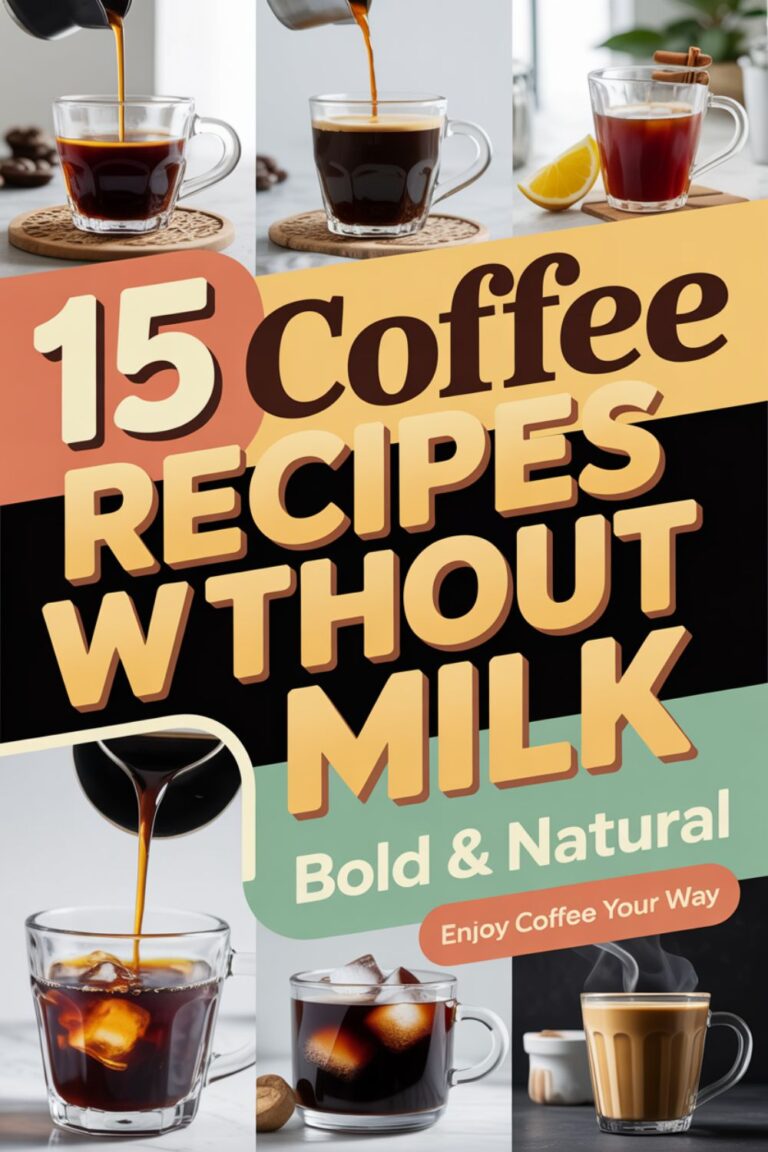
15 Coffee Recipes Without Milk That’ll Make You Forget Dairy Ever Existed
15 Coffee Recipes Without Milk That’ll Make You Forget Dairy Ever Existed 15 Coffee Recipes Without Milk That’ll Make You Forget Dairy Ever Existed Look, I get it. You’re lactose intolerant, vegan, or just tired of dumping cream into your coffee like it’s some kind of liquid dessert. Maybe you’re trying to cut calories, or…
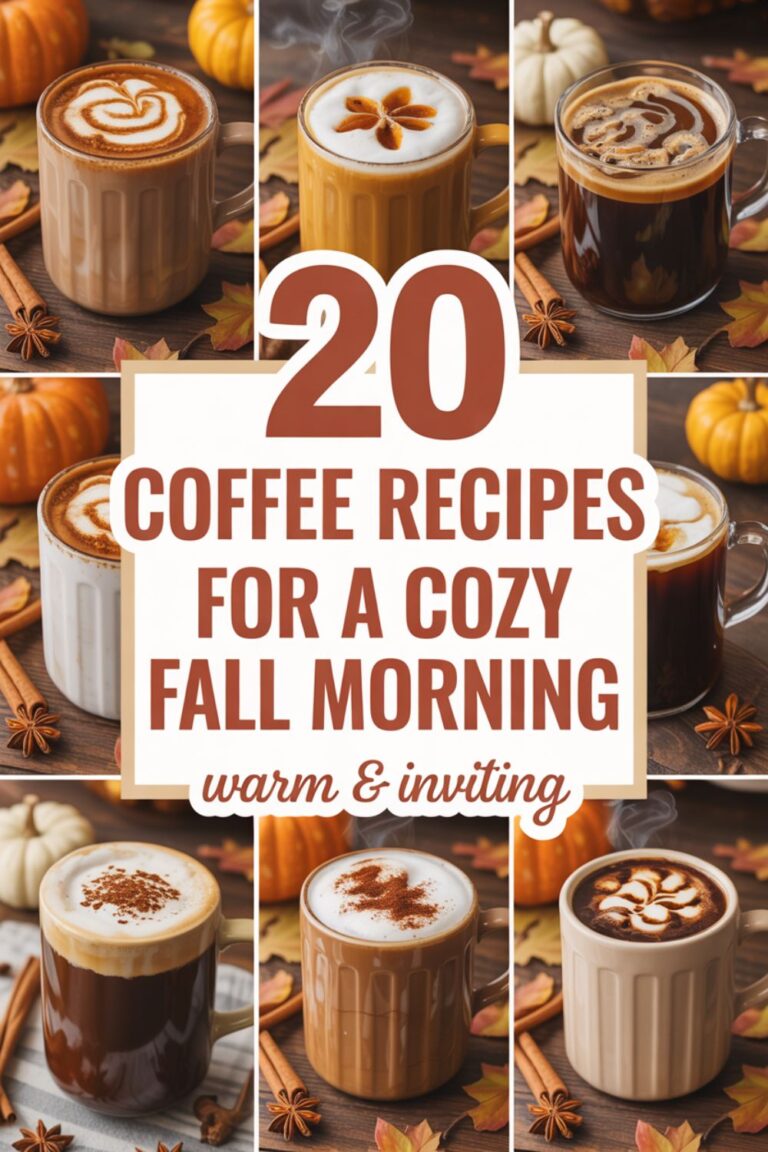
20 Coffee Recipes for a Cozy Fall Morning
20 Coffee Recipes for a Cozy Fall Morning Build Your Perfect Coffee & Tea Meal Your Goal Weight LossMuscle BuildingBalanced NutritionEnergy Boost Calorie Level Low (1200-1500)Medium (1500-1800)High (1800-2200) Diet Style Coffee LoverPlant-BasedLow SugarKeto Friendly Prep Style Quick & EasyBatch PrepFresh Daily Generate Your Plan 20 Coffee Recipes for a Cozy Fall Morning There’s something magical…
7 Day Anti-Inflammatory Meal Plan for Endometriosis
7 Day Anti-Inflammatory Meal Plan for Endometriosis Let’s be real — living with endometriosis is exhausting. The pain, the bloating, the fatigue that hits you out of nowhere… it’s a lot. And while no meal plan is going to magically make endometriosis disappear (wouldn’t that be nice? :/), eating an anti-inflammatory diet can genuinely reduce…
15 Healthy Coffee Recipes to Boost Your Metabolism
15 Healthy Coffee Recipes to Boost Your Metabolism Build Your Perfect Coffee & Tea Meal Your Goal Select your goalWeight LossBuild MuscleEnergy BoostBalanced Health Calorie Level Select levelLow (Under 100)Medium (100-200)High (200+) Diet Style Metabolism Boosting Prep Style Select styleQuick (Under 5 min)Batch PrepFresh Daily Generate Your Plan 15 Healthy Coffee Recipes to Boost Your…