12 DIY Tea Blends for Gifts or Personal Use
Create your own custom tea blends that rival anything you’ll find in fancy boutiques
You know that feeling when you walk into a tea shop and get hit with that wall of aromatic bliss? The kind that makes you want to buy everything in sight, even though half those tins will sit untouched in your pantry for the next three years? Yeah, I’ve been there. But here’s the thing: you can create those same incredible blends at home for a fraction of the cost, and honestly, they taste even better because you made them yourself.
I started making my own tea blends about five years ago out of sheer frustration with overpriced store-bought options. What began as a cost-saving measure turned into an obsession. Now I’ve got jars lined up in my kitchen like some kind of apothecary, and friends actually request my custom blends as gifts. The best part? It’s ridiculously easy once you understand the basics.
Whether you’re looking to create personalized gifts or just want to elevate your daily tea ritual, these 12 DIY blends will transform how you think about tea. We’re talking everything from energizing morning blends to soothing bedtime concoctions, plus a few surprises that’ll make you wonder why you ever bought pre-made tea in the first place.
Why Blend Your Own Tea? (Besides Being Impossibly Cool)
Let’s get real for a second. Store-bought tea blends cost anywhere from $12 to $25 for a tiny tin that lasts maybe two weeks if you’re a daily tea drinker. The markup on these things is absolutely insane. When you buy individual ingredients and blend them yourself, you’re looking at maybe $3 to $5 for the same quantity, and you have complete control over the flavor profile.
But it’s not just about saving money. Custom tea blending lets you tailor everything to your exact preferences – from the strength to the sweetness to the specific health benefits you’re after. Hate artificial flavoring? Done. Want more antioxidants? Easy. Need something that actually helps you sleep instead of just claiming to? You got it.
Research from Harvard Health shows that herbal teas contain various bioactive compounds that offer genuine health benefits, from antioxidants to anti-inflammatory properties. When you blend your own, you’re maximizing these benefits by combining complementary herbs that work synergistically together.
The Basics of Tea Blending (That Nobody Tells You)
Before we dive into specific recipes, let’s talk about the fundamentals because this isn’t just about throwing random herbs together and hoping for the best. There’s actually a method to the madness.
Understanding Base Teas vs. Herbal Additions
Base teas (black, green, white, oolong) come from the Camellia sinensis plant and contain caffeine. They provide structure and body to your blend. Herbal additions (chamomile, peppermint, rooibos, hibiscus) are technically tisanes and add flavor, aroma, and specific health benefits without caffeine – unless you count yerba mate, which plays by its own rules.
The key is balancing these elements. A blend that’s all herbs might taste flat, while one that’s all base tea can be too astringent. Think of it like cooking – you need your main ingredients and your supporting cast. Speaking of beverages that balance flavor perfectly, if you’re into creative drink recipes, you might want to explore some easy homemade coffee recipes that use similar blending principles.
The Three-Layer Approach
Professional tea blenders typically work in three layers:
- Primary flavor (60-70%): Your base tea or dominant herb that defines the blend’s character
- Supporting flavors (20-30%): Complementary herbs and spices that add complexity
- Accent notes (10%): Small amounts of powerful ingredients like dried citrus peel, rose petals, or vanilla that provide the “wow” factor
This ratio isn’t set in stone, but it’s a solid starting point that prevents any single ingredient from completely dominating. I learned this the hard way after making a “mint blend” that was basically just peppermint with a few sad tea leaves floating around. Not my finest moment.
Essential Equipment (You Probably Already Own)
Good news: you don’t need fancy equipment to start blending tea. A bowl and a spoon will technically work, but if you want to level up your tea game, here are the tools that actually make a difference.
First up, you’ll need airtight glass jars for storage. I’m obsessed with these amber glass containers with metal lids – they keep everything fresh and look gorgeous lined up on your counter. Light degrades tea quality faster than you’d think, so skip the clear jars unless you’re storing them in a dark cabinet.
A small kitchen scale is non-negotiable if you want consistency. Measuring by volume works fine for personal use, but when you create a blend you love and want to recreate it exactly, you need precise measurements. This digital scale that measures to 0.1 grams has been my constant companion.
For actually mixing your blends, I use this wide wooden bowl and bamboo spoon set – it sounds precious, but wood doesn’t retain flavors like plastic or metal might. Plus it makes me feel like some kind of tea wizard, which is honestly half the fun.
The 12 DIY Tea Blends (Tested, Approved, Obsessed Over)
Alright, let’s get to the good stuff. I’m sharing my twelve most-requested blends, each with its own personality and purpose. I’ve made these dozens of times, tweaked the ratios, and gotten feedback from friends who are now completely spoiled and refuse to drink store-bought tea. You’re welcome in advance.
1. Morning Kickstart Blend
This is what I reach for when coffee feels too aggressive but I still need to function. The combination of black tea, ginger, and cardamom provides sustained energy without the jittery crash. The cinnamon adds natural sweetness so you can skip the sugar, and the orange peel brings a bright citrus note that wakes up your taste buds.
Ratio: 3 parts black tea, 1 part dried ginger, 0.5 parts cardamom pods (crushed), 0.5 parts cinnamon chips, 0.25 parts dried orange peel
Brew it strong for 4-5 minutes, and it’s like a warm hug that also happens to make you productive. Get Full Recipe for detailed instructions and brewing tips.
“I gave this blend to my sister who’s not even a tea person, and now she texts me every week asking when I’m making another batch. She says it’s replaced her morning coffee completely.” – Jessica from our community
2. Zen Garden Chamomile Blend
This blend is basically meditation in a cup. Chamomile forms the base – it’s got apigenin, a compound that binds to brain receptors to reduce anxiety. I’ve added lavender for its calming aromatics and lemon balm because it’s been shown to ease stress and improve sleep quality.
Ratio: 3 parts chamomile flowers, 1 part dried lavender, 0.5 parts lemon balm, 0.25 parts dried rose petals, pinch of dried mint
The rose petals aren’t just for looks – they add a subtle floral note that rounds out the blend. And that tiny bit of mint? It keeps things from getting too “potpourri-ish,” which can happen with floral-heavy blends. Trust me on this one.
If you’re into drinks that help you wind down, you might also enjoy these coffee smoothies – though those are more for mornings than evenings!
3. Immunity Warrior Blend
I developed this blend during cold season when everyone in my office was dropping like flies, and I remained mysteriously healthy. Coincidence? Maybe. But I’m not taking any chances, so I drink this preventatively all winter long.
Echinacea, elderberry, and rosehip are the heavy hitters here – all three have been studied for their immune-supporting properties. The ginger adds spice and anti-inflammatory benefits, while the orange peel pumps up the vitamin C content. Recent research published in peer-reviewed journals confirms that herbal blends containing these ingredients offer measurable health benefits through their bioactive compounds.
Ratio: 2 parts rooibos base, 1 part echinacea, 0.5 parts elderberries, 0.5 parts rosehips, 0.5 parts fresh ginger, 0.25 parts orange peel, 0.25 parts cinnamon
This one tastes slightly medicinal (in a good way) with a tangy sweetness from the berries and citrus. Get Full Recipe for my secret brewing technique that maximizes the immune-boosting compounds.
4. Digestive Ease Peppermint Blend
After a heavy meal, this blend is your best friend. Peppermint is clinically proven to soothe digestive discomfort – it’s not just folklore, there’s actual science backing this up. I’ve combined it with fennel seeds (which reduce bloating) and ginger (which calms nausea).
Ratio: 3 parts peppermint leaves, 1 part fennel seeds (slightly crushed), 0.5 parts fresh ginger, 0.25 parts licorice root, 0.25 parts chamomile
The mortar and pestle I use for crushing the fennel seeds makes a huge difference in releasing the essential oils. You could use a spice grinder, but don’t pulverize them – you want them cracked, not powdered. For more digestive-friendly drinks, these healthy coffee recipes with nut milks are surprisingly gentle on the stomach.
5. Afternoon Pick-Me-Up Blend
That 3 PM slump is real, but chugging more coffee isn’t always the answer. This blend uses green tea as the base – it has less caffeine than black tea but enough to boost focus. The peppermint adds mental clarity, and the lemon verbena brings bright, energizing notes without being overwhelmingly citrusy.
Ratio: 3 parts green tea, 1 part peppermint, 0.5 parts lemon verbena, 0.25 parts gotu kola, 0.25 parts rosemary
Gotu kola might sound exotic, but it’s worth seeking out – it’s been used for centuries to enhance cognitive function. The tiny amount of rosemary might seem weird, but it adds an herbaceous note that keeps the blend interesting.
6. Sleep Sanctuary Blend
I’m going to be honest: this blend won’t knock you out like prescription sleep medication, but it definitely creates the right conditions for good sleep. Valerian root is the star player here – studies show it can reduce the time it takes to fall asleep. Passionflower boosts GABA levels in the brain, which reduces anxiety and promotes relaxation.
Ratio: 2 parts chamomile, 1 part valerian root, 0.5 parts passionflower, 0.5 parts lavender, 0.25 parts catnip (yes, really), 0.25 parts lemon balm
Fair warning: valerian root has a distinctive earthy smell that some people find off-putting. The other ingredients help mask it, but if you’re sensitive to strong herbal scents, start with less valerian and adjust from there. For more bedtime beverage options, check out these warming drinks – though stick to the decaf options at night!
7. Spiced Chai Masala Blend
Store-bought chai is usually disappointing – too sweet, not enough spice, barely any real tea. This homemade version is the real deal, inspired by authentic Indian masala chai. The combination of warming spices with robust black tea creates something complex and deeply satisfying.
Ratio: 4 parts strong black tea (Assam works great), 1 part crushed cardamom pods, 0.5 parts fresh ginger, 0.5 parts cinnamon chips, 0.25 parts whole cloves, 0.25 parts black peppercorns, 0.25 parts fennel seeds, pinch of star anise
The black pepper might surprise you, but it adds a subtle heat that balances the sweetness of the spices. Brew this strong with milk (dairy or plant-based – I like oat milk) and a touch of raw honey from this local beekeepers collection. Get Full Recipe for the traditional brewing method that makes all the difference.
8. Tropical Paradise Blend
This one started as an experiment to use up leftover dried mango from my bulk bin shopping spree, and it accidentally became one of my most popular blends. The combination of hibiscus, dried mango, and coconut tastes like vacation in a cup – tangy, sweet, and utterly transportive.
Ratio: 2 parts hibiscus flowers, 1 part dried mango chunks, 0.5 parts dried pineapple, 0.5 parts coconut flakes, 0.25 parts dried lime peel, 0.25 parts lemongrass
Here’s the trick: use unsweetened coconut flakes – the sweetened kind makes it taste like dessert, which isn’t necessarily bad, but it’s not what we’re going for. This blend is naturally caffeine-free and makes incredible iced tea. Brew it strong, let it cool, pour over ice, and pretend you’re somewhere tropical instead of staring at your laptop screen.
9. Focus & Clarity Blend
When I need to do deep work and can’t afford distractions, this is my go-to blend. Ginkgo biloba has been studied for its cognitive benefits, rosemary improves memory and concentration, and the green tea base provides steady caffeine plus L-theanine for focused calm.
Ratio: 3 parts green tea, 1 part ginkgo biloba, 0.5 parts rosemary, 0.5 parts peppermint, 0.25 parts gotu kola, 0.25 parts lemon balm
This blend tastes herbaceous and slightly minty – not everyone’s cup of tea (pun absolutely intended), but it works. I brew this in my temperature-controlled electric kettle at exactly 175°F because green tea gets bitter if the water’s too hot. That level of control makes a noticeable difference.
10. Detox & Refresh Blend
Let’s be clear: no tea will “detox” your liver – that’s what your liver is already doing on its own. But this blend does support your body’s natural processes with ingredients that promote healthy digestion and hydration. Dandelion root supports liver function, burdock root aids blood purification, and milk thistle has hepatoprotective properties.
Ratio: 2 parts dandelion root, 1 part burdock root, 0.5 parts milk thistle, 0.5 parts nettle leaf, 0.5 parts lemongrass, 0.25 parts ginger, 0.25 parts turmeric
This one tastes earthy and slightly bitter, which I actually like, but you can add a squeeze of lemon and some manuka honey if you prefer it sweeter. For more health-focused beverages, these metabolism-boosting recipes take a similar nutritional approach.
11. Romance Rose & Vanilla Blend
This blend makes an absolutely gorgeous gift for tea lovers. The combination of rose, vanilla, and white tea is delicate, sophisticated, and smells like a fancy spa. Rose petals contain antioxidants and have anti-inflammatory properties, but honestly, they’re here mostly because they’re beautiful and taste amazing.
Ratio: 3 parts white tea, 1 part dried rose petals, 0.5 parts dried strawberries, 0.25 parts vanilla bean (chopped), 0.25 parts dried hibiscus for color, pinch of lavender
Pro tip: use food-grade rose petals specifically meant for culinary use, not roses from the florist which are often treated with chemicals. This blend is incredible iced with a splash of rose water for extra floral notes. Get Full Recipe for gift packaging ideas that’ll make you look like a professional.
12. Energizing Citrus Mint Blend
This is my summer staple – bright, refreshing, and energizing without being caffeinated. Peppermint provides a cooling sensation, the citrus peels add vitamin C and zingy flavor, and rooibos forms a smooth, naturally sweet base. It’s perfect hot or iced, morning or afternoon.
Ratio: 3 parts rooibos, 1 part peppermint, 0.5 parts dried lemon peel, 0.5 parts dried orange peel, 0.25 parts lemongrass, 0.25 parts dried lime peel, 0.25 parts ginger
The secret to this blend is using quality dried citrus peels – cheap ones taste bitter and papery. I actually make my own by drying orange and lemon peels in my food dehydrator, which takes like 6 hours but makes a huge difference in flavor. If you’re into citrus-forward drinks, definitely check out these cold brew variations that use similar bright flavor profiles.
Essential Tea Blending Tools & Resources
After years of making my own blends, I’ve figured out which tools are actually worth the investment and which ones just take up cabinet space. Here’s what I genuinely use on a regular basis – no fluff, just stuff that makes the tea blending process easier and more enjoyable.
Physical Products That Changed My Tea Game
Amber Glass Storage Jars with Airtight Lids
These aren’t just pretty – the amber glass protects your tea blends from light degradation, which keeps everything fresher longer. I started with a set of 12 and now own probably 30. They’re stackable, dishwasher safe, and the metal lids create an actual seal instead of just sitting on top like those cheap screw-tops.
Precision Digital Kitchen Scale
This scale measures down to 0.1 grams, which matters when you’re working with potent ingredients like valerian root or ginkgo biloba. It’s compact, the display is backlit (game changer at 6 AM), and it auto-shuts off to save battery. I’ve dropped mine twice and it’s still perfectly accurate.
Marble Mortar and Pestle Set
For crushing spices, cardamom pods, and fennel seeds, you need something heavy. This marble one is substantial enough to actually crush things without sliding around your counter. Plus it looks gorgeous displayed on your kitchen counter, which is important when you’re going for that apothecary aesthetic.
Digital Resources Worth Having
Complete Herbal Tea Blending Masterclass
This digital course covers advanced blending techniques, herbal interactions, and therapeutic applications I wish I’d known when I started. It’s taught by a clinical herbalist and includes printable reference charts for herb properties, contraindications, and flavor pairing suggestions. Worth every penny.
Tea Blend Recipe Manager App
Track your experiments, save successful ratios, and organize recipes by category or health benefit. The app calculates cost per serving and has a notes section where you can record brewing times and observations. It’s saved me from the chaos of scattered recipe cards and random phone notes.
Medicinal Herbs Reference Database
A comprehensive digital reference that covers herb interactions, therapeutic properties, safe dosing guidelines, and contraindications. It’s searchable, regularly updated, and has saved me multiple trips to the library when I’m researching new ingredients. The section on herb-drug interactions alone is worth it.
Sourcing Quality Ingredients (Where to Actually Buy This Stuff)
You can’t make great tea from mediocre ingredients – it’s just not happening. I learned this after buying cheap chamomile from a random online seller and wondering why my blend tasted like dusty hay. Quality matters, and fortunately, sourcing good stuff isn’t as hard as you might think.
Local Options First
Your local health food store, co-op, or even the bulk section at places like Whole Foods often carry loose herbs and teas. The advantage here is you can smell and sometimes taste before buying. Look for organic certification when possible – herbs are heavily sprayed with pesticides, and you’re steeping these in hot water and drinking them.
I’ve built relationships with a few local herbalists who source really high-quality stuff. One tip: ask when their shipments arrive and shop then for the freshest inventory. Herbs lose potency over time, so you want the newest stock possible.
Online Resources That Don’t Suck
For harder-to-find ingredients, I’ve had good luck with Mountain Rose Herbs, Starwest Botanicals, and Frontier Co-op. They’re reputable, sell organic products, and provide detailed information about sourcing and processing. Their prices are reasonable, especially if you’re buying in bulk.
Amazon is hit or miss – some sellers are great, others are basically selling sawdust and calling it herbs. Check reviews carefully and stick to established brands. Those suspiciously cheap options usually are too good to be true.
“I was skeptical about buying herbs online until I tried the sources recommended by tea blending communities. The difference in quality compared to grocery store stuff is unreal – my blends went from ‘meh’ to ‘wow’ overnight.” – Michael from our tea blending group
Gifting Your DIY Blends (Make Them Look Professional)
Half the joy of making your own tea blends is giving them away and watching people’s faces light up. But presentation matters – you can’t just dump tea into a ziplock bag and call it a gift, unless your friends are way more forgiving than mine.
I buy kraft paper bags with windows in bulk from this packaging supply shop. They’re inexpensive, look professional, and show off the beautiful colors of your blends. Add a custom label with the blend name, ingredients list, and brewing instructions – I use printable sticker paper and design my labels in Canva, which is free and surprisingly powerful.
For fancier gifts, glass tea canisters with cork lids are gorgeous. Include a handwritten note explaining the blend’s benefits and your personal connection to it. That personal touch transforms it from “here’s some tea” to “I thought about you specifically and made this for you.”
Pro move: pair your tea blend with a beautiful ceramic tea infuser or a hand-thrown teacup from a local potter. Now you’ve got a complete, thoughtful gift that shows serious effort. For more gift-worthy beverage ideas, these homemade coffee syrups make equally impressive presents.
Storage and Shelf Life (Keep Your Blends Fresh)
You went through all this effort to make amazing tea – don’t let it go stale because you stored it wrong. Light, air, heat, and moisture are the enemies of tea freshness. Glass jars are pretty, but only if they’re in a dark cupboard or made of UV-protective amber glass.
The general rule is that tea blends stay at peak quality for about 6 months to a year, depending on the ingredients. Whole spices last longer than ground ones. Delicate flowers like rose and lavender lose potency faster than robust roots like ginger and turmeric. Label everything with the date you made it – future you will appreciate this.
If you’re making large batches for gifts, consider vacuum sealing portions with this food saver system. It extends shelf life significantly and looks super professional. I keep my personal stash in my pantry in those amber jars, and they stay fresh for months.
Common Blending Mistakes (That I’ve Totally Made)
Let me save you from my learning curve. Here are the biggest mistakes I made when I started blending tea, so you can skip straight to the good stuff.
Using Too Many Ingredients
More is not better. I once made a blend with 12 different herbs because I thought complexity equaled sophistication. It tasted like confused potpourri. Stick to 4-6 ingredients maximum for most blends – your palate can only distinguish so many flavors at once. Simple blends done well beat complicated messes every time.
Ignoring Ratios
Throwing in random amounts of stuff and hoping for the best rarely works. Some herbs are subtle, others are overpowering. Peppermint, for example, will dominate everything if you use too much. Start conservative – you can always add more, but you can’t un-blend.
Not Testing Before Making a Big Batch
This should be obvious, but I’ve made this mistake more than once. Make a small test batch first, brew it, taste it, adjust as needed, and only then make your full quantity. I’ve wasted so much money on large batches of blends that turned out disappointing.
Buying Pre-Ground Spices
They’re convenient, sure, but they lose flavor incredibly fast. Buy whole spices and grind or crush them yourself right before blending – the difference in flavor is dramatic. That jar of pre-ground cardamom you’ve had for two years isn’t doing your blends any favors.
Health Benefits and Considerations
While I’m clearly enthusiastic about tea blending, let’s talk seriously for a moment about health stuff. Herbs are powerful – that’s why they work, but it’s also why you need to be thoughtful about using them.
Don’t treat herbal tea as medical treatment – it’s complementary wellness, not replacement medicine. If you have health conditions or take medications, talk to your doctor before consuming large amounts of herbal tea. Some herbs interact with medications in ways that matter.
That said, the research on herbal teas is genuinely promising. Studies published in scientific journals have demonstrated measurable health benefits from regular herbal tea consumption, from antioxidant effects to immune support. The key is consistency and reasonable expectations.
Herbs to Use Cautiously
- Valerian root: Can interact with sedatives and shouldn’t be used before driving
- Hibiscus: May lower blood pressure and interact with diuretics
- Licorice root: Can raise blood pressure and interact with certain heart medications
- St. John’s Wort: Interacts with many medications including birth control
- Ginkgo: Can affect blood clotting and interacts with blood thinners
I’m not trying to scare you – these herbs are generally safe for most people in normal tea amounts. Just be informed and use common sense. Start with small amounts when trying new herbs, and pay attention to how your body responds.
Advanced Blending Techniques (For When You’re Ready to Level Up)
Once you’ve mastered basic blends, here’s where it gets fun. These techniques are what separate casual tea blending from serious craft.
Layering Flavors Intentionally
Think about flavor progression – what hits your palate first, what develops in the middle, what lingers. Front notes are the immediate flavors (citrus, mint), middle notes form the body (base teas, primary herbs), and back notes are what stays after you swallow (spices, roots). Professional perfumers think this way, and so should you.
Seasonal Blending
Match your blends to the season. Summer blends should be bright and cooling – hibiscus, mint, citrus. Winter blends want warming spices – cinnamon, ginger, cardamom. This isn’t just aesthetic – your body actually craves different things in different seasons. For seasonal inspiration, check out these lighter coffee drinks for summer and these warming coffee desserts for winter.
Creating Signature Blends
The ultimate goal: developing a blend so distinctly yours that people recognize it. This takes time and lots of experimentation. I have one blend I’ve been refining for three years – tiny tweaks to the ratios, trying different base teas, adjusting the spice levels. It’s become my signature, and friends specifically request it.
Related Recipes You’ll Love
If you’ve enjoyed diving into DIY tea blending, these related recipes will take your beverage game even further. From coffee creations to complementary treats, here’s everything that pairs perfectly with your new tea obsession:
More Morning Beverage Ideas:
Cold & Refreshing Options:
Quick & Simple Drinks:
Sweet Treats to Pair with Tea:
DIY Beverage Additions:
Frequently Asked Questions
How long do homemade tea blends stay fresh?
When stored properly in airtight containers away from light, heat, and moisture, most tea blends maintain peak quality for 6-12 months. Whole spices and dried roots last longer than delicate flowers and leaves. You’ll know your blend is past its prime when the aroma fades significantly – if you open your jar and barely smell anything, it’s time to make a fresh batch. Always label your blends with the date you made them so you can track freshness.
Can I mix caffeinated and herbal teas in the same blend?
Absolutely! Many of the best blends combine caffeinated base teas like black or green tea with caffeine-free herbs and spices. This lets you control the caffeine level while adding complex flavors and health benefits. Just be mindful of your total caffeine intake, especially if you’re drinking multiple cups daily. FYI, green tea has about half the caffeine of black tea, so adjust your base tea choice based on your desired energy level.
Do I need to worry about herb interactions or side effects?
For most people drinking normal amounts of tea, herb interactions aren’t a major concern, but it’s smart to be informed. Certain herbs can interact with medications – hibiscus with blood pressure meds, St. John’s Wort with birth control, valerian with sedatives, and ginkgo with blood thinners are the main ones to watch. If you’re on any medications or have health conditions, run your blend ingredients past your doctor. Pregnant or nursing? Definitely check before consuming medicinal herbs regularly.
What’s the difference between loose leaf tea and tea bags for blending?
Always use loose leaf ingredients for blending – they’re higher quality, fresher, and you have better control over ratios. Tea bags contain fannings (tiny broken pieces) that brew quickly but lack the complex flavors of whole leaves. When you’re creating custom blends, you want premium ingredients that showcase their individual characteristics. Once you’ve created your blend, you can always portion it into reusable tea bags or infusers for convenience, but start with loose leaf for the blending process itself.
Where should I buy herbs and tea for blending?
Local health food stores and co-ops with bulk herb sections are ideal because you can smell before buying and get exactly the quantity you need. For online shopping, Mountain Rose Herbs, Starwest Botanicals, and Frontier Co-op are reliable sources with good quality control and organic options. Avoid suspiciously cheap herbs on Amazon unless they’re from established brands with solid reviews – quality varies wildly. IMO, spending a bit more on premium ingredients is worth it because the flavor difference is dramatic and your blends will last months anyway.
Your Tea Blending Journey Starts Now
If you’ve read this far, you’re clearly serious about stepping up your tea game, and I’m here for it. Making your own tea blends transforms something mundane into a creative practice that’s part science, part art, and entirely addictive once you get started.
Start simple – pick one or two blends from this list that speak to you and make small batches. Play with the ratios, trust your taste buds, and don’t stress about perfection. Some of my best blends happened because I ran out of an ingredient and improvised with what I had on hand.
The beauty of DIY tea blending is that there are no real rules once you understand the basics. Want more lavender in your sleepy blend? Do it. Think your chai needs extra cardamom? Add it. Your palate is the ultimate authority here, not some tea sommelier who’ll judge your unconventional combinations.
Now get out there and start blending. Your friends, your taste buds, and your wallet will thank you. And when people inevitably ask where you bought your amazing tea, just smile mysteriously and tell them it’s a secret family recipe.
Similar Posts
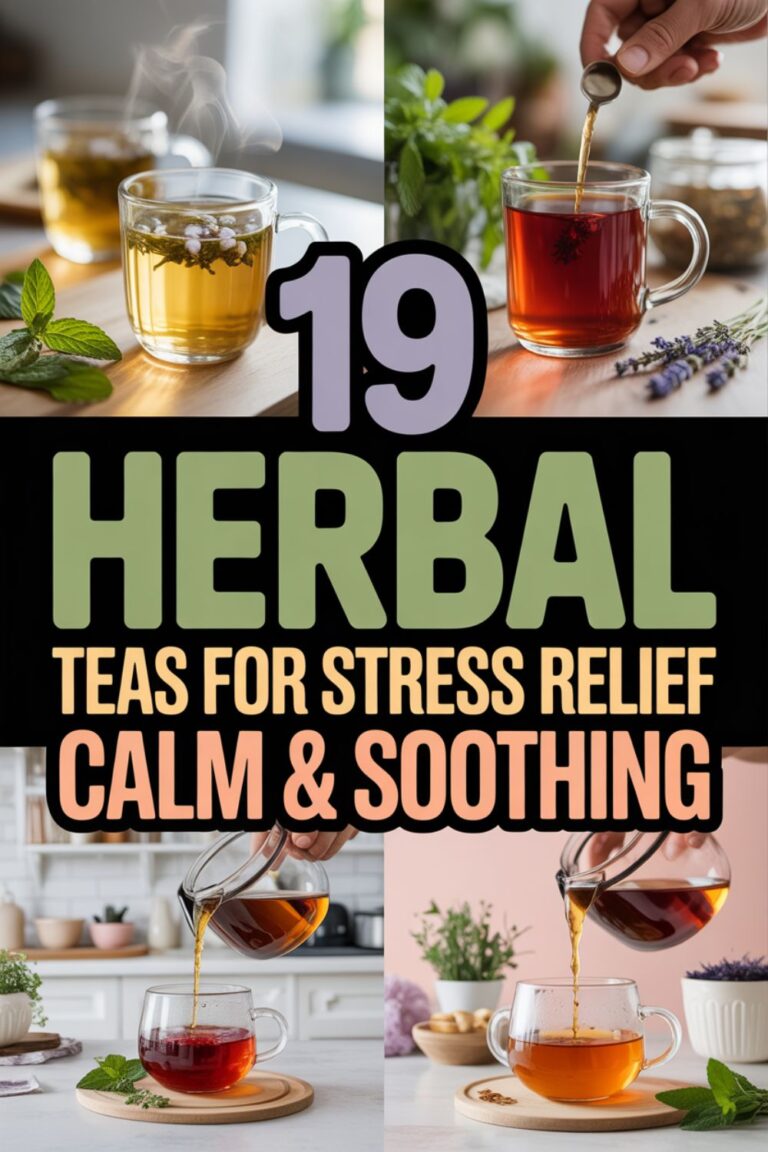
19 Herbal Teas for Stress Relief That You’ll Actually Want to Drink Every Day
19 Herbal Teas for Stress Relief That Actually Work | Plateful Life Plateful Life Wellness & Herbal Drinks 19 Herbal Teas for Stress Relief That You’ll Actually Want to Drink Every Day Because your nervous system deserves better than another doom-scroll session and a third cup of coffee. 19 Herbal Teas Research-Backed Benefits Caffeine-Free Picks…
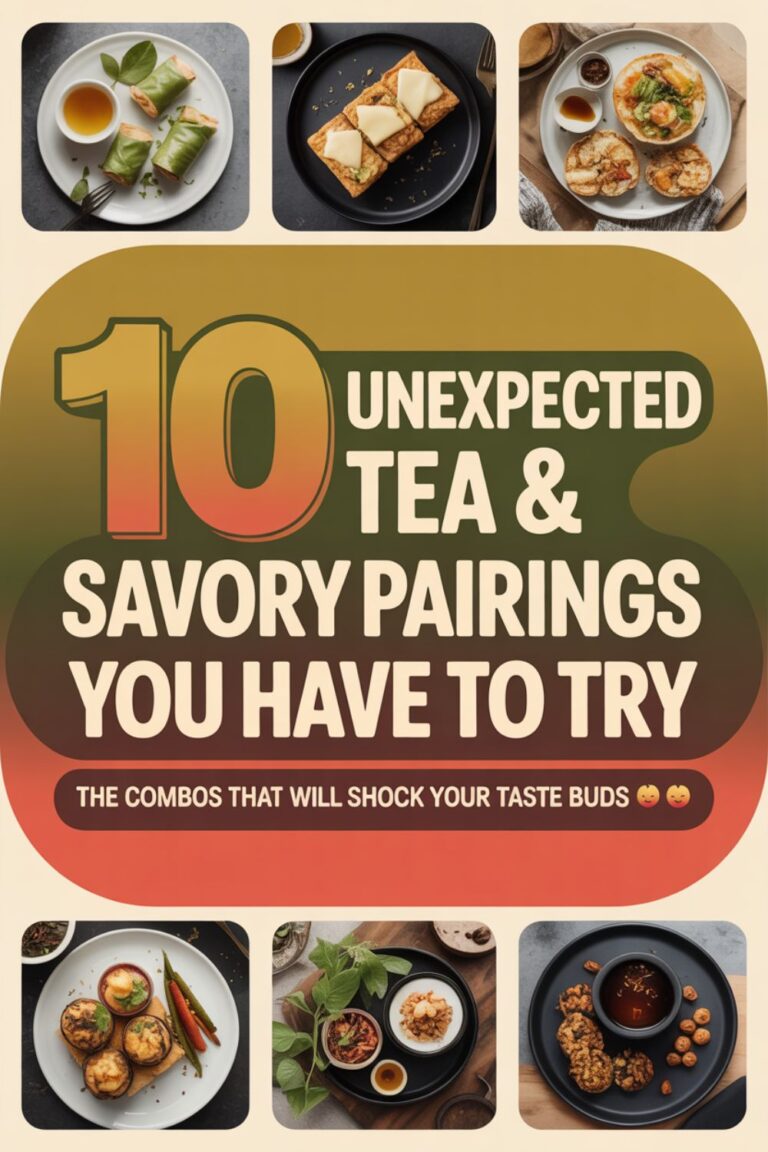
10 Unexpected Tea and Savory Food Pairings
10 Unexpected Tea and Savory Food Pairings 10 Unexpected Tea and Savory Food Pairings Because Your Taste Buds Deserve an Adventure Look, I’ll level with you—when most people think about tea pairings, their minds immediately jump to scones, cookies, or maybe some delicate finger sandwiches at a fancy afternoon tea. But what if I told…
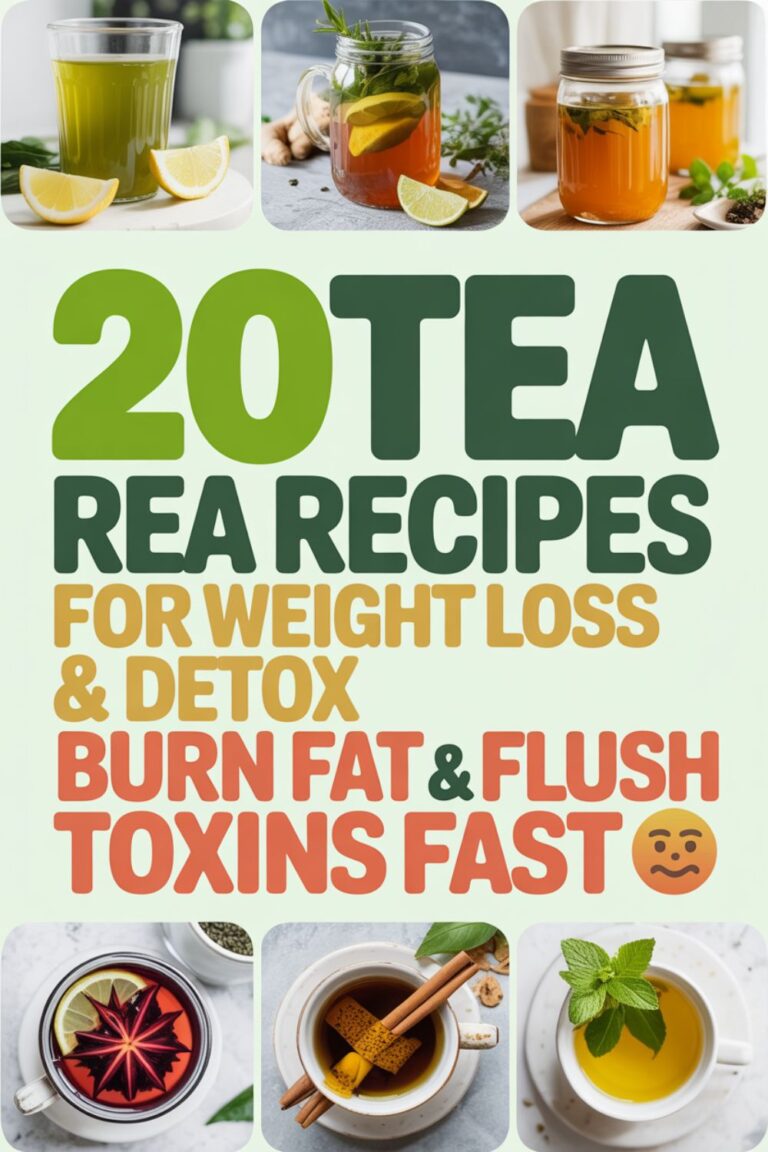
20 Tea Recipes for Weight Loss and Detox
20 Tea Recipes for Weight Loss and Detox 20 Tea Recipes for Weight Loss and Detox Look, I’m not here to sell you some miracle weight-loss cure wrapped in pretty tea bags. But if you’re tired of bland water and want something that actually tastes good while supporting your health goals, you’re in the right…
12 Best Teas to Boost Your Immune System
12 Best Teas to Boost Your Immune System | Plateful Life 12 Best Teas to Boost Your Immune System Look, I get it. You’re tired of catching every single bug that floats through your office. One minute you’re feeling great, the next you’re wrapped in a blanket fortress, clutching tissues like they’re your last lifeline….
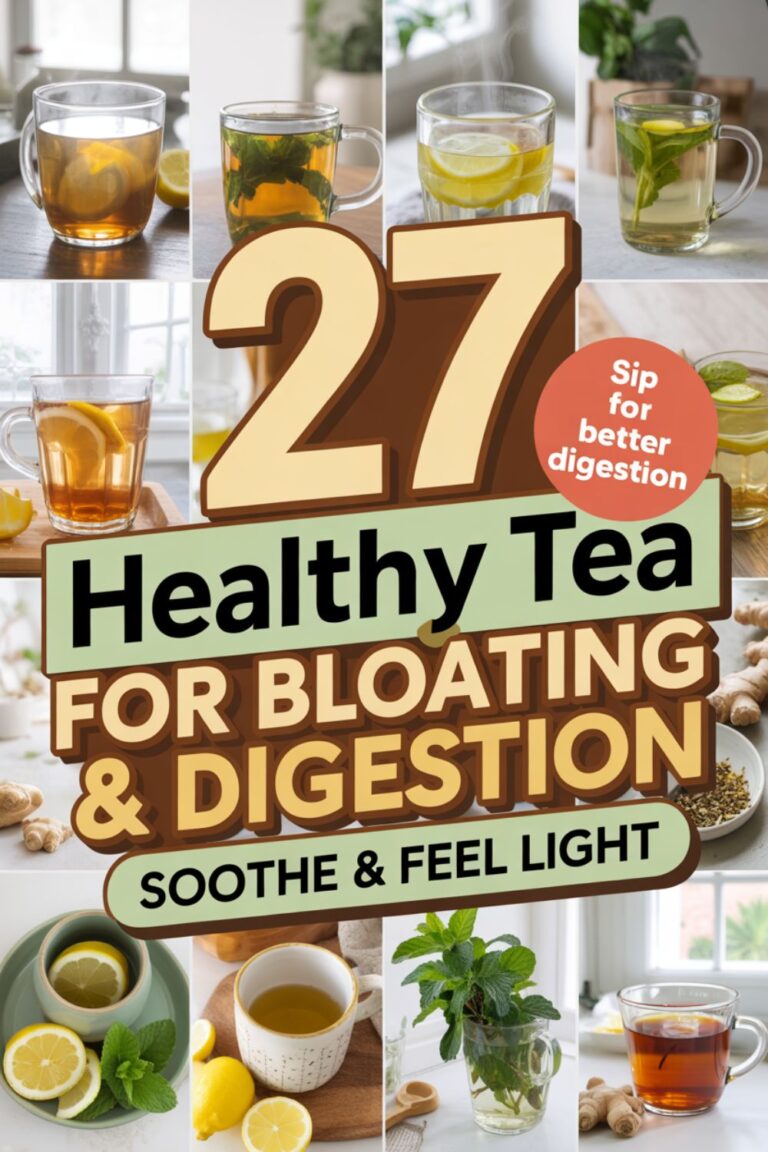
27 Healthy Tea Recipes for Bloating & Digestion
27 Healthy Tea Recipes for Bloating & Digestion | Plateful Life Plateful Life — Teas, Tonics & Everyday Wellness Digestion & Wellness 27 Healthy Tea Recipes for Bloating & Digestion Soothing brews your gut will actually thank you for — no supplements required. By the Plateful Life Kitchen • Updated February 2026 • 12 min…