15 Tea and Cheese Pairings for Your Next Party
Look, I know what you’re thinking. Tea and cheese? Together? Sounds like something your eccentric aunt would serve at a garden party, right? But hear me out—this pairing is about to become your new party trick.
Wine and cheese have hogged the spotlight for way too long. Sure, they’re classic, but let’s be honest: not everyone drinks wine, and some of us just want something a little different. That’s where tea comes in. It’s got the same complex flavor profiles, the tannins, the terroir—all that fancy stuff that makes wine snobs go weak in the knees. Plus, tea won’t leave your guests feeling fuzzy-headed before dessert.
I stumbled into this pairing game by accident. I was hosting a brunch and ran out of mimosa supplies (classic me), so I threw together a cheese board and started brewing whatever teas I had. Turns out, my guests were more excited about the Earl Grey with aged gouda than they would’ve been about champagne. Who knew?
So whether you’re planning an elegant afternoon gathering or just want to impress your foodie friends, these 15 tea and cheese pairings will have everyone asking for your secret. Let’s get into it.
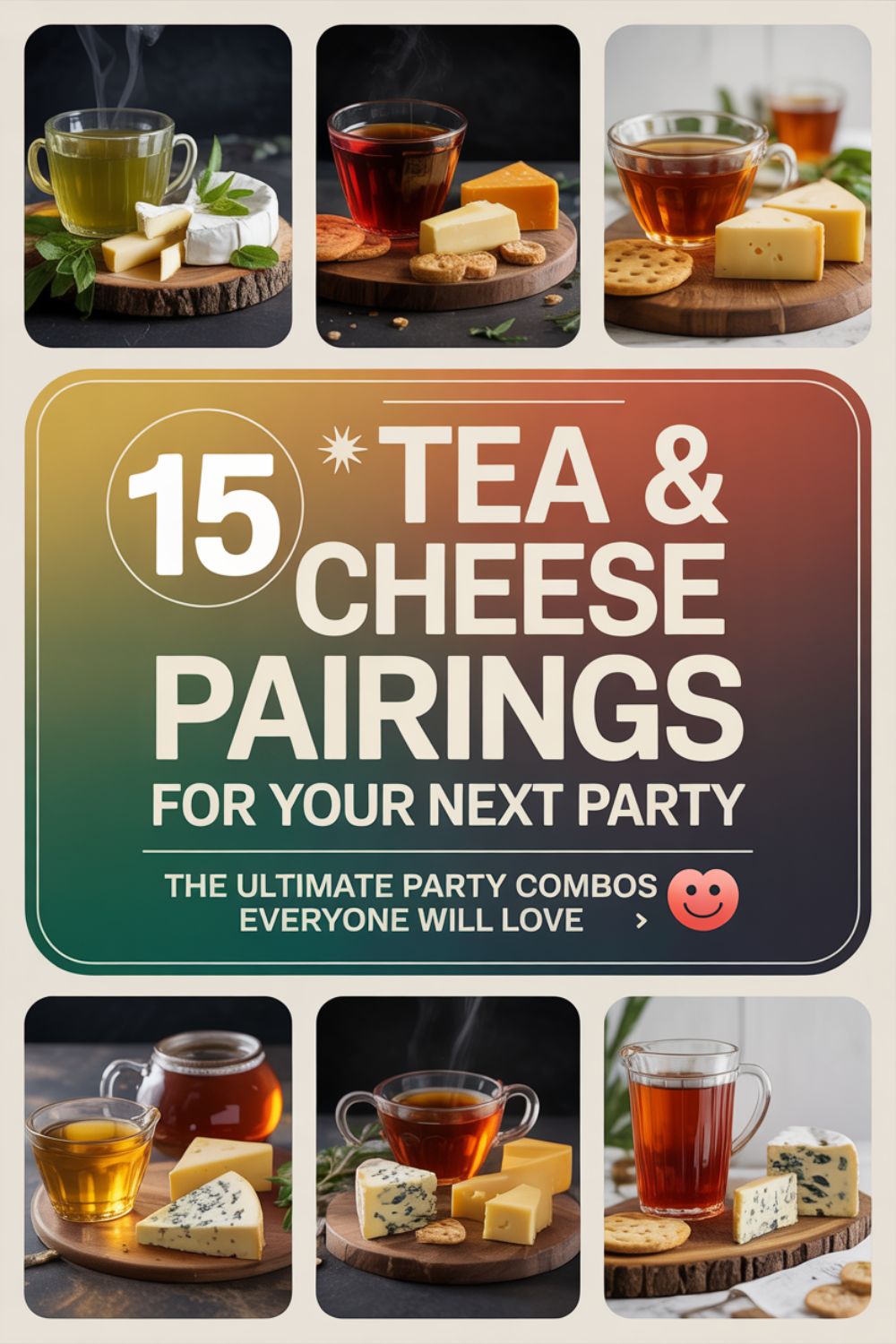
Why Tea and Cheese Work Better Than You Think
Before we jump into the pairings, let’s talk about why this combo actually makes sense. Tea isn’t just flavored hot water—it’s a complex beverage with tannins, astringency, and flavor notes that rival any fine wine. Different teas have wildly different characteristics, from the grassy brightness of green tea to the smoky depth of lapsang souchong.
Cheese, on the other hand, runs the gamut from mild and creamy to sharp and funky. When you bring them together, something magical happens. The warmth of the tea opens up the flavors in the cheese, pulling out notes you might miss otherwise. Meanwhile, the fat and protein in cheese soften the astringency of certain teas, creating a balanced bite.
According to Cheese Grotto’s pairing guide, matching intensity levels is key. Light teas with delicate cheeses, bold teas with strong cheeses—it’s not rocket science, but it does require a little thought.
The 15 Best Tea and Cheese Pairings
1. Earl Grey and Aged Cheddar
Starting strong with a classic. The bergamot notes in Earl Grey cut through the sharpness of aged cheddar like a hot knife through… well, cheese. The citrusy floral quality complements the nutty, crystalline texture of a well-aged cheddar. It’s sophisticated without being pretentious, which is exactly the vibe you want.
I use this porcelain tea infuser for brewing loose leaf Earl Grey—it gives you better control over the strength, and let’s face it, it looks way cooler than a sad tea bag. Get Full Recipe for a twist on traditional Earl Grey.
2. Jasmine Green Tea and Fresh Goat Cheese
This pairing is all about delicate flavors playing nicely together. Jasmine tea has this ethereal, floral quality that could easily get bullied by a strong cheese. But with fresh chèvre? It’s perfect. The tanginess of the goat cheese brings out the subtle sweetness in the tea, while the tea’s lightness keeps the cheese from feeling too heavy.
Fresh goat cheese is one of those ingredients that sounds fancy but is actually super versatile. If you’re feeling ambitious, you can even make your own with this cheese-making kit. Or, you know, just buy it from the store. No judgment here.
Looking for more ways to use green tea in your entertaining? Check out these healthy beverage recipes with natural ingredients and smoothie ideas for your next brunch.
3. Pu-erh and Aged Gouda
Now we’re getting into the funky stuff. Pu-erh is a fermented tea with this deep, earthy, almost mushroomy flavor. It’s not for everyone, but if you’re into it, pairing it with aged gouda is a revelation. The nuttiness of the gouda matches the earthiness of the tea, and both have this satisfying complexity that keeps you coming back for more.
The best part? Both get better with age. It’s like the George Clooney of food pairings—mature, distinguished, and inexplicably better than the younger versions.
4. White Tea and Burrata
If you’re going for elegance, this is your pairing. White tea is minimally processed, which means it’s delicate and subtle with a slight sweetness. Burrata, with its creamy stracciatella center, is equally refined. Together, they’re like a whisper of flavor—nothing overpowering, just pure, simple deliciousness.
This is the pairing you serve when you want to look like you know what you’re doing. Arrange it on a nice plate, maybe add some fresh basil and a drizzle of good olive oil, and boom—you’re basically a food stylist.
5. Lapsang Souchong and Smoked Gouda
Here’s where things get interesting. Lapsang souchong is a smoked black tea, and it’s not messing around. It tastes like a campfire in the best possible way. Pair it with smoked gouda, and you’ve got a double dose of smoky goodness that’s somehow more than the sum of its parts.
Fair warning: this pairing is divisive. Some people will lose their minds over it, while others will politely excuse themselves. But that’s what makes it fun, right? For those who love smoky flavors, you’ll want to check out these cozy fall recipes that celebrate bold, warming flavors.
6. Sencha and Manchego
Sencha is your straightforward, no-nonsense green tea. It’s got that grassy, vegetal quality that’s refreshing without being overly delicate. Manchego, a Spanish sheep’s milk cheese, has a firm texture and nutty flavor that stands up beautifully to sencha’s brightness.
This pairing works because both components have backbone. Neither is shy, but they’re not competing either. It’s the kind of balance you hope to achieve in all your relationships, really.
“I tried the sencha and manchego pairing at my book club, and everyone was obsessed. We ended up spending more time talking about cheese than the book. No regrets.”
— Rachel M., from our community7. Chamomile Tea and Mild Blue Cheese
Stay with me on this one. I know blue cheese isn’t everyone’s jam, but if you go with a mild, creamy blue like Cambozola, it’s way more approachable. Chamomile’s sweet, floral notes actually tame the funk of the blue cheese, creating this surprisingly harmonious balance.
It’s like when you pair a sweet dessert wine with Roquefort—same principle, just without the alcohol. Plus, chamomile is naturally calming, so it takes the edge off the intensity of the cheese. Win-win.
8. Darjeeling and Brie
Darjeeling is often called the “champagne of teas,” and honestly, that’s not marketing hype. It’s got this delicate, muscatel quality with floral notes that make it feel special. Pair it with a classic brie, and you’ve got a combination that’s both accessible and elegant.
The creaminess of the brie softens any astringency in the darjeeling, while the tea brings out the subtle mushroomy notes in the cheese. It’s sophisticated enough for a dinner party but easy enough for a Tuesday night. Need more inspiration? Try these easy homemade beverage recipes for more entertaining ideas.
If you’re building a full spread, don’t miss these breakfast pairing ideas or dessert combinations that complement your tea party beautifully.
9. Oolong Tea and Gruyère
Oolong is that perfect middle ground between green and black tea—partially oxidized with complex, layered flavors. It can be floral, fruity, or even slightly roasted depending on the variety. Gruyère, with its sweet, nutty character, is equally complex. Together, they’re like a conversation between two interesting people who actually listen to each other.
This pairing is great because both elements are substantial enough to hold their own. Neither fades into the background, which makes for a more engaging tasting experience.
10. Rooibos and Cream Cheese
Rooibos is technically an herbal tea (it’s not from the Camellia sinensis plant), but it’s too good to leave out. It’s naturally sweet with vanilla and honey notes, and it’s completely caffeine-free, which makes it perfect for evening gatherings. Pair it with a simple cream cheese—maybe one with herbs or a touch of honey—and you’ve got a pairing that’s comforting and familiar.
This is the pairing you offer when someone says they don’t like tea or cheese. It’s gentle, approachable, and harder to dislike than most combinations.
11. Assam Black Tea and Parmesan
Assam is a bold, malty black tea with robust, almost brassy notes. It’s the tea that says “I’m here, deal with it.” Aged Parmesan is similarly assertive—salty, crystalline, and full of umami. When you pair them, neither backs down, and somehow that works perfectly.
This is a pairing for people who like big flavors. It’s not subtle, but it’s honest. Just make sure you’re using real Parmigiano-Reggiano, not the stuff in the green can. Your taste buds will thank you.
12. Matcha and Fresh Mozzarella
Matcha is having a moment, and for good reason. That vibrant green powder is packed with flavor—grassy, slightly bitter, and intensely earthy. Fresh mozzarella, especially the good stuff that’s still warm from being made, is mild and milky with a delicate texture. The contrast here is what makes it work.
The bitterness of the matcha is softened by the creaminess of the mozzarella, while the cheese provides a clean canvas for the tea’s complexity to shine. Plus, the bright green tea next to white cheese looks striking on a platter. Food is visual, people. According to research from The Cheese Professor, pairing considerations should include visual appeal alongside flavor compatibility.
13. English Breakfast Tea and Sharp Cheddar
If you want a pairing that feels like home, this is it. English Breakfast tea is bold and brisk, perfect with milk or on its own. Sharp cheddar is tangy and assertive, with a bite that wakes up your palate. Together, they’re comforting in that “rainy Sunday afternoon” kind of way.
This is the pairing I default to when I don’t want to overthink things. It’s reliable, satisfying, and universally liked. Sometimes simple is best. If you enjoy straightforward beverage pairings, explore these quick three-ingredient drinks.
14. Hibiscus Tea and Feta
Hibiscus tea is tart, fruity, and a gorgeous deep red color. It’s got this cranberry-like tanginess that’s incredibly refreshing. Feta, being briny and salty, might seem like an odd match, but that’s where the magic happens. The tartness of the tea cuts through the saltiness of the cheese, creating a bright, lively flavor combo.
This pairing is especially great in summer when you want something that feels light and energizing. Serve it chilled and watch your guests perk up.
15. Genmaicha and Havarti
Let’s end with something a little unexpected. Genmaicha is green tea mixed with roasted rice, giving it a nutty, toasty quality that’s totally unique. Havarti is a mild, buttery Danish cheese that’s creamy without being overwhelming. The toasted rice notes in the tea echo the buttery richness of the cheese, creating a pairing that’s comforting and interesting at the same time.
It’s the kind of combination that makes people pause and say, “Wait, what is this?” And that’s exactly what you want at a party.
Party Essentials for Your Tea & Cheese Gathering
After hosting way too many of these events, I’ve figured out what actually makes a difference. Here are the tools and resources that’ll make your party look effortless (even if you’re panicking in the kitchen five minutes before guests arrive).
Physical Products
Bamboo Cheese Board Set – Because presentation matters, and this one has those cute little compartments for honey and jams
Glass Tea Kettle – Watching the tea steep is half the fun. Plus, your guests can see what they’re drinking
Porcelain Tasting Cups – Small, elegant, and they don’t get too hot to hold. Game-changer for tea parties
Digital Resources
Tea & Cheese Pairing Chart (Printable) – A cheat sheet you can frame or print. Your guests will appreciate having the guide handy
Tea Tasting Journal Template – For the nerds (like me) who want to track what worked and what didn’t
Party Planning Checklist – Because forgetting the napkins is a rookie mistake I’ll never make again
Setting Up Your Tea and Cheese Tasting
Okay, so you’ve got your pairings figured out. Now what? The setup matters more than you’d think. You want to create an experience, not just throw cheese on a board and call it a day.
Start light and build intensity. Just like with wine tastings, you want to begin with the most delicate pairings and work your way up to the boldest. This prevents flavor fatigue and lets your guests appreciate the subtleties before hitting them with the big guns.
Here’s a flow that works: white tea with burrata, jasmine with goat cheese, sencha with manchego, Earl Grey with aged cheddar, and finish with lapsang souchong and smoked gouda. By the time you get to that smoky finish, everyone’s palate is warmed up and ready for it.
Temperature matters. Room temperature cheese, hot tea (unless it’s a cold brew situation). Cold cheese is basically flavorless, and lukewarm tea is just sad. Use this electric kettle with temperature control to get your water to the exact right temp for each tea variety. Green teas usually want around 175°F, blacks can handle boiling water, and white teas like it even cooler.
“I hosted my first tea and cheese party last month using this guide, and it was such a hit. Three people asked me when the next one would be before they even left. I’m basically a pairing expert now.”
— Jennifer K., reader feedbackDon’t forget the palate cleansers. Plain crackers, sliced apples, or a simple baguette work great. You want something neutral to reset between pairings so flavors don’t muddle together. I keep a basket of these water crackers on hand—they’re flavorless in the best way.
Want to expand your beverage repertoire? These iced coffee variations and cold brew ideas offer similar pairing potential for warmer weather gatherings.
Common Mistakes to Avoid
Let me save you from the mistakes I’ve made along the way, because trust me, I’ve made them all.
Over-brewing the tea. We’ve all been there. You get distracted, the timer goes off while you’re arranging cheese, and suddenly your tea tastes like bitter regret. Most teas should steep for 3-5 minutes max. Set a timer. Seriously.
Using pre-shredded cheese. I get it, it’s convenient. But pre-shredded cheese is coated in cellulose to prevent clumping, which messes with the texture and flavor. Just buy the block and cut it yourself. It takes two extra minutes, and the difference is massive.
Forgetting about dietary restrictions. Always have at least one dairy-free cheese option. There are some surprisingly good nut-based cheeses out there now. And if someone doesn’t drink caffeine, offer rooibos or herbal options. Being an inclusive host is never a bad move.
Going overboard with variety. More isn’t always better. Five to seven pairings is plenty. Any more than that and people get overwhelmed. Plus, you’ll spend the whole party brewing tea and cutting cheese instead of actually enjoying yourself.
Beyond the Basics: Getting Creative
Once you’ve mastered the standard pairings, it’s time to experiment. This is where things get really fun.
Try infused cheeses. There are cheddars with whiskey, goudas with cumin, and bries with truffle. Pair these with complementary tea flavors. A chai-spiced tea with a cumin gouda? Chef’s kiss.
Play with textures. Add honeycomb to your board and drizzle it over a firm cheese before sipping your tea. The sweetness and crunch add a whole new dimension. Or try candied nuts—the maple pecan variety works particularly well with oolong.
Consider tea-infused accompaniments. Earl Grey shortbread cookies, matcha butter, or chai-spiced jam can tie your whole spread together thematically. It’s not necessary, but it’s a nice touch that shows you really thought about the experience.
FYI, you can also do a “regional pairing” theme. Pair Japanese teas with Japanese cheeses (yes, they exist), or go full British with English Breakfast and cheddar from Somerset. It’s a fun way to add an educational element without being preachy about it. For more creative beverage ideas that can inspire your tea pairings, check out these cocktail recipes and flavored syrups.
The Science Behind the Pairing
Okay, let’s nerd out for a second. Understanding why these pairings work makes you appreciate them more (and makes you sound smart at parties).
Tannins are key. These are the compounds in tea that create that dry, astringent feeling in your mouth. They’re also in wine, which is why tea and wine pairings follow similar logic. The fat and protein in cheese bind with tannins, softening their intensity and creating a more balanced taste.
Umami amplification. Both aged cheeses and certain fermented teas (like pu-erh) are high in umami—that savory, meaty flavor. When you pair them, the umami compounds enhance each other, creating a deeper, more satisfying taste than either would have alone.
Temperature affects perception. Hot tea opens up volatile aromatic compounds in cheese that you wouldn’t notice otherwise. That’s why the same cheese tastes different when paired with hot tea versus cold. Science!
Your palate adapts as you eat and drink. That first bite of cheese tastes different from the fifth bite because your taste receptors have adjusted. This is why alternating between tea and cheese creates a more dynamic experience than eating all the cheese first and then drinking all the tea. Keep switching back and forth to keep your palate engaged.
Frequently Asked Questions
Can I prepare the cheese board ahead of time?
Absolutely, but with caveats. You can cut and arrange cheese up to 2 hours before guests arrive. Just cover it loosely with plastic wrap and keep it in a cool spot (not the fridge once it’s at room temp). The tea, however, should be brewed fresh—stale tea is worse than no tea.
If you need to prep further ahead, cut the cheese and store it wrapped in the fridge, then bring it out 45 minutes before serving. Trust me, room temperature cheese makes all the difference.
What if my guests don’t like tea?
First, have you met people who truly dislike all tea? They’re rare. But if you encounter one, offer alternatives like sparkling water with fresh herbs, or keep some fruit-infused water on hand. You could also include a coffee option—the pairing principles work similarly.
Some people just need the right tea introduction. Start them with something mild and familiar, like chamomile or vanilla rooibos, paired with cream cheese. It’s hard to hate that combination.
How much cheese and tea should I buy per person?
Plan for about 2-3 ounces of cheese per person if it’s part of a larger spread, or 4-5 ounces if cheese is the main event. For tea, assume one 8-ounce cup per person per pairing, though realistically people will have smaller tastings of each.
It’s better to have leftovers than to run out halfway through. Plus, leftover cheese is never a problem in my house. Leftover tea? Just cold brew it overnight and enjoy iced tea tomorrow.
Do I need fancy tea equipment?
Not at all. A simple kettle and some infusers will do the job. That said, if you’re getting into tea more seriously, a variable temperature kettle is worth the investment. Different teas need different water temperatures, and getting it right makes a noticeable difference.
For serving, regular teacups or even small glasses work fine. The tea doesn’t know if it’s in fancy china or a mason jar—it tastes the same. Save your money for better quality tea and cheese instead.
What’s the best way to describe pairings to my guests?
Keep it simple and avoid pretentious wine-speak. Instead of “notes of leather and tobacco,” say “earthy and a bit smoky.” Your guests will appreciate clarity over flowery language. Point out specific flavors to look for, like “notice how the bergamot in the Earl Grey brings out the nuttiness in the cheddar.”
Most importantly, encourage experimentation. If someone wants to mix pairings, let them. The goal is enjoyment, not following rules.
Making It Your Own
Here’s the thing about tea and cheese pairings—there are guidelines, but there are no absolute rules. What tastes amazing to me might not work for your palate, and that’s completely fine. The best pairing is the one you enjoy most.
Don’t be afraid to break the “rules.” Want to pair a bold black tea with a delicate fresh cheese? Try it. Maybe you’ll discover something I haven’t thought of yet. That’s the beauty of food—it’s subjective and personal.
Pay attention to what you like and why. Notice if you prefer contrasting flavors or complementary ones. Do you like when the tea cuts through the richness of the cheese, or do you prefer when they harmonize? Understanding your preferences will help you create better pairings in the future.
Keep a journal if you’re nerdy like me (no shame). Note what you tried, what worked, what didn’t, and why. Over time, you’ll develop an intuition for pairings that makes the whole process easier and more enjoyable.
IMO, the best way to learn is to host regular tasting sessions with friends. Make it casual—everyone brings a cheese or a tea, and you experiment together. You’ll discover new combinations, and worst case scenario, you spent an evening eating cheese with people you like. Not exactly a tragedy.
The Bigger Picture
At the end of the day, tea and cheese pairings are about more than just flavor combinations. They’re about creating moments of connection and discovery. They’re about slowing down and actually tasting what you’re eating and drinking instead of mindlessly snacking while scrolling through your phone.
In our rush-rush-rush culture, taking time for a proper tasting feels almost rebellious. It’s a small act of resistance against fast food and faster living. And yeah, I know that sounds a bit dramatic for tea and cheese, but stay with me.
When you gather people around a table and encourage them to notice flavors, to compare notes, to be present with what they’re experiencing—that’s special. It’s the kind of thing people remember. Long after they forget what you served at other parties, they’ll remember that time you introduced them to the magical combination of pu-erh and aged gouda.
Plus, it’s just plain fun. There’s something delightfully nerdy about debating whether the Earl Grey or the Assam pairs better with cheddar. It’s low-stakes enjoyment at its finest—the kind of thing that makes ordinary Tuesday evenings feel a little more special.