10 Unexpected Tea and Savory Food Pairings
Look, I’ll level with you—when most people think about tea pairings, their minds immediately jump to scones, cookies, or maybe some delicate finger sandwiches at a fancy afternoon tea. But what if I told you that tea is actually one of the most versatile beverages for pairing with savory dishes? I’m talking grilled meats, spicy curries, aged cheeses—the works.
After years of experimenting (and yes, making some truly questionable combinations that shall remain nameless), I’ve discovered that the right tea can elevate a savory dish in ways that’ll make you question why we ever limited this incredible beverage to just the sweet stuff. Ready to blow your mind? Let’s get into it.
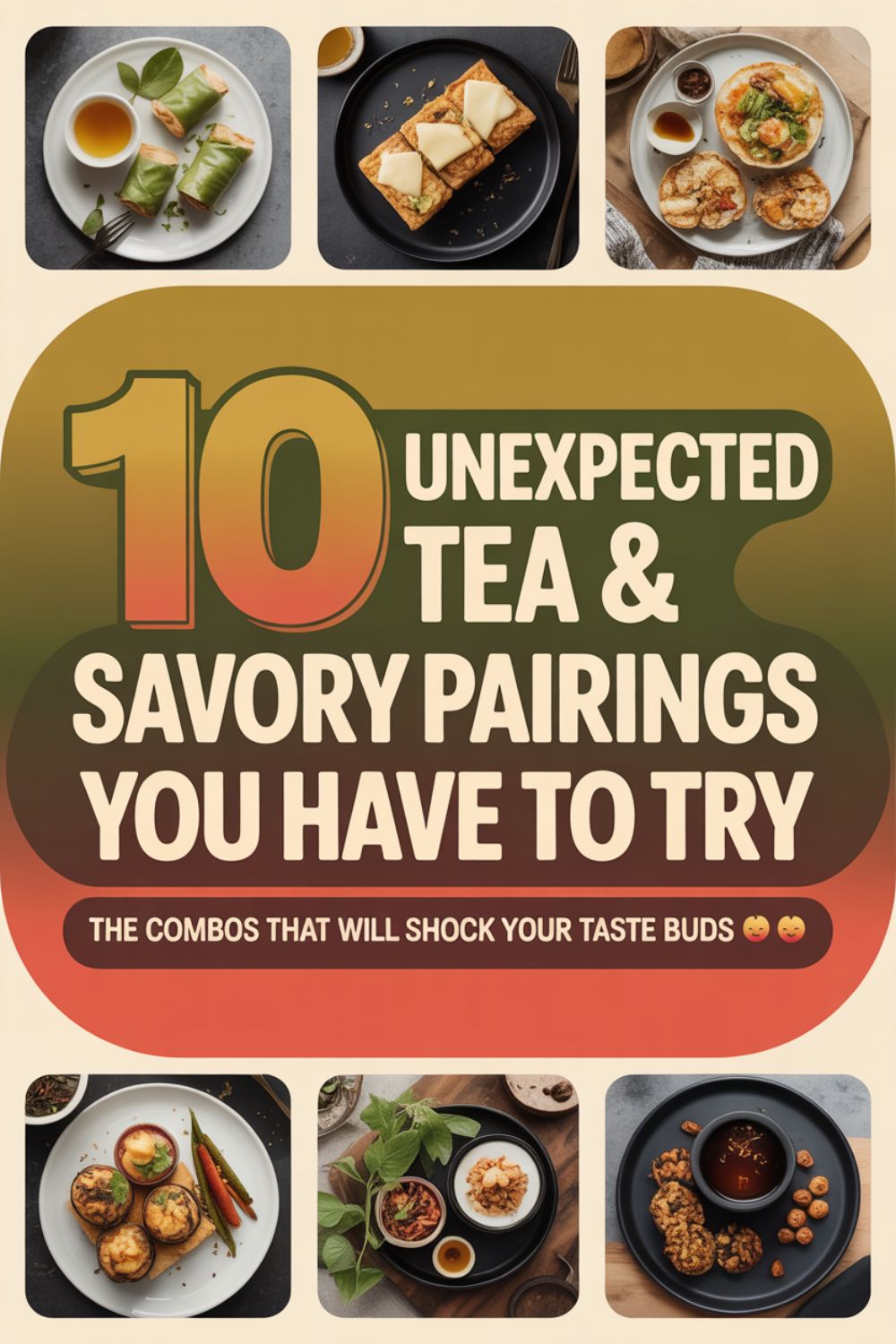
Why Tea and Savory Foods Actually Make Perfect Sense
Here’s something most people don’t realize: tea has been paired with meals for literally thousands of years in Asia. We’re just late to the party in the West. The reason it works so brilliantly is all about balance—tannins, acidity, and flavor profiles that can either complement or contrast with your food.
Think about wine pairings for a second. Same principle, different beverage. Tea contains polyphenols, which are antioxidant compounds that not only provide health benefits but also create complex flavor interactions with food. The tannins in black tea can cut through fatty foods just like a bold red wine, while the delicate notes in green tea enhance lighter fare without overwhelming it.
Start your tea pairing journey with room-temperature or lukewarm tea rather than piping hot. This allows you to taste the subtle flavor interactions more clearly without burning your palate.
The science behind it is actually fascinating. When you sip tea between bites, those polyphenols interact with the proteins and fats in your food, cleansing your palate and preparing it for the next flavor. It’s like hitting a reset button for your taste buds.
1. Smoky Lapsang Souchong with BBQ Ribs
This pairing is basically a match made in heaven. Lapsang Souchong, with its intense smoky flavor from being dried over pine fires, mirrors the char and smoke from your grill. I stumbled onto this combination at a friend’s backyard BBQ, and honestly, it was one of those lightbulb moments.
The tea’s bold, almost bacon-like flavor doesn’t compete with heavily seasoned ribs—it amplifies them. Plus, the tannins cut through all that rich, fatty goodness, preventing palate fatigue. I like to brew mine strong and serve it in these hefty ceramic mugs # that keep the temperature consistent throughout the meal.
What really seals the deal here is the complementary flavor profile. Both the tea and the BBQ have that deep, caramelized quality from the smoking process. It’s like they’re speaking the same delicious language.
2. Pu-erh Tea with Aged Cheddar and Charcuterie
Okay, this one might sound weird at first, but hear me out. Pu-erh is an earthy, fermented tea with this rich, almost mushroom-like quality. Pu-erh teas are particularly noted for their digestive benefits, making them ideal companions for rich, fatty foods like aged cheeses and cured meats.
The aging process in both the tea and the cheese creates these complex, umami-forward flavors that just sync up perfectly. I serve this pairing when friends come over for wine and cheese night—except we skip the wine. The looks I get are priceless until they actually try it.
Pro tip here: use a gaiwan or small teapot # for pu-erh since you’ll be doing multiple infusions throughout your cheese course. Each steeping brings out different notes that pair with different cheeses. It’s genuinely interactive dining.
3. Jasmine Green Tea with Spicy Thai Curry
Spicy food and tea might seem counterintuitive, but jasmine green tea is absolutely clutch with Thai curry. The floral notes cool down the heat without killing the flavor complexity, and the slight astringency refreshes your palate between bites.
I learned this trick from a Thai restaurant where they automatically serve jasmine tea with curry dishes. The sweetness from the jasmine flowers creates this beautiful contrast with the spicy, savory, and sometimes sour notes in the curry. It’s like a flavor rollercoaster, but in the best possible way.
The key is brewing it properly—you want it light and fragrant, not bitter. I use this glass teapot # so I can watch the leaves unfurl, which is weirdly therapeutic. Plus, the visual appeal adds to the whole dining experience.
4. Sencha with Sushi and Sashimi
This is probably the most traditional pairing on this list, but it deserves a spot because it’s criminally underrated in Western dining. Sencha, a Japanese green tea, has this grassy, slightly seaweed-like quality that absolutely sings with fresh fish.
The umami in the tea echoes the umami in the fish, creating this harmonious loop of deliciousness. It’s why sushi restaurants in Japan always serve green tea—it’s not just tradition, it’s smart flavor science. The tea also has natural antibacterial properties, which historically made it a practical pairing with raw fish.
Always serve sencha with sushi at around 160°F (70°C), not boiling. Higher temperatures bring out bitterness that can clash with the delicate fish flavors.
For the full experience, I recommend getting a traditional kyusu teapot # with a side handle. It makes pouring easier and looks absolutely gorgeous on the table.
5. Earl Grey with Roasted Chicken and Herbs
The bergamot oil in Earl Grey creates this citrusy, floral note that pairs ridiculously well with roasted chicken, especially when you’ve loaded it up with herbs like thyme and rosemary. The combination is elegant without being pretentious.
I discovered this pairing completely by accident during a lazy Sunday roast dinner. I was sipping leftover morning tea (don’t judge) and took a bite of chicken, and boom—revelation. The bright citrus notes cut through the richness of the chicken skin while complementing the herbal aromatics.
For an elevated presentation, I brew the Earl Grey in these vintage-style teacups # that make even a casual dinner feel special. Sometimes it’s the little touches that matter, you know?
Looking for more morning inspiration? Try these easy homemade coffee recipes or explore healthy coffee recipes with nut milks for a different approach to breakfast beverages.
6. Dragon Well (Longjing) with Pan-Fried Dumplings
Dragon Well is this beautiful Chinese green tea with a slightly sweet, nutty character. With pan-fried dumplings—especially pork or vegetable ones—it’s absolutely magical. The tea’s subtle sweetness plays off the savory filling while the vegetal notes complement the wrapper.
The texture contrast is also key here. Crispy dumpling bottoms, tender tops, and smooth tea create this multi-sensory experience that’s way more interesting than just drinking water or soda. Plus, the tea helps cut through any greasiness from the frying process.
I like to use a glass brewing cup # for Dragon Well because watching the leaves stand upright as they steep is genuinely mesmerizing. It’s called “dancing” and it’s one of the tea’s signature characteristics.
7. Chai with Indian Butter Chicken
Okay, this might seem obvious since both are from Indian cuisine, but stick with me—there’s more to it than regional authenticity. The warming spices in chai (cardamom, cinnamon, cloves, ginger) echo the spice profile in butter chicken without being redundant.
What makes this work is the milk in the chai. It creates a creamy bridge between sips and bites, smoothing out the experience. Research from Harvard’s nutrition source suggests that while milk may slightly reduce tea’s antioxidant capacity, the overall health benefits remain significant when consumed as part of a balanced diet.
I make my chai in this traditional pot # that lets me simmer everything together properly. None of that instant powder stuff—we’re going authentic here, and your taste buds will thank you.
Essential Tools for Tea and Food Pairing Adventures
Physical Tools You’ll Actually Use
Variable Temperature Electric Kettle #
Game-changer for getting precise temperatures for different tea types. No more guesswork, no more bitter brews. This thing has saved me from countless ruined pots of delicate green tea.
Cast Iron Teapot Set #
Retains heat beautifully and looks stunning on the table. Plus, it makes you feel like you’re running an actual tea ceremony even if you’re just having dinner on a Tuesday.
Bamboo Tea Tray #
Essential for multiple infusions and keeping your table clean. The built-in drainage system is clutch when you’re doing serious tea exploration.
Digital Resources That’ll Level Up Your Pairing Game
Tea Sommelier Online Course #
If you’re getting serious about this, understanding tea varietals, processing methods, and formal tasting techniques will completely transform how you approach pairings.
Tea Tasting Journal App #
Track your pairings, note what worked and what didn’t, and build your personal pairing library. Way better than random notes scattered across your phone.
Global Tea Recipe Collection #
Hundreds of traditional tea-based recipes from different cultures, including many savory preparations you’ve probably never considered.
8. Gunpowder Green Tea with Lamb Tagine
Gunpowder green tea has this slightly smoky, robust character that stands up beautifully to the complex spices in Moroccan lamb tagine. In fact, this pairing is traditional in Morocco, where mint tea (made with gunpowder green as the base) accompanies meals.
The tea’s boldness means it won’t get lost among the cumin, coriander, and cinnamon in the tagine. Instead, it acts as a flavor bridge, tying together the sweet dried fruits, savory meat, and aromatic spices into one cohesive experience.
I brew mine in a traditional Moroccan teapot # and pour from a height to aerate it—it’s not just for show, the aeration actually changes the texture and makes it more refreshing. Plus, it’s fun and makes you look like you know what you’re doing.
9. Hojicha with Grilled Salmon
Hojicha is roasted green tea, which gives it this toasty, caramel-like quality with almost no bitterness. With grilled salmon, especially if it has a nice char on it, the pairing is absolutely stellar. The roasted notes in both create this warm, comforting harmony.
What I love about this pairing is how accessible it is. Hojicha is low in caffeine, so it works for dinner without keeping you up all night. And salmon is, well, salmon—most people already love it. Put them together and you’ve got an approachable entry point into savory tea pairings.
Hojicha is one of the most forgiving teas to brew. You can use boiling water and steep it longer without the bitterness you’d get from other green teas. Perfect for beginners!
The nutty, roasted character also pairs well with other preparations. Try it with Get Full Recipe for breakfast dishes that feature similar toasted flavors, or experiment with it alongside grilled vegetables for a completely vegetarian experience.
10. White Tea with Fresh Oysters
This is my most controversial pairing, and I’m prepared to defend it. White tea is delicate, slightly sweet, and has this clean, refined character. Fresh oysters have a briny, mineral quality. Together, they create this ocean-meets-garden vibe that’s surprisingly beautiful.
The key is choosing the right white tea—something like Silver Needle that’s floral and sweet without being overpowering. The tea needs to complement the oyster’s natural flavors, not compete with them. It’s a high-wire act, but when you nail it, it’s spectacular.
I serve this pairing in these small glass cups # so the pale golden tea color looks elegant next to the oysters on ice. Presentation matters, people. We eat (and drink) with our eyes first.
For those exploring other unique beverage combinations, you might enjoy coffee smoothies for breakfast or cold brew variations for summer.
Understanding the Science Behind Tea Pairings
Let’s nerd out for a minute because understanding why these pairings work will help you create your own. According to food pairing research, tea possesses distinctive aromatic properties that create natural compatibility with certain ingredients—much like wine pairing principles.
The main factors at play are tannins, aromatics, and temperature. Tannins are those compounds that create that dry, puckering sensation in your mouth. They bind to proteins and fats, which is why tannic teas work so well with rich meats and cheeses. It’s literally chemistry cleaning your palate.
Aromatics are the volatile compounds that create tea’s complex bouquet. These can either mirror flavors in your food (like smoky tea with BBQ) or contrast them (like floral tea with spicy curry). There’s no right or wrong approach—it depends on what experience you’re trying to create.
Temperature matters more than you’d think. Hot tea opens up your taste receptors differently than cold tea. This is why iced tea often works better with lighter summer fare while hot tea suits heartier winter dishes. It’s not just about the weather; it’s about flavor perception.
Tips for Creating Your Own Tea Pairings
Now that you’ve seen these ten pairings, you’re probably itching to experiment on your own. Good. That’s the whole point. Here’s my framework for creating successful pairings from scratch.
Start with the dominant flavor in your dish. Is it fatty? Spicy? Delicate? Sweet? That tells you what kind of tea characteristics you need. Fatty foods need tannins. Spicy foods need either cooling florals or complementary warming spices. Delicate foods need subtle teas that won’t bulldoze them.
Consider the cooking method. Grilled foods often pair well with roasted or smoky teas. Steamed dishes work with lighter, more delicate teas. Fried foods benefit from astringent teas that cut through the oil. The preparation method gives you huge clues about tea compatibility.
Think regionally. Teas and foods from the same region often pair well because they’ve evolved together in the culinary tradition. Chinese teas with Chinese food, Japanese teas with Japanese food—it’s not always foolproof, but it’s a solid starting point when you’re stuck.
Don’t overthink it. Seriously. Some of my best pairings happened because I was drinking tea when dinner was ready, not because I planned some elaborate tasting menu. Stay curious, taste actively, and adjust as you go.
Common Mistakes to Avoid
Let me save you from some of the disasters I’ve created in my tea pairing journey. These mistakes are easy to make but equally easy to avoid once you know about them.
Over-steeping your tea. Bitter tea ruins everything. It doesn’t matter how perfect your food pairing is on paper—if the tea tastes like liquid suffering, the whole experience falls apart. Invest in a timer, or better yet, get a smart tea infuser # that handles timing for you.
Serving tea too hot. I know we love our piping hot beverages, but when you’re pairing with food, excessively hot tea actually numbs your palate. You want warm to hot, not volcanic. Around 150-170°F (65-75°C) is the sweet spot for most pairings.
Ignoring water quality. Your tea is like 99% water, so if your water tastes funky, your tea will taste funky. Use filtered water, or at minimum, cold tap water that you’ve let run for a moment. It makes a shocking difference.
Choosing overly flavored teas for complex dishes. That mango-passionfruit-vanilla-coconut tea might be delicious on its own, but it’s going to clash with most savory foods. Stick to pure teas or single-flower additions like jasmine or rose when pairing with meals.
Frequently Asked Questions
Can I use tea bags instead of loose leaf for food pairings?
Technically yes, but you’re limiting yourself. Tea bags typically contain lower quality tea that’s been broken into small pieces, which means less complexity and more bitterness. For serious food pairing, loose leaf gives you way more control over flavor. That said, if you’re just starting out and tea bags are what you have, go for it—better to experiment with tea bags than not experiment at all.
How much tea should I brew per person for a meal?
I typically plan for about 12-16 ounces (350-475ml) per person for a full meal, which accounts for multiple infusions or refills. Some teas, especially quality oolongs and pu-erhs, can be re-steeped multiple times, which stretches your tea further. Start with 6-8 ounces and have hot water ready for brewing more as needed.
Do these pairings work with iced tea?
Absolutely, though the flavor dynamics change slightly. Cold temperatures mute some flavors while amplifying others, so you might need to adjust brewing strength. Iced hojicha with grilled salmon works beautifully in summer, as does cold-brewed jasmine tea with spicy foods. The key is brewing specifically for cold consumption rather than just adding ice to hot tea.
What’s the shelf life of tea, and does it affect pairing quality?
Fresh tea makes better pairings, period. Most teas stay good for 6-12 months if stored properly in airtight containers away from light and moisture. Pu-erh is the exception—it actually improves with age. Old, stale tea loses its aromatic complexity, which is exactly what you need for interesting food pairings, so rotate your stock and buy smaller quantities more frequently.
Can I pair tea with desserts too, or just savory dishes?
Tea and desserts are actually the more traditional pairing in Western culture! Black teas work beautifully with chocolate and pastries, while floral oolongs complement fruit-based desserts. The same principles apply—match or contrast intensities, consider complementary flavors, and don’t let either the tea or dessert overpower the other. For ideas on beverage-dessert pairings, check out recipes specifically designed for Get Full Recipe sweet applications.
Final Thoughts: Your Tea Pairing Journey Starts Now
Here’s the thing about tea and savory food pairings—they’re way less intimidating than they seem. You don’t need a sommelier certification or a tea ceremony master’s degree. You just need curiosity, decent tea, and a willingness to experiment.
Start with one or two pairings from this list that genuinely excite you. Maybe it’s the BBQ and Lapsang Souchong because you’re a grill master, or maybe it’s the hojicha with salmon because you already cook fish regularly. Build from there. Take notes, trust your palate, and remember that your personal preference matters way more than anyone else’s opinion.
The beauty of tea pairing is that it’s accessible. Unlike wine, where a decent bottle for food pairing can cost $20-50, quality tea costs pennies per cup. You can experiment wildly without breaking the bank. Try the weird combinations. Break the rules. Create something uniquely yours.
And when you nail that perfect pairing—when the tea and food just click together in a way that makes you pause mid-bite and think “holy hell, this is amazing”—you’ll understand why I’m so passionate about this. It transforms everyday meals into memorable experiences, and honestly, isn’t that what good food and drink should do?
Now get out there and start pairing. Your taste buds have been waiting for this adventure.