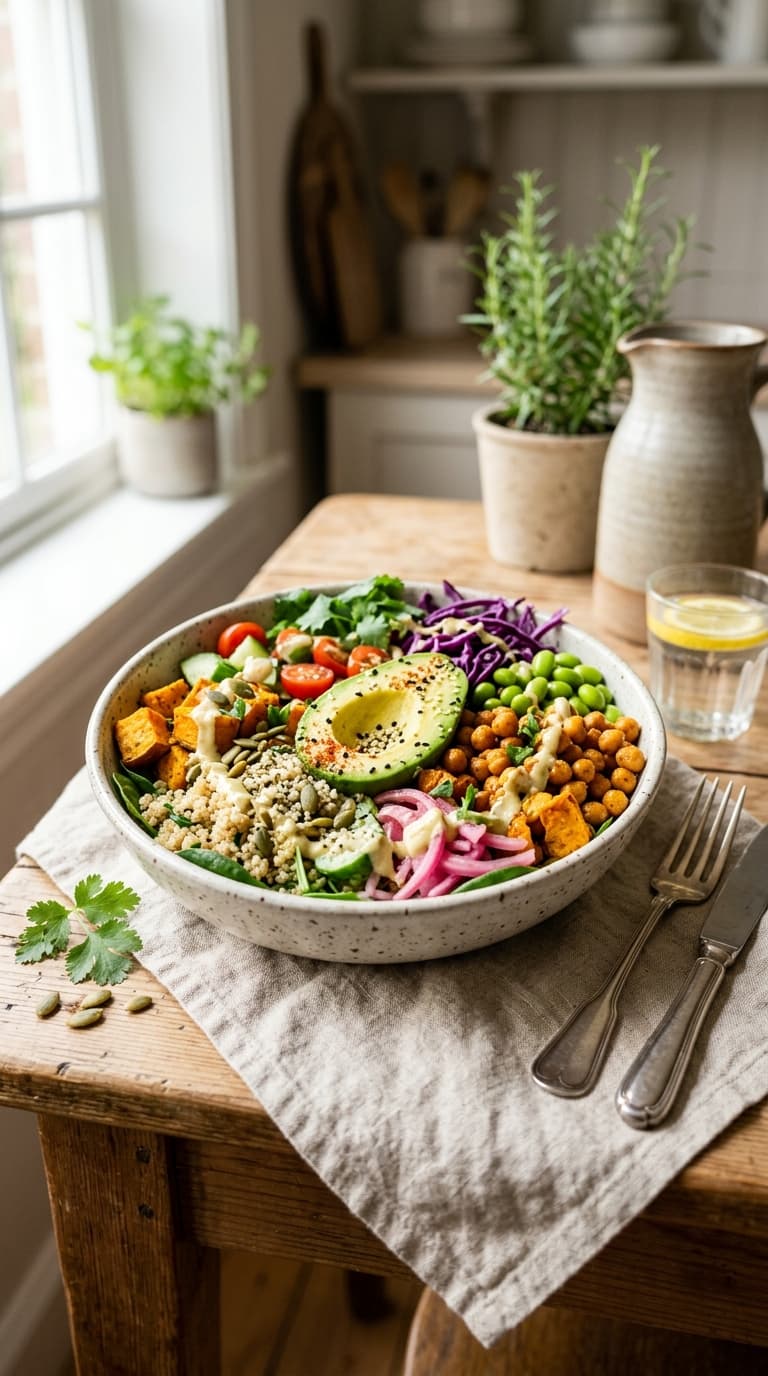
19 Anti-Inflammatory Buddha Bowl Recipes for Lunch
19 Anti-Inflammatory Buddha Bowl Recipes for Lunch
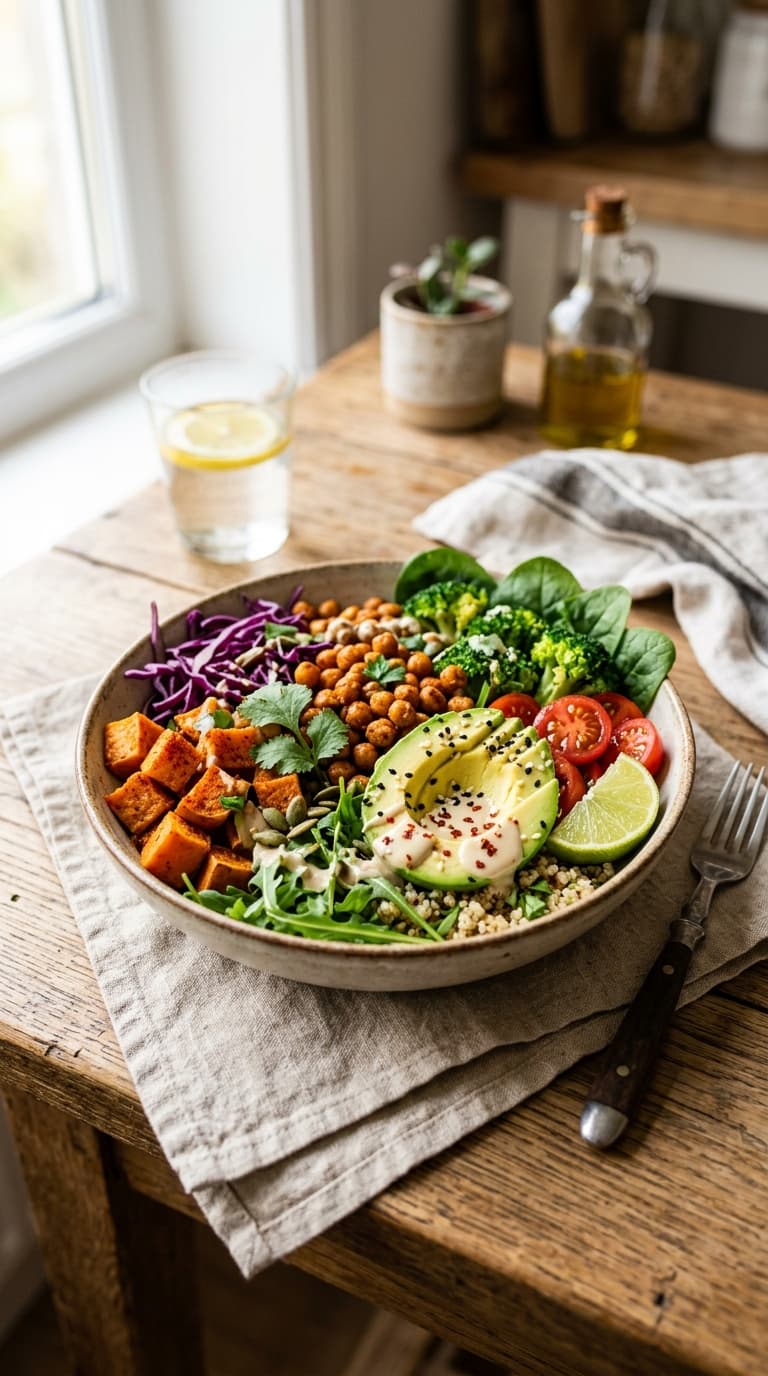
Lunch should actually excite you — not make you dread opening the fridge. If you’ve been eating the same sad desk salad on repeat, let me introduce you to your new obsession: anti-inflammatory Buddha bowls. These beautiful, colorful, nutrient-packed bowls are everything your body has been quietly begging for, and honestly, once you start making them, you won’t want to stop.
I got hooked on Buddha bowls a couple of years ago when my joints started protesting my terrible eating habits. A nutritionist friend basically handed me a bowl full of roasted veggies, turmeric-spiced chickpeas, and tahini dressing — and something clicked. Not just taste-wise, but the way I felt after eating them was genuinely different. Less bloated, more energized, and way less inflamed.
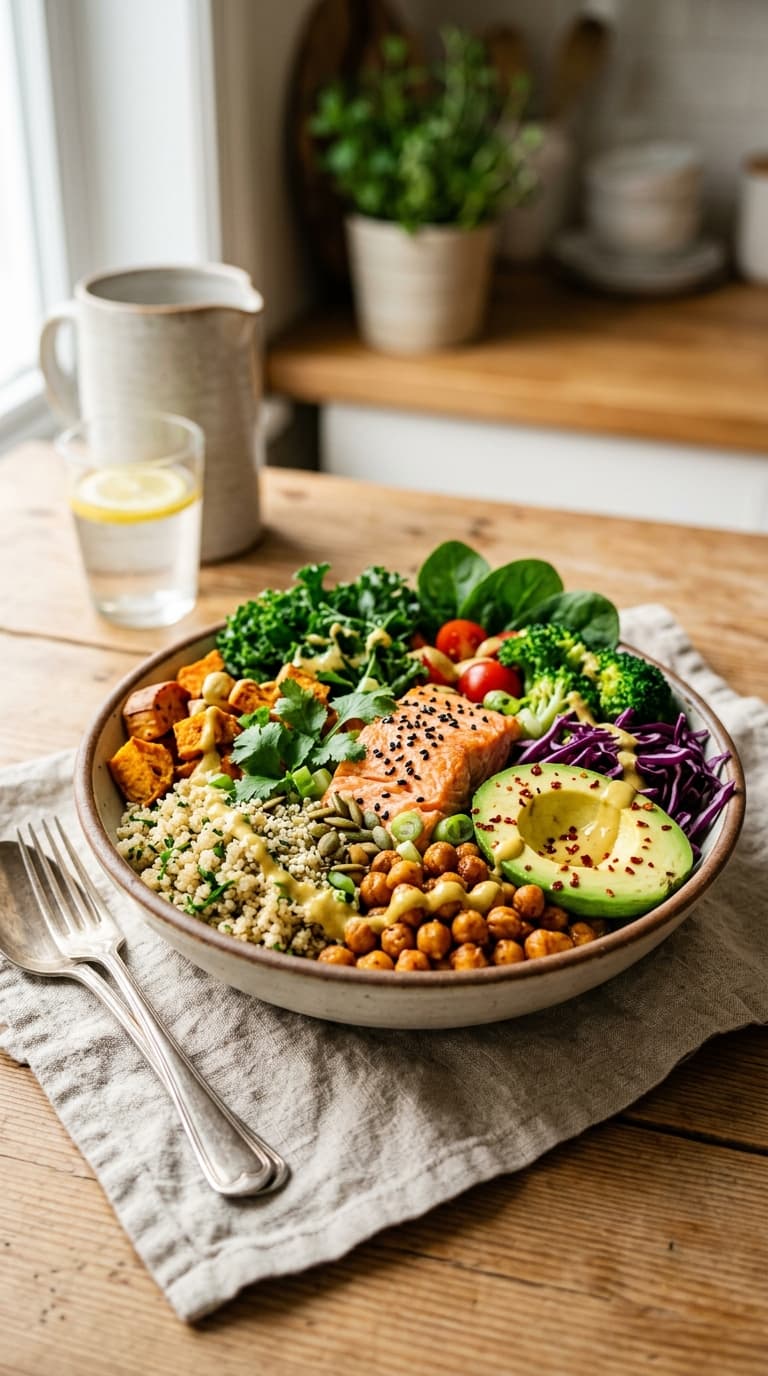
So let’s get into it. Here are 19 anti-inflammatory Buddha bowl recipes that will make your lunches something to look forward to.
What Makes a Buddha Bowl Anti-Inflammatory?
Before we get to the recipes, let’s quickly talk about what actually makes a Buddha bowl fight inflammation — because not every grain bowl qualifies. Anti-inflammatory ingredients work by reducing oxidative stress and blocking inflammatory pathways in the body.
The key players you’ll want in your bowls include:
- Turmeric — contains curcumin, one of the most studied anti-inflammatory compounds
- Leafy greens — spinach, kale, arugula are all packed with antioxidants
- Healthy fats — avocado, olive oil, tahini, and nuts help absorb fat-soluble nutrients
- Whole grains — brown rice, quinoa, and farro provide fiber that feeds good gut bacteria
- Colorful vegetables — the more colors, the broader the range of phytonutrients
Think of each Buddha bowl as a little inflammation-fighting team, assembled fresh every lunchtime. 🙂
The 19 Best Anti-Inflammatory Buddha Bowls for Lunch
1. Classic Turmeric Chickpea Bowl
This is the one that started it all for me. Roasted turmeric and cumin chickpeas go over a bed of brown rice and baby spinach, topped with shredded carrots, cucumber, and a lemon-tahini drizzle. Turmeric is the superstar here — just make sure you add a pinch of black pepper, which dramatically boosts curcumin absorption.
It takes about 30 minutes total and keeps beautifully in the fridge for meal prep. IMO, this is the perfect starter bowl for anyone new to the Buddha bowl lifestyle.
2. Golden Cauliflower and Quinoa Bowl
Roast cauliflower florets with olive oil, turmeric, and garlic until they’re golden and slightly crispy at the edges. Pile them over fluffy quinoa with some arugula, pomegranate seeds, and a drizzle of tahini thinned with lemon juice. The pomegranate seeds add an unexpected pop of sweetness and are genuinely loaded with antioxidants.
Quinoa provides all nine essential amino acids, making this bowl a complete protein meal without any meat. That’s a win on every level.
3. Wild Salmon and Avocado Bowl
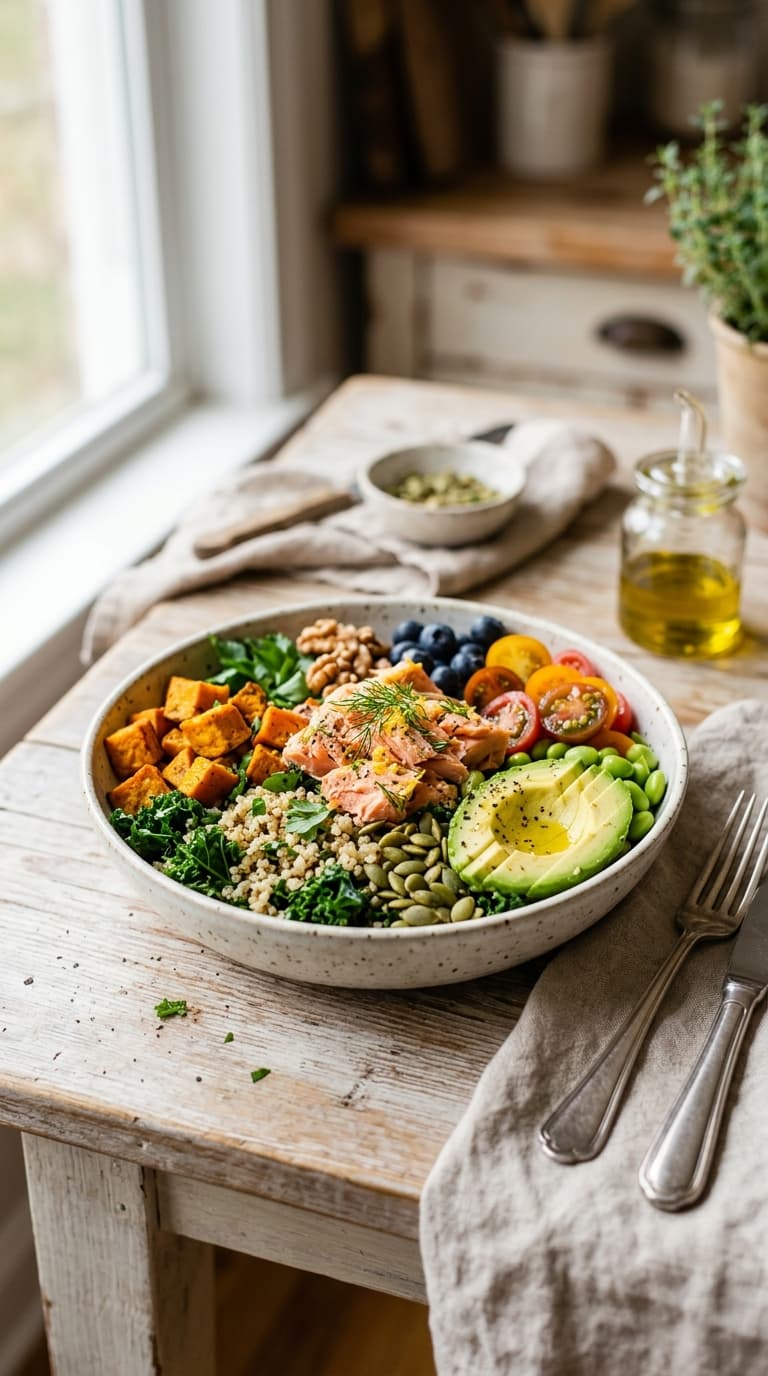
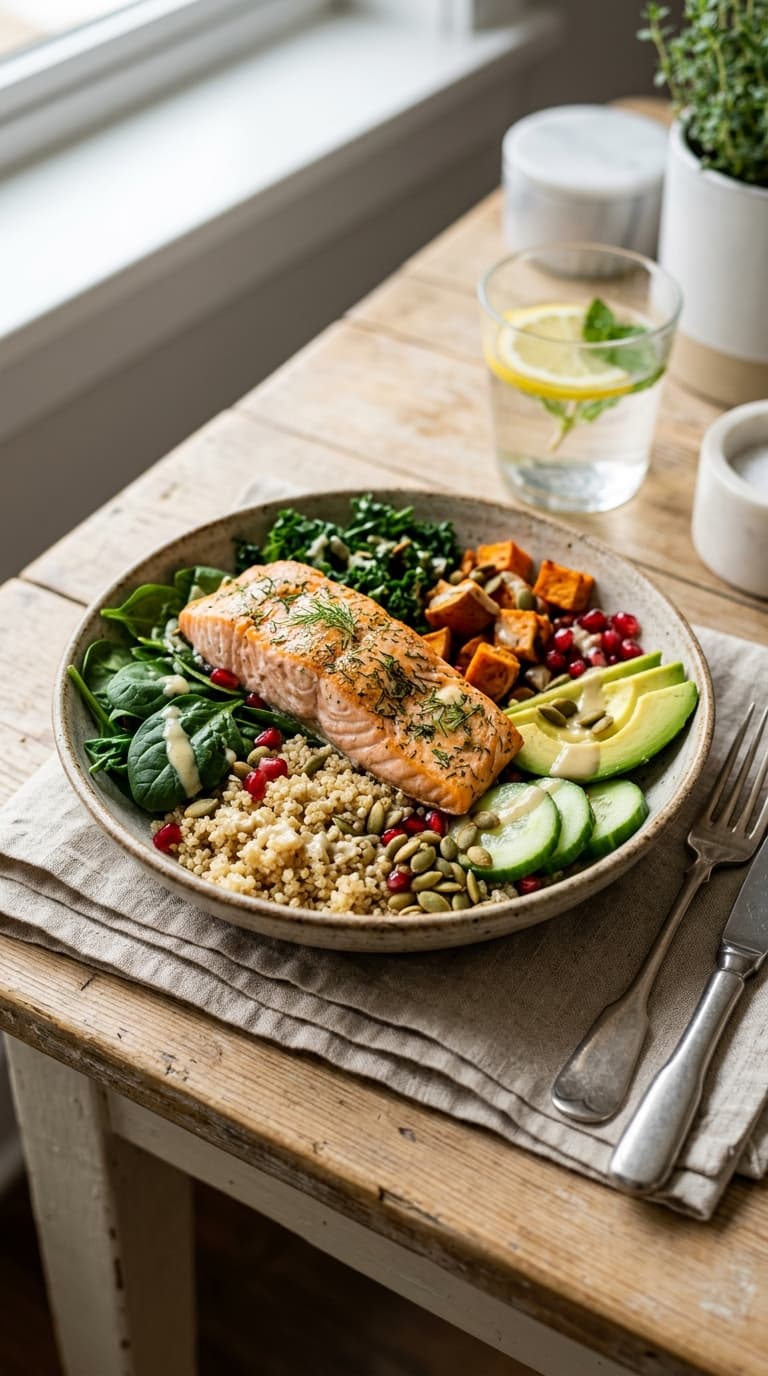
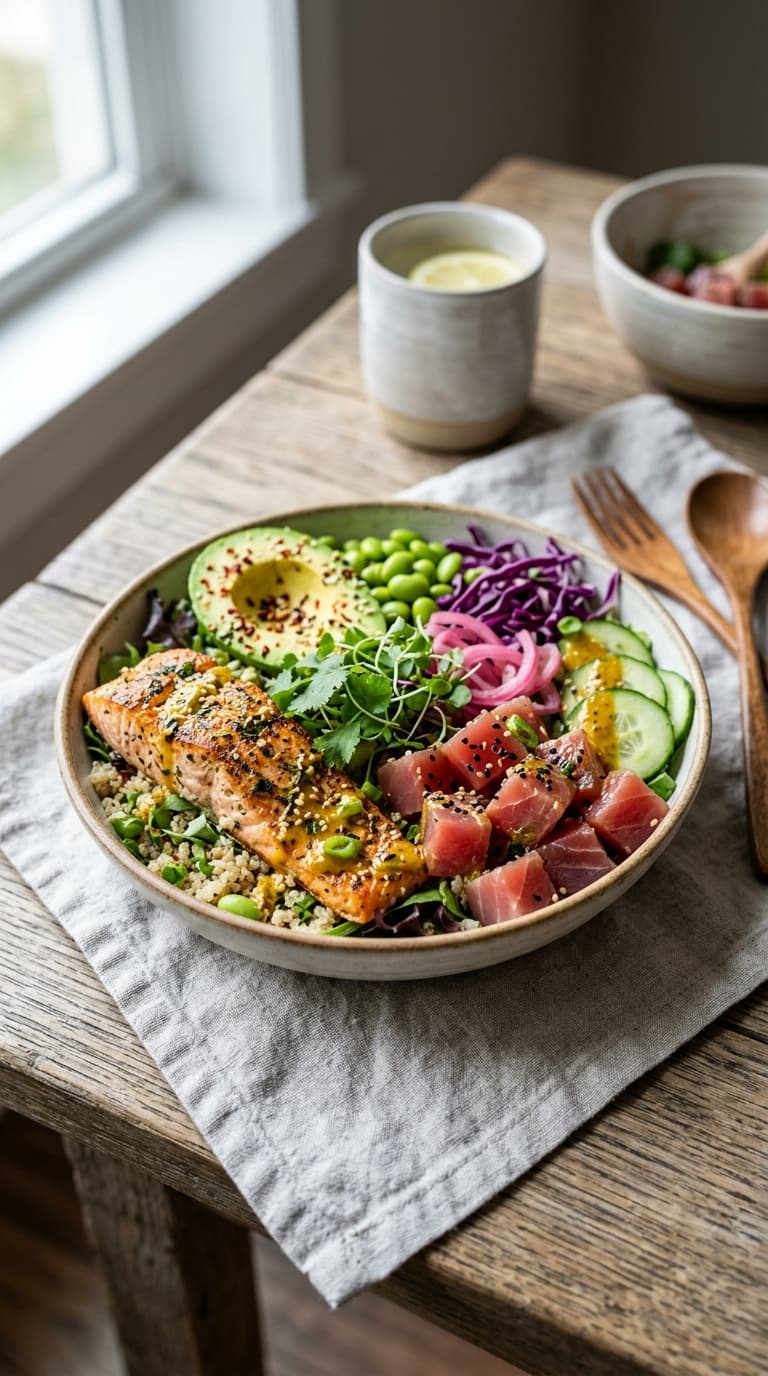
Omega-3 fatty acids from wild salmon are among the most powerful anti-inflammatory nutrients on the planet. Flake some seared or baked wild salmon over a bowl of brown rice, sliced avocado, edamame, shredded purple cabbage, and drizzle with a ginger-miso dressing. The combination of salmon and avocado gives you a healthy fat content that makes this bowl incredibly satisfying.
Wild-caught salmon specifically delivers significantly more omega-3s than farmed varieties, so it’s worth seeking out.
4. Beet and Lentil Power Bowl
Roasted beets have this gorgeous deep color that looks almost too good to eat — almost. Pair them with cooked French lentils (excellent source of plant protein and fiber), raw walnuts, goat cheese crumbles, and arugula. Dress it with a simple apple cider vinegar and olive oil vinaigrette.
Beets contain betalains, a unique class of antioxidants with impressive anti-inflammatory effects. And the lentils? They feed your gut microbiome, which plays a massive role in controlling systemic inflammation.
5. Sweet Potato and Black Bean Bowl
Cube sweet potatoes, toss them with smoked paprika, cumin, and a little olive oil, and roast until caramelized. Add black beans, corn, diced red onion, fresh cilantro, and sliced jalapeño over brown rice. Finish with a squeeze of fresh lime and a dollop of plain Greek yogurt.
Sweet potatoes are rich in beta-carotene, an antioxidant your body converts to vitamin A. This bowl is also incredibly filling — you won’t be raiding the snack drawer at 3pm.
6. Miso-Glazed Tofu Bowl
Miso paste is a fermented powerhouse that does wonders for gut health, and a healthy gut is directly linked to lower systemic inflammation. Press and cube firm tofu, glaze it with white miso, rice vinegar, and a touch of maple syrup, then pan-fry until it’s golden and slightly sticky. Serve over soba noodles (or rice) with steamed broccoli, shredded carrots, and sesame seeds.
This one’s genuinely one of my favorites — even people who claim they “don’t like tofu” tend to come around when it’s prepared this way.
7. Mediterranean Falafel Bowl
Who says anti-inflammatory bowls have to be boring? Baked or air-fried falafel over a generous base of mixed greens, cucumber, cherry tomatoes, Kalamata olives, and red onion, finished with a thick tahini-lemon sauce and a sprinkle of za’atar. This bowl basically teleports you straight to a Mediterranean café.
Olive oil and legumes are cornerstones of the Mediterranean diet, consistently shown to lower inflammatory markers in clinical research. And frankly, it tastes amazing, so no suffering required.
8. Green Goddess Detox Bowl
This bowl is entirely green, which sounds alarming but tastes incredible. Shredded kale and spinach base, roasted broccoli, sliced cucumber, edamame, and avocado, topped with pumpkin seeds and a blended green goddess dressing made from avocado, fresh herbs, lemon juice, and garlic.
Cruciferous vegetables like broccoli and kale contain sulforaphane, a compound that activates the body’s own antioxidant defense system. Pair this bowl with one of those anti-inflammatory tea blends and you’ve basically turned lunch into a wellness ritual.
9. Spiced Lentil and Roasted Carrot Bowl
Cook red lentils with turmeric, cumin, and coriander until soft and slightly creamy. Roast rainbow carrots with honey and thyme until tender. Serve both over farro with a handful of fresh parsley and a yogurt-mint sauce. The combination of warm spices and sweet roasted carrots makes this bowl feel almost indulgent.
Farro is an ancient grain that outperforms white rice with higher fiber, protein, and magnesium content — all nutrients that help regulate inflammation.
10. Acai and Mixed Berry Breakfast-Lunch Bowl
Okay, technically a “breakfast” thing, but hear me out — acai bowls for lunch are completely underrated. Blend frozen acai with a frozen banana, top with mixed berries (blueberries especially are anti-inflammatory royalty), sliced kiwi, chia seeds, hemp seeds, and a drizzle of raw honey.
Blueberries contain anthocyanins, one of the most potent antioxidants studied for reducing inflammatory cytokines. FYI, this bowl also happens to look absolutely stunning, which never hurts.
11. Roasted Pepper and Walnut Bowl
Roasted red peppers are sweet, smoky, and loaded with vitamin C. Pair them with cooked farro, raw walnuts, crumbled feta, fresh basil, and a simple balsamic reduction. Walnuts are particularly special here — they’re the only tree nut with a significant amount of ALA omega-3 fatty acids.
This bowl comes together quickly if you roast peppers in bulk and keep them in the fridge. Meal prepping components is honestly the secret to making Buddha bowls a weekday reality rather than a weekend project.
12. Ginger-Sesame Edamame Bowl
Fresh ginger is one of those ingredients that earns its place in every anti-inflammatory kitchen. Shave it into a dressing with tamari, sesame oil, rice vinegar, and lime juice, then drizzle it over a bowl of brown rice, steamed edamame, shredded purple cabbage, cucumber ribbons, and sliced avocado. Top with toasted sesame seeds and scallions.
Gingerols, the active compounds in fresh ginger, have been shown to inhibit the same pathways targeted by anti-inflammatory medications — minus the side effects, obviously.
13. Turmeric Lemon Chicken and Greens Bowl
For the meat-eaters in the room, this one delivers. Marinate chicken breast in turmeric, lemon zest, garlic, and olive oil, then grill or bake until cooked through. Slice over a bed of mixed greens with roasted zucchini, cherry tomatoes, and a lemon-herb tahini sauce.
Lean protein from chicken helps repair tissue and supports muscle recovery, while the turmeric marinade means every bite contributes to your anti-inflammatory goals. This bowl also pairs beautifully with a warm drink — something like an herbal tea for better digestion would round out the meal perfectly.
14. Roasted Broccolini and Almond Butter Bowl
Broccolini roasted until the tips are perfectly crispy, served over black rice (yes, black rice — it’s anthocyanin-rich and slightly nutty), with sliced almonds, shredded carrots, and an almond butter-ginger dressing. The almond butter dressing sounds unusual until you try it, at which point you’ll want to pour it on everything.
Black rice contains more antioxidants per serving than blueberries, which is a fact I repeat to anyone who questions why I’m eating purple rice for lunch.
15. Chickpea Shawarma Bowl
Take everything you love about shawarma and turn it into a bowl. Season chickpeas with smoked paprika, cumin, coriander, cinnamon, and cayenne, then roast until crispy. Serve over a base of quinoa and mixed greens with diced cucumber, tomatoes, red onion, and a thick garlic yogurt sauce with a squeeze of fresh lemon.
Spices like cinnamon and coriander carry their own anti-inflammatory properties, which means this bowl is doing serious work while tasting like a celebration. Honestly, it’s one of those meals where you wonder why you ever ordered takeout.
16. Salmon and Mango Avocado Bowl
Don’t knock the fruit-in-savory-bowl thing until you’ve tried it. Seared salmon sits over a base of jasmine rice with fresh mango cubes, sliced avocado, cucumber, and a chili-lime dressing. The mango adds vitamin C (which enhances the absorption of anti-inflammatory nutrients), and the whole combination hits every flavor note at once.
Vitamin C also regenerates vitamin E, another fat-soluble antioxidant found in the avocado. It’s basically nutritional teamwork in bowl form.
17. Roasted Root Vegetable Bowl
Parsnips, sweet potatoes, beets, and turnips roasted with rosemary and olive oil until caramelized and tender, then layered over a base of wild rice with pumpkin seeds and a maple-Dijon dressing. This is peak autumn-winter Buddha bowl energy, and it’s deeply satisfying on a cold day.
Root vegetables are rich in complex carbohydrates and fiber, which slow digestion and prevent blood sugar spikes — a key factor in managing inflammation long-term.
18. Tempeh and Kale Power Bowl
Tempeh is fermented soy, which makes it both a probiotic food and an excellent protein source. Marinate it in tamari, garlic, and apple cider vinegar, then pan-fry until crispy. Serve over massaged kale (massaging kale with a bit of olive oil and salt breaks it down and makes it actually enjoyable to eat) with roasted sweet potato, avocado, and a tahini-miso dressing.
This one’s a bit of a cult favorite among plant-based eaters, and for good reason — tempeh has a heartier, meatier texture than tofu, which makes it feel more like a proper meal.
19. Quinoa and Roasted Tomato Bowl
Don’t underestimate a simple roasted tomato. When tomatoes roast, their lycopene content becomes more bioavailable, meaning your body absorbs more of this powerful antioxidant than it would from raw tomatoes. Slow-roast cherry tomatoes with olive oil, garlic, and fresh thyme, then serve over quinoa with white beans, fresh basil, and a balsamic glaze.
This bowl is simple, elegant, and one of those recipes where the minimal ingredients do maximum work. It’s also a fantastic one to prep in larger batches — roasted tomatoes keep well and elevate just about everything.
Tips for Meal Prepping Buddha Bowls
Want to actually eat these bowls on busy weeknights without starting from scratch every single day? Here’s how to make it work:
- Batch-cook your grains on Sundays — quinoa, brown rice, and farro all store well for 4-5 days
- Roast a big sheet pan of vegetables at the start of the week and mix and match them across bowls
- Pre-make dressings and store them in small jars — most tahini-based dressings last a week in the fridge
- Keep proteins separate from the rest of the bowl components until serving
- Store avocado separately and slice it fresh — no one wants brown avocado :/
If you’re pairing your meal with something warm to sip, herbal teas for relaxation and sleep are worth exploring — some of them have their own anti-inflammatory benefits that complement a healthy lunch routine nicely.
The Best Anti-Inflammatory Dressings for Buddha Bowls
The dressing can genuinely make or break a bowl. Here are the top performers:
- Lemon-Tahini — tahini, lemon juice, garlic, water, salt. The classic for a reason.
- Ginger-Miso — white miso, fresh ginger, rice vinegar, sesame oil, a touch of maple syrup
- Turmeric-Yogurt — Greek yogurt, turmeric, lemon, cumin, and a pinch of black pepper
- Almond Butter-Ginger — almond butter, tamari, fresh ginger, lime juice, and a little honey
- Green Goddess — blended avocado, fresh herbs, lemon, garlic, olive oil
Every single one of these uses whole food ingredients with no inflammatory vegetable oils, refined sugars, or mystery additives. And they take about five minutes to throw together.
Final Thoughts
Here’s the honest truth: eating to reduce inflammation doesn’t have to be a joyless, restrictive experience. These 19 Buddha bowls prove that anti-inflammatory food can be colorful, creative, genuinely satisfying, and something you actually look forward to eating.
Start with one or two recipes that match what you already like, build up your pantry staples (tahini, turmeric, quinoa, and a solid olive oil will take you far), and let the process be fun. Once you get the hang of the formula — base, protein, roasted veggies, fresh toppings, killer dressing — you’ll start riffing on your own combinations.
Your body will thank you. And honestly? So will your taste buds.