14 Day Anti-Inflammatory Meal Plan for Athletes and Recovery
14 Day Anti-Inflammatory Meal Plan for Athletes and Recovery
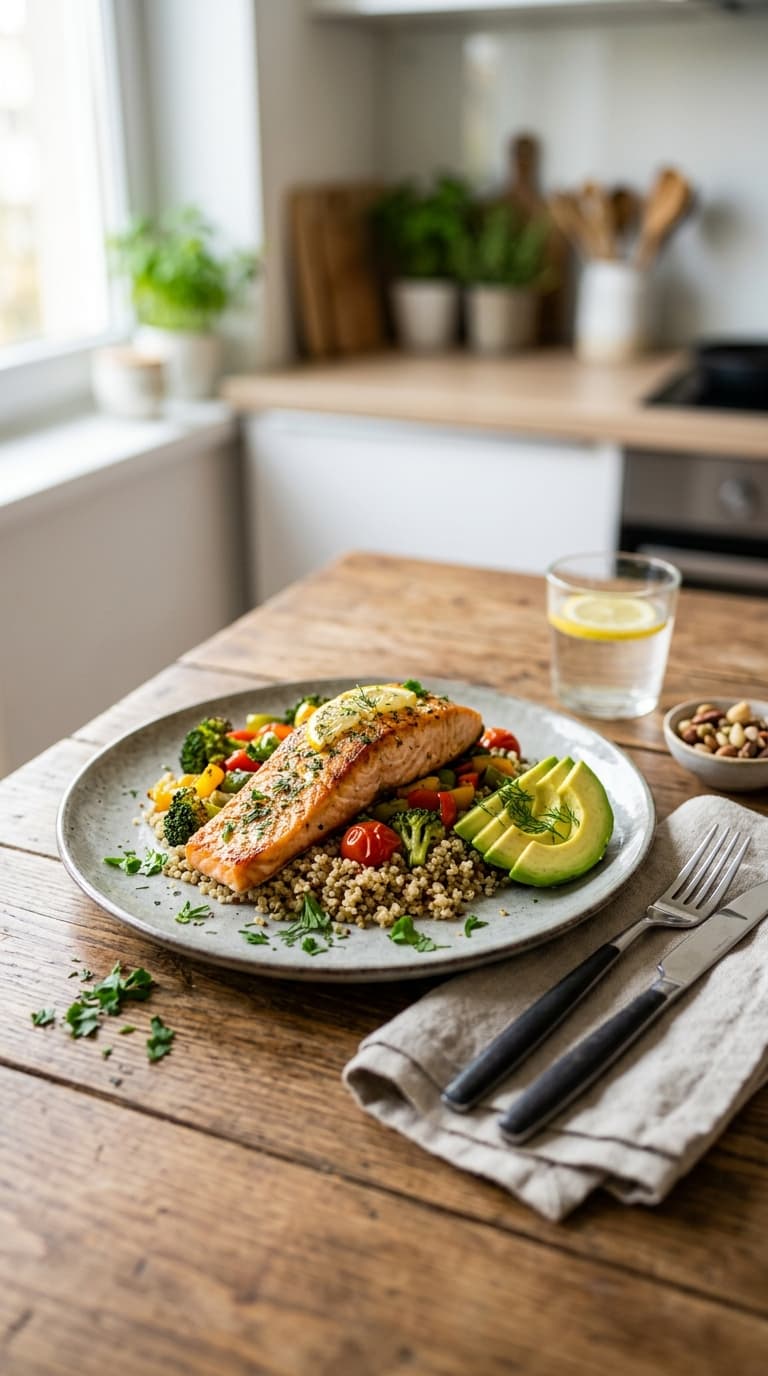
Your body just crushed a hard workout — and now it’s either recovering like a champ or quietly staging a protest in the form of soreness, fatigue, and that lovely “I can’t walk downstairs” feeling. Sound familiar? What you eat in the next 24–48 hours matters more than most people realize, and that’s exactly why a solid anti-inflammatory meal plan can be a total game-changer for athletes.
I’ve spent a fair amount of time experimenting with recovery nutrition, and trust me, the difference between eating intentionally and just grabbing whatever’s in the fridge is huge. This 14-day plan isn’t about deprivation or eating sad salads every day. It’s about fueling smart, recovering faster, and actually enjoying your food in the process. Let’s get into it.
Why Inflammation Is Both Your Friend and Your Enemy
Here’s the thing most people miss — inflammation isn’t entirely bad. When you train hard, your body triggers acute inflammation to repair muscle tissue. That’s normal and necessary. The problem starts when inflammation becomes chronic, hanging around long after your workout is done and quietly wrecking your recovery.
Chronic inflammation links to longer recovery times, increased injury risk, fatigue, and even reduced performance over time. So the goal isn’t to eliminate inflammation — it’s to keep it in check so your body can do its job without going overboard.
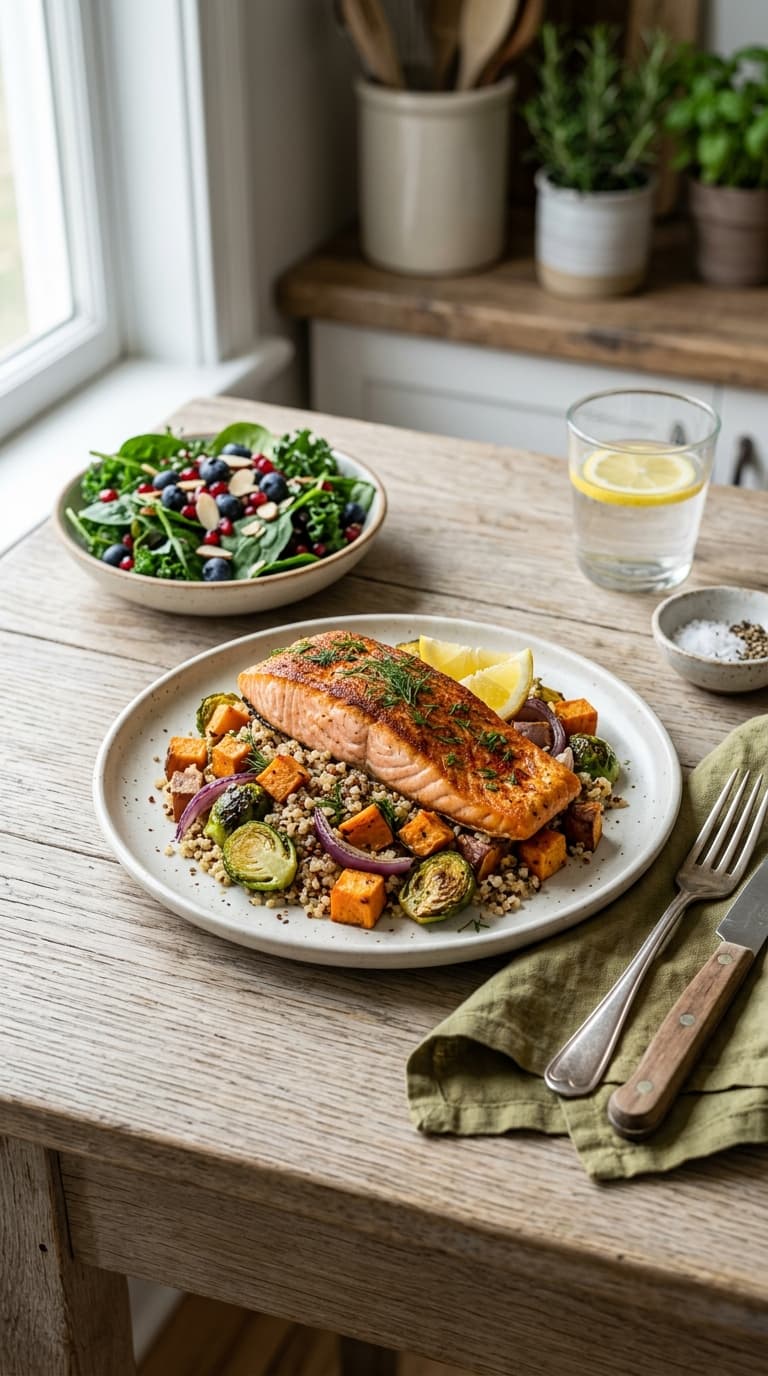
Diet plays a massive role here. Certain foods actively cool inflammation down, while others pour gasoline on the fire. Processed junk, refined sugars, trans fats — those are the culprits. Anti-inflammatory foods like fatty fish, berries, leafy greens, nuts, and whole grains are the heroes of this story.
The Core Anti-Inflammatory Foods You’ll Rely On
Before we get into the actual plan, let’s talk about the building blocks. These are the foods you’ll see showing up again and again over the 14 days:
- Fatty fish (salmon, sardines, mackerel) — rich in omega-3 fatty acids
- Berries (blueberries, cherries, strawberries) — packed with antioxidants
- Leafy greens (spinach, kale, arugula) — loaded with vitamins and phytonutrients
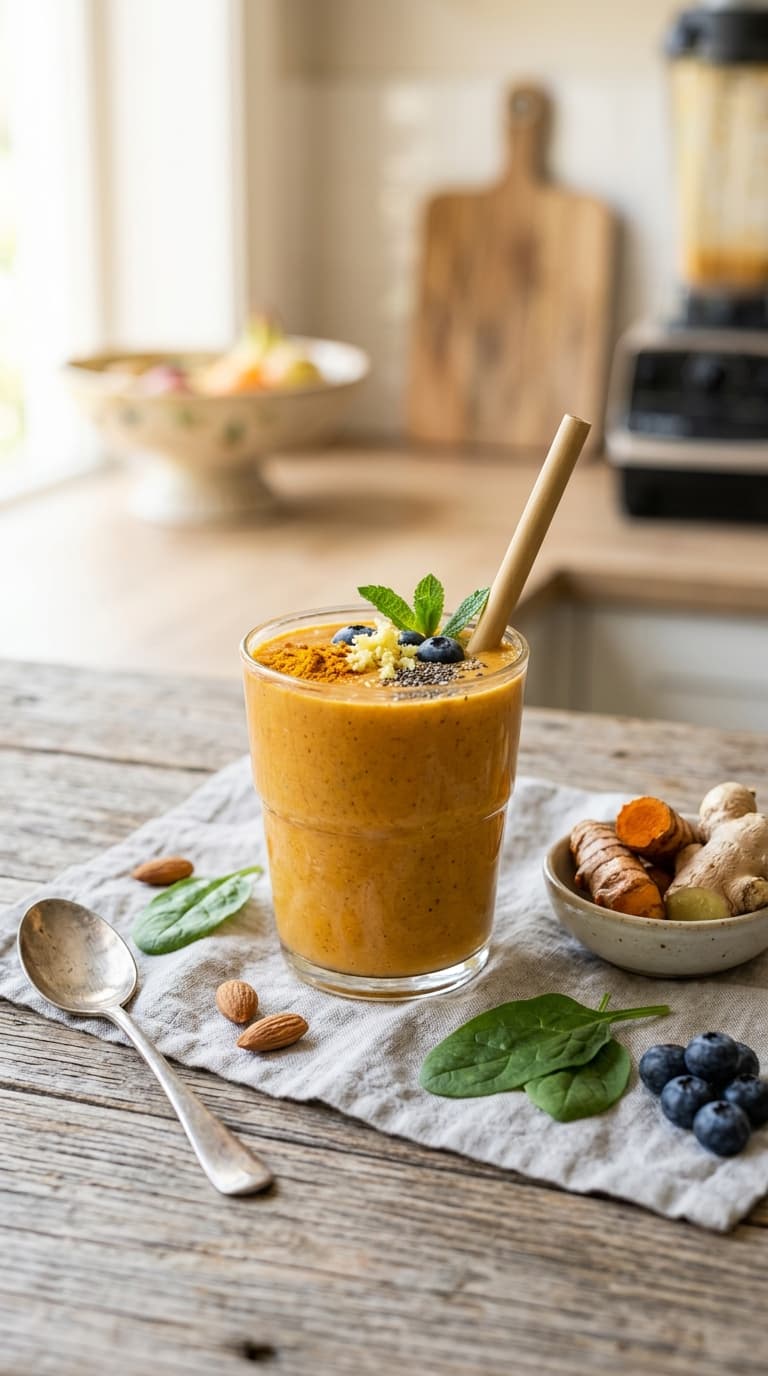
- Turmeric and ginger — two of nature’s most powerful natural anti-inflammatory compounds
- Extra virgin olive oil — a cornerstone of anti-inflammatory eating
- Nuts and seeds (walnuts, flaxseeds, chia seeds) — healthy fats and fiber
- Whole grains (oats, quinoa, brown rice) — steady energy without the blood sugar spike
- Legumes (lentils, chickpeas, black beans) — fiber-rich and anti-inflammatory
- Green tea — one of the most antioxidant-dense drinks you can add to your routine
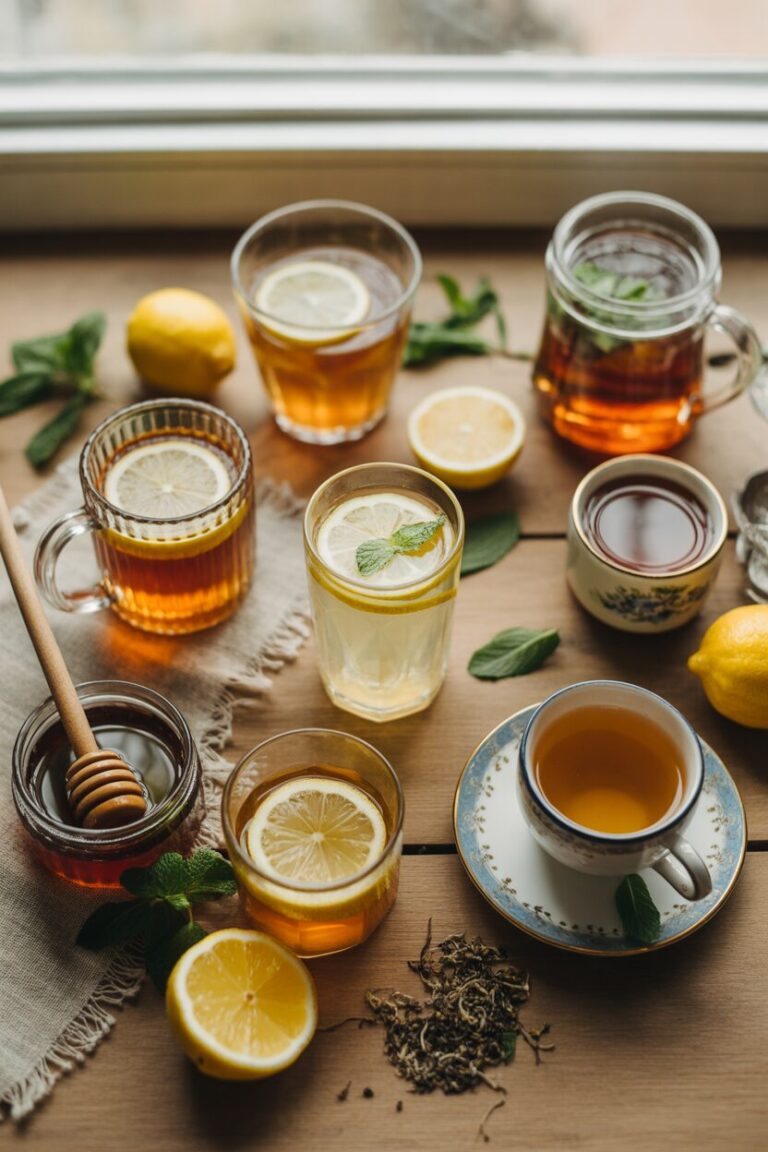
Speaking of drinks, pairing your meals with the right beverages makes a real difference. Anti-inflammatory tea blends are worth exploring alongside this plan — some blends work beautifully as a post-workout wind-down ritual.
Week 1: Building the Foundation
Days 1–2: Reset and Rehydrate
The first two days focus on giving your gut a clean slate. You’re clearing out the processed stuff and flooding your system with whole, nutrient-dense foods.
Day 1 Sample:
- Breakfast: Overnight oats with blueberries, chia seeds, and a drizzle of honey
- Lunch: Grilled salmon over a bed of arugula with lemon olive oil dressing
- Dinner: Lentil soup with turmeric, ginger, and a side of crusty whole grain bread
- Snack: A handful of walnuts and a cup of herbal tea for digestion
Day 2 Sample:
- Breakfast: Spinach and egg scramble with avocado toast on whole grain bread
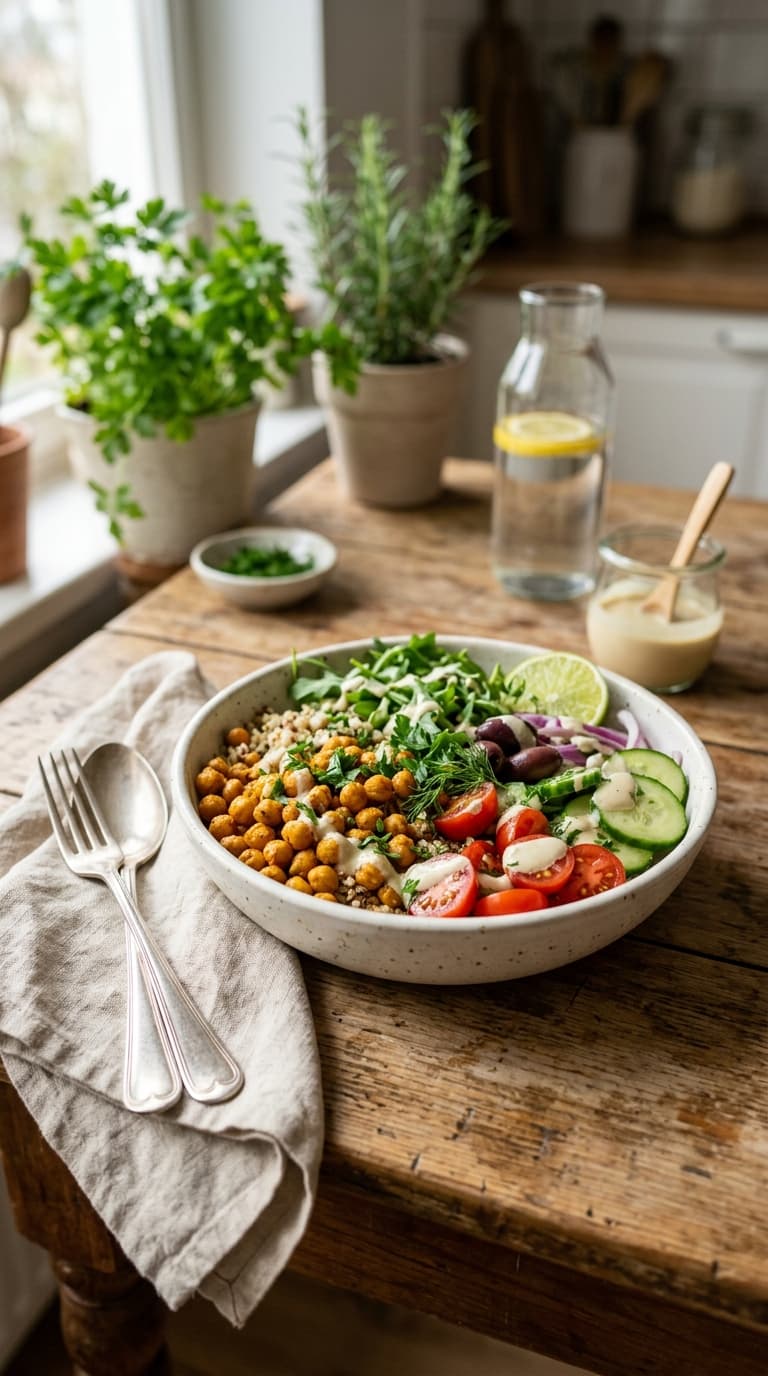
- Lunch: Quinoa bowl with roasted chickpeas, cucumber, tomatoes, and tahini
- Dinner: Baked mackerel with steamed broccoli and sweet potato
- Snack: Greek yogurt with sliced strawberries and ground flaxseed
Hydration is non-negotiable here. Aim for at least 2–3 liters of water daily, and don’t underestimate the recovery power of herbal teas. If you’re looking to upgrade your recovery drinks, herbal teas that help you sleep better can do double duty — calming inflammation and improving the quality of your rest.
Days 3–4: Load Up on Antioxidants
By day three, your body should start feeling a little less sluggish. Now we’re cranking up the antioxidant intake. Ever wondered why elite athletes swear by tart cherry juice? It’s because cherries contain anthocyanins, compounds that actively reduce exercise-induced muscle damage. IMO, tart cherry juice is one of the most underrated recovery tools out there.
Day 3 Sample:
- Breakfast: Smoothie with frozen cherries, banana, spinach, flaxseed, and almond milk
- Lunch: Turkey and avocado wrap in a whole grain tortilla with mixed greens
- Dinner: Turmeric-spiced chicken thighs with roasted cauliflower and brown rice
- Snack: Apple slices with almond butter
Day 4 Sample:
- Breakfast: Chia pudding topped with mixed berries and a sprinkle of hemp seeds
- Lunch: Black bean and sweet potato tacos with salsa and shredded kale
- Dinner: Baked cod with a ginger-garlic glaze, quinoa, and sautéed spinach
- Snack: A small handful of mixed nuts with green tea
Days 5–7: Embrace Healthy Fats
This is where people sometimes get nervous — eating more fat. But healthy fats are your best friend during recovery. Omega-3s specifically target inflammatory pathways and help your muscles repair faster. Don’t skip the olive oil, don’t skip the salmon, and definitely don’t skip the avocados.
Day 5 Sample:
- Breakfast: Avocado toast with a poached egg and cherry tomatoes
- Lunch: Big Greek salad with olives, feta, cucumber, tomatoes, and grilled chicken
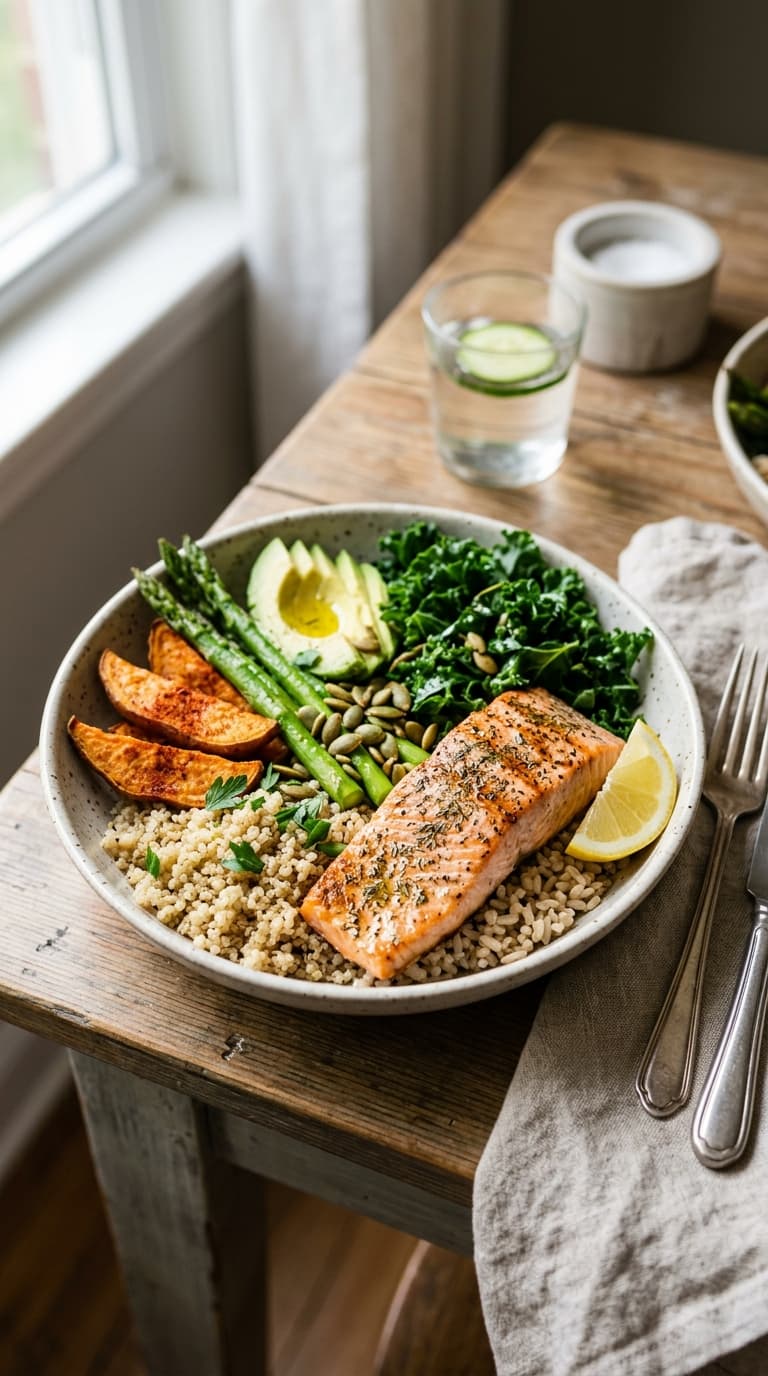
- Dinner: Salmon with a walnut-herb crust, roasted asparagus, and mashed sweet potato
- Snack: Edamame with a pinch of sea salt
Day 6 Sample:
- Breakfast: Oat pancakes topped with fresh berries and a drizzle of pure maple syrup
- Lunch: Sardine and white bean salad with lemon, parsley, and extra virgin olive oil
- Dinner: Beef and vegetable stir-fry with ginger, garlic, and brown rice
- Snack: Celery with hummus
Day 7 — Rest Day Eating:
Rest days don’t mean you eat less. They mean you eat differently. Dial back the carbs slightly and increase protein and vegetables to support muscle repair without overloading on fuel you won’t burn today.
- Breakfast: Veggie-packed frittata with a slice of whole grain toast
- Lunch: Lentil and vegetable curry with a small portion of brown rice
- Dinner: Baked chicken breast with roasted root vegetables and a big leafy salad
- Snack: Handful of walnuts and a cup of detox tea
Week 2: Dialing It In
Days 8–10: Gut Health Focus
By week two, you should honestly be feeling noticeably better — more energy, less soreness, better sleep. Now we’re putting extra emphasis on gut health, because a healthy gut directly impacts how well your body absorbs anti-inflammatory nutrients.
Fermented foods become your new best friends this week. Think yogurt, kefir, kimchi, sauerkraut, and miso. These foods support your microbiome, and a well-fed microbiome helps regulate inflammatory responses throughout your whole system.
Day 8 Sample:
- Breakfast: Kefir parfait with granola and sliced mango
- Lunch: Miso soup with tofu, seaweed, and a side of edamame
- Dinner: Grilled salmon with kimchi fried cauliflower rice
- Snack: Plain Greek yogurt with a swirl of raw honey
Day 9 Sample:
- Breakfast: Smoothie bowl with blended acai, banana, and almond milk, topped with chia seeds and granola
- Lunch: Whole grain wrap with turkey, sauerkraut, avocado, and mustard
- Dinner: Lemon herb baked chicken with quinoa tabbouleh
- Snack: Rice cakes with almond butter
Day 10 Sample:
- Breakfast: Soft-boiled eggs with whole grain toast and sliced avocado
- Lunch: Chickpea and vegetable soup with a handful of whole grain crackers
- Dinner: Grilled shrimp skewers with a mango-avocado salsa and brown rice
- Snack: A cup of immune-boosting tea and a small orange
Days 11–12: Performance Nutrition
Here’s where we start thinking about not just recovery but actual performance. By now your inflammatory markers should be trending lower, and your energy levels should feel more stable. Carbohydrate timing matters during these days — fuel up before training and replenish strategically afterward.
- Pre-workout: Opt for easily digestible carbs — a banana with almond butter, or oats with fruit.
- Post-workout: Hit protein fast — within 30–45 minutes. Aim for 20–30g alongside some complex carbs.
Day 11 Sample:
- Breakfast (pre-workout): Banana oat smoothie with a scoop of protein powder
- Post-workout: Greek yogurt with berries and a drizzle of honey
- Lunch: Grilled tuna steak with roasted sweet potato and steamed green beans
- Dinner: Chicken and vegetable skewers with a tahini dipping sauce and whole grain pita
- Snack: Walnuts and dark chocolate (70% or higher) — yes, dark chocolate counts 🙂
Day 12 Sample:
- Breakfast: Overnight oats with chia seeds, pumpkin seeds, and blueberries
- Lunch: Spinach and smoked salmon salad with capers, red onion, and lemon olive oil
- Dinner: Turkey meatballs in a tomato-turmeric sauce over whole grain pasta
- Snack: Edamame with sea salt and a green tea
Days 13–14: Finishing Strong
You’ve made it to the final stretch. FYI, two weeks of consistent anti-inflammatory eating can genuinely shift the way your body feels and performs — this isn’t just theory, it’s something you can measure in your workouts and your recovery windows.
Day 13 Sample:
- Breakfast: Turmeric golden oats with banana and pumpkin seeds
- Lunch: Big grain bowl with farro, roasted beets, arugula, walnuts, and goat cheese
- Dinner: Baked salmon with a miso-ginger glaze, bok choy, and jasmine rice
- Snack: Apple with walnut butter
Day 14 Sample:
- Breakfast: Veggie scramble with eggs, spinach, bell peppers, and whole grain toast
- Lunch: Lentil and roasted vegetable salad with cumin-lime dressing
- Dinner: Celebratory herb-roasted chicken with garlic mashed sweet potato and roasted asparagus
- Snack: Dark chocolate, mixed berries, and your favorite calming herbal tea
Foods to Actively Avoid During These 14 Days
Look, no one’s asking you to be perfect. But there are some foods that actively work against your recovery goals, and minimizing them during this plan makes a real difference:
- Refined sugar — spikes blood sugar and drives inflammatory cytokines
- Processed vegetable oils (canola, soybean, corn) — high in omega-6s that tip the inflammatory balance
- Ultra-processed snacks — chips, packaged cookies, fast food
- Alcohol — disrupts sleep, impairs protein synthesis, and fuels inflammation
- White bread and refined grains — causes blood sugar swings and offers little nutritional value
- Excessive red meat — especially processed varieties like sausages and hot dogs
That said, this isn’t a punishment diet. If you fall off track one afternoon and eat half a pizza, the world won’t end :/. Just get back on plan at the next meal.
Smart Swaps That Make This Plan Easier
One of the biggest mistakes people make with meal plans is treating them like rigid scripts. Life happens. Here are some easy swaps to keep you on track:
- No salmon? Use sardines, mackerel, or trout — equally anti-inflammatory
- Not a fan of kale? Swap for spinach, Swiss chard, or arugula
- Can’t do dairy? Replace Greek yogurt with coconut yogurt or silken tofu
- Tight on time? Prep grains in bulk on Sunday — quinoa and brown rice both keep well for 4–5 days
- Need more calories? Add an extra handful of nuts or half an avocado to any meal
Drinks That Support Your Anti-Inflammatory Efforts
What you drink matters just as much as what you eat. Beyond water and green tea, these are worth incorporating throughout your 14 days:
- Tart cherry juice — post-workout muscle recovery
- Turmeric latte (golden milk) — evening wind-down and inflammation support
- Ginger tea — aids digestion and reduces muscle soreness
- Green tea — antioxidant powerhouse for daily drinking
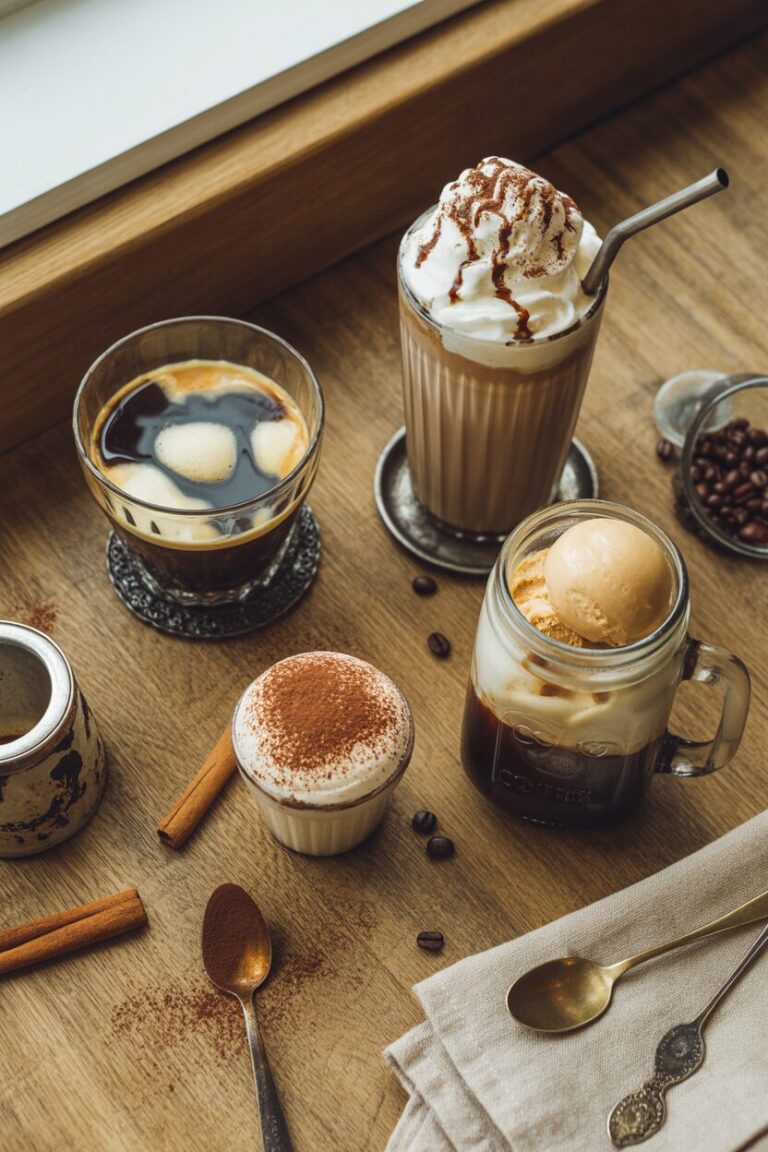
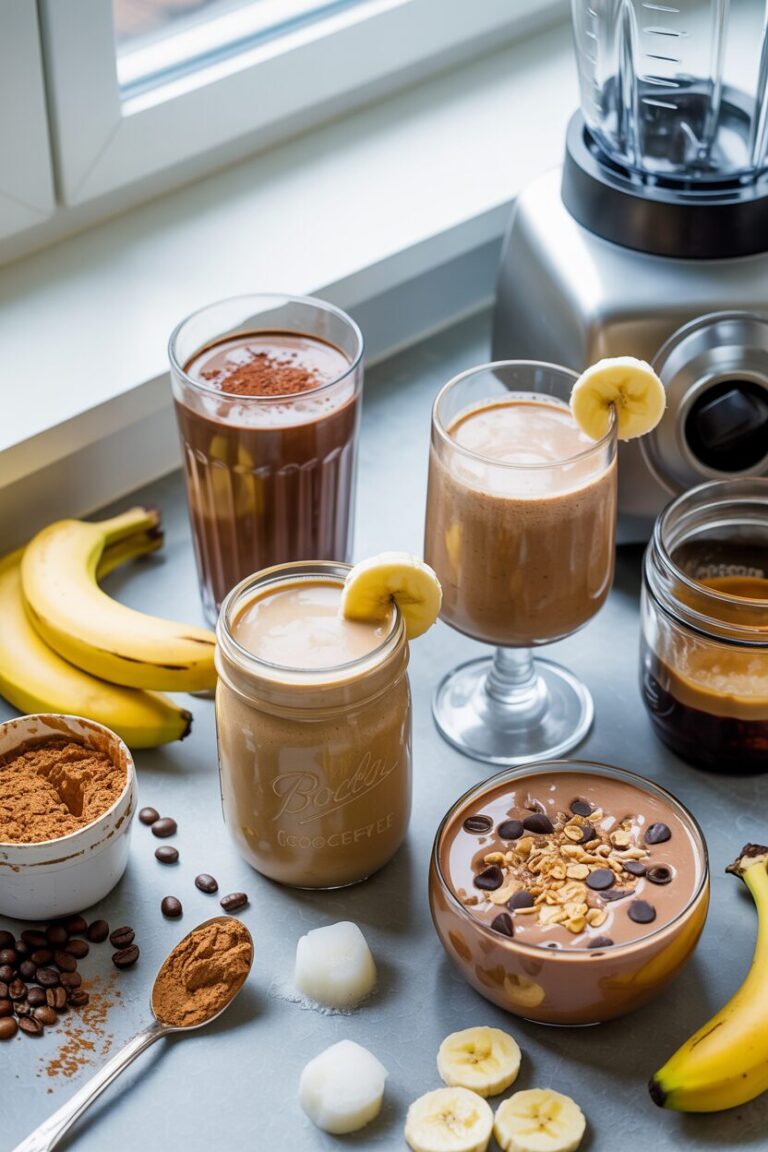
If you want to explore coffee and tea recipes that boost metabolism naturally, there’s a solid collection that pairs well with an active lifestyle. And for those mornings when you need something quick and energizing, coffee smoothies for breakfast are a brilliant option that fits neatly into this kind of plan.
What to Expect After 14 Days
Here’s the honest truth — you won’t transform into a superhuman in two weeks. But here’s what most people do notice:
- Reduced muscle soreness after training sessions
- Better sleep quality — often one of the first improvements people report
- More stable energy levels throughout the day
- Improved digestion and less bloating
- Clearer focus and better mood (inflammation affects the brain too)
The deeper benefits — reduced injury risk, improved cardiovascular markers, better long-term performance — those build over months, not days. But these 14 days give you a real, tangible taste of what intentional eating can do for your body.
Wrapping It Up
Here’s the bottom line — food is recovery. Not just a side note to your training, but an actual pillar of athletic performance that deserves the same attention you give your workout program. This 14-day anti-inflammatory meal plan gives you the structure to eat with purpose, recover faster, and feel genuinely better in your own body.
Start simple. Pick one week, stick to the plan as closely as you can, and pay attention to how your body responds. The soreness, the fatigue, the slow recovery days — a lot of that is modifiable through what’s on your plate. And that’s actually a really empowering thing.
Now go eat something with turmeric in it. Your muscles will thank you.