25 Unique Tea Recipes from Around the World
Look, I’m not going to pretend that discovering tea recipes from different cultures changed my entire life or made me suddenly wise. But honestly? It’s pretty close. There’s something about wrapping your hands around a warm cup of something you’ve never tried before—something that people on the other side of the world have been perfecting for centuries—that just hits different.
You know what’s wild? Tea is one of the most studied beverages for health benefits, with research showing it can support everything from heart health to immune function. We’re talking about a drink that’s been around for thousands of years, and scientists are still finding new reasons why it’s so good for us.
I’ve spent way too much time (according to my family, at least) exploring tea traditions from every corner of the globe. From the spiced chaos of Indian masala chai to the delicate whisper of Japanese matcha, each culture brings something completely unique to the table. And the best part? Most of these recipes are stupid easy to make at home.
Why Tea Deserves More Credit Than It Gets
Here’s the thing about tea that most people don’t realize: it’s not just flavored hot water. The compounds in tea—particularly polyphenols and catechins—have been linked to some seriously impressive health benefits. Research from the National Institutes of Health shows that regular tea consumption may help reduce the risk of cardiovascular disease, support metabolic health, and even provide anti-aging benefits.
But beyond all the science-y stuff, tea is just… comforting. It’s the ritual of it. The way you have to slow down for a few minutes while it steeps. The warmth spreading through your hands as you hold the cup. IMO, that’s worth as much as any antioxidant benefit.
And can we talk about how coffee gets all the glory while tea quietly does its thing? Don’t get me wrong, I love my morning coffee (check out these easy homemade coffee recipes if you’re a coffee person), but tea has this whole other vibe. It’s less “WAKE UP NOW” and more “let’s ease into this.”
🌡️ Game Changer: Programmable Temperature Control Kettle
This was the single purchase that transformed me from casual tea drinker to full-on tea nerd. Being able to heat water to precise temperatures means every tea type tastes exactly how it should.
- 6 preset temperature settings for different tea types
- Keep-warm function holds temperature for 30 minutes
- Fast boiling with automatic shut-off
- Sleek stainless steel design that looks great on counters
- LED display shows exact temperature
Real talk: I used to burn my green tea constantly with boiling water. Now my Japanese sencha actually tastes sweet and grassy instead of bitter and sad. Worth every penny if you drink tea daily.
Check Current PriceAsian Tea Traditions: Where It All Began
1. Indian Masala Chai
Let’s start with the obvious one because if you haven’t made real masala chai from scratch, you’re missing out on life. The stuff they sell at coffee chains? That’s not chai. That’s sugar milk with a vague memory of spices.
Real masala chai is black tea simmered with whole spices—we’re talking cardamom pods, cinnamon sticks, cloves, black peppercorns, and fresh ginger. The spices aren’t just for flavor; studies suggest they provide anti-inflammatory and digestive benefits. Plus, the combination of black tea and spices creates this warming effect that’s perfect for cold mornings.
Here’s my method: crush your spices (I use a mortar and pestle for this—so satisfying), simmer them in water for about five minutes, add loose black tea and let it get ridiculously strong, then add milk and sugar. The key is not being shy with those spices. Get Full Recipe
2. Japanese Matcha
Matcha has become trendy, which is both great and annoying. Great because it’s finally easy to find quality matcha powder. Annoying because people are putting it in everything from cookies to face masks.
But traditional matcha preparation? That’s an art form. You whisk the powder with hot water using a bamboo chasen until it’s frothy and bright green. The whole tea leaf is ground into powder, which means you’re actually consuming the entire leaf instead of just steeping it. More leaf, more antioxidants, more caffeine—but without the coffee jitters.
Word of advice: buy ceremonial grade matcha if you’re drinking it straight. Culinary grade is fine for lattes and baking, but ceremonial grade has this smooth, almost sweet quality that doesn’t need any additions.
🍵 Essential Tool: Traditional Bamboo Matcha Whisk Set
If you’re serious about making authentic matcha, you need a proper chasen (bamboo whisk). I fought this for months, trying to use regular whisks and even a milk frother. Nothing creates that signature frothy texture like the real deal.
- 100 prongs for perfect froth every time
- Handcrafted bamboo construction
- Includes ceramic whisk holder to maintain shape
- Creates authentic matcha texture impossible with regular whisks
Why I love it: The whisking motion becomes meditative, and watching the matcha transform from clumpy powder to smooth, vibrant foam is oddly satisfying. Plus, it makes you feel like a tea ceremony master even if you’re just in your kitchen.
View on Amazon3. Chinese Pu-erh Tea
Pu-erh is fermented tea, and it’s got this earthy, complex flavor that people either love or hate. There’s no in-between. I’m in the love camp, but it took me a few tries to get there.
What makes pu-erh special is the fermentation process—some varieties are aged for years, even decades. It’s like the wine of the tea world. The longer it’s aged, the more complex the flavor becomes and the higher the price tag. You can find pu-erh pressed into cakes, which is pretty cool from a storage perspective. Just break off a chunk with a pu-erh tea knife whenever you want to brew some.
4. Korean Yujacha (Citron Tea)
This isn’t technically a tea in the traditional sense—no Camellia sinensis leaves involved. But yujacha is huge in Korea, especially during cold season, and for good reason. It’s made from yuzu citrus fruit that’s been sliced and preserved in honey or sugar.
When you’re feeling under the weather, you just spoon some of this marmalade-like mixture into hot water, and boom—instant comfort in a cup. The vitamin C from the citrus plus the soothing honey makes this a go-to when I feel a cold coming on. You can make your own by slicing yuzu (or substitute with meyer lemons) super thin and mixing with honey. Get Full Recipe
5. Thai Iced Tea
Thai tea is that bright orange drink you see at Thai restaurants, and yes, it’s supposed to be that sweet and that orange. The traditional version uses strongly brewed black tea mixed with spices (usually star anise and sometimes tamarind), condensed milk, and that distinctive orange color.
The sweetness level is not for everyone, but on a hot day? It’s perfect. I make mine at home using strong Ceylon tea, a tiny bit of ground star anise, and I’ve learned to use half the condensed milk that traditional recipes call for. Pour it over ice in a tall glass and feel like you’re on vacation.
If you’re into creative iced tea variations, you’ll probably love these iced coffee drinks too—similar vibes, different caffeine source.
6. Turkish Apple Tea
I discovered this in Istanbul and immediately understood why it’s offered everywhere—shops, restaurants, even street vendors. Turkish apple tea is sweet, fruity, and incredibly easy to drink. The commercial versions come as instant granules, which sounds sketchy but actually tastes pretty good.
Making it from scratch is better though. You simmer dried apple pieces with cinnamon and maybe a bit of clove, then sweeten to taste. It’s caffeine-free, which makes it perfect for evening sipping. Kids love it too, making it a great family-friendly option.
Middle Eastern and North African Tea Culture
7. Moroccan Mint Tea
Moroccan mint tea is basically the national drink of Morocco, and watching someone prepare it is a whole experience. They pour from way up high to create foam, which apparently improves the flavor and definitely looks impressive.
The base is gunpowder green tea (those little rolled pearls of tea leaves) steeped with fresh spearmint and a generous amount of sugar. The mint has to be fresh—dried just doesn’t give you the same bright, cooling effect. I grow spearmint in a pot on my balcony specifically for this tea because store-bought mint is expensive and often sad-looking.
Pour it into small Moroccan tea glasses for the full effect. The sweetness level can be adjusted, but traditionally it’s quite sweet to balance the slight bitterness of the green tea.
8. Egyptian Karkadeh (Hibiscus Tea)
Karkadeh is made from dried hibiscus flowers, and it’s this gorgeous deep red color that looks like you’re drinking crushed rubies. Studies from Harvard Medical School note that hibiscus tea may help support healthy blood pressure levels.
You can drink it hot or cold, but I prefer it iced during summer. Steep dried hibiscus in boiling water, let it cool, add some lemon juice and honey, and you’ve got yourself a refreshing drink that’s both tart and slightly sweet. The flavor is similar to cranberry juice but way more interesting.
9. Saudi Arabian Qahwa (Spiced Arabic Coffee/Tea)
Okay, qahwa is technically coffee, but it’s prepared and served like tea, so I’m including it. This lightly roasted coffee is infused with cardamom—lots of cardamom—and sometimes saffron for special occasions.
It’s traditionally served in tiny cups without handles, and you’re only supposed to fill them about halfway. The flavor is delicate and aromatic, nothing like the bold coffee you’re probably used to. Serve it with dates for the authentic experience. You’ll need a traditional dallah coffee pot if you want to go all in on authenticity.
European Tea Traditions
10. English Breakfast Tea
Can’t talk about tea without mentioning the British, right? English Breakfast is typically a blend of robust black teas—usually Assam, Ceylon, and Kenyan teas. It’s designed to hold up to milk, which is how most Brits drink it.
The whole “milk first or tea first” debate is apparently still a thing in the UK. I’m team tea-first because I like to judge the color before adding milk, but honestly, both ways work fine. Use whole milk if you can—skim milk just doesn’t have the richness that makes this tea shine.
11. Earl Grey
Earl Grey is black tea flavored with bergamot oil, which comes from a citrus fruit that tastes like a orange and lemon had a sophisticated baby. The flavor is distinctive—you either love it or think it tastes like perfume.
I’m solidly in the love-it camp, especially as an afternoon tea. It’s elegant without trying too hard. Some people add milk, some drink it straight, some add lemon. I like it with just a tiny splash of milk and maybe a slice of lemon shortbread on the side.
For more ways to enjoy your tea or coffee breaks, check out these breakfast pairing ideas that work beautifully with afternoon tea as well.
12. Russian Zavarka
Russian tea culture revolves around the samovar, a traditional urn used to keep water hot. They make a strong tea concentrate called zavarka in a small teapot, then dilute it with hot water from the samovar as needed.
The tea is typically served with sugar cubes (you hold the cube in your teeth and drink through it—weird but it works), jam, or lemon. Never milk though—that’s not the Russian way. The concentrated brewing method means you can adjust the strength of each cup individually, which is pretty clever when you’re serving a group with different preferences.
13. German Ostfriesentee
East Frisian tea ceremony from Germany is surprisingly elaborate. They use a strong blend of black teas, and the traditional serving method involves putting a rock candy sugar called kluntje in the cup, pouring tea over it (you’ll hear it crack), then carefully adding cream in a way that creates a cloud pattern.
You’re not supposed to stir it—you drink through the layers, getting different flavor profiles with each sip. First sips are bitter from the tea, middle sips are creamy, and the last sips are sweet from the dissolved sugar. It’s an experience more than just a drink.
African Tea Traditions
14. South African Rooibos
Rooibos isn’t technically tea either—it’s from a different plant altogether—but it’s prepared like tea and has its own devoted following. The leaves are red, caffeine-free, and naturally slightly sweet.
What I love about rooibos is its versatility. You can drink it plain, with milk, iced, as a latte, whatever. It doesn’t get bitter if you over-steep it, which makes it very forgiving for tea newbies. Plus, it’s naturally caffeine-free, so you can drink it before bed without worrying about staying up all night.
Make it in a French press for easy brewing and cleanup. Add a cinnamon stick while it steeps for extra warmth.
15. Kenyan Chai
Kenyan chai is similar to Indian masala chai but with its own regional twist. They use strong Kenyan black tea (which grows at high altitudes and has this bright, crisp quality) and typically include ginger as the main spice, though some versions add cinnamon and cardamom too.
The preparation is straightforward: boil everything together—water, milk, tea, spices, and sugar—until it’s good and strong. No delicate steeping here—we’re talking a solid rolling boil. The result is intensely flavored and wonderfully warming. Get Full Recipe
Latin American Tea Traditions
16. Argentine Yerba Mate
Yerba mate deserves its own category because it’s basically a religion in Argentina, Uruguay, and parts of Brazil. It’s not from the Camellia sinensis plant, but it contains caffeine and is prepared in a specific ritualistic way that involves a hollowed gourd and a metal straw called a bombilla.
The flavor is earthy, grassy, and slightly bitter. It’s an acquired taste, I’ll be honest. But the social ritual of sharing mate with friends is as important as the drink itself. You fill the gourd with yerba mate leaves, add hot (not boiling) water, and pass it around the circle. Everyone drinks from the same bombilla, which might sound weird to Americans but is perfectly normal in mate-drinking cultures.
Start with a traditional mate gourd set if you want to try it properly. Or cheat like I sometimes do and brew it in a French press for a solo session.
17. Mexican Té de Canela (Cinnamon Tea)
This simple tea is basically just cinnamon sticks simmered in water, sweetened with piloncillo (Mexican unrefined cane sugar) or regular sugar. Sometimes people add black tea to it, but the pure version is just cinnamon and sweet.
It’s the ultimate comfort drink when you’re not feeling well or just need something warm and soothing. The cinnamon is believed to help with digestion and circulation. Plus, your house will smell incredible while it’s simmering. Use true Ceylon cinnamon if you can find it—it’s sweeter and more delicate than the cassia cinnamon that’s common in supermarkets.
18. Brazilian Chá de Hortelã (Mint Tea)
Brazilian mint tea is different from Moroccan mint tea—no green tea base, just pure peppermint or spearmint steeped in hot water, usually with a generous squeeze of lime and honey.
It’s refreshing, cooling, and perfect after a heavy meal because mint aids digestion. Brazilians drink this iced all summer long, and I’ve adopted that habit because it’s so much better than most commercial iced teas. Grow your own mint and you’ll never run out—that stuff spreads like crazy. Get Full Recipe
North American Tea Innovations
19. Sweet Tea (Southern United States)
Okay, look. Southern sweet tea is not subtle. It’s not trying to be healthy or sophisticated. It’s aggressively sweet black tea served over ice, and it’s absolutely perfect for what it is.
The trick is adding the sugar while the tea is still hot so it dissolves completely. Use a LOT of tea bags for a concentrated brew, add your sugar, let it cool, then pour over ice. Real sweet tea never tastes watered down because you start with such a strong concentrate.
Serve it in mason jars for maximum Southern charm. Add a sprig of fresh mint and a lemon wedge if you’re feeling fancy.
20. Kombucha (North American Adaptation)
Kombucha technically originated in Asia, but Americans have completely run with it and created this whole craft kombucha movement. It’s fermented tea, which means it’s slightly tangy, slightly sweet, and has a bit of fizz.
Making it at home is surprisingly easy once you get a SCOBY (symbiotic culture of bacteria and yeast). You brew sweet tea, let it cool, add your SCOBY, cover it, and wait about a week. The longer you ferment it, the less sweet and more tangy it becomes.
You can flavor your second fermentation with fruits, ginger, herbs—whatever you want. I keep mine simple with ginger and lemon most of the time. Just watch out during bottling because that carbonation can get intense. I’ve had bottles nearly explode in my pantry, which was… exciting.
For more fermented and healthy drink ideas, these healthy coffee recipes with nut milks offer a different take on morning beverages.
Unique Herbal and Specialty Teas
21. Turmeric Golden Milk
Golden milk has blown up in wellness circles, and honestly, it deserves the hype. It’s warm milk (dairy or non-dairy) infused with turmeric, black pepper, cinnamon, and ginger. The black pepper is crucial because it helps your body absorb the curcumin in turmeric.
The flavor is warm, slightly spicy, and earthy. It’s not sweet unless you add honey or maple syrup, which I recommend because straight turmeric milk is… an acquired taste. The bright yellow color is Instagram-worthy, and the anti-inflammatory properties are a nice bonus.
Make a big batch of golden milk paste using fresh turmeric root (grind it in a spice grinder), mix with spices and coconut oil, and store in the fridge. Then you can just stir a spoonful into warm milk whenever you want it.
22. Butterfly Pea Flower Tea
This tea is basically magic in a cup. Butterfly pea flowers make a bright blue tea that changes to purple or pink when you add lemon or other acidic ingredients. The color-changing reaction never gets old, and it makes for an impressive party trick.
The flavor is mild and earthy—nothing mind-blowing on its own—but the visual appeal more than makes up for it. Make ice cubes out of butterfly pea tea and drop them in lemonade for a color-changing drink that kids (and adults) love. You can buy dried butterfly pea flowers online pretty easily.
23. Cascara Tea
Cascara is made from dried coffee cherries—the fruit that surrounds coffee beans. It’s got a unique flavor that’s fruity, sweet, and slightly floral. Not like coffee, not like tea, but its own thing entirely.
It does contain some caffeine since it’s from the coffee plant, but less than actual coffee. The sustainability angle is cool too—coffee cherries were traditionally discarded as waste, so using them for tea is a nice way to reduce waste in coffee production. Steep it like you would loose tea, maybe add some honey. Get Full Recipe
24. Blue Lotus Tea
Blue lotus has been used since ancient Egyptian times, and it’s making a comeback in specialty tea circles. It’s mildly sedating and relaxing—not in a dramatic way, but in a “helps you unwind after a stressful day” kind of way.
The flavor is floral and slightly bitter. Most people mix it with other ingredients or brew it with wine (which is apparently how the ancient Egyptians did it). Use dried blue lotus flowers and steep them for at least 15 minutes to get the full effect. Store them in an airtight container to maintain potency.
25. Lavender London Fog
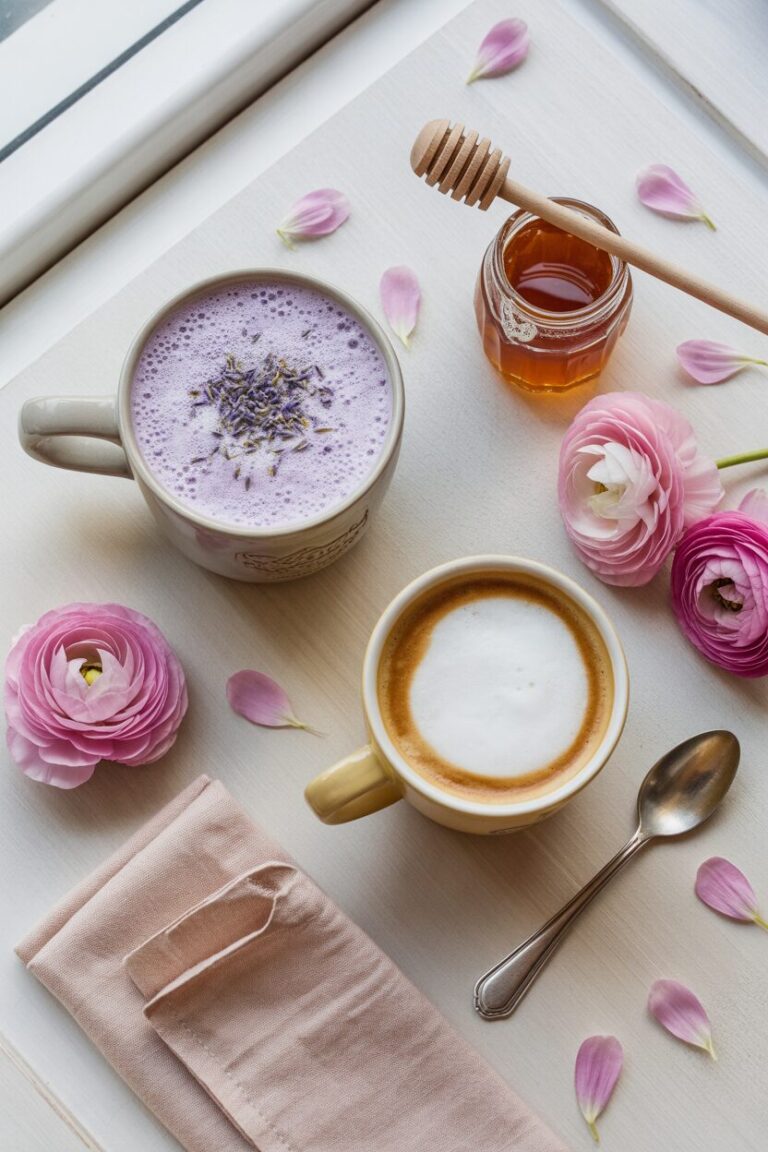
A London Fog is Earl Grey tea with steamed milk and vanilla syrup. Add lavender to that, and you’ve got yourself something special. The combination of bergamot from the Earl Grey and floral lavender creates this incredibly soothing drink.
Use culinary lavender, not the stuff from craft stores—there’s a difference, and you don’t want to drink something that tastes like potpourri. Steep a tiny amount with your Earl Grey (a little goes a long way), add steamed milk and vanilla, and you’ve got a cafe-worthy drink at home. A milk frother makes this so much easier, though you can heat milk on the stove if needed. Get Full Recipe
Speaking of creative morning drinks, if you want more variations on this theme, you might enjoy these latte recipes you can make without a machine—same cozy vibes, different base.
How to Store and Source Quality Tea
Real talk: storage matters. Tea doesn’t last forever, despite what that dusty tin in your cupboard might suggest. Light, air, moisture, and strong odors are tea’s enemies. Store your loose leaf tea in airtight containers away from your spice cabinet (trust me on this—tea absorbs smells like a sponge).
FYI, buying from specialty tea shops or reputable online retailers will change your tea game completely. The stuff in grocery store bags is fine for everyday drinking, but if you want to really appreciate these different tea traditions, invest in quality tea. It doesn’t have to be expensive—just fresh and properly stored.
Green and white teas lose their freshness faster than black teas, so buy smaller quantities if you’re exploring those varieties. Pu-erh and aged oolongs actually improve with time, so those are worth investing in larger quantities. Keep everything in opaque, airtight tea tins and you’re golden.
The Tools That Actually Matter
You don’t need a lot of fancy equipment to make great tea, but a few key tools make life easier. Here’s what I actually use regularly:
- Variable temperature kettle – Already mentioned this, but seriously, it’s the MVP of tea making
- Tea infuser basket – Get one that fits inside your mug. The little ball ones don’t give leaves enough room to expand
- Gaiwan or small teapot – Essential if you’re getting into Chinese tea ceremony or just want to look cool
- Timer – Over-steeping is real and it ruins tea. Use your phone timer at minimum
- Digital scale – For nerding out on precise tea-to-water ratios. Not necessary but fun
That’s it. You can get fancier with stuff like tea trays, fancy cups, and elaborate tea sets, but these basics will serve you well for pretty much every tea tradition I’ve mentioned.
☕ Storage Solution: Premium Airtight Tea Canister Set
I learned the hard way that storing tea in the bags it comes in is a rookie move. Tea absorbs odors like crazy, loses freshness fast, and those bags just aren’t airtight enough. These canisters changed everything.
- UV-blocking opaque containers preserve tea freshness
- Double-sealed lids keep moisture and air out completely
- Set of 4 different sizes for various tea quantities
- Stackable design saves counter space
- Built-in date labels so you know when you bought it
Why it matters: My green teas used to taste stale after a few weeks. Now they stay fresh for months. Plus, my tea cabinet looks like an actual organized human lives here instead of a chaotic goblin hoarder.
Get the SetFrequently Asked Questions
What’s the difference between tea types (black, green, white, oolong)?
They all come from the same plant—Camellia sinensis—but are processed differently. Green tea is minimally oxidized (keeps its green color), black tea is fully oxidized (turns dark), white tea is barely processed (delicate flavor), and oolong is partially oxidized (somewhere between green and black). The oxidation level affects flavor, caffeine content, and health compounds.
How much caffeine is in tea compared to coffee?
Generally, an 8 oz cup of black tea has about 40-70mg of caffeine, green tea has 25-50mg, and white tea has 15-30mg. Compare that to coffee’s 95-200mg per cup. Herbal “teas” like chamomile, rooibos, and mint are naturally caffeine-free since they’re not from the tea plant.
Can I reuse tea leaves for multiple steepings?
Absolutely, especially with high-quality loose leaf teas. Oolongs, pu-erh, and premium green teas can be steeped multiple times—sometimes 5-6 times—with each steeping revealing different flavor notes. Just increase the steeping time slightly with each subsequent brew. This is actually the traditional way in Chinese tea culture.
Does tea really expire?
Tea doesn’t spoil like milk, but it definitely loses freshness and flavor over time. Green and white teas are best within 6-12 months of production. Black tea stays good for 1-2 years. Pu-erh and aged oolongs actually improve with age if stored properly. Store all tea in airtight containers away from light, moisture, and strong smells to maximize shelf life.
What’s the best way to sweeten tea without sugar?
Honey is the classic alternative—it adds its own flavor complexity. Maple syrup works beautifully in chai and other spiced teas. Stevia is calorie-free but has a distinctive aftertaste some people love and others hate. Dates blended into tea lattes add natural sweetness and creaminess. Or try adapting your palate to less sweet tea—you might be surprised how good quality tea tastes on its own.
Final Thoughts on Tea Culture
Here’s what I’ve learned after years of exploring tea traditions from around the world: there’s no “right” way to drink tea. The British add milk. The Moroccans add a ton of sugar and mint. The Japanese whisk it into a frothy foam. The Russians drink it with jam. They’re all correct.
What matters is finding the teas and preparation methods that make you happy. Maybe that’s a simple mug of English Breakfast with milk every morning. Maybe it’s an elaborate gongfu tea ceremony on Sunday afternoons. Maybe it’s cold-brewing hibiscus tea for summer refreshment. All of it is valid.
The beautiful thing about tea is that it’s both incredibly simple—leaves plus hot water—and infinitely complex. You can spend a lifetime exploring different varieties, regions, and preparation methods. Or you can just enjoy your favorite mug of tea without overthinking it.
Start with one or two recipes from this list that sound appealing. Get decent quality tea. Pay attention to water temperature and steeping time. Don’t be afraid to adjust sweetness, milk, and other additions to your taste. And most importantly, slow down enough to actually enjoy it. That’s the real lesson every tea culture shares—taking a few minutes to pause, prepare something warm, and just be present with it.
Now if you’ll excuse me, I’m going to make myself a cup of Moroccan mint tea and pretend I’m not just sitting in my kitchen in pajamas. The ritual works regardless of the setting, and that’s exactly the point.