Anti-Inflammatory Meal Plan on a Budget — Under $100 Per Week
Anti-Inflammatory Meal Plan on a Budget — Under $100 Per Week
Let’s be real — eating anti-inflammatory doesn’t have to mean spending $300 a week at Whole Foods while crying softly in the checkout line. I’ve been there. I used to think that turmeric-laced, omega-3-packed, gut-healing food was strictly a rich-person hobby. Spoiler: it’s not. With a little planning and some smart grocery shopping, you can eat incredibly well — inflammation-fighting, energy-boosting, body-loving food — for under $100 a week. Let me show you exactly how.
What Is an Anti-Inflammatory Diet, Anyway?
Before we get into the meal plan, let’s quickly cover what we’re actually working with here. An anti-inflammatory diet focuses on whole, nutrient-dense foods that reduce chronic inflammation in the body. Chronic inflammation is linked to conditions like heart disease, diabetes, arthritis, and even depression — so this isn’t just a wellness buzzword. It genuinely matters.
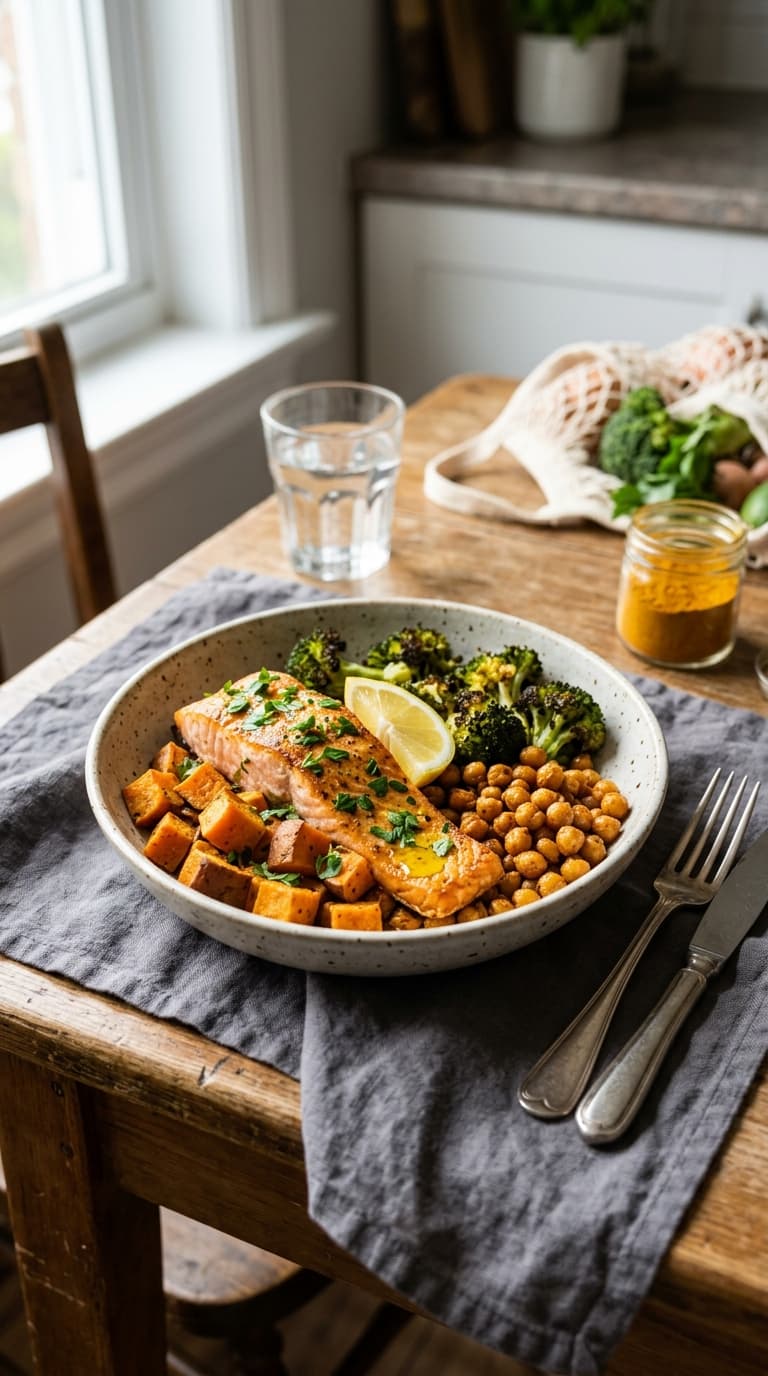
The stars of this dietary approach include:
- Fatty fish (salmon, sardines, mackerel)
- Leafy greens (spinach, kale, arugula)
- Berries (blueberries, strawberries, cherries)
- Nuts and seeds (walnuts, flaxseeds, chia seeds)
- Olive oil and avocados
- Whole grains (oats, brown rice, quinoa)
- Legumes (lentils, chickpeas, black beans)
- Colorful vegetables (bell peppers, broccoli, sweet potatoes)
- Herbs and spices (turmeric, ginger, garlic)
The villains? Processed foods, refined sugar, seed oils, and white flour. Pretty much everything that makes fast food taste incredible :/
Why Budget-Friendly Anti-Inflammatory Eating Is Totally Doable
Here’s the thing most people miss — the most powerful anti-inflammatory foods are also some of the cheapest foods on the planet. Lentils cost almost nothing. Canned sardines are budget gold. Frozen spinach and berries keep costs low without sacrificing nutrition. Oats? Don’t even get me started on how cheap oats are.
The key is shifting away from expensive packaged “health foods” and leaning into whole, single-ingredient staples. When I made that mental switch, my grocery bill dropped significantly — and my meals actually got better.
You want to pair this eating style with smart morning habits too. If you’re sipping anti-inflammatory tea blends for better health alongside your meals, you’re amplifying the benefits without adding much cost at all.
Building Your $100-a-Week Grocery Strategy
Shop the Perimeter — But Also the Middle Aisles
Most nutrition advice tells you to shop the perimeter of the grocery store. That’s solid advice for fresh produce, meat, and dairy. But don’t sleep on the center aisles — canned goods, dried legumes, whole grains, and frozen vegetables live there, and they’re your best friends on a budget.
Buy Frozen Produce Without Guilt
Frozen fruits and vegetables are picked at peak ripeness and flash-frozen immediately, which means they often retain more nutrients than their fresh counterparts that have been sitting on a truck for three days. IMO, frozen blueberries and spinach are non-negotiables in my weekly haul. Cheaper, longer shelf life, and just as nutritious.
Plan Before You Shop
Winging it at the grocery store is how you end up spending $140 and somehow having nothing to eat for dinner. Spend 15 minutes on Sunday mapping out your meals for the week. A simple weekly plan means less food waste, fewer impulse buys, and a much happier wallet.
The Weekly Grocery List (Under $100)
Here’s a realistic breakdown of what to buy each week. Prices will vary slightly by region, but this should land you comfortably under $100 in most areas.
Produce:
- Spinach (large bag, fresh or frozen) — ~$3
- Broccoli (2 heads or frozen bag) — ~$4
- Sweet potatoes (3 lbs) — ~$4
- Bell peppers (3 mixed) — ~$4
- Garlic (whole bulb) — ~$1
- Ginger root — ~$1.50
- Bananas — ~$2
- Lemons (bag) — ~$3
Frozen:
- Blueberries (32 oz bag) — ~$6
- Mixed berries (16 oz) — ~$4
- Edamame — ~$3
Proteins:
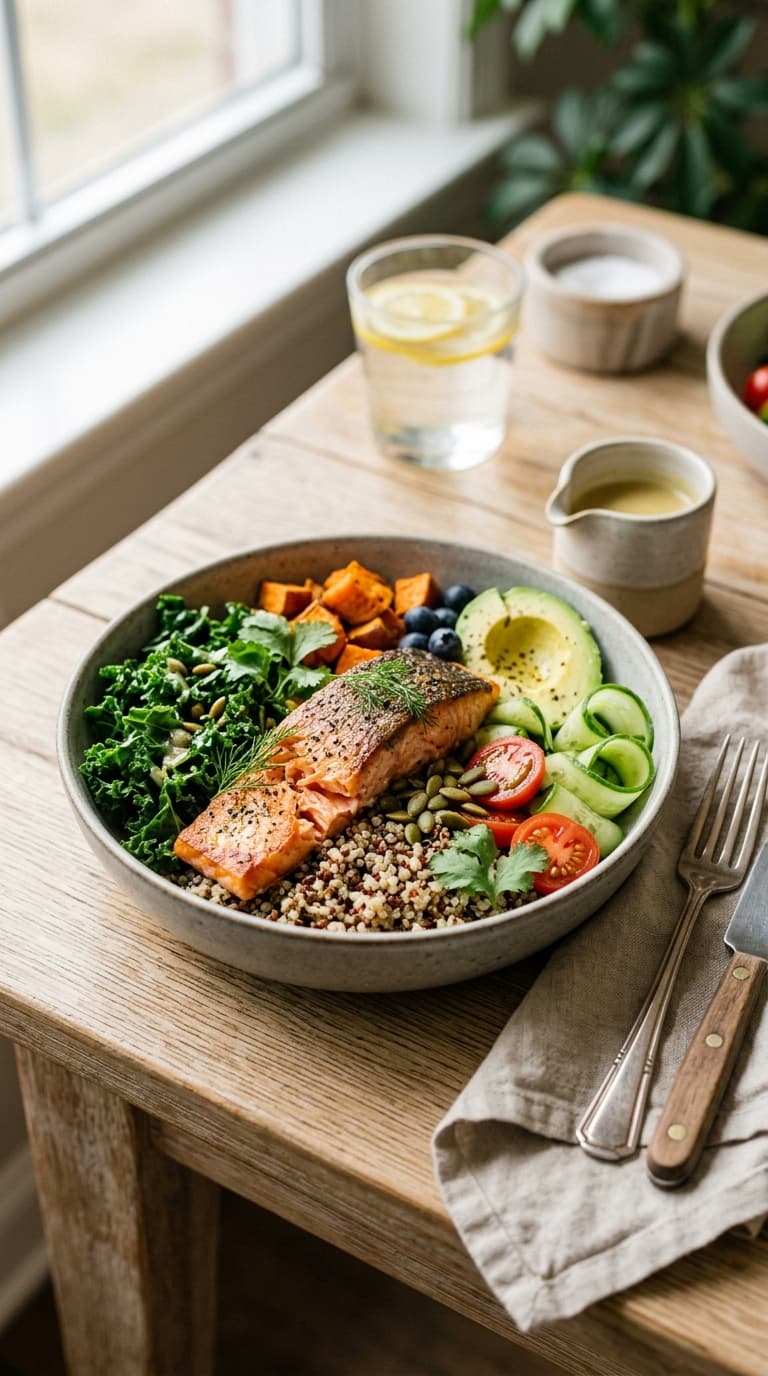
- Canned sardines or salmon (4 cans) — ~$8
- Eggs (dozen) — ~$4
- Boneless chicken thighs (2 lbs) — ~$7
- Canned chickpeas (3 cans) — ~$4
- Dried lentils (1 lb bag) — ~$2
Grains & Pantry:
- Rolled oats (large container) — ~$5
- Brown rice (2 lb bag) — ~$3
- Quinoa (1 lb) — ~$5
- Whole grain bread (loaf) — ~$4
- Canned diced tomatoes (3 cans) — ~$4
- Olive oil (bottle) — ~$7 (lasts multiple weeks)
- Turmeric, cumin, cinnamon — ~$5 total (pantry staples)
Dairy/Fats:
- Greek yogurt (large tub) — ~$6
- Walnuts (small bag) — ~$6
- Chia seeds — ~$5
- Flaxseeds — ~$4
Total: ~$94–$100 depending on your store and what you already have in the pantry. Not bad, right?
7-Day Anti-Inflammatory Meal Plan
Monday
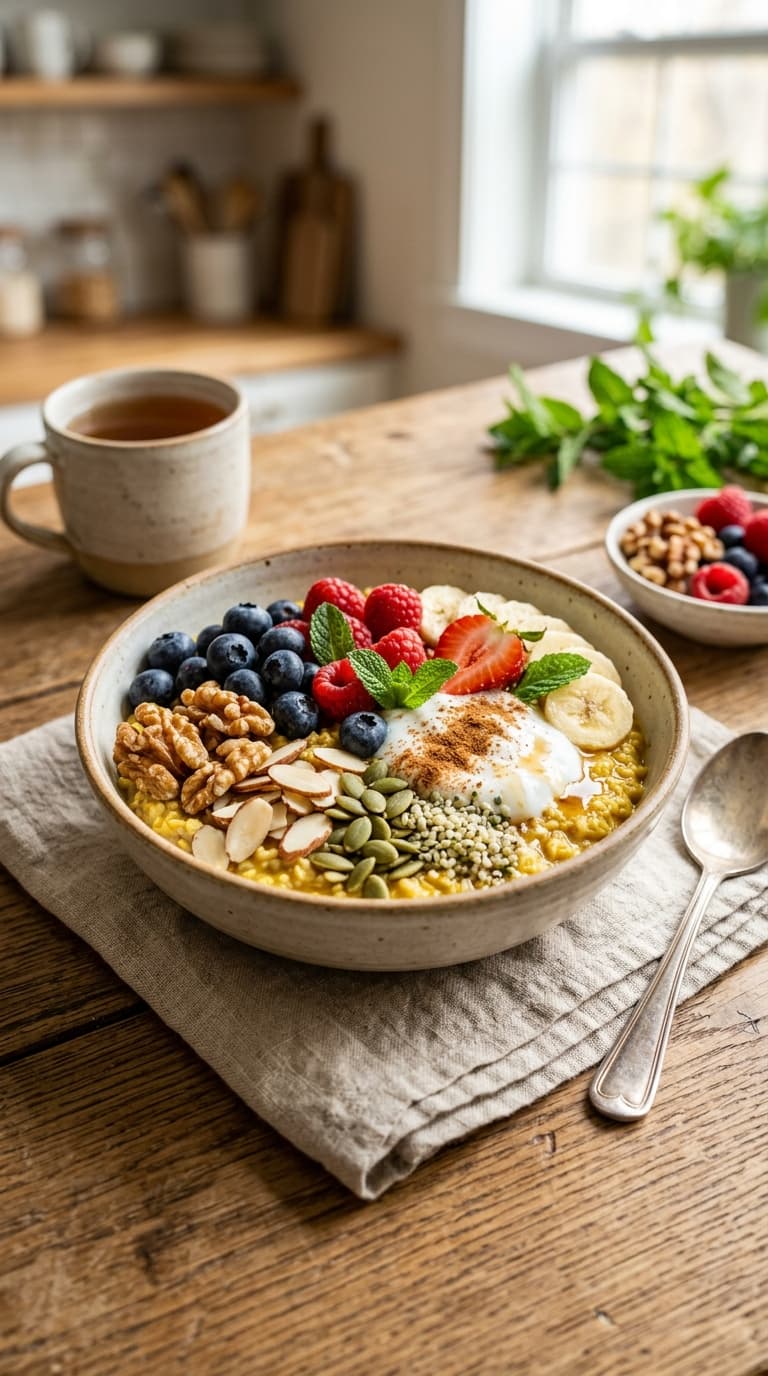
- Breakfast: Turmeric oatmeal with frozen blueberries, chia seeds, and a drizzle of honey
- Lunch: Lentil soup with spinach, garlic, and diced tomatoes
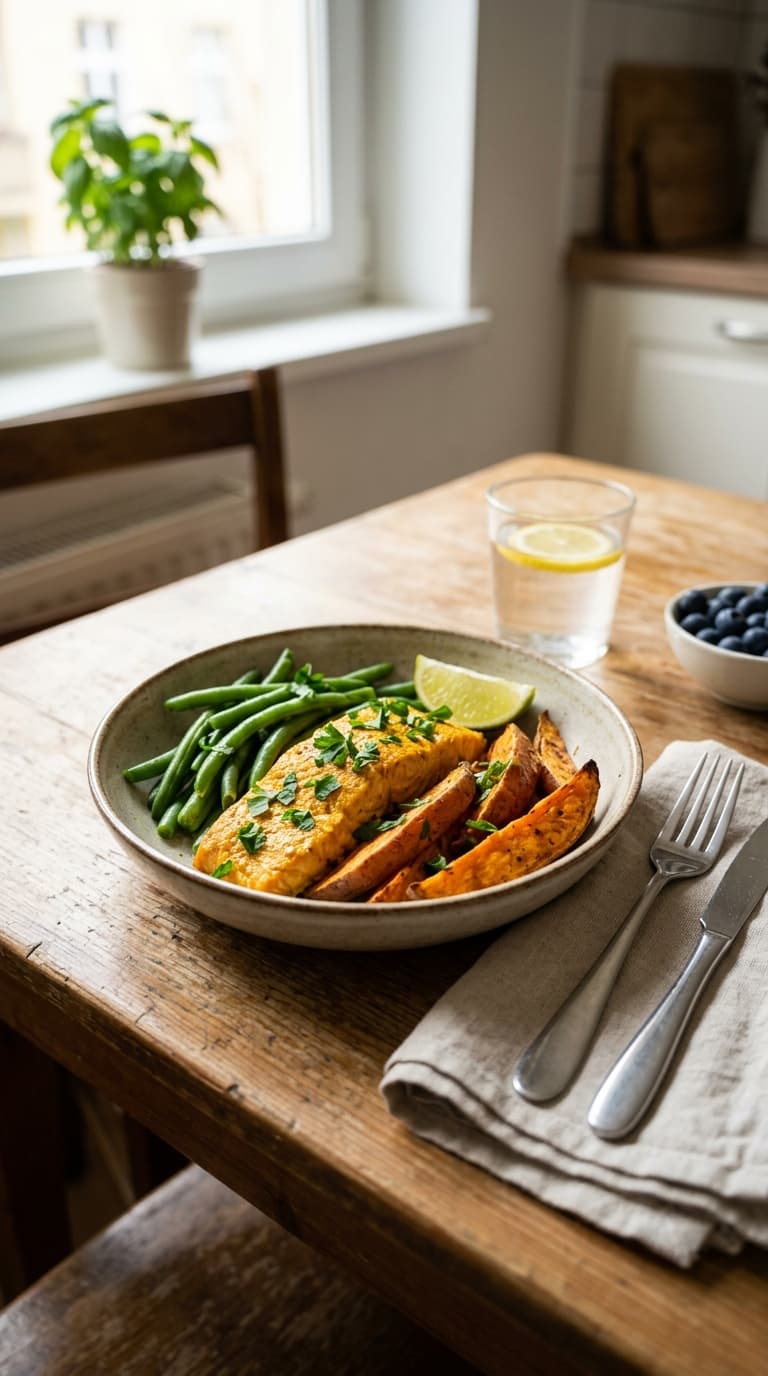
- Dinner: Baked chicken thighs with roasted sweet potato and broccoli
Tuesday
- Breakfast: Greek yogurt parfait with mixed berries and crushed walnuts
- Lunch: Chickpea and bell pepper stir-fry over brown rice
- Dinner: Sardine and spinach pasta with olive oil, lemon, and garlic
Wednesday
- Breakfast: Overnight oats with chia seeds, banana, and cinnamon
- Lunch: Lentil and sweet potato soup (yesterday’s leftovers — FYI, this gets better overnight)
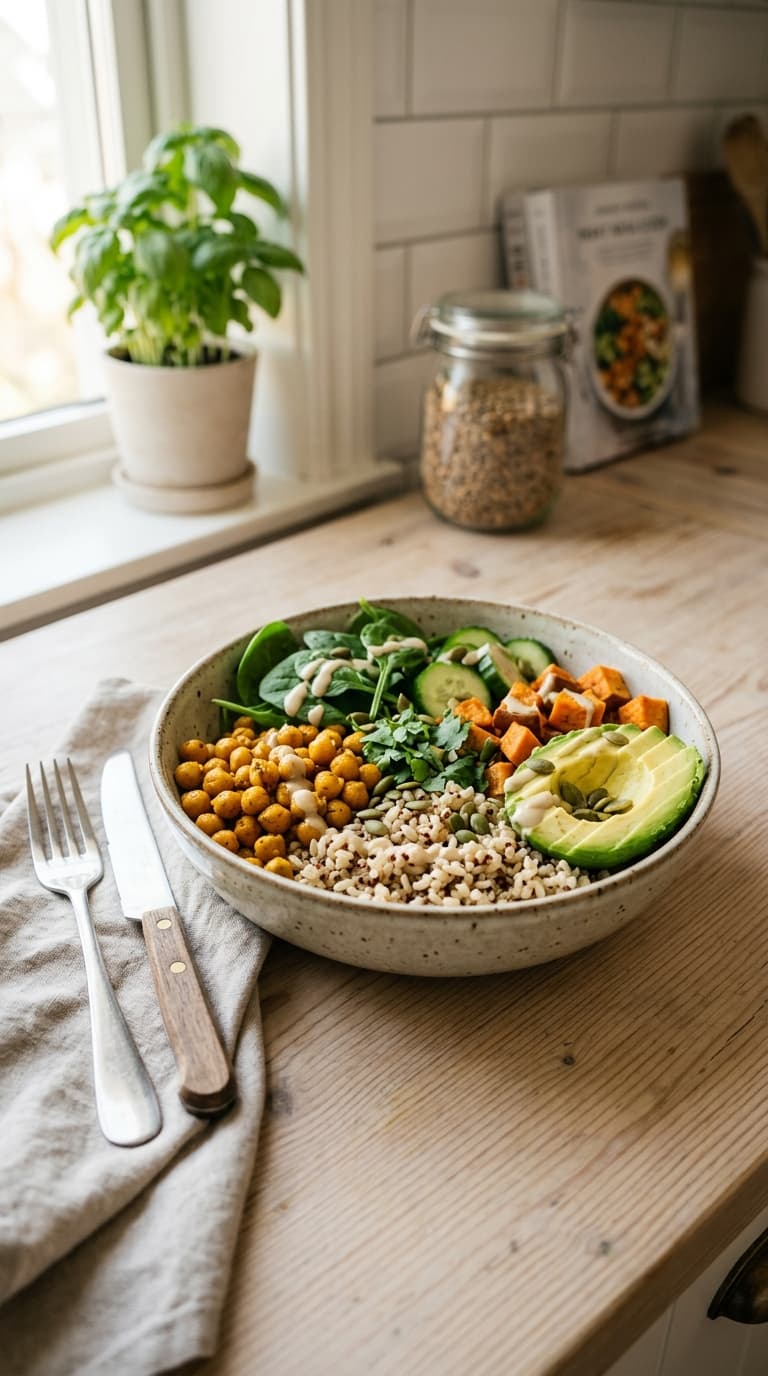
- Dinner: Quinoa bowl with roasted broccoli, edamame, and tahini dressing
Thursday
- Breakfast: Scrambled eggs with spinach and turmeric on whole grain toast
- Lunch: Chickpea salad with cucumber, bell pepper, olive oil, and lemon
- Dinner: Ginger-garlic chicken thighs over brown rice with steamed broccoli
Friday
- Breakfast: Smoothie with frozen blueberries, banana, flaxseeds, and Greek yogurt
- Lunch: Quinoa and roasted vegetable bowl with tahini
- Dinner: Lentil and canned tomato curry over brown rice
Saturday
- Breakfast: Savory oatmeal with soft-boiled egg, spinach, and a pinch of turmeric
- Lunch: Sardine toast with avocado spread and lemon (if you haven’t tried this combo, you’re genuinely missing out)
- Dinner: Chickpea stew with sweet potato, tomatoes, and warm spices
Sunday
- Breakfast: Waffles? Just kidding. Chia seed pudding with mixed berries and cinnamon
- Lunch: Leftover chickpea stew with whole grain bread
- Dinner: Brown rice bowl with soft-boiled eggs, edamame, roasted bell peppers, and ginger dressing
Power Ingredients That Pull Double Duty
Turmeric — The Overachiever
Curcumin, the active compound in turmeric, is one of the most well-studied anti-inflammatory compounds in existence. Add it to oatmeal, soups, rice, scrambled eggs — basically everything. Combine it with black pepper to dramatically increase absorption. A pinch of black pepper boosts curcumin absorption by up to 2,000%. Science is wild.
Olive Oil — Liquid Gold on a Budget
Extra-virgin olive oil contains oleocanthal, a compound that acts similarly to ibuprofen in terms of anti-inflammatory effect. Use it as your primary cooking fat. Buy a mid-size bottle — it stretches further than you think and costs less per use than most specialty oils.
Sardines — The Misunderstood Hero
I know, I know. Sardines get a bad reputation. But they’re absolutely packed with omega-3 fatty acids, vitamin D, calcium, and B12, and a can costs about $2. Mash them on toast with lemon and capers, add them to pasta, or toss them in a salad. Once you get past the initial hesitation, you’ll wonder why you waited so long.
Lentils — Cheap, Fast, and Outrageously Nutritious
Lentils cook in 20–25 minutes, cost almost nothing, and are packed with fiber, protein, and polyphenols that actively fight inflammation. They’re genuinely one of the most underrated foods on the planet. Red lentils melt into creamy soups; green and brown lentils hold their shape well for salads and stews.
Smart Meal Prep Tips That Save Time and Money
Batch cooking is the anti-inflammatory diet’s best friend. Here’s how to approach your week efficiently:
- Cook a big pot of grains on Sunday. Brown rice and quinoa keep in the fridge for 5 days and reheat perfectly.
- Roast a full sheet pan of vegetables at once. Broccoli, sweet potatoes, and bell peppers roasted together take 30 minutes and last all week.
- Make a double batch of lentil soup or chickpea stew. These dishes genuinely improve with time as the flavors develop.
- Prep overnight oats for three days at once. Three jars, ten minutes, done. Morning-you will be deeply grateful.
- Hard-boil a half dozen eggs. They’re grab-and-go protein ready for any meal.
Pair this meal plan with some smart drink choices throughout the day. Herbal teas that help you sleep better are a great nightcap, and sipping herbal teas for better digestion between meals supports the gut health work your food is already doing. If you want to go further, there are also some excellent detox tea recipes you can make at home that complement this eating style beautifully.
What to Avoid (Without Spiraling Into Obsession)
Look, this isn’t about perfection. But there are a few things that actively work against your anti-inflammatory goals:
- Refined sugar — spikes blood sugar, drives inflammation
- Processed vegetable oils (canola, soybean, corn oil in high quantities)
- White bread and refined carbs in excess
- Packaged snacks with long ingredient lists
- Excess alcohol — yes, sadly
The good news? When you eat this way consistently, the cravings for the inflammatory stuff genuinely diminish. Your body starts telling you what it wants, and what it wants is sweet potatoes and blueberries. Weird but true.
Staying Consistent Without Burning Out
The biggest obstacle to any dietary change isn’t information — it’s sustainability. Here’s what actually works for long-term consistency:
Keep it flexible. This meal plan is a framework, not a prison sentence. Swap proteins, mix up vegetables, use what’s on sale.
Don’t chase perfection. Eating anti-inflammatory 80% of the time and having pizza with friends on Friday isn’t failure — it’s balance.
Make it enjoyable. If you hate every bite, you won’t stick with it. Season generously, experiment with spices, and find the meals within this framework that genuinely excite you.
Track your wins, not your slip-ups. Notice when your energy improves, when your joints feel better, when your digestion smooths out. These physical shifts are motivating in a way that willpower alone never is.
Your Weekly Budget Breakdown at a Glance
| Category | Estimated Cost |
|---|---|
| Fresh produce | $17–$20 |
| Frozen fruit/veg | $13–$15 |
| Proteins (fish, eggs, poultry) | $19–$22 |
| Legumes and grains | $19–$22 |
| Pantry staples (oil, spices) | $12–$15 |
| Dairy and healthy fats | $15–$18 |
| Total | ~$95–$100 |
Final Thoughts
Eating to fight inflammation on a budget is completely, genuinely, no-asterisks possible. The most anti-inflammatory foods on the planet — lentils, oats, sardines, turmeric, frozen berries, leafy greens — are also some of the most affordable foods you can buy. Once you build the habit of batch cooking and strategic shopping, the whole thing starts feeling effortless rather than exhausting.
Start simple. Pick three or four meals from this plan that excite you and build from there. You don’t have to overhaul everything on day one. Small, consistent changes add up to genuinely significant results — in your energy, your mood, your digestion, and your long-term health.
And hey — if you’re going to invest $100 a week anywhere, investing it in food that actively works for your body seems like a pretty smart move 🙂