30-Day Anti-Inflammatory Diet Challenge — What to Expect
30-Day Anti-Inflammatory Diet Challenge — What to Expect
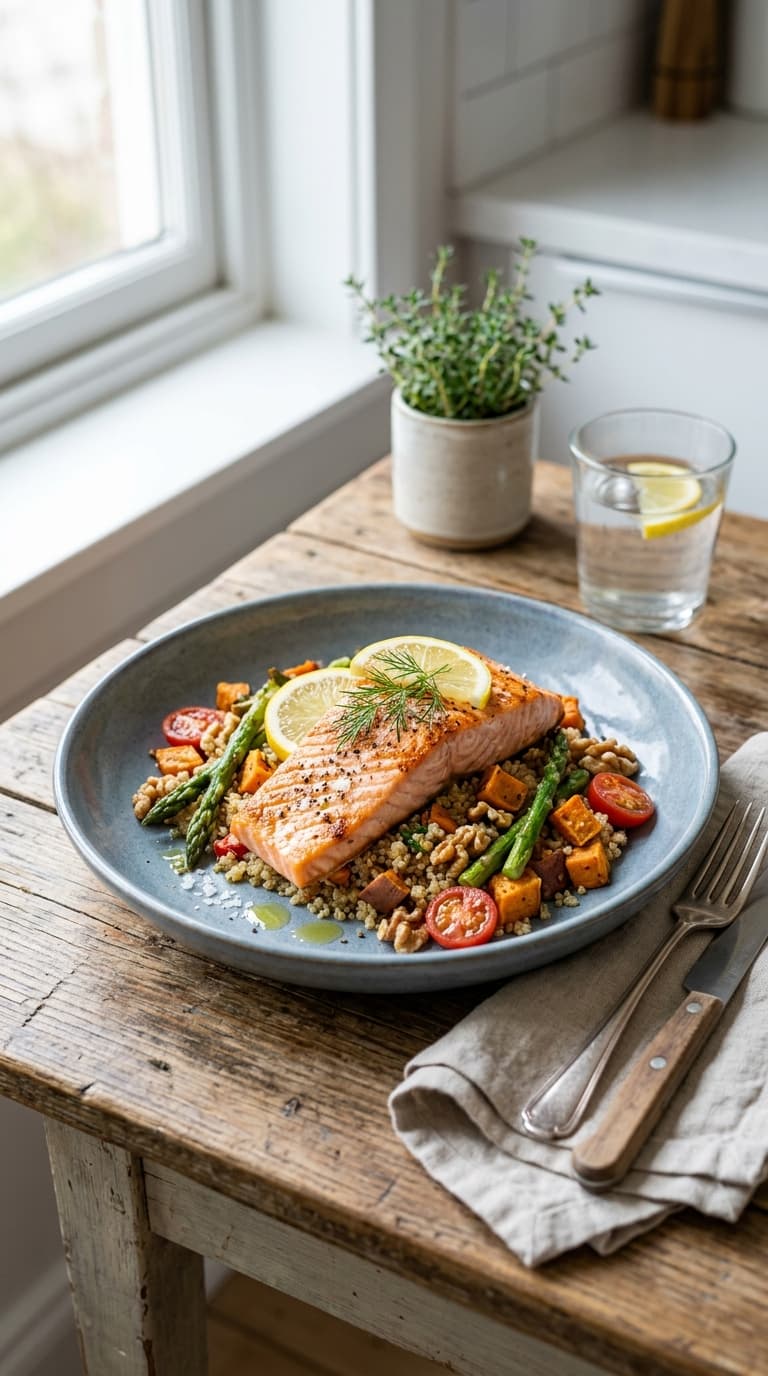
So you’ve heard about the anti-inflammatory diet and you’re wondering if it’s actually worth 30 days of your life. Spoiler alert: it probably is. I started my own challenge on a whim after waking up with stiff joints for the third morning in a row, and what followed genuinely surprised me. This isn’t a magic cure or some trendy detox — it’s a real, food-based approach that your body will actually thank you for. Let’s talk about what to expect, week by week, meal by meal.
What Even Is an Anti-Inflammatory Diet?
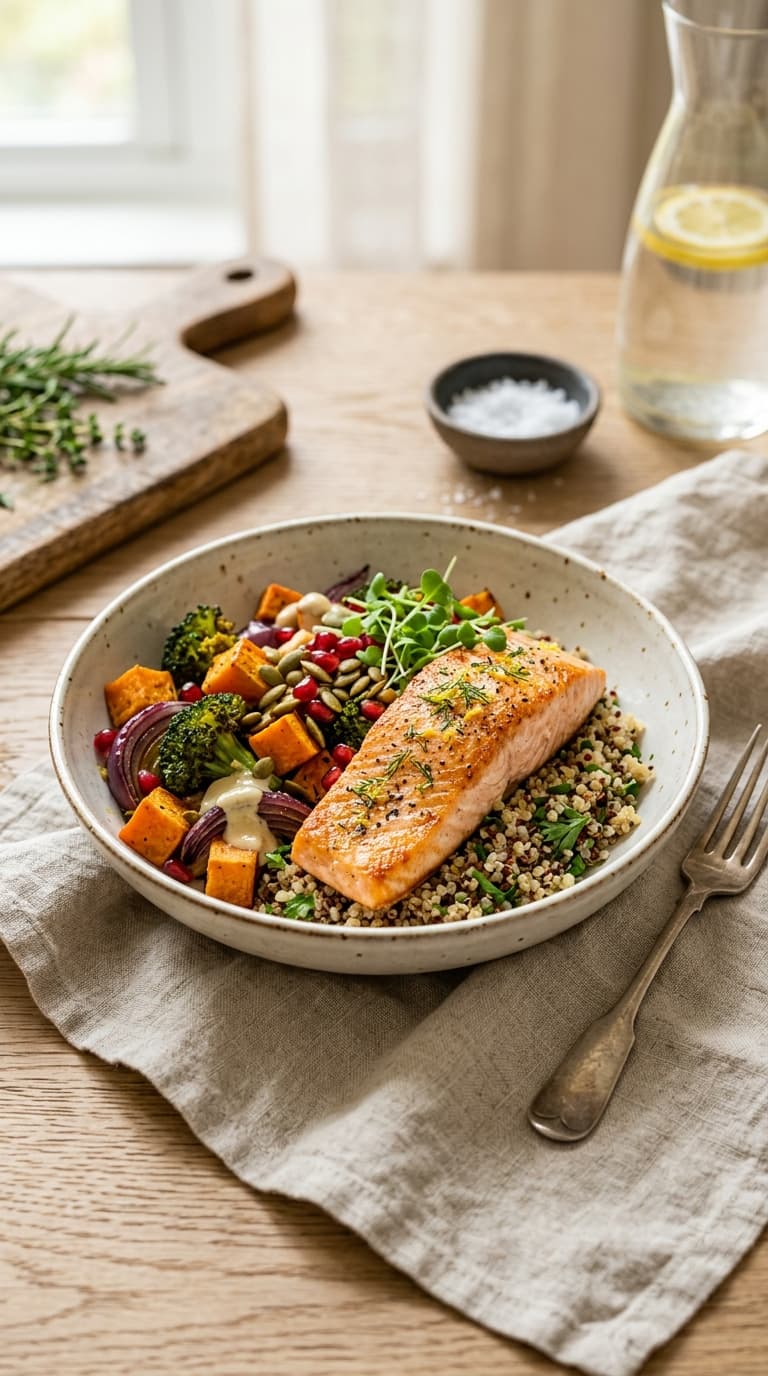
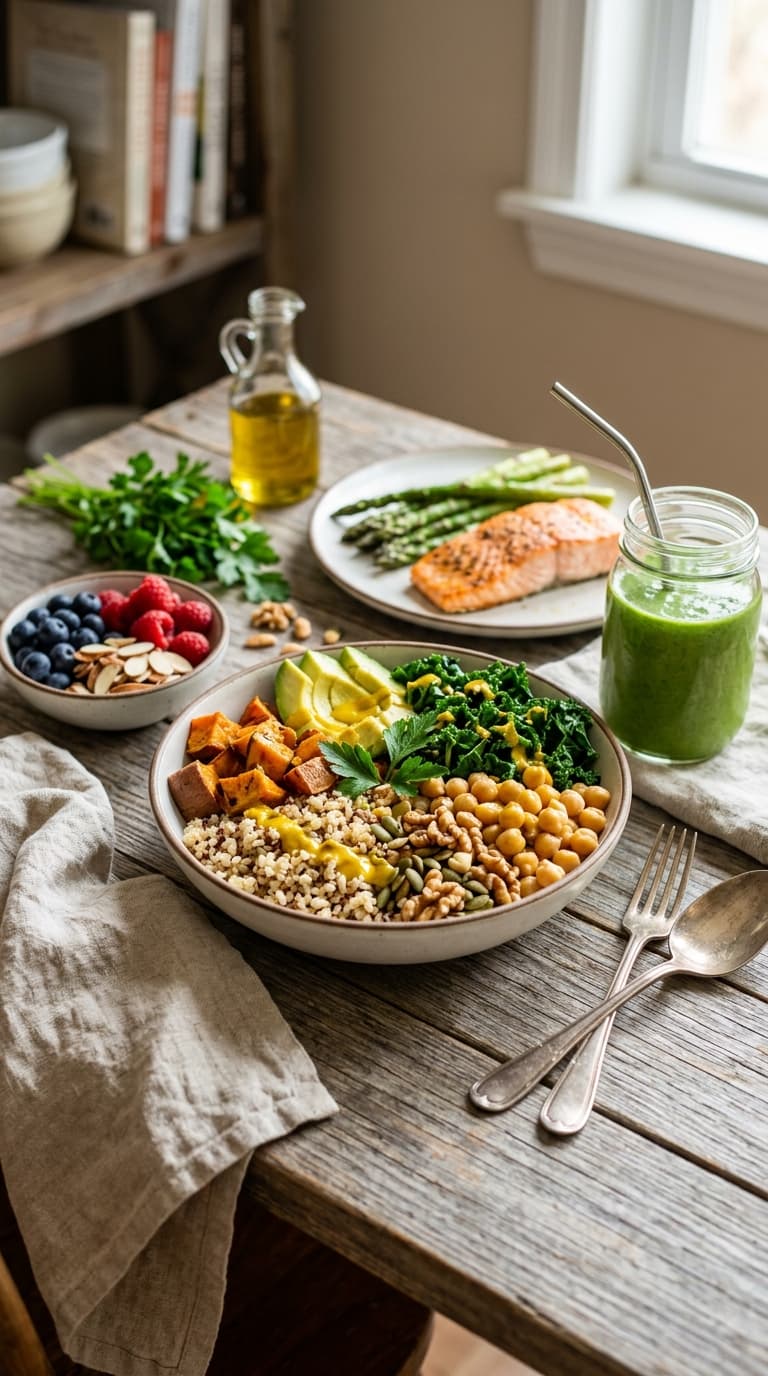
Before you commit 30 days to anything, you deserve to know what you’re signing up for. An anti-inflammatory diet focuses on whole foods that reduce chronic inflammation in the body — think leafy greens, fatty fish, berries, nuts, olive oil, and spices like turmeric and ginger. You’re cutting out the usual suspects: refined sugar, processed foods, trans fats, and excessive alcohol.
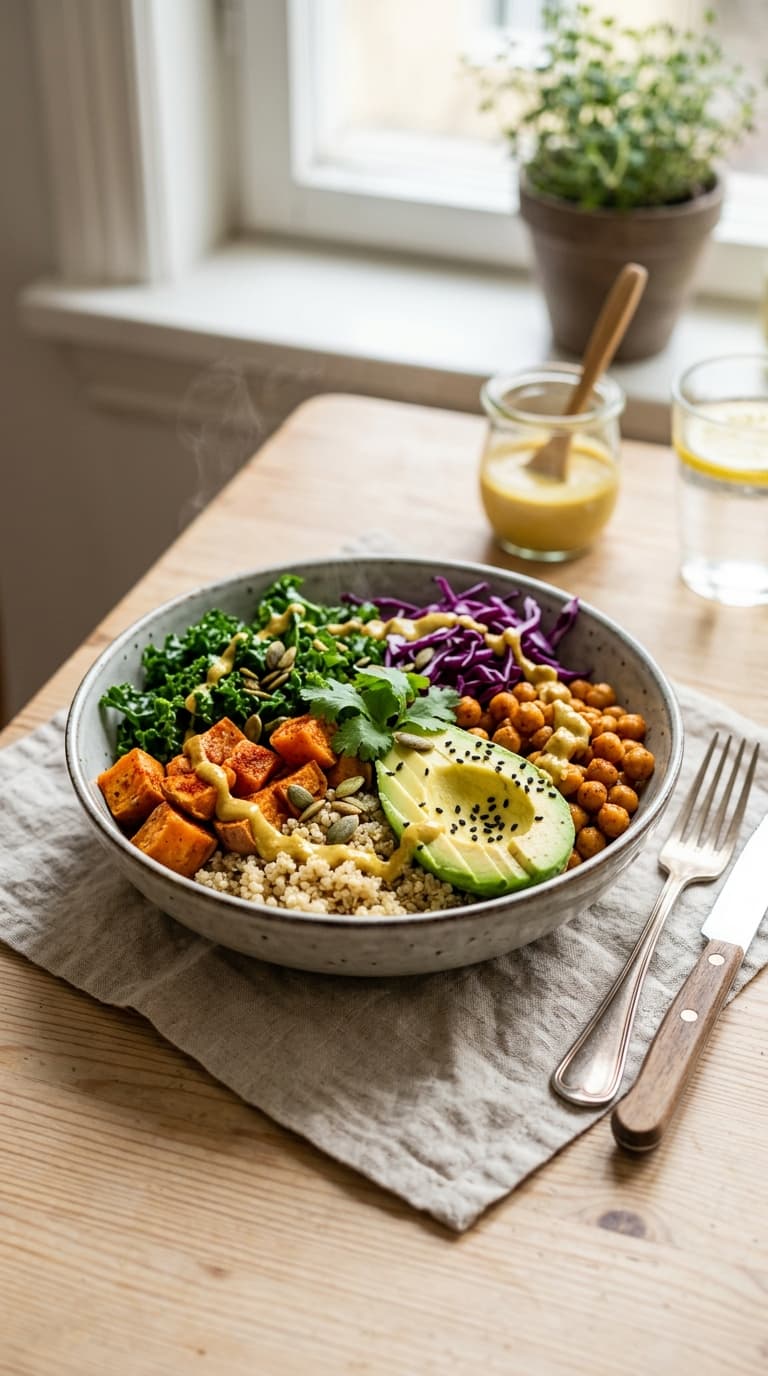
This isn’t about counting every calorie or surviving on lettuce. It’s about crowding out the bad stuff with genuinely good food. IMO, that’s a refreshing way to approach eating — addition over restriction.
The science behind it is solid. Chronic inflammation is linked to conditions like heart disease, type 2 diabetes, arthritis, and even depression. Choosing anti-inflammatory foods isn’t a lifestyle flex — it’s one of the most practical things you can do for long-term health.
What You’ll Eat (And What You’ll Miss)
The Good Stuff on Your Plate
Here’s what you’ll be loading up on during the challenge:
- Fatty fish like salmon, sardines, and mackerel (rich in omega-3s)
- Colorful vegetables — bell peppers, spinach, kale, broccoli, beets
- Berries — blueberries, strawberries, cherries (antioxidant powerhouses)
- Healthy fats — avocado, extra virgin olive oil, walnuts
- Whole grains — quinoa, brown rice, oats
- Spices — turmeric, ginger, cinnamon, garlic
- Legumes — lentils, chickpeas, black beans
What Gets the Boot
- Refined carbs and white sugar
- Processed snack foods and fast food
- Vegetable oils high in omega-6 (corn oil, soybean oil)
- Excessive red meat, especially processed meats
- Alcohol (yes, even your beloved weekend wine 🙂
The good news? Your morning coffee doesn’t have to go anywhere. Black coffee actually has anti-inflammatory properties. If you want to keep things interesting while staying on plan, try switching up your routine with some healthy coffee recipes using nut milks and natural sweeteners — they’re genuinely delicious and won’t derail your progress.
Week 1 — The Adjustment Phase (A.K.A. Why Does My Head Hurt?)
Let’s be real: the first week is the hardest. Your body is used to sugar, processed food, and whatever that thing was you ate at 11 PM last Tuesday. When you pull those out of the equation, there’s an adjustment period.
Expect some of the following in week one:
- Headaches, especially if you’re cutting back on sugar and refined carbs
- Fatigue or brain fog around days 3–5
- Cravings that feel almost theatrical in their intensity
- Some bloating as your gut adjusts to more fiber
Don’t panic. This is normal, and it typically passes by the end of week one. Your body is recalibrating, not punishing you.
On the flip side, many people also start noticing reduced bloating and better digestion within the first week, especially when they swap out processed snacks for real food. Drinking plenty of water and herbal teas helps enormously during this stretch. Anti-inflammatory tea blends like those containing ginger, turmeric, or chamomile can be especially supportive right now.
Practical Tips for Week 1
- Meal prep on Sunday so you’re not scrambling on Tuesday night
- Keep easy snacks on hand — nuts, apple slices with almond butter, hummus
- Don’t skip meals; under-eating makes cravings worse
- Drink at least 8 glasses of water a day
Week 2 — Things Start Getting Interesting
By week two, most people start feeling the shift. The fog lifts. Energy stabilizes. And here’s something nobody warns you about — you might start sleeping better. Inflammation affects sleep quality more than most people realize, and reducing it can genuinely improve how well you rest.
You’ll also likely notice your skin looking a bit clearer. Chronic inflammation shows up on your face (fun, right?), and dialing it back through food makes a visible difference for a lot of people. Not everyone, but enough that it’s worth mentioning.
This is also the week where your taste buds start to recalibrate. Foods that seemed bland without salt or sugar now taste more complex and satisfying. A simple bowl of oatmeal with berries and cinnamon starts feeling like an actual treat — I know, I know, I was skeptical too.
Your Energy Levels in Week 2
Energy typically stabilizes and often improves during week two. That mid-afternoon slump that used to hit at 2 PM? Many people report it becoming noticeably milder. The reason is straightforward — without blood sugar spikes and crashes from refined carbs, your energy stays more even throughout the day.
If you need a boost without derailing the plan, a well-made coffee drink can fit perfectly. Something like a simple coffee smoothie for breakfast made with banana, almond milk, and a shot of espresso checks every box.
Week 3 — The “Wait, This Feels Good” Phase
Week three is where the challenge stops feeling like a challenge. You’re past the cravings, past the adjustment, and your body has started genuinely responding. Joint stiffness often decreases noticeably by week three, particularly if inflammation was a significant factor to begin with.
Mentally, things tend to shift here too. Several studies have found links between gut health and mood — and since an anti-inflammatory diet dramatically changes your gut microbiome, don’t be surprised if you feel a bit more even-keeled emotionally. This isn’t woo-woo stuff; it’s actual gut-brain axis science.
What People Notice Most in Week 3
- Reduced joint pain or stiffness
- Clearer skin and potentially less puffiness in the face
- Improved mood and reduced anxiety in some cases
- More stable hunger cues — less random snacking, more purposeful eating
- Better workout recovery if you exercise regularly
Ever wondered why inflammation gets in the way of athletic performance? Because it does, significantly. Reducing systemic inflammation through food means your muscles recover faster, which translates directly to better workouts and less soreness.
Week 4 — You’re Almost There, Don’t Blow It Now
Week four brings a specific kind of challenge: complacency. You feel good. Maybe you feel great. And that’s exactly when the “I’ll just have this one thing” conversations start happening internally. FYI — you’ve come this far, just finish strong.
This is the week to start thinking about sustainability. What parts of this way of eating do you genuinely enjoy? What would you carry forward? Most people find they don’t want to go back to how they were eating before — not because they’re following rules, but because they feel too good to willingly undo it.
Use week four to experiment a bit. Try new recipes, explore different spices, cook proteins in new ways. The goal is to build a repertoire of meals you actually look forward to so this doesn’t feel like deprivation after the 30 days end.
Building Lasting Habits in Week 4
- Identify 5–7 go-to meals you’ll keep making
- Figure out your “default” breakfast — something easy, fast, and anti-inflammatory
- Learn 2–3 quick swaps for cravings (dark chocolate instead of milk chocolate, sparkling water instead of soda)
- Start thinking about social situations — eating out, parties, family meals
If herbal teas have become part of your daily routine (and they really should), explore some herbal tea recipes that support better digestion to keep your gut happy long after the challenge ends.
What About Coffee and Tea During the Challenge?
Great news — both coffee and tea are generally anti-inflammatory. Coffee contains polyphenols and antioxidants that actively fight inflammation. Tea, especially green tea, white tea, and certain herbal blends, is one of the most studied anti-inflammatory beverages around.
What you’re cutting is the added sugar and artificial creamers — not the coffee itself. This is where making lattes without a machine using oat milk or almond milk becomes genuinely useful. You still get your comforting morning ritual, just without the inflammatory add-ins.
For afternoon support, herbal teas for better digestion make a brilliant swap for those 3 PM snack cravings that are often just dehydration or habit dressed up as hunger.
Common Mistakes to Avoid
People stumble on this challenge in predictable ways. Here are the ones worth knowing upfront:
- Eating “healthy” processed foods — granola bars and flavored yogurts often contain as much sugar as candy
- Not eating enough fat — this is a common fear-based mistake; healthy fats keep you full and satisfied
- Skipping protein — every meal should have a solid protein source to prevent blood sugar swings
- Underestimating meal prep — winging it daily is a fast track to ordering takeout
- Being too rigid — one off-plan meal doesn’t erase 20 days of good choices; just get back on track
What Does the Science Actually Say?
The research on anti-inflammatory diets is genuinely encouraging. The Mediterranean diet, which shares most of its principles with the anti-inflammatory approach, consistently ranks as one of the most evidence-backed dietary patterns for reducing chronic disease risk, improving cardiovascular health, and supporting cognitive function as we age.
Studies published in journals like the British Journal of Nutrition and Journal of the American College of Cardiology have shown measurable reductions in inflammatory markers like C-reactive protein (CRP) after dietary interventions focused on whole foods and reduced processed food intake.
This isn’t fringe wellness content — it’s mainstream nutrition science that continues to build momentum. The 30-day challenge is essentially a structured way to experience those benefits firsthand.
What to Expect After Day 30
Here’s where it gets good 🙂 — most people finish the 30 days and realize they genuinely don’t want to fully go back. That’s the intended outcome. The challenge isn’t meant to be a temporary fix; it’s meant to reset your baseline.
After day 30, you have options:
- Continue the anti-inflammatory approach as your permanent eating style
- Adopt an 80/20 model — eat anti-inflammatory 80% of the time, live your life the other 20%
- Reintroduce certain foods one at a time to see how your body responds
If you decide to bring alcohol or refined carbs back in limited amounts, do it slowly. You’ll likely find you feel the effects more acutely than you used to — not because you’ve become fragile, but because you’ve become more attuned to how food affects your body.
Final Thoughts — Is 30 Days Worth It?
Honestly? Yes. And I say that as someone who went in skeptical and came out genuinely converted. The 30-day anti-inflammatory diet challenge works not because it’s some revolutionary concept, but because it consistently replaces things that harm your body with things that help it. That’s it. That’s the whole trick.
You’ll probably feel tired in week one, better in week two, good in week three, and like you don’t want to stop by week four. Your joints may feel better, your skin might clear up, your sleep could improve, and your energy will likely stabilize in ways you didn’t expect.
The challenge is just the beginning. What comes after — that’s where the real shift happens. So go stock your pantry, brew a cup of anti-inflammatory tea, and start day one like you mean it. Your future self is going to be very glad you did.