
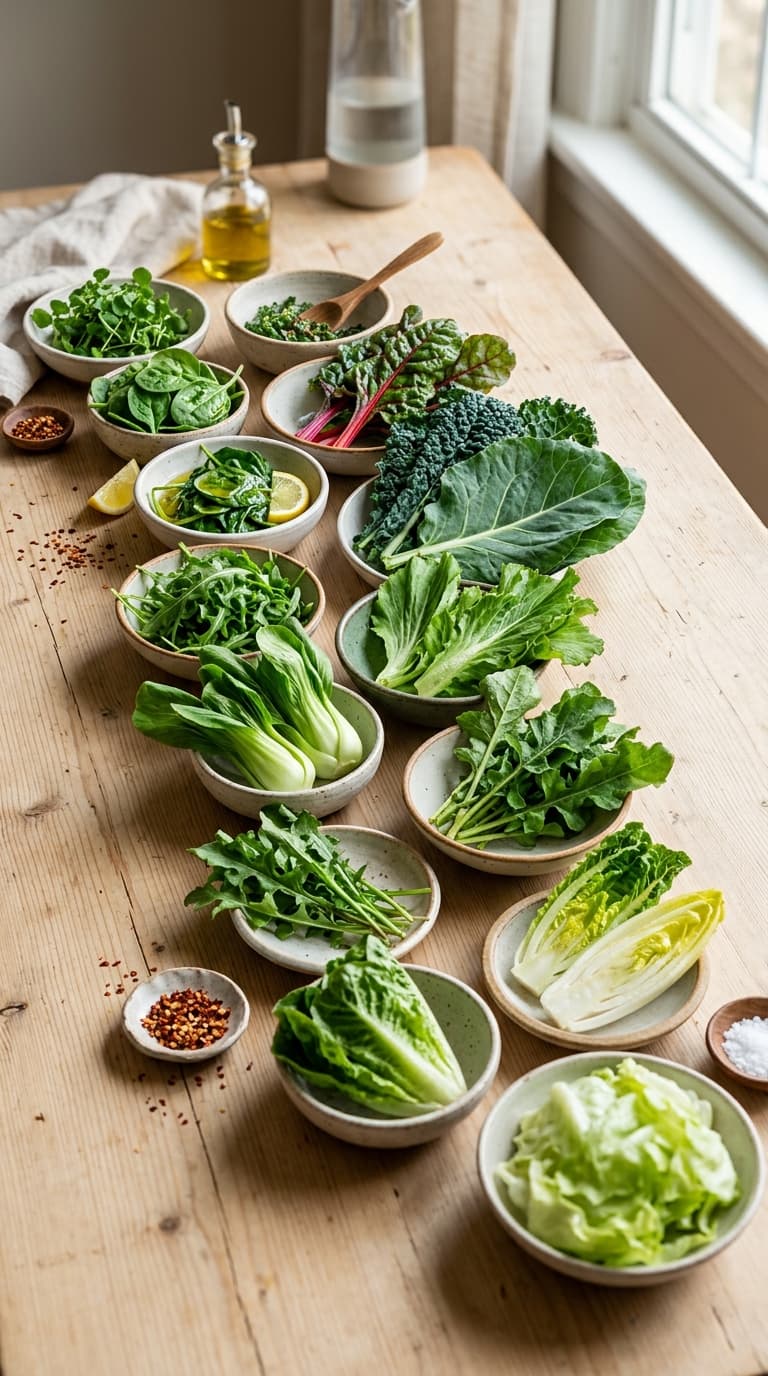
17 Anti-Inflammatory Leafy Greens Ranked by Nutrient Density
17 Anti-Inflammatory Leafy Greens Ranked by Nutrient Density
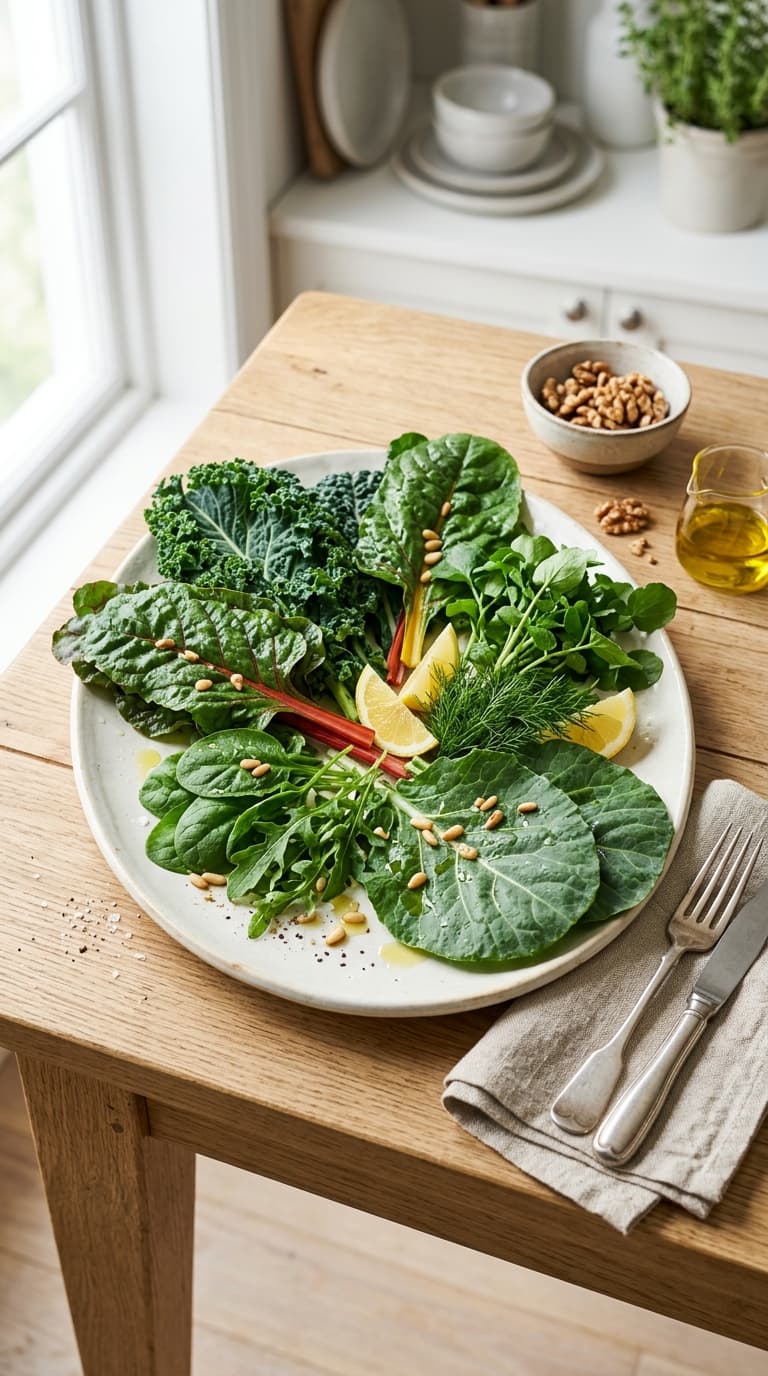
Let’s be real — most of us know we should eat more greens, but we treat it like a chore rather than a genuine health strategy. Here’s the thing: certain leafy greens are so packed with anti-inflammatory compounds that they can actually shift how your body responds to stress, injury, and chronic disease. And no, I’m not talking about the sad iceberg lettuce on your burger. We’re going way beyond that.
I’ve spent a good chunk of time obsessing over nutrition labels and research papers (yes, I’m that person), and I’ve ranked 17 of the most powerful anti-inflammatory leafy greens by their actual nutrient density. Not just “it has vitamins” — we’re talking flavonoids, carotenoids, vitamin K, polyphenols, and omega-3 fatty acids that actively fight inflammation. Ready? Let’s go.
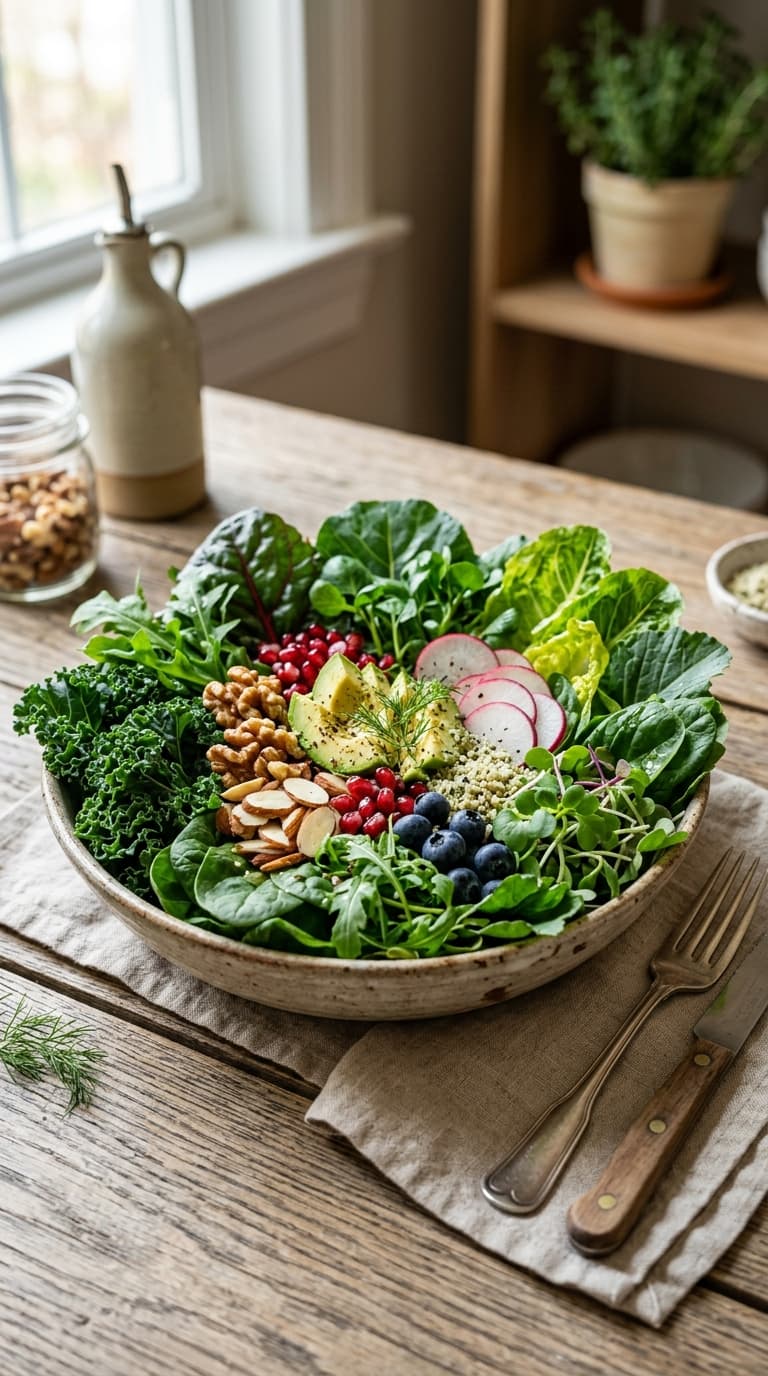
What Makes a Leafy Green “Anti-Inflammatory”?
Before we rank anything, it helps to understand what we’re actually measuring. A green earns its anti-inflammatory badge based on a few key markers:
- Polyphenol content — plant compounds that neutralize free radicals
- Carotenoids — especially lutein, zeaxanthin, and beta-carotene
- Vitamin K — linked to reduced inflammatory markers like CRP
- Omega-3 fatty acids — yes, some greens actually contain them
- Chlorophyll — a natural detoxifier with anti-inflammatory properties
The higher a green scores across these categories, the more firepower it brings to the table. Now let’s rank them.
The Top 17 Anti-Inflammatory Leafy Greens
1. Moringa Leaves
Moringa takes the top spot without hesitation. This tropical green contains over 90 nutrients and 46 antioxidants, including isothiocyanates — one of the most potent natural anti-inflammatory compounds known. It outpaces spinach in iron, kale in calcium, and oranges in vitamin C. IMO, moringa is criminally underrated in Western kitchens. If you haven’t tried it yet, the powdered form mixes beautifully into smoothies.
2. Kale
Kale has earned its superfood status for a reason. A single cup of raw kale delivers over 680% of your daily vitamin K, along with kaempferol and quercetin — two flavonoids with serious anti-inflammatory credentials backed by multiple clinical studies. It’s also rich in sulforaphane, which supports the body’s own antioxidant production.
- High in vitamins A, C, and K
- Contains glucosinolates that convert to anti-inflammatory compounds
- Best consumed lightly steamed to maximize nutrient absorption
3. Watercress
Watercress sits at #3 and honestly, it deserves more hype than it gets. The ANDI (Aggregate Nutrient Density Index) score ranks watercress as the single most nutrient-dense food on the planet — scoring a perfect 1000. It’s loaded with glucosinolates and isothiocyanates that help the body fight oxidative stress. Toss it in a salad or blend it into a green smoothie. You’ll thank me later.
4. Spinach
You already knew spinach would show up here. But did you know spinach contains a unique compound called glycoglycerolipids that research suggests can protect the digestive tract from inflammation? Add that to its impressive magnesium, folate, and lutein content, and you’ve got a serious anti-inflammatory workhorse. Popeye wasn’t lying — he just didn’t explain the science.
5. Swiss Chard
Swiss chard is the underdog you need in your life. It’s one of the few leafy greens that contains betalains — the same pigment found in beets — which have been shown to inhibit specific inflammatory pathways in the body. One cup of cooked Swiss chard also delivers a significant hit of magnesium, a mineral many people are chronically deficient in.
6. Collard Greens
Collard greens have been a staple of Southern cooking for generations, and now science is catching up to what grandmothers already knew. They’re extraordinarily high in vitamin K and contain sulforaphane, the same compound found in broccoli that activates the body’s natural detox enzymes. Collards also provide some of the best plant-based calcium you can find.
7. Arugula
Arugula brings a peppery punch along with glucosinolates, erucin, and indoles — compounds that actively suppress inflammatory gene expression. It’s also one of the lowest-calorie options on this list, so you can pile it on guilt-free. I genuinely eat this stuff by the handful while prepping dinner 🙂
8. Dandelion Greens
Wait — dandelion? Yes, those “weeds” in your yard are actually nutritional powerhouses loaded with beta-carotene, vitamin C, and taraxacin, a compound studied for its anti-inflammatory and liver-supporting effects. They taste a bit bitter (fair warning), but that bitterness signals the presence of those valuable polyphenolic compounds. Pair them with something acidic like lemon dressing to balance the flavor.
9. Beet Greens
Most people toss the greens when they buy beets, which is honestly a tragedy. Beet greens are richer in nutrients than the beet root itself, containing high levels of vitamin K, riboflavin, calcium, and iron. They also carry those same betalain compounds that make Swiss chard so interesting. Sauté them with garlic and olive oil — simple, fast, and genuinely delicious.
10. Turnip Greens
Another Southern staple that punches way above its weight. Turnip greens are among the highest plant-based sources of vitamin K, and they’re loaded with gluconasturtiins — glucosinolates that convert to anti-inflammatory compounds during digestion. They’re also quite high in folate, which plays a role in reducing homocysteine levels linked to systemic inflammation.
11. Mustard Greens
Mustard greens have a bold, spicy flavor that signals exactly what’s inside: high concentrations of glucosinolates and isothiocyanates. These compounds actively lower inflammatory markers, and mustard greens also provide excellent amounts of vitamins A, C, E, and K. Steam them lightly to preserve the nutrients while softening that sharp edge.
12. Romaine Lettuce
Okay, romaine doesn’t get enough credit because people lump it in with “regular lettuce.” But romaine actually delivers meaningful amounts of vitamin C, vitamin K, and beta-carotene, plus it contains lutein and zeaxanthin — carotenoids that reduce inflammatory markers in eye tissue and throughout the body. It’s accessible, affordable, and way more nutritious than its reputation suggests.
13. Bok Choy
Bok choy is a staple of East Asian cooking for good reason. It’s one of the brassica family’s most versatile members, delivering sulforaphane alongside vitamins A, C, and K. It also contains selenium — a trace mineral that works synergistically with vitamin E to reduce oxidative inflammation. Stir-fry it quickly to keep those compounds intact.
14. Purslane
This one surprises most people. Purslane is technically a succulent weed, but it contains more omega-3 fatty acids than any other leafy green — specifically alpha-linolenic acid (ALA). Omega-3s are foundational to reducing systemic inflammation, which makes purslane genuinely remarkable. FYI, it’s common in Mediterranean diets and tastes slightly lemony and crunchy. Worth hunting down at specialty grocery stores.
15. Mâche (Lamb’s Lettuce)
Mâche is delicate, nutty, and ridiculously nutrient-dense for its size. It contains exceptionally high levels of beta-carotene, vitamin C, and vitamin B6, plus meaningful amounts of omega-3 fatty acids relative to its caloric load. It wilts quickly when cooked, so eat it fresh in salads to preserve its anti-inflammatory compounds.
16. Endive
Endive might look like a fancy garnish, but it’s rich in kaempferol, a flavonoid that studies consistently link to reduced levels of pro-inflammatory cytokines. It also delivers a solid dose of vitamin K and folate. The slightly bitter taste (there’s that bitterness again — seeing a pattern?) means it’s packed with polyphenols. Try it braised with olive oil for a warm, comforting side dish.
17. Iceberg Lettuce
Yes, I included iceberg. Before you roll your eyes :/… here’s the truth: iceberg ranks last but it’s not totally useless. It delivers some vitamin K, a decent amount of water for hydration, and trace amounts of anti-inflammatory compounds. It just doesn’t compete with anything above it on this list. Think of it as the participation trophy of anti-inflammatory greens — still showing up, just not winning anything.
How to Actually Eat More of These Greens
Knowing the list is one thing. Getting these greens into your daily routine is another challenge entirely. Here are some practical ways to make it happen without turning every meal into a salad you dread:
- Blend them — Moringa, spinach, kale, and purslane all disappear into smoothies when paired with fruit. Pair your green smoothies with one of these energizing coffee smoothie ideas for breakfast if you want a real morning power combo.
- Sauté with olive oil and garlic — Works for almost every green on this list. The olive oil actually helps your body absorb fat-soluble vitamins like K and A.
- Add to soups and stews — Collard greens, beet greens, and bok choy hold up beautifully in warm broths.
- Use as wrap bases — Large collard green or romaine leaves make solid low-carb wraps.
- Top your morning eggs — Wilted spinach, arugula, or Swiss chard over eggs is a two-minute anti-inflammatory breakfast.
Pairing Greens with Anti-Inflammatory Drinks
Here’s something most nutrition articles don’t mention: what you drink alongside your greens can amplify or dampen their anti-inflammatory effects. Polyphenol-rich beverages work in synergy with leafy green compounds. If you’re into building a genuinely anti-inflammatory lifestyle, pairing your greens with the right drinks matters.
Anti-inflammatory tea blends work beautifully alongside a green-heavy meal — the polyphenols in both the greens and the tea stack together. Similarly, herbal teas that support digestion can help your gut absorb the nutrients from these greens more efficiently, especially fat-soluble vitamins like K and A.
If you prefer coffee, you’re not left out either. Research suggests polyphenols in coffee also carry anti-inflammatory properties — and if you want to boost metabolism while keeping inflammation low, these coffee recipes that naturally boost metabolism are worth a look. Even something as simple as low-calorie coffee drinks can fit neatly into an anti-inflammatory diet if you’re watching your overall caloric load.
Quick Reference: Ranking Summary
| Rank | Green | Key Anti-Inflammatory Compound |
|---|---|---|
| 1 | Moringa | Isothiocyanates, 46 antioxidants |
| 2 | Kale | Kaempferol, sulforaphane |
| 3 | Watercress | Glucosinolates, perfect ANDI score |
| 4 | Spinach | Glycoglycerolipids, lutein |
| 5 | Swiss Chard | Betalains, magnesium |
| 6 | Collard Greens | Vitamin K, sulforaphane |
| 7 | Arugula | Glucosinolates, erucin |
| 8 | Dandelion Greens | Taraxacin, beta-carotene |
| 9 | Beet Greens | Betalains, riboflavin |
| 10 | Turnip Greens | Gluconasturtiins, folate |
| 11 | Mustard Greens | Isothiocyanates, vitamins A/C/E/K |
| 12 | Romaine | Lutein, zeaxanthin |
| 13 | Bok Choy | Sulforaphane, selenium |
| 14 | Purslane | Omega-3 ALA (highest in leafy greens) |
| 15 | Mâche | Beta-carotene, omega-3s |
| 16 | Endive | Kaempferol, folate |
| 17 | Iceberg | Vitamin K (trace), hydration |
A Few Tips to Maximize Nutrient Absorption
Even the most nutrient-dense green loses value if you eat it in a way that blocks absorption. Keep these in mind:
- Pair fat-soluble vitamins (A, K, E) with a healthy fat like olive oil, avocado, or nuts
- Don’t overcook — light steaming preserves far more compounds than boiling
- Eat a variety — rotating through different greens ensures you capture a broader range of phytonutrients
- Go organic when possible for greens like spinach and kale, which appear on the Environmental Working Group’s “Dirty Dozen” list for pesticide residue
- Chew thoroughly — glucosinolates only convert to active anti-inflammatory compounds when cell walls break down through chewing
The Bottom Line
Anti-inflammatory eating doesn’t have to mean complicated meal plans or expensive supplements. Adding even two or three of these leafy greens to your weekly rotation can make a measurable difference in how your body manages inflammation over time. Start with whatever feels accessible — kale and spinach are everywhere, moringa powder is one Amazon order away, and dandelion greens might literally be growing in your backyard right now (free groceries, anyone?).
The science is clear: leafy greens are among the most cost-effective, nutrient-dense tools you have for fighting chronic inflammation. And unlike most health trends, these ones have been around for thousands of years across traditional diets worldwide. That’s not a coincidence.
So the next time you’re tempted to skip the greens and go straight for the main course — maybe reconsider. Your immune system, joints, and gut will notice the difference even if you don’t see it immediately. Pair your greens with some herbal teas for better health and you’ve built yourself a genuinely powerful anti-inflammatory daily routine without overthinking it.
Now go eat your greens. Seriously. 🌿