20 Herbal Tea Benefits You Didn’t Know About
Look, I’ll be honest—I used to think herbal tea was just fancy flavored water that people sipped when they were trying to be “healthy.” Boy, was I wrong. After years of experimenting with different brews and actually digging into the research, I’ve discovered that these little leaf infusions pack way more punch than I ever imagined. Whether you’re looking to sleep better, boost your immune system, or just find a tastier alternative to your third cup of coffee, herbal teas might be your new best friend.

1. Chamomile: Your Natural Sleep Therapist
Chamomile isn’t just your grandmother’s bedtime ritual—it’s actually backed by solid science. This daisy-like flower contains compounds called flavonoids that work their magic on your nervous system. Research from Harvard Health shows that chamomile’s anti-inflammatory and anti-anxiety properties can genuinely improve sleep quality.
I started drinking chamomile about an hour before bed, and honestly? The difference was noticeable within a week. No grogginess the next morning like you’d get from sleeping pills, just a gentler transition into dreamland. Plus, it helps with digestive issues—which is perfect if you’re someone who stress-eats at night.
Want to make your chamomile ritual even better? I use this electric kettle with temperature control because chamomile tastes best when brewed at exactly 200°F. Over-boiling makes it bitter, trust me on this one.
Buddha Teas Organic Chamomile with Lavender
This is hands-down the best chamomile blend I’ve tried. Each box comes with 18 unbleached tea bags filled with organic Egyptian chamomile flowers and a hint of French lavender. No artificial flavors, no fillers—just pure, sleep-inducing goodness.
2. Peppermint: The Digestive Dynamo
If your stomach feels like it’s hosting a wrestling match after meals, peppermint tea needs to be in your life. According to USDA research, peppermint has significant antimicrobial and antiviral activities, along with strong antioxidant properties.
The menthol in peppermint naturally relaxes your digestive tract muscles, which means less bloating and cramping. I keep a box at work specifically for those post-lunch food coma moments. It’s like hitting the reset button on your gut without any weird side effects.
Pro Tip
Brew peppermint tea strong (two bags instead of one) and chill it overnight. Add a splash of lemon in the morning for a refreshing wake-up drink that’s way better than store-bought options.
Speaking of morning routines, if you’re looking for more creative ways to start your day, you might love these homemade coffee variations or quick 5-minute coffee recipes that pair beautifully with herbal tea.
3. Hibiscus: The Blood Pressure Manager
Here’s something that surprised me: hibiscus tea can actually lower blood pressure. I’m talking about real, measurable effects here—not some vague “wellness” claim. Studies published in the NCBI database show that hibiscus contains anthocyanins that help manage cardiovascular health.
The tart, cranberry-like flavor takes some getting used to, I won’t lie. But once you develop a taste for it, there’s nothing quite like a chilled hibiscus tea on a hot afternoon. Plus, the deep ruby color makes you feel fancy even when you’re drinking it in your pajamas.
One word of caution though—hibiscus can interact with certain medications, particularly diuretics. Always check with your doctor if you’re on any prescriptions. Better safe than sorry, right?
4. Ginger: The Nausea Neutralizer
Motion sickness, morning sickness, post-workout queasiness—ginger tea handles it all. The compound gingerol is basically nature’s version of anti-nausea medication, minus the pharmaceutical price tag.
I learned this the hard way during a particularly rough bout of stomach flu. Nothing stayed down except ginger tea. Now I always keep fresh ginger root in my fridge. Speaking of fresh ingredients, this ceramic ginger grater makes prep work ridiculously easy and saves your knuckles from the terror of a microplane.
“I was skeptical about ginger tea helping my chronic nausea, but after two weeks of drinking it every morning, I noticed a huge difference. I went from feeling queasy most days to maybe once a week. Game changer.” – Rachel from our community
5. Rooibos: The Bone-Strengthening Brew
Rooibos, or “red bush tea” from South Africa, is criminally underrated. This caffeine-free option contains antioxidants that may actually help with bone health. Research suggests it can inhibit the formation of osteoclasts—cells that break down bone tissue.
The flavor? Imagine if honey and vanilla had a baby that was also slightly nutty. It’s naturally sweet, so you don’t need to add sugar, which is perfect if you’re watching your calories. I’ve completely replaced my evening dessert cravings with a cup of rooibos and honestly don’t miss the sugar rush.
6. Lavender: The Anxiety Reducer
Lavender tea is what happens when your aromatherapy candle decides to be drinkable—in the best way possible. The aromatic compounds in lavender have genuine calming effects on your nervous system.
Fair warning: lavender tea has a very distinct floral taste that not everyone loves at first. I recommend starting with a blend that combines lavender with chamomile or mint. Once your palate adjusts, pure lavender becomes incredibly soothing.
For more calming morning alternatives that won’t keep you wired, check out these healthy coffee recipes with nut milks.
7. Lemon Balm: The Mood Lifter
This member of the mint family tastes like sunshine in a cup—citrusy without being sour, refreshing without being overwhelming. Studies have shown that lemon balm can help reduce symptoms of mild anxiety and improve cognitive performance.
I keep a lemon balm plant on my kitchen windowsill now because fresh is always better than dried. Just grab a handful of leaves, crush them slightly to release the oils, and steep. The act of making it is almost as therapeutic as drinking it.
Hiware 1000ml Glass Teapot with Removable Infuser
I’ve gone through three teapots before finding this gem. The borosilicate glass handle stays cool even with boiling water, the stainless steel infuser is super fine so no leaf bits escape, and watching your tea steep is genuinely mesmerizing. Plus it’s dishwasher safe, which is a game-changer for lazy evenings.
8. Echinacea: The Immune System Booster
Every winter, without fail, I start my echinacea routine. Does it prevent every cold? No. Does it seem to shorten the duration when I do get sick? Absolutely. The science is still catching up, but clinical research on herbal teas suggests echinacea has genuine immune-supporting properties.
The taste is… interesting. Earthy, slightly bitter, with a weird tingling sensation on your tongue. I usually blend it with peppermint or add a spoonful of honey. This raw honey from local beekeepers not only makes it taste better but adds its own immune benefits.
Quick Win
Make a big batch of echinacea tea on Sunday night, store it in mason jars in the fridge, and reheat as needed throughout the week. Saves time and ensures you actually stick to the routine.
9. Sage: The Brain Fog Eliminator
Sage tea has been linked to improved cognitive function, particularly in people experiencing age-related memory issues. The compounds in sage may help protect brain cells from oxidative stress.
Full disclosure: sage tea tastes pretty intense—herbal, slightly peppery, definitely an acquired taste. But if you’re studying for exams or trying to stay sharp at work, it’s worth developing a taste for. I drink mine mid-afternoon when my brain starts feeling like scrambled eggs.
10. Passionflower: The Natural Sedative
Passionflower tea is what I reach for when chamomile just isn’t cutting it. This stuff is serious about helping you relax. Research indicates it may increase levels of GABA in the brain, which helps regulate mood and anxiety.
One caveat: this tea can make you genuinely drowsy. Don’t drink it before driving or operating heavy machinery—or before that important Zoom call. Save it for when you’re truly ready to wind down.
If you’re interested in other ways to enhance your evening routine, explore homemade vegan creamers that work beautifully in herbal teas too.
11. Dandelion Root: The Liver Supporter
Yes, that weed in your lawn is actually drinkable. Dandelion root tea has been traditionally used to support liver function and digestion. It’s slightly bitter, reminds me of coffee actually, which is why some people use it as a coffee substitute.
The detoxification claims get thrown around a lot with dandelion tea, and while your liver doesn’t need “detoxing” in the Instagram wellness sense, dandelion does contain compounds that support your liver’s natural functions. Think of it as giving your hardest-working organ a gentle pat on the back.
12. Fennel: The Bloating Buster
Fennel tea tastes like black licorice, so if you’re in the “licorice is disgusting” camp, this might not be your jam. But if you can get past the flavor, fennel is fantastic for reducing gas and bloating.
I discovered this after a particularly indulgent pasta dinner left me feeling like a balloon animal. One cup of fennel tea, and twenty minutes later, relief. It’s now my go-to after any meal that involves beans, dairy, or general excess.
“I’ve dealt with IBS for years, and fennel tea has become my secret weapon. Not a cure-all, but it definitely takes the edge off the discomfort. Plus it’s way cheaper than most over-the-counter remedies.” – Michael from our community
13. Nettle: The Allergy Fighter
Stinging nettle tea might sound intimidating, but once it’s dried and brewed, the sting is gone. What remains is a mineral-rich tea that many people swear by for seasonal allergies.
The theory is that nettle acts as a natural antihistamine. Does it work for everyone? No. Does it work for me during spring allergy season? Surprisingly, yes. I start drinking it about a month before the pollen apocalypse begins, and I definitely notice a difference in my symptoms.
The taste is mild, grassy, kind of like a gentle green tea. I brew mine in this glass teapot with infuser so I can watch the leaves unfurl—it’s oddly satisfying.
Traditional Medicinals Herbal Tea Variety Pack (16 Flavors)
Perfect if you’re just starting your herbal tea journey and don’t want to commit to full boxes. This sampler includes chamomile, peppermint, ginger, echinacea, and 12 other varieties. I bought this as a beginner and it helped me figure out which teas actually worked for my body before investing in larger quantities.
14. Holy Basil (Tulsi): The Stress Adapter
Holy basil is considered an “adaptogen,” which means it supposedly helps your body adapt to stress. I was skeptical about adaptogens for a long time, but the research on holy basil is actually pretty compelling.
The flavor is peppery, slightly spicy, with hints of clove and mint. It’s definitely unique. I drink it during particularly stressful work weeks, and while I can’t prove it scientifically, I do feel more equipped to handle whatever chaos the day throws at me.
Looking for more stress-busting morning options? Try these energizing coffee smoothies or simple 3-ingredient coffee drinks.
15. Rosehip: The Vitamin C Powerhouse
Rosehip tea has more vitamin C than oranges, which is pretty impressive for something that grows on a bush. This makes it excellent for immune support and skin health.
The taste is tart and fruity, like a milder version of hibiscus. I often blend rosehip with hibiscus for a super-antioxidant combo that actually tastes amazing. Add a cinnamon stick while brewing, and you’ve got yourself a sophisticated drink that costs about thirty cents to make.
16. Yerba Mate: The Clean Energy Source
Okay, yerba mate technically contains caffeine, so it’s in a gray area of “herbal tea.” But it deserves mention because the energy boost feels different from coffee—more sustained, less jittery.
Traditional preparation involves a special gourd and metal straw, but I’m lazy, so I just use regular tea bags. The flavor is earthy, vegetal, and distinctly not for everyone. I add a splash of oat milk to smooth it out.
Pro Tip
If you’re transitioning from coffee to herbal teas, yerba mate makes an excellent bridge beverage. You still get that caffeine kick while gradually reducing your overall intake.
17. Valerian Root: The Serious Sleep Aid
Valerian root tea is not messing around. This is the herbal tea equivalent of heavy artillery when it comes to sleep problems. It smells kind of funky—like old socks mixed with earth—but it works.
I only use valerian when I’m having serious insomnia issues because it’s genuinely powerful. Some people experience grogginess the next morning, so test it on a night when you don’t have early commitments. And definitely don’t combine it with alcohol or other sedatives.
18. Spearmint: The Hormone Balancer
Spearmint tea has shown promise in helping balance hormones, particularly in women with PCOS. The research is still emerging, but early studies suggest it may help reduce excess androgens.
Even if you don’t have hormonal issues, spearmint is just delicious. It’s sweeter and milder than peppermint, makes your breath smell amazing, and is refreshing hot or cold. I keep a pitcher of cold spearmint tea in my fridge during summer.
For more refreshing summer options, explore these cold brew variations and iced coffee recipes.
19. Cinnamon: The Blood Sugar Regulator
Cinnamon tea might help regulate blood sugar levels, which is why I drink it after carb-heavy meals. The warm, spicy flavor is comforting and naturally sweet, so you don’t need to add sugar.
You can buy cinnamon tea bags, but honestly, just breaking a cinnamon stick into hot water works better and costs less. I get these organic Ceylon cinnamon sticks because they have a more delicate flavor than the cassia variety.
20. Licorice Root: The Soothing Throat Coat
Licorice root tea is what I reach for at the first sign of a scratchy throat. It’s naturally sweet (seriously sweet—like candy sweet) and has compounds that coat and soothe irritated mucous membranes.
Important note: if you have high blood pressure, check with your doctor before drinking licorice root tea regularly. It can affect blood pressure and potassium levels. But for occasional use during cold season? It’s brilliant.
Looking for more cozy seasonal drinks? Check out warm winter coffee drinks and cozy fall coffee recipes that complement your herbal tea routine perfectly.
Herbal Tea Therapy: Complete Wellness Guide
This comprehensive digital guide includes 100+ herbal tea recipes specifically formulated for different health goals—sleep support, digestive healing, immune boosting, and stress relief. Each recipe includes precise measurements, steeping instructions, and the science behind why it works.
Get the Complete Herbal Tea Wellness Guide
The Art of Brewing the Perfect Cup
Here’s something nobody tells you: brewing temperature and steeping time matter way more than you think. Most herbal teas taste best at 200-212°F, but delicate flowers like chamomile prefer slightly cooler water.
Steeping time ranges from 5-15 minutes depending on the herb. Generally, roots and bark need longer (10-15 minutes), while flowers and leaves are ready faster (5-7 minutes). Over-steep and you’ll get bitter, medicinal-tasting tea. Under-steep and you’re basically drinking hot water with a vague herbal suggestion.
I finally invested in a proper tea timer and it’s made a huge difference. No more forgetting about my tea until it’s turned into herb soup.
Blending Like a Pro
Once you’ve got the basics down, blending teas becomes the fun part. My go-to evening blend is chamomile, lavender, and a tiny bit of peppermint. For daytime, I mix nettle, spearmint, and lemon balm.
Start with 60% of your base herb (the main flavor), 30% complementary herb, and 10% accent herb. This ratio prevents any single flavor from overwhelming the others. Keep notes on what works because you will forget your brilliant combinations otherwise.
Store your blends in airtight glass containers away from light and heat. Herbal teas lose their potency over time, so try to use them within 6-12 months of opening.
30-Day Herbal Tea Wellness Tracker
Track your herbal tea journey with this beautifully designed digital tracker. Monitor which teas help with specific symptoms, track your daily intake, note energy levels, sleep quality, and digestive improvements. Includes mood tracking, symptom charts, and space for personal observations.
Download the 30-Day Herbal Tea Wellness Tracker
HerbaTea: Your Personal Tea Sommelier App
Never forget which tea helps with what again. This intuitive app recommends the perfect herbal tea based on your current symptoms or wellness goals. Features include a comprehensive herb encyclopedia, brewing timer with alerts, interaction checker with your medications, and a community forum to share blends.
Try HerbaTea App Free for 7 Days
Frequently Asked Questions
Can I drink herbal tea every day?
Most herbal teas are safe for daily consumption, but moderation is key. Stick to 2-3 cups per day and rotate between different varieties to avoid overconsuming any single herb. Some herbs like valerian or licorice root are better used occasionally rather than daily. If you’re pregnant, nursing, or taking medications, always consult your healthcare provider before making herbal tea a daily habit.
Do herbal teas really have health benefits or is it just placebo?
The science backs up many traditional uses of herbal teas. Research published in journals like NCBI and studies from institutions like Harvard Medical School demonstrate real biological effects from compounds in herbal teas. That said, they’re not magic bullets—think of them as supportive additions to a healthy lifestyle rather than replacements for medical treatment. The placebo effect is real too, but that doesn’t make the benefits less valid if you feel better.
How long should I steep herbal tea?
Most herbal teas steep for 5-15 minutes. Delicate flowers like chamomile need about 5-7 minutes, while tougher materials like roots and bark benefit from 10-15 minutes. Unlike true tea (black, green, white), herbal teas rarely become bitter from over-steeping, though they can develop an overly medicinal taste. Cover your cup while steeping to trap the beneficial volatile oils that would otherwise evaporate.
Can I drink herbal tea if I’m taking medications?
Some herbal teas can interact with medications, so this is definitely a conversation to have with your doctor or pharmacist. For example, hibiscus can interact with blood pressure medications, St. John’s Wort affects many prescriptions, and green tea can interfere with blood thinners. Don’t assume “natural” means “safe for everyone”—herbs are powerful, which is exactly why they can be therapeutic but also why caution is necessary.
Similar Posts
17 Herbal Tea Blends for Relaxing Weekends
17 Herbal Tea Blends for Relaxing Weekends | Plateful Life Plateful Life Herbal Teas · Weekend Rituals 17 Herbal Tea Blends for Relaxing Weekends Because you deserve two full days that feel like an exhale — and the right cup makes all the difference. By the Plateful Life team · Updated February 2026 · 12…
15 Tea and Sandwich Pairings to Make Your Lunch Better
15 Tea and Sandwich Pairings to Make Your Lunch Better 15 Tea and Sandwich Pairings to Make Your Lunch Better Look, I’m just going to say it: most people are doing lunch wrong. You grab whatever sandwich is closest, pair it with whatever drink you have on hand, and call it a day. But here’s…
19 Healthy Coffee Recipes for Busy Moms
19 Healthy Coffee Recipes for Busy Moms | Plateful Life Plateful Life Coffee & Drinks Healthy Recipes • Mom Life • Quick & Easy 19 Healthy Coffee Recipes for Busy Moms No drive-through. No $7 lattes loaded with mystery syrup. Just real, delicious coffee you can actually feel good about — and make in under…
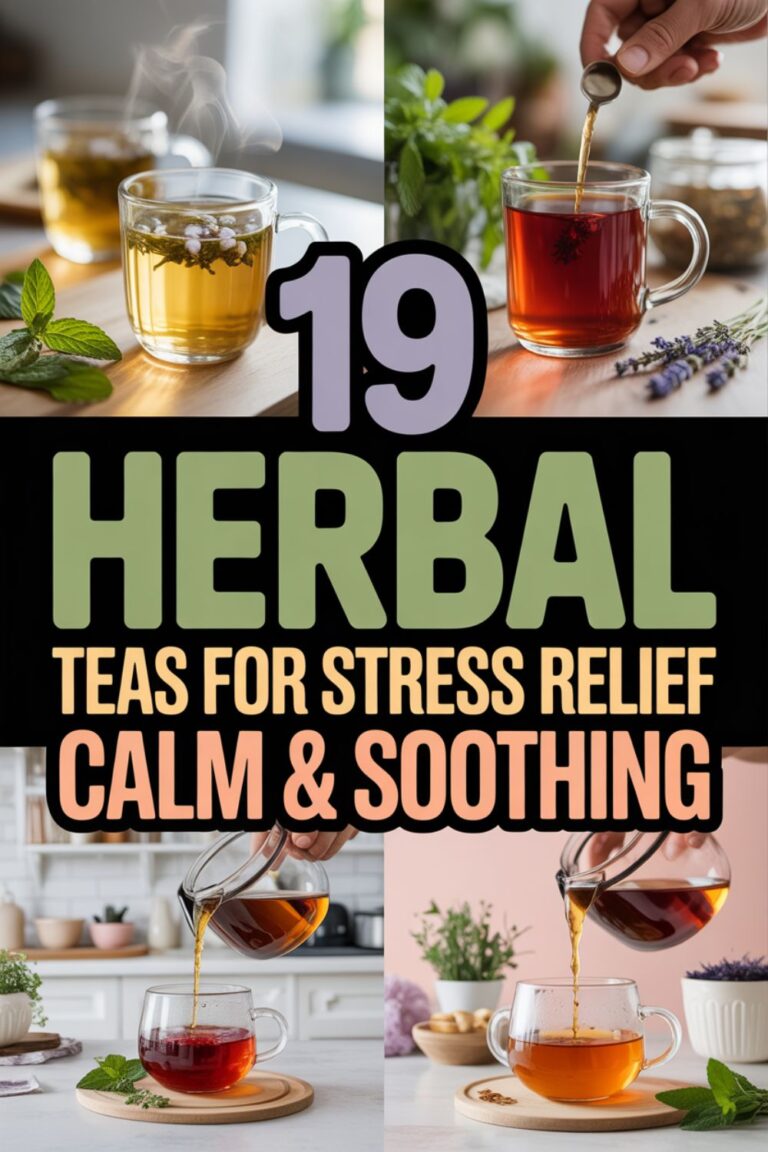
19 Herbal Teas for Stress Relief That You’ll Actually Want to Drink Every Day
19 Herbal Teas for Stress Relief That Actually Work | Plateful Life Plateful Life Wellness & Herbal Drinks 19 Herbal Teas for Stress Relief That You’ll Actually Want to Drink Every Day Because your nervous system deserves better than another doom-scroll session and a third cup of coffee. 19 Herbal Teas Research-Backed Benefits Caffeine-Free Picks…
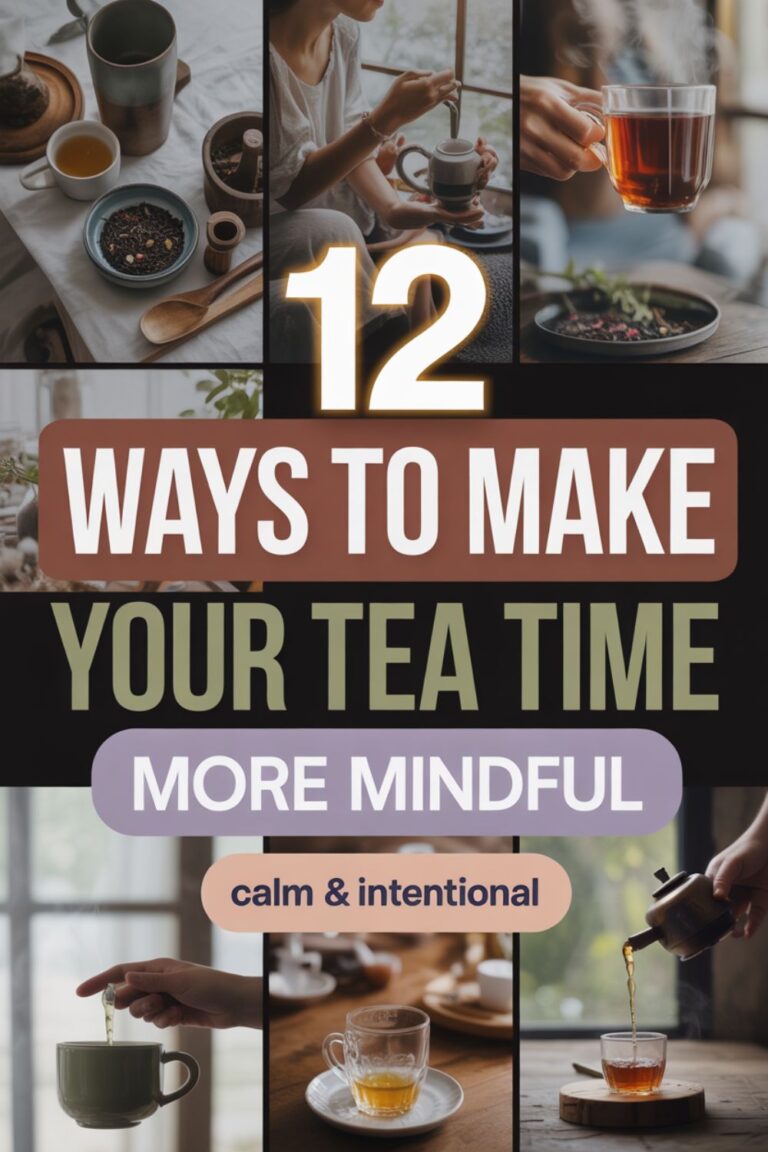
12 Ways to Make Your Tea Time More Mindful
12 Ways to Make Your Tea Time More Mindful | Plateful Life 12 Ways to Make Your Tea Time More Mindful Your daily tea break is about to become your favorite meditation practice Look, I get it. You’re probably reading this while juggling seventeen browser tabs, a half-cold cup of something vaguely tea-flavored, and a…
10 DIY Tea Gift Ideas for Every Budget
10 DIY Tea Gift Ideas for Every Budget 10 DIY Tea Gift Ideas for Every Budget Last week, I found myself staring at my pantry—jars of loose leaf tea stacked like Tetris blocks, each one with its own story. And it hit me: why am I hoarding this stuff when I could be making ridiculously…