
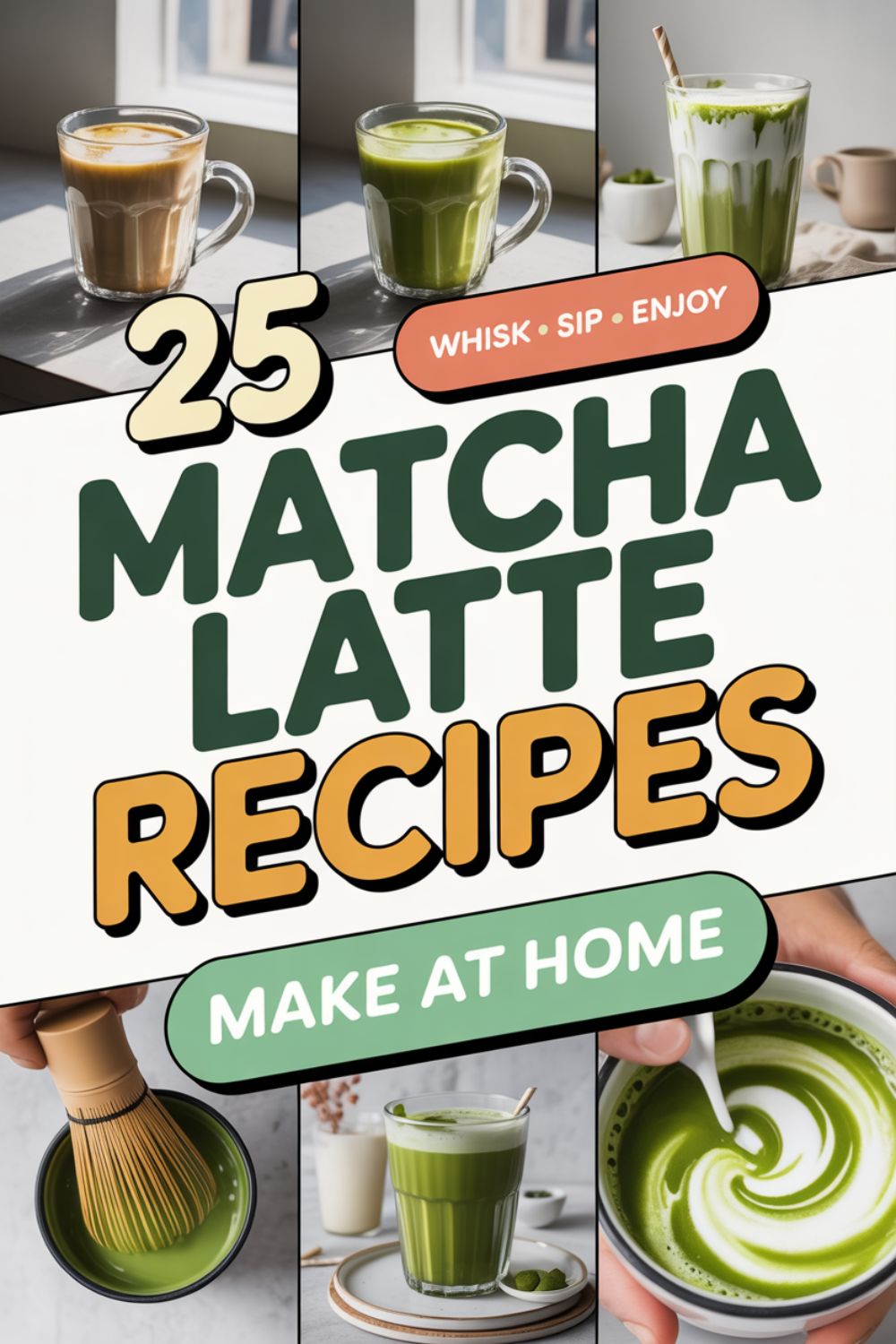
25 Matcha Latte Recipes You Can Make at Home
From creamy classics to iced, dirty, and dessert-style — your home kitchen is about to become a matcha bar.
Matcha lattes have officially crossed over from “niche wellness drink” to full-on daily ritual for a huge chunk of the population — and honestly, it was only a matter of time. The stuff is gorgeous, it tastes incredible when you make it right, and unlike your morning espresso, it gives you a smooth, focused energy that doesn’t suddenly drop you on your face at 2pm. If you’ve been shelling out five or six dollars every time a craving hits, this article is your financial intervention.
I started making matcha lattes at home out of sheer stubbornness — I refused to believe that a coffee shop could do something my own kitchen couldn’t. Turns out I was right, and I’ve spent the better part of two years obsessively testing recipes, ratios, milk types, sweeteners, and temperature combinations. What follows are 25 matcha latte recipes that actually work, organized so you can find exactly what you’re in the mood for.
Whether you want something hot and ceremonial-grade for a slow morning, a cold iced matcha that slaps harder than your alarm clock, or a dessert-adjacent lavender matcha latte that makes you feel unreasonably fancy, there’s a recipe here with your name on it.
Why Making Matcha at Home Is Completely Worth It
Let’s be real: most matcha lattes you get at chain coffee shops are made with a sweetened powder blend that’s about 40% sugar and the rest is anyone’s guess. That’s not matcha — that’s green-flavored disappointment. When you make it at home, you control the quality of the matcha, the type of milk, the sweetener, and the ratio. And once you nail your personal ratio? You will never go back.
According to research published on Healthline’s deep dive into matcha’s nutritional profile, matcha contains L-theanine — an amino acid that works synergistically with caffeine to produce calm, alert focus without the jitteriness that coffee often causes. That’s the real reason matcha people are so annoyingly zen about everything.
Beyond the functional benefits, matcha is rich in antioxidants called catechins, particularly EGCG, which has been studied for its role in supporting metabolism and reducing inflammation. So your latte habit is practically a health decision. You’re welcome.
The barrier to entry is genuinely low. You need a bamboo whisk (chasen), some decent ceremonial-grade matcha, and your milk of choice. That’s it. Everything else is preference and creativity.
Sift your matcha powder before whisking. Clumps are the enemy of a smooth latte. A small fine-mesh sieve takes literally four seconds and makes a noticeable difference in texture.
The Foundation: Understanding Matcha Grades
Before you start making lattes, it’s worth spending thirty seconds understanding what you’re buying. Not all matcha is equal, and the grade matters a lot for both flavor and texture.
Ceremonial-grade matcha is made from the youngest tea leaves, shade-grown to boost chlorophyll and L-theanine content. It’s vibrant green, slightly sweet, and smooth enough to drink with just hot water. This is what you want for most of the recipes here — especially the hot lattes and anything where the matcha flavor is front and center.
Culinary-grade matcha is coarser, slightly more bitter, and better suited for baking, blending into smoothies, or recipes where you’re adding a lot of strong flavors. It’s also significantly cheaper, which makes it the right call for matcha overnight oats, smoothies, or matcha cookie dough (yes, that’s coming up).
IMO, having both on hand is the move. Use ceremonial grade for drinking and culinary grade for everything else.
The 25 Matcha Latte Recipes
1. Classic Hot Matcha Latte
This is the one you make every morning and never get tired of. Whisk 1 teaspoon of ceremonial-grade matcha with 2 tablespoons of hot water (not boiling — around 175°F) until frothy, then add 8oz of steamed oat milk and a drizzle of honey. Simple, clean, perfect.
Get Full Recipe2. Iced Matcha Latte
Whisk your matcha with a splash of cold water first to form a smooth paste, then pour over a tall glass of ice and top with cold oat milk or whole milk. The key is to not skip the paste step — it prevents grainy clumps from sinking to the bottom.
Get Full Recipe3. Dirty Matcha Latte
A shot of espresso meets a matcha latte. This sounds aggressive, and it is. The earthy bitterness of matcha and the roasty depth of espresso actually complement each other in a way that’s hard to describe but impossible to stop drinking. Pull your shot, pour it over ice, add your matcha mixture, then top with milk.
Get Full Recipe4. Lavender Matcha Latte
Make a quick lavender simple syrup by simmering dried culinary lavender with equal parts sugar and water for 10 minutes. Add a teaspoon to your matcha latte. You’ll feel like you’re sitting in a Provence garden, which is frankly an improvement over wherever you actually are.
Get Full Recipe5. Matcha Brown Sugar Latte
Cook brown sugar with a splash of water and a pinch of cinnamon until it dissolves into a glossy syrup. Layer it at the bottom of your glass, pour in cold milk, then slowly top with your matcha mixture. Stir gently and try not to feel too smug about it.
Get Full Recipe6. Coconut Milk Matcha Latte
Full-fat coconut milk makes a matcha latte taste almost dessert-like. The natural sweetness of coconut plays off the grassy notes of matcha in a way that requires zero added sugar. This one works beautifully both hot and iced.
Get Full Recipe7. Vanilla Matcha Latte
A half-teaspoon of pure vanilla extract or a few drops of vanilla paste added to your steamed milk elevates a basic matcha latte into something that smells like a bakery. Use real vanilla — the imitation stuff has no business being near ceremonial-grade matcha.
Get Full Recipe8. Oat Milk Matcha Latte
Oat milk is genuinely the best non-dairy pairing for matcha. Its mild sweetness and creamy body match the weight of the matcha without competing with it. Use a barista-blend oat milk if you want proper foam — regular oat milk can be watery when steamed.
Get Full Recipe9. Almond Milk Matcha Latte
Unsweetened almond milk keeps calories low while still delivering a nutty undertone that works surprisingly well with matcha. This is the one to reach for if you want something lighter — according to Healthline’s comparison of plant-based milks, unsweetened almond milk contains around 30-40 calories per cup, making it one of the lowest-calorie milk alternatives available.
Get Full Recipe10. Matcha Latte with Honey and Ginger
Grate a small knob of fresh ginger into your hot water before whisking in the matcha. Add a teaspoon of raw honey and finish with steamed milk. The ginger brings a gentle warmth that makes this one feel medicinal in the best possible way — like a hug you can drink.
Get Full RecipeUse a milk frother instead of a traditional whisk if you’re in a hurry. A handheld frother takes ten seconds to blend your matcha into water and produces a reasonably smooth paste. Not as ceremonial, but very Monday-morning-practical.
11. Matcha Latte with Collagen
Adding a scoop of unflavored collagen peptides to your matcha latte is one of those upgrades that costs almost nothing in terms of taste but adds a meaningful boost of protein. Dissolve the collagen in warm water before adding your matcha and it blends in completely seamlessly.
Get Full Recipe12. Mushroom Matcha Latte
Functional mushroom powders — lion’s mane and reishi in particular — have become popular additions to morning drinks. A half-teaspoon of lion’s mane powder stirred into a hot matcha latte adds an earthy depth and supposedly supports cognitive function. Whether or not you believe the adaptogen hype, it genuinely tastes good.
Get Full Recipe13. Matcha Turmeric Latte
Half a teaspoon of turmeric, a pinch of black pepper (which activates turmeric’s active compound, curcumin), a dash of cinnamon, and your usual matcha base makes a golden-green latte that is very much having a moment. The anti-inflammatory credentials are legitimate, and the color is spectacular.
Get Full Recipe14. Matcha Cinnamon Latte
Ground cinnamon whisked directly into your matcha paste adds warmth and sweetness without any sugar. Ceylon cinnamon works best here — it’s lighter and less pungent than the cassia variety you usually find in grocery stores. A glass cinnamon stick stirrer looks genuinely beautiful in an iced version.
Get Full Recipe15. Strawberry Matcha Latte
This one sounds like a TikTok recipe and it is, but don’t let that stop you. Fresh strawberries muddled with a little sugar and lemon juice make a quick compote that you spoon into the bottom of your glass before adding ice, milk, and matcha. The pink-and-green swirl is almost too pretty to drink. Almost.
Get Full Recipe16. Matcha Rose Latte
Rose water is powerful — start with just a quarter teaspoon stirred into your steamed milk. Combined with matcha and a light honey sweetener, it tastes like a luxury spa invented a beverage. A pinch of dried rose petals on top doesn’t hurt either.
Get Full Recipe17. Matcha Latte Smoothie
Blend a banana, a teaspoon of matcha, a handful of spinach, one cup of almond milk, and a tablespoon of almond butter. The result is thick, green, and genuinely filling. This crosses the line between latte and smoothie but the matcha flavor comes through clearly. Consider this your breakfast and your caffeine fix in one.
Get Full Recipe18. Matcha Latte with Maple Syrup
Maple syrup is criminally underused as a matcha sweetener. It brings a warm, complex sweetness that honey sometimes can’t match — especially in iced versions where honey can solidify and sink. Use dark maple syrup for the most pronounced flavor.
Get Full Recipe19. Matcha Black Sesame Latte
Black sesame paste stirred into warm milk and combined with matcha creates a nutty, deeply flavored latte that feels more like dessert than a morning drink. You can find black sesame paste at most Asian grocery stores, or make your own by blending roasted sesame seeds with a neutral oil and a pinch of salt.
Get Full RecipeBatch-prep your matcha paste for the week. Whisk matcha with just enough water to form a smooth, thick paste and store it in a sealed jar in the fridge. It keeps for five days and makes your morning routine take literally 60 seconds.
20. Matcha White Hot Chocolate
Melt a couple of ounces of good white chocolate into hot milk, whisk in your matcha, and you have something that belongs on a dessert menu. This is fully indulgent and makes zero apologies for it. The white chocolate takes the edge off the matcha’s grassiness and creates a silky, sweet latte that’s somewhere between a drink and a treat.
Get Full Recipe21. Matcha Chai Latte
Brew a strong chai concentrate using cardamom, cinnamon, cloves, and black pepper, then use it as the base of your matcha latte instead of plain water. The spiced warmth plays brilliantly against the grassy matcha notes. FYI, this one is especially good in autumn when you can’t decide between your matcha habit and your pumpkin spice habit.
Get Full Recipe22. Matcha Cold Foam Latte
Make a cold foam by frothing heavy cream or oat cream with a handheld frother until thick and airy. Layer it over an iced matcha latte. When the foam slowly melts into the matcha below, you get a drink that tastes different in every sip. A handheld electric frother is the only tool you need here.
Get Full Recipe23. Matcha Latte with Cardamom
Ground cardamom added to your matcha paste gives the latte a slightly floral, warmly spiced quality that feels almost Middle Eastern in the best way. Half a teaspoon is plenty — cardamom punches hard and you don’t want it to overpower your matcha.
Get Full Recipe24. Matcha Protein Latte
A scoop of vanilla or unflavored protein powder blended with cold milk and matcha makes a post-workout drink that actually tastes good, which is more than can be said for most gym beverages. Use a blender rather than a frother here to make sure the protein powder incorporates fully without lumps.
Get Full Recipe25. Matcha Condensed Milk Latte
This is the indulgent one. A tablespoon of sweetened condensed milk at the bottom of your glass, topped with cold milk and your matcha, gives you a Vietnamese-inspired matcha latte that is rich, creamy, and sweet in the most unapologetic way. It’s a weekend drink. Treat it accordingly.
Get Full RecipeKitchen Tools for These Recipes
A few things that actually make a difference — no fluff, no pressure, just what genuinely helps.
Physical Tools
The real deal. A traditional bamboo whisk creates the frothy, smooth texture that a regular spoon simply cannot replicate. Get yours here — it’s inexpensive and lasts surprisingly long if you rinse it promptly.
For mornings when ceremonial whisking is not happening. A handheld frother emulsifies your matcha paste in seconds and doubles as a foam maker for cold foam lattes.
A bamboo scoop that holds exactly the right amount of matcha per serving. More useful than it sounds when you’re half-asleep. Find a good one here.
Digital Resources
A thorough guide to matcha ratios, temperatures, and technique. Worth bookmarking if you’re serious about leveling up. Access the guide.
A simple printable template for planning your weekly drink rotation. Pairs well with any of the recipes in this list. Download the template.
A visual guide to which non-dairy milks work best in hot vs. iced drinks, with matcha-specific notes. Get the chart.
Getting the Most Out of Every Matcha Latte
Water Temperature Is Non-Negotiable
Boiling water scorches matcha and turns it bitter. The ideal temperature is between 165–175°F. If you don’t have a temperature-controlled kettle — and a gooseneck kettle with temperature control is genuinely worth owning — bring water to a boil and let it sit for two minutes. It drops to the right range almost exactly.
This single adjustment will improve the taste of your lattes more than any premium matcha upgrade. Bitterness in matcha is almost always a water temperature problem, not a matcha quality problem.
The Milk-to-Matcha Ratio
Standard ratios run 1 teaspoon of matcha to 6–8oz of milk. Go heavier on the matcha if you want a more pronounced green tea flavor; go lighter if you’re newer to matcha and still adjusting to the taste. There’s no wrong answer — it’s entirely personal.
For iced lattes, use slightly less milk than you think you need before adding ice. The ice will melt and dilute the drink, so starting a little concentrated means your latte still tastes like something by the time you’ve drained half of it.
Frequently Asked Questions
What is the best matcha for making lattes at home?
Ceremonial-grade matcha from Japan — particularly from Uji, Kyoto or Nishio, Aichi — delivers the smoothest, most vibrant results for drinking. Look for a bright green color and a naturally sweet, grassy aroma. Avoid anything that looks olive-drab or smells musty, which indicates age or poor storage.
Can I make a matcha latte without a whisk?
Absolutely. A handheld electric frother works well for blending matcha with water into a smooth paste, and a blender will work too. The traditional chasen creates a slightly better texture and froth, but it’s not a dealbreaker — especially for iced lattes where the texture is less critical.
Is matcha latte healthy?
On its own, matcha is genuinely nutritious — it’s high in antioxidants, contains L-theanine for calm focus, and provides modest caffeine without the crash associated with coffee. The healthiness of a matcha latte mostly depends on what you add to it. Plain matcha with unsweetened oat or almond milk is a very clean drink. Adding syrups, condensed milk, or sweetened creamer changes the nutritional picture significantly.
How much caffeine is in a matcha latte?
One teaspoon of matcha contains roughly 35–70mg of caffeine depending on the grade and brand — compared to 60–90mg in a typical shot of espresso. The caffeine in matcha is released more slowly due to the presence of L-theanine, which means a more sustained, even energy rather than a sharp spike-and-crash.
What milk works best in a matcha latte?
Oat milk is the most popular non-dairy choice for good reason — its creamy texture and mild sweetness complement matcha without overpowering it. For dairy drinkers, whole milk creates the richest, creamiest latte. Coconut milk adds a tropical sweetness that works beautifully in iced versions. Almond milk keeps things light and lower in calories if that’s your priority.
Now Go Make Something Green
Twenty-five recipes is a lot to work through, but you don’t need to tackle them all at once. Start with the classic hot matcha latte and the basic iced version — those two alone will cover 80% of your matcha cravings. Once those feel effortless, start experimenting with the flavored variations, the functional add-ins, and the more indulgent dessert-style options.
The real takeaway here is that great matcha lattes are not complicated. They just require a little attention to quality — good matcha, the right water temperature, and a milk that actually suits your taste. Once you have those three variables dialed in, you’re not making a matcha latte, you’re making your matcha latte, and that’s the version you’ll actually drink every single day.
Now go whisk something beautiful.