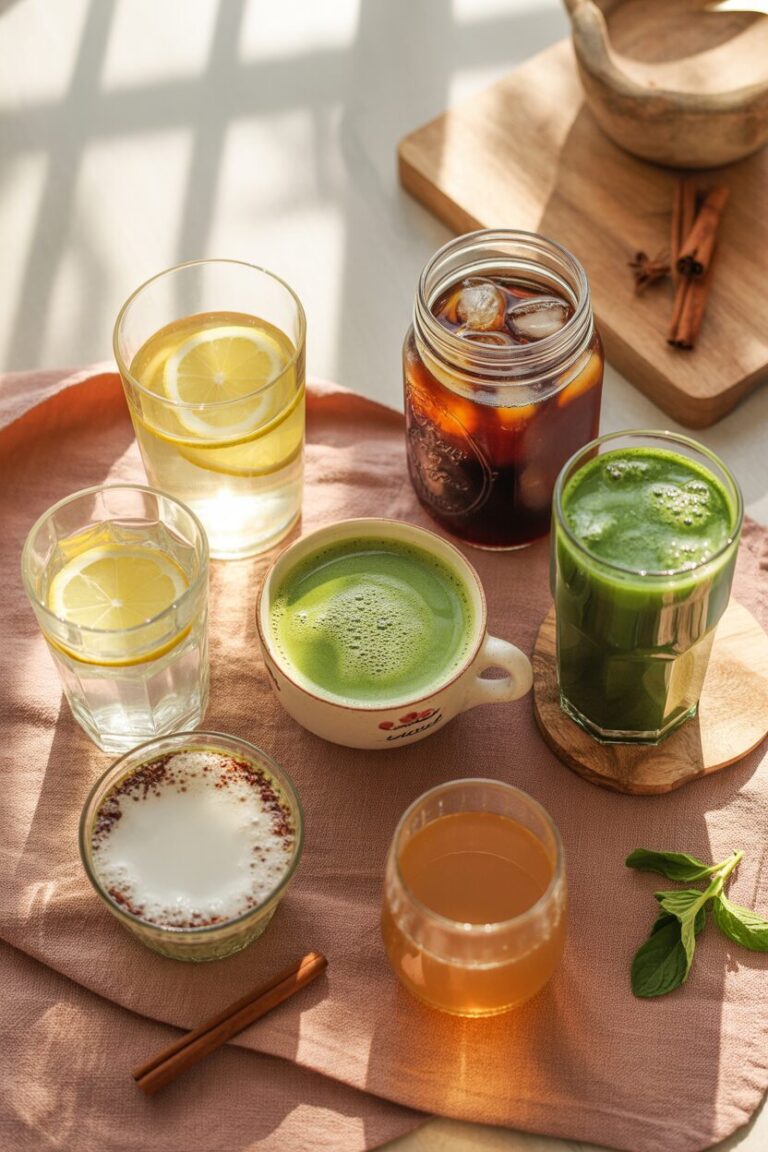
20 Tea Recipes for Weight Loss and Detox
Look, I’m not here to sell you some miracle weight-loss cure wrapped in pretty tea bags. But if you’re tired of bland water and want something that actually tastes good while supporting your health goals, you’re in the right place. These tea recipes have helped me drop a few stubborn pounds and feel less bloated without resorting to sketchy supplements or crash diets.
The beauty of tea for weight loss isn’t about magic—it’s about catechins, polyphenols, and natural compounds that genuinely support metabolism. According to research published in Molecular Nutrition & Food Research, drinking 3-4 cups of tea daily (that’s about 600-900 mg of tea catechins) can support body weight reduction and metabolic health. Green tea tends to be more effective than black tea, but honestly, the best tea is the one you’ll actually drink.
Whether you’re looking to kickstart your morning metabolism, curb afternoon cravings, or simply enjoy a warm cup that doesn’t derail your progress, I’ve got 20 recipes that deliver. Some are classic, some are surprisingly creative, and all of them beat the heck out of another sugary latte.
Why Tea Actually Works for Weight Loss
Before we dive into recipes, let’s talk science without putting you to sleep. Tea—especially green, oolong, and black varieties—contains compounds that can genuinely support weight management. I’m talking about EGCG (epigallocatechin gallate), a catechin that helps your body burn fat more efficiently.
Studies show that tea consumption is inversely associated with obesity markers. Translation? People who drink tea regularly tend to have lower BMI and smaller waist circumferences. Now, before you start chugging gallons of the stuff, know that tea works best when paired with—you guessed it—actual lifestyle changes.
The caffeine in tea gives you a gentle energy boost without the jitters, and those polyphenols? They’re basically your metabolism’s cheerleaders. Plus, swapping your daily Frappuccino for tea saves you hundreds of calories without feeling deprived.
The Detox Factor: Real Talk
Here’s the thing about “detox”—your liver and kidneys are already doing that job 24/7. But certain teas can support these natural processes by providing antioxidants that reduce oxidative stress and help flush out waste more efficiently.
According to WebMD’s review on tea and weight loss, the polyphenols in black tea can help block fat absorption in the intestines. Meanwhile, ingredients like dandelion, ginger, and lemon enhance liver function and promote better digestion.
I’ve noticed that when I drink detox teas regularly, I feel less puffy and my digestion runs smoother. Is it placebo? Maybe partially. But when research backs up what I’m experiencing, I’ll take it.
20 Tea Recipes That Actually Taste Good
1. Classic Green Tea with Lemon and Honey
Sometimes simple wins. Brew a cup of quality green tea, squeeze half a lemon, and add a drizzle of raw honey. The vitamin C from lemon enhances catechin absorption, and honey keeps it from tasting like grass clippings. Get Full Recipe.
I use this glass teapot with an infuser because watching the leaves unfurl is oddly satisfying, and it doesn’t retain flavors like plastic does.
2. Ginger Turmeric Metabolism Booster
Steep fresh ginger slices and a teaspoon of turmeric powder in hot water for 10 minutes. Add a pinch of black pepper (it increases turmeric absorption by 2000%) and honey to taste. This combo is like sending your metabolism to boot camp.
For slicing ginger without losing a fingertip, I rely on this ceramic mandoline—quick, safe, and no metallic taste on your ginger.
3. Oolong Tea with Cinnamon
Oolong sits between green and black tea in oxidation, giving you a rich flavor with serious fat-burning potential. Research shows people who drank oolong daily for six weeks lost over 2 pounds and trimmed belly fat. Add a cinnamon stick while steeping for blood sugar balance.
Speaking of oolong, you might also love these homemade coffee recipes if you’re looking for more morning beverage inspiration.
4. Peppermint Green Tea Blend
Combine green tea with fresh peppermint leaves. Peppermint aids digestion and reduces bloating while green tea handles the metabolism boost. It’s refreshing iced or hot, making it perfect year-round.
5. Dandelion Root Detox Tea
Dandelion root is a powerful liver cleanser and natural diuretic. Roasted dandelion root tea has an earthy, almost coffee-like flavor. Steep for 15 minutes, add lemon, and you’ve got a detox drink that doesn’t taste like punishment.
My electric kettle with temperature control changed my tea game completely—herbal teas need different temps than green tea, and this nails it every time.
6. White Tea with Jasmine
White tea is the least processed tea, packed with antioxidants that speed up fat breakdown and block new fat cell formation. Jasmine adds a delicate floral note without calories. It’s subtle, sophisticated, and perfect for when you want something that feels special.
For variety in your morning routine, check out these iced coffee drinks that beat Starbucks—some mornings call for tea, others need caffeine’s bigger cousin.
7. Hibiscus Rose Hip Metabolism Tea
Hibiscus is tart and tangy, loaded with antioxidants that support healthy blood pressure. Rose hips add vitamin C and a subtle sweetness. Brew both together, chill, and you’ve got a stunning ruby-red iced tea that’s as pretty as it is functional.
8. Matcha Latte (The Right Way)
Real matcha—not the sugar-bomb versions at coffee shops—is concentrated green tea powder with up to 137 times more antioxidants than regular brewed green tea. Whisk one teaspoon matcha with a splash of hot water until frothy, then add warmed almond milk and a touch of honey.
You need a proper bamboo whisk for this; a spoon creates clumps and sadness.
The Matcha Kit That Changed My Mornings
Real talk: you can’t make proper matcha without the right tools. I wasted money on grocery store matcha powder and tried whisking it with a fork like some kind of barbarian. The result? Gritty, clumpy disappointment.
Then I got the Jade Leaf Matcha Starter Kit, and suddenly matcha made sense.
What’s included and why it matters:
- Authentic bamboo whisk (chasen) with 100 prongs—this is what creates that signature froth
- Ceramic matcha bowl that’s the perfect size and shape for whisking
- Bamboo scoop (chashaku) for measuring the exact right amount every time
- Whisk holder to dry it properly (prevents mold and keeps the shape intact)
- Bonus: Comes with organic ceremonial grade matcha to get you started
The bamboo whisk alone is worth it—trying to replicate that whisking motion with anything else is like trying to use a butter knife as a screwdriver. Sure, you can make it work, but why suffer?
I use this kit 4-5 times a week, and it’s still in perfect condition after eight months. The matcha quality is legit too—smooth, vibrant green, no bitterness.
Get the Starter Kit9. Rooibos Vanilla Chai
Rooibos is naturally caffeine-free and rich in antioxidants and electrolytes. Simmer rooibos with cinnamon, cardamom, cloves, and a vanilla bean. Add unsweetened almond milk for a creamy chai that won’t spike your blood sugar.
If you’re into making your own flavored drinks at home, these vegan coffee creamer recipes pair beautifully with afternoon tea sessions too.
10. Lemon Ginger Cayenne Fire Tea
Not for the faint of heart. Steep fresh ginger and lemon, then add a pinch of cayenne pepper. The capsaicin in cayenne temporarily boosts metabolism and suppresses appetite. It’s intense, but it works.
11. Green Tea with Mint and Cucumber
Brew green tea and let it cool slightly. Add fresh mint leaves and cucumber slices, then refrigerate. This is basically spa water elevated to actually helpful status. Cucumber is hydrating and anti-inflammatory, while mint soothes digestion.
Looking for more refreshing drink ideas? These cold brew variations offer similar cooling vibes for those warmer days.
12. Pu-erh Tea (The Fermented Fat Burner)
Pu-erh is a fermented Chinese tea that’s been shown to reduce LDL cholesterol and support weight loss. It has an earthy, slightly funky flavor that grows on you. Brew it strong, drink it plain or with a touch of honey. Get Full Recipe.
I store my pu-erh cakes in these airtight tea tins because humidity ruins them faster than you can say “expensive mistake.”
13. Apple Cinnamon Detox Tea
Simmer apple slices with cinnamon sticks, cloves, and a bag of rooibos tea. The natural sweetness from apples means you don’t need added sugar, and cinnamon helps regulate blood glucose levels. It smells like fall and tastes like you’re getting away with something.
14. Nettle Leaf Diuretic Tea
Nettle is a gentle natural diuretic that helps flush out excess water weight without the harsh effects of commercial diuretics. Steep dried nettle leaves for 10 minutes, add lemon. It’s grassy but not unpleasant, and you’ll notice less bloating within days.
For more metabolism-boosting options, check out these healthy coffee recipes that complement your tea routine nicely.
15. Black Tea with Star Anise
Black tea’s polyphenols can block intestinal fat absorption—science says so. Add a couple of star anise pods while brewing for a licorice-like sweetness without sugar. It’s warm, comforting, and tastes more indulgent than it is.
16. Yerba Mate Energy Blend
Yerba mate contains caffeine, theobromine, and theophylline—a triple threat for energy and metabolism. It’s got more kick than tea but less jitters than coffee. Brew it traditionally or mix with peppermint for a refreshing twist.
My French press works perfectly for yerba mate—better extraction than tea bags and easier cleanup than a traditional gourd.
17. Chamomile Lavender Sleep & Slim Tea
Weight loss isn’t just about what you drink during the day; quality sleep affects cortisol levels and hunger hormones. Chamomile and lavender promote restful sleep, which supports healthy metabolism. Steep both, add a tiny bit of honey, drink an hour before bed.
18. Green Tea with Blueberries and Basil
Muddle fresh blueberries and basil leaves, add hot green tea, let steep. The antioxidants in blueberries amplify green tea’s benefits, and basil adds an unexpected savory-sweet note. Strain and enjoy hot or iced.
Craving something more substantial? These coffee smoothies make great breakfast alternatives when you want tea’s benefits with more staying power.
19. Burdock Root Liver Support Tea
Burdock root is revered in traditional medicine for blood purification and liver support. It tastes earthy and slightly sweet. Simmer burdock root chips for 20 minutes, strain, add lemon and ginger. Your liver will thank you.
20. The Everything Detox Tea
When you can’t decide, throw it all in: green tea, fresh ginger, lemon, turmeric, cinnamon, a pinch of cayenne, and mint. It’s chaotic but effective. Adjust proportions to your taste, but this combination hits every detox and metabolism-boosting note possible. Get Full Recipe.
How to Actually Make Tea Work for Weight Loss
Here’s what nobody tells you: drinking tea alone won’t make you skinny. Shocking, I know. But when you use tea strategically, it becomes a powerful tool in your arsenal.
Drink tea before meals to slightly suppress appetite. Research suggests the catechins in green tea can reduce ghrelin, your hunger hormone. I drink a cup 15-20 minutes before lunch and dinner, and I naturally eat less without feeling restricted.
Replace high-calorie beverages with tea. That daily latte? About 300-400 calories. Swap it for any of these teas, and you’ve just created a 2,100-2,800 calorie weekly deficit without touching your food intake. That’s almost a pound lost per week from one simple switch.
Use tea as a craving crusher. When I want something sweet at 3 PM, I brew a cinnamon tea or vanilla rooibos instead of hitting the vending machine. The ritual satisfies the urge, and the warmth feels filling.
For more low-calorie beverage options, these coffee drinks under 100 calories complement a tea-focused weight loss strategy perfectly.
Tea Brewing Mistakes That Sabotage Results
You can have the best ingredients and still end up with bitter, undrinkable tea if you mess up the basics. Green tea especially is finicky—too hot and it turns bitter, too cool and it’s weak.
Water temperature matters. Green and white teas need 160-180°F, oolong around 185-195°F, and black tea can handle boiling. Invest in that temperature-controlled kettle I mentioned earlier or just let boiling water sit for a minute before pouring over delicate teas.
Don’t oversteep. More time doesn’t equal more benefits; it just makes it taste like you’re drinking tree bark. Green tea: 2-3 minutes. Black tea: 3-5 minutes. Herbal: 5-10 minutes. Set a timer until it becomes habit.
And for the love of all things holy, don’t add milk to green tea if you want the fat-burning benefits. Research shows milk proteins bind to catechins, reducing their bioavailability. Enjoy your English breakfast with milk all you want, but keep green tea pure.
Skip artificial sweeteners. They might be zero-calorie, but they mess with your gut bacteria and insulin response. If you need sweetness, use a tiny amount of raw honey or stevia, or better yet, train your palate to appreciate tea without it.
When to Drink Each Type of Tea
Timing isn’t everything, but it helps maximize benefits and prevents sleeping issues from caffeinated varieties.
Morning: Green tea, matcha, yerba mate, or black tea. You want that metabolism boost and energy kick to start your day. I drink matcha at 7 AM and feel like I can conquer the world by 8.
Afternoon: Oolong, white tea, or ginger blends. Moderate caffeine keeps you alert without interfering with sleep. This is when I typically drink my oolong with cinnamon while working.
Evening: Rooibos, chamomile, peppermint, or any herbal blend. Caffeine-free options that won’t keep you wired at midnight. The chamomile lavender tea helps me wind down after staring at screens all day.
For those mornings when you need extra oomph, these quick coffee drinks take less time than waiting in the Starbucks line.
The Real Cost of Tea vs. Weight Loss Products
Let’s talk money for a second. Those sketchy “teatox” programs charge $50-80 for a month’s supply of what’s essentially senna leaf (a laxative) and green tea. You’re paying for packaging and Instagram ads, not results.
Meanwhile, quality loose-leaf green tea costs about $15-20 for a container that makes 50+ cups. Bulk dried herbs like ginger root, dandelion, and peppermint run maybe $10 each and last months. You can make every recipe on this list for less than $100 total, and you’ll have ingredients for half a year.
The math is stupidly simple: commercial “detox tea” = $1.50-2.50 per serving. Homemade with quality ingredients = $0.20-0.50 per serving. I’m not a mathematician, but those savings add up faster than the pounds you’ll lose.
Plus, when you make your own blends, you control exactly what goes in. No mystery “proprietary blends” that are 90% filler and 10% actual beneficial herbs.
Common Questions and Real Answers
How much tea should I drink daily for weight loss?
Research suggests 3-4 cups (600-900 mg of catechins) daily provides optimal benefits. That said, I drink anywhere from 2-5 cups depending on the day, and it works fine. Don’t stress about hitting exact numbers—consistency matters more than perfection. Just remember that caffeinated teas count toward this total, so balance them with herbal options to avoid caffeine overload.
Can I drink tea on an empty stomach?
It depends on your stomach and the tea type. Green tea on an empty stomach makes some people nauseous due to tannins. I always eat something small first—even just a handful of nuts. Herbal teas like ginger or peppermint are generally fine on an empty stomach and can actually help with morning nausea. Listen to your body; if it makes you feel gross, have a snack first.
Will tea interfere with my medications?
Potentially, yes. Green tea can interact with blood thinners, some blood pressure medications, and certain supplements. If you’re on prescription meds, check with your doctor before going heavy on the tea. This isn’t me being overly cautious—tea is powerful stuff, which is exactly why it works for weight loss.
How long before I see weight loss results from tea?
IMO, if you’re replacing high-calorie drinks with tea, you’ll see scale movement within 2-3 weeks. For the metabolism-boosting effects to kick in fully, give it 6-8 weeks of consistent consumption. This isn’t a quick fix, but it’s sustainable. I lost 8 pounds in my first month just from the beverage swap alone, then another 12 over the next two months as the metabolic benefits accumulated.
Can I drink tea if I’m pregnant or breastfeeding?
Some teas are fine, others aren’t. Herbal teas like peppermint, ginger (in moderation), and rooibos are generally considered safe. But green tea, oolong, and anything with high caffeine should be limited or avoided. Definitely skip the detox teas with laxative properties. This is one of those “ask your doctor” situations because every pregnancy is different.
Final Thoughts: Tea as a Tool, Not a Miracle
I’ve spent the last 2,500 words telling you about tea recipes, but here’s the uncomfortable truth: tea won’t fix a terrible diet and zero exercise. It’s a tool, a really good one, but still just a tool.
What tea does brilliantly is make the healthy choice easier. It gives you something flavorful and satisfying that doesn’t sabotage your goals. It provides actual metabolic benefits backed by research. And it creates a ritual that feels indulgent without the guilt.
I’ve watched people lose significant weight by incorporating these teas into their routine—not because the tea did all the work, but because it made everything else easier. Less cravings. More energy for workouts. Better sleep for recovery. Fewer empty calories from sugary drinks.
Start with one or two recipes that sound appealing. Make them consistently for a month. Pay attention to how you feel, not just what the scale says. Notice if your clothes fit better, if you have more energy, if that afternoon slump disappears.
The best tea for weight loss is the one you’ll actually drink every day. So experiment, find your favorites, and let these recipes support the bigger changes you’re making. Your body—and your taste buds—will thank you.
Now go put that kettle on. Your metabolism is waiting.