20 Barista-Style Coffee Drinks You Can Make at Home
Your local coffee shop is great, but your kitchen can be better—and significantly cheaper. Here’s everything you need to replicate the menu.
Overhead flat-lay shot on a weathered oak surface: a cream-colored ceramic mug filled with a perfectly layered caramel latte sits center frame, surrounded by a small silver espresso pitcher with steamed milk, a few whole coffee beans scattered naturally, a bamboo milk frother resting diagonally, a vintage cloth napkin in dusty sage, and a small glass jar of homemade vanilla syrup with a cork stopper. Warm, diffused morning light from the left. Moody, editorial tone. Dark roast brown and cream palette. Suitable for Pinterest recipe pins and food blog hero images.
Here’s the honest truth: the average American spends somewhere north of $1,000 a year at coffee shops. That’s roughly the cost of a nice weekend trip, a very decent espresso machine, or—if we’re being real—about 260 homemade lattes. You don’t need a commercial La Marzocco or a barista certificate to make something extraordinary in your own kitchen. You just need a little technique, the right ingredients, and this list.
I started replicating cafe drinks at home out of pure stubbornness. My neighborhood opened a specialty shop that charged $7.50 for a lavender oat latte. It tasted incredible. I also refused to pay $7.50 for a lavender oat latte. So I figured it out myself. What followed was several months of obsessive tinkering, and eventually a home coffee setup that honestly beats most drive-throughs on a Tuesday morning.
These 20 drinks cover everything from the classics—your espresso, your latte, your cappuccino—to the kind of seasonal specials that only show up for six weeks a year before disappearing until next October. All of them are makeable at home, and most of them require surprisingly little equipment. Let’s get into it.
Why Bother Making Barista-Style Coffee at Home?
Beyond the obvious money argument, there’s a real quality case to be made here. When you make coffee at home, you control every variable: the bean, the roast, the grind, the water temperature, the milk-to-espresso ratio, and the sweetener. That level of control is something no coffee shop can offer you, because they’re making 200 drinks an hour and optimizing for consistency at scale.
There’s also the customization angle. Want a cortado with oat milk, half a pump of hazelnut, and exactly 18 grams of espresso? Go for it. Want your cold brew steeped for 20 hours instead of 14? Nobody’s stopping you. The whole point of a home coffee practice is that it bends entirely to your taste.
And honestly? There’s something satisfying about the ritual. Making a good cup of coffee in the morning—deliberately, without rushing—sets a pretty solid tone for the rest of the day. According to research reviewed by Healthline, coffee is one of the richest dietary sources of polyphenols and antioxidants, meaning your home brew habit is doing more for you than just keeping your eyes open.

The Equipment Reality Check (Before We Start)
Here’s where people get intimidated, and honestly, it’s not warranted. You don’t need a $900 espresso machine to make great coffee at home. A Moka pot, which runs about $35, produces a concentrated brew that works beautifully in lattes and cappuccinos. A handheld electric milk frother for $12 gives you coffeehouse foam. A French press or AeroPress handles the full espresso-style spectrum for under $50.
That said, if you want to get serious, a semi-automatic espresso machine like the Breville Bambino will change your mornings in a way that’s almost alarming. The milk steaming wand alone makes the investment worth it if you drink lattes daily. Pair it with a burr grinder and you’re operating at a level that would genuinely impress a specialty cafe barista.
For the purposes of this guide, every drink on this list includes a note on the simplest possible way to make it. No gatekeeping based on equipment. IMO, the best home coffee is the one you actually make consistently, not the one that requires a $1,200 machine you feel guilty about every morning.
Grind your coffee beans right before brewing. Pre-ground coffee loses aromatic compounds within 30 minutes of grinding—a burr grinder transforms any setup from decent to genuinely excellent.
The 20 Barista-Style Drinks, Ranked by Effort
These are organized loosely from simplest to most involved—though nothing here is genuinely difficult. Each drink includes a brief method overview and a few tips to get it right on the first try.
1. Classic Espresso
The foundation of everything. A double shot of espresso—roughly 60ml pulled in 25 to 30 seconds—is what you’re working toward. At home, a Moka pot or AeroPress gets you very close to true espresso. Use finely ground dark or medium-dark roast beans, tamp firmly if using an espresso machine, and aim for a deep brown crema on top. If your shot tastes bitter, coarsen the grind slightly. Sour? Go finer.
- 18–20g finely ground coffee
- 30ml filtered water (90–94°C)
2. Americano
An Americano is espresso diluted with hot water—not drip coffee, not filtered coffee, but espresso-forward black coffee with a different body and flavor profile entirely. Pull a double shot, then add 120ml of hot water on top (not the other way around—this preserves the crema). The result is something darker and bolder than drip but cleaner than a straight shot.
- Double espresso shot (60ml)
- 120ml hot water
3. Flat White
The flat white sits between a latte and a cappuccino—less milk than a latte, more microfoam than a cortado, and a higher espresso-to-milk ratio than both. Use whole milk for the creamiest result, steam it to about 60°C, and pour gently over a double shot in a small 160–180ml cup. The texture should be velvety, not frothy. If oat milk is your thing, Oatly Barista edition steams extremely well.
- Double espresso (60ml)
- 120ml whole milk or oat milk (steamed)
4. Classic Latte
The latte is the entry point for most home baristas, and for good reason—it’s forgiving, delicious, and endlessly customizable. Double shot of espresso, 200–240ml of steamed milk, and a thin cap of microfoam on top. The key is milk temperature: too hot (above 70°C) and you scorch it, losing the natural sweetness. Too cool and the texture falls flat. Sweet spot is around 60–65°C. These 20 latte recipes show you the full range of what’s possible without a machine.
- Double espresso (60ml)
- 220ml milk of choice (steamed)
5. Cappuccino
A cappuccino is one-third espresso, one-third steamed milk, one-third foam—a precise ratio that makes all the difference. Where the latte is silky and mild, the cappuccino is bold and textural. Use a small 180ml cup (a cappuccino should never be enormous—that defeats the point) and pile the dry foam high. Want to get extra about it? Sift a light dusting of cocoa powder on top.
- Single or double espresso (30–60ml)
- 60ml steamed milk
- 60ml dry foam
6. Cortado
Spanish in origin, the cortado is equal parts espresso and warm milk—no foam, no froth, just a small, balanced, intensely flavorful drink. It’s the choice of people who want their espresso cut just enough to soften the bitterness without losing the character. Serve it in a small glass (not a cup) for the authentic experience.
- Double espresso (60ml)
- 60ml warm whole milk (not frothed)
7. Iced Latte
The iced latte deserves more respect than it gets. Done right—with strong espresso poured over ice and cold milk—it’s a completely different drink from its hot cousin, not just a chilled version. The key is using enough espresso (two shots minimum) so the ice dilution doesn’t flatten everything. Pour the espresso over ice first, then add cold milk. Stir gently. For more iced coffee ideas that genuinely rival Starbucks, check out these 15 iced coffee recipes.
- Double espresso (60ml), cooled
- Ice cubes
- 180ml cold milk of choice
8. Cold Brew
Cold brew is not iced coffee—let’s be clear on that from the start. It’s coarsely ground coffee steeped in cold or room-temperature water for 12 to 24 hours, then filtered. The result is smoother, sweeter, and lower in acidity than any hot-brewed coffee you’ll make. The ratio that works best: 1 part coffee to 8 parts water by weight. Steep in the fridge overnight. Filter through cheesecloth or a fine-mesh strainer. Dilute the concentrate 1:1 with water or milk before serving. For 10 excellent cold brew variations, that link covers all the seasonal spins worth trying.
- 100g coarsely ground coffee
- 800ml cold filtered water
Make a double batch of cold brew concentrate every Sunday night. Store it in a mason jar in the fridge and you have four to five days of morning coffee ready in under 10 seconds. Your future self will feel like a genius.
9. Vanilla Sweet Cream Cold Brew
This one became a sensation at a certain green-mermaid coffee chain, and it’s embarrassingly easy to replicate at home. Make your cold brew, then whip together heavy cream with a splash of vanilla extract and a tiny bit of simple syrup until it’s the consistency of slightly-thick pouring cream (not whipped cream—don’t overdo it). Pour the sweet cream slowly over the back of a spoon on top of your cold brew and watch it cascade. Genuinely beautiful, genuinely delicious.
- 180ml cold brew concentrate (diluted)
- 60ml heavy cream
- 1 tsp vanilla extract
- 2 tsp simple syrup
10. Mocha
A mocha is basically a latte with chocolate, which sounds simple but requires a bit of care to balance correctly. Use real cocoa powder or dark chocolate syrup—not chocolate milk, not Nesquik. Dissolve two teaspoons of cocoa powder and a teaspoon of sugar into your hot espresso before adding steamed milk. The result is something genuinely rich, not overly sweet, and completely different from a hot chocolate.
- Double espresso (60ml)
- 2 tsp cocoa powder
- 1 tsp cane sugar
- 200ml steamed milk
11. Dalgona Coffee
Remember when this took over the internet? FYI—it’s still genuinely good, even without the social media hype. Combine two tablespoons each of instant coffee, sugar, and hot water and whip them together (a handheld frother works perfectly) for about two minutes until the mixture becomes a thick, pale caramel foam. Spoon it over cold milk. The layered effect looks like it took skill. It didn’t. You’re welcome.
- 2 tbsp instant coffee
- 2 tbsp white sugar
- 2 tbsp hot water
- 240ml cold milk over ice
12. Caramel Macchiato
An honest-to-goodness caramel macchiato layers vanilla syrup, cold milk, espresso, and caramel drizzle in a very specific order that actually matters. Vanilla syrup goes in first (don’t skip this—it’s what differentiates a macchiato from a latte). Then cold milk. Then espresso poured over the top so it sinks through in a gradient. Then caramel drizzle in a cross pattern. Make your own caramel syrup by simmering sugar, water, and a pinch of salt—it takes eight minutes and tastes ten times better than the store-bought version.
- 2 tsp vanilla syrup
- 180ml cold milk
- Double espresso (60ml)
- Caramel sauce for drizzle
13. Lavender Latte
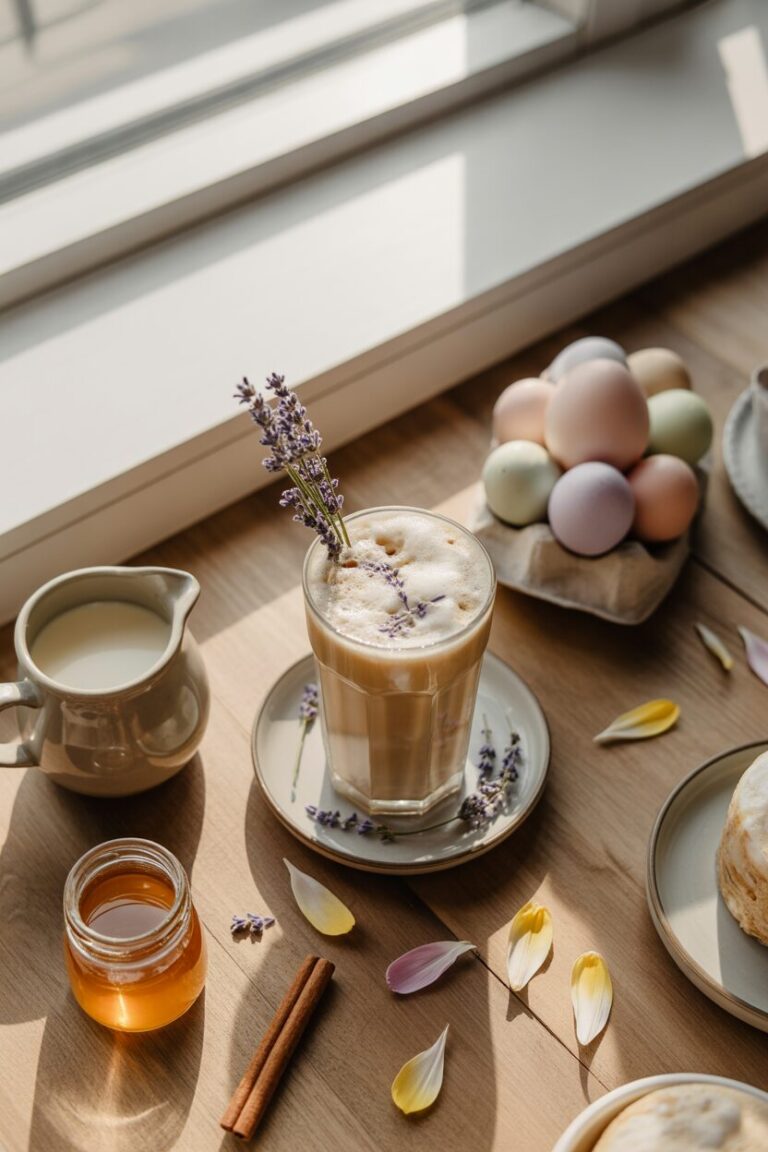
This is the drink that started my whole home barista obsession, so it holds a special place in this list. The lavender syrup is what makes or breaks it. Use culinary-grade dried lavender (food-safe, not floral arrangements—this is apparently a distinction people have to be reminded of) and steep it in a 1:1 simple syrup for about 20 minutes. Strain well. One tablespoon in a latte is plenty—you want floral, not soap-adjacent. Pair with oat milk for the creamiest result.
- 1 tbsp lavender simple syrup
- Double espresso (60ml)
- 200ml steamed oat milk
“I was skeptical about making lattes at home—I thought I’d need some huge machine. Then I tried the lavender latte recipe with just a frother and a Moka pot. My husband now asks me to make it every single weekend.”— Priya R., from the PlatefulLife community
14. Pumpkin Spice Latte
Yes, it’s basic. No, that’s not an insult. The pumpkin spice latte is beloved for a reason—when made well, it’s genuinely warming and complex, not just a vehicle for sugar. The homemade version uses real pumpkin puree (two tablespoons blended into the steamed milk with cinnamon, nutmeg, ginger, and clove), which gives it an earthiness that the standard chain version lacks entirely. Make it in September and feel insufferably smug about your good taste.
- 2 tbsp pumpkin puree
- 1/2 tsp pumpkin pie spice
- 1 tsp vanilla extract
- Double espresso (60ml)
- 220ml steamed milk
15. Matcha Latte
Technically not coffee, but it belongs here because every serious home drink maker should have one in their rotation. The key to a great matcha latte is sifting the matcha powder before whisking—clumps are your enemy. Combine one to two teaspoons of ceremonial-grade matcha with a small amount of hot water (70°C, not boiling) and whisk vigorously in a Z-motion until smooth and slightly frothy. Then add steamed milk. The result should be vivid green, creamy, and grassy-sweet.
- 1.5 tsp ceremonial matcha powder
- 2 tbsp hot water (70°C)
- 220ml steamed oat or whole milk
- Optional: 1 tsp honey
Kitchen Tools That Make All of This Easier
These are the things I actually use—no filler recommendations, no products I own one and never touch again. This is the shortlist.
16. Honey Oat Latte
This one earns its spot as a genuinely superior alternative to a vanilla latte. Raw honey dissolved into hot espresso before the milk goes in gives a floral depth that simple syrup can’t replicate. Use oat milk—Oatly Barista or Califia Farms Barista Blend—for the most convincing steamed milk texture. If you want to get extra, add a light sprinkle of cinnamon on top. The honey-cinnamon combination with espresso is a small, quiet triumph.
- 1.5 tsp raw honey
- Double espresso (60ml)
- 200ml steamed oat milk
- Pinch of cinnamon
17. Spanish Latte
Sweetened condensed milk is the secret. A Spanish latte uses one to two tablespoons of condensed milk at the bottom of the glass, followed by espresso, followed by steamed whole milk. The condensed milk dissolves slowly as you stir, creating a layered sweetness that’s richer and more caramelized than any simple syrup. It’s dessert-adjacent but somehow still appropriate before 9am.
- 1.5 tbsp sweetened condensed milk
- Double espresso (60ml)
- 180ml steamed whole milk
18. Brown Sugar Cinnamon Shaken Espresso
The “shaken” part is not optional. Combining espresso with brown sugar syrup and ice in a cocktail shaker and shaking vigorously for 15 seconds does something real—it chills the espresso rapidly, dilutes it slightly, and creates a light froth that you can’t get any other way. Strain over fresh ice, top with a pour of oat milk, add a light dusting of cinnamon. This is a legitimate 10/10 summer morning drink.
- 3 shots espresso
- 2 tbsp brown sugar syrup
- Pinch of cinnamon
- Ice + oat milk to top
When making homemade syrups, always add a small pinch of salt. It sounds counterintuitive, but salt suppresses bitterness and rounds out sweetness in a way that makes everything taste more professional.
19. Vietnamese Iced Coffee (Ca Phe Sua Da)
This is one of the best coffee drinks in the world, full stop. Strong drip coffee made in a Vietnamese phin filter (a small, inexpensive aluminum drip device) is poured over sweetened condensed milk and ice. The result is bold, sweet, creamy, and intensely satisfying. The phin filter is the ideal tool here—it produces a slow, concentrated drip that’s richer than most pour-overs and more aromatic than espresso. A Robusta-heavy Vietnamese blend like Trung Nguyen is the traditional choice and genuinely worth seeking out.
- 2 tbsp medium-coarse Vietnamese coffee
- 1.5 tbsp sweetened condensed milk
- Hot water + Vietnamese phin filter
- Ice
20. Dirty Chai Latte
A dirty chai is a regular chai latte with a shot (or two) of espresso added—and it is, objectively, one of the better decisions you can make on a cold morning. The spice profile of the chai (cinnamon, cardamom, ginger, black pepper, clove) plays exceptionally well with dark espresso. Use a good masala chai concentrate or steep a strong chai from loose-leaf tea. Pour over steamed milk, add your espresso shot on top, and don’t skip the cardamom—it’s the thing that makes a dirty chai a dirty chai and not just spiced coffee.
- 180ml brewed masala chai (strong)
- Single or double espresso (30–60ml)
- 60–80ml steamed whole or oat milk
- Ground cardamom to finish
A Quick Note on Milk Alternatives
The milk you choose genuinely affects the final drink, and not just for dietary reasons. Whole milk steams the best—it produces the silkiest microfoam and the richest flavor. If you’re going dairy-free, not all plant milks are created equal: oat milk (especially barista-grade versions) steams well and has a neutral, slightly sweet flavor. Almond milk is thinner and can split if overheated. Coconut milk adds a distinct flavor that works in some drinks (mochas, especially) but dominates others.
For cold drinks, most milks work fine without steaming—the texture differences matter less when everything is cold. Soy milk is actually one of the better performers in iced lattes, producing a creamy consistency without the price premium of specialty oat milk brands. These 15 non-dairy coffee recipes cover all the combinations worth trying in detail.
A note worth making: if you’re swapping milks for health reasons, the antioxidant benefit of coffee is slightly reduced when proteins in milk bind to polyphenols—a point backed by research published in peer-reviewed studies on coffee antioxidant activity. This doesn’t mean milk coffee is unhealthy—far from it—but if you’re drinking coffee partly for the polyphenol benefit, occasional black coffee or oat milk drinks maximize that uptake.
Why Homemade Syrups Change Everything
The dirty secret of the specialty coffee world is that most of what makes a $7 drink taste special is the syrup. A good lavender syrup, a proper brown sugar cinnamon blend, a genuine vanilla bean simple syrup—these are what separate a forgettable coffee from one you’d drive across town for. And they’re absurdly easy and cheap to make at home.
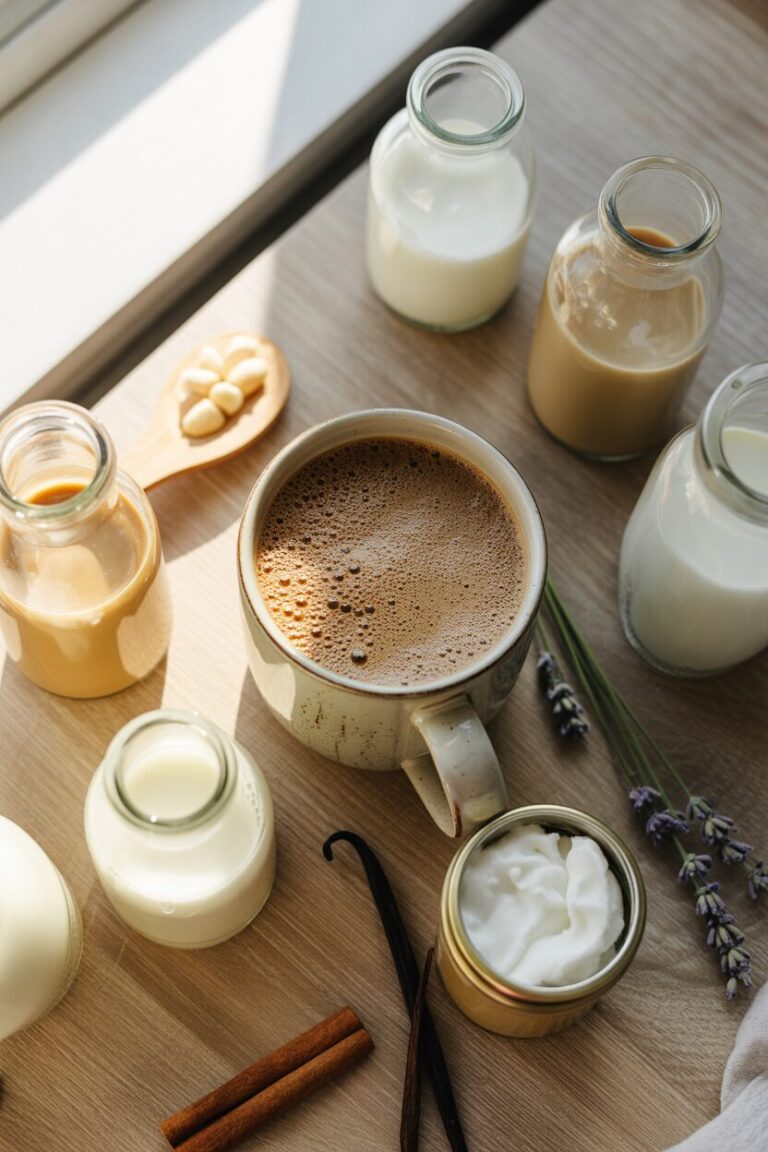
The basic formula: combine equal parts sugar and water in a small saucepan, bring to a simmer until sugar fully dissolves, then add your flavoring—vanilla pods, dried lavender, fresh ginger, cardamom pods, cinnamon sticks, toasted hazelnuts. Steep off the heat for 20 to 30 minutes, strain, and refrigerate. The syrup keeps for about two weeks. One 10-minute batch makes enough for two to three weeks of morning drinks. For a comprehensive set of options, these 18 homemade coffee syrup recipes cover the full seasonal range.
“I made the brown sugar cinnamon syrup from this site and now my whole morning routine has changed. I make an iced latte before my 7am call every day and it’s genuinely the best part of my mornings.”— James M., PlatefulLife reader
Frequently Asked Questions
Can I make espresso-style coffee without an espresso machine?
Yes, and quite convincingly. A Moka pot produces a concentrated, espresso-adjacent brew that works well in lattes, cappuccinos, and mochas. An AeroPress with a fine grind and short brew time also gets surprisingly close to true espresso. The crema won’t be quite the same, but the flavor and intensity are there. For a full breakdown of machine-free options, check out 18 coffee drinks you can make without a machine.
What is the best milk for steaming at home?
Whole milk produces the best microfoam because of its fat and protein content—it stretches beautifully and holds texture well. For dairy-free options, barista-grade oat milk (Oatly Barista or Pacific Foods Barista) is the closest match in terms of steaming behavior and flavor. Avoid ultra-thin milks like most almond milks for steaming; they tend to produce large bubbles rather than silky microfoam.
How long does cold brew concentrate keep in the fridge?
Properly filtered cold brew concentrate keeps well for up to two weeks in a sealed glass jar in the refrigerator. Diluted cold brew (already mixed with water or milk) is best consumed within three to four days. If it starts tasting flat or sour before that window, it’s usually a sign of incomplete filtration—try double-filtering through a paper filter next time.
What’s the difference between a latte and a flat white?
Both drinks use espresso and steamed milk, but the ratios and texture differ significantly. A latte is larger (around 240–300ml) with more milk and a thin layer of microfoam. A flat white is smaller (around 160–180ml), uses the same double shot of espresso as the latte, and has a higher espresso-to-milk ratio with velvety microfoam throughout rather than just on top. The flat white has a stronger coffee flavor as a result.
Do I need a frother to make good coffee at home?
A frother helps enormously and costs very little—a decent handheld electric frother runs about $10–$15 and transforms your results. That said, you can create a reasonable foam without one: heat milk in a small jar, seal it tightly, and shake vigorously for 30 seconds, then microwave for 20 seconds to stabilize the foam. It won’t be barista-level microfoam, but it’s perfectly serviceable for lattes and cappuccinos.
Final Thoughts
Making barista-style coffee at home isn’t about being precious or performative. It’s about taking something you probably already do every single day and doing it with a little more intention—and getting a dramatically better result for almost no extra effort once you’ve learned the basics.
Start with one drink on this list, the one that sounds most like what you order when you’re out. Get that one right. Learn what you like about it, what you’d adjust. Then move to the next one. Within a few weeks you’ll have a home coffee setup that’s genuinely exciting to use in the morning, and a very different relationship with that $7 line at your local shop.
The best part of all of this? You can experiment freely, you can customize without limit, and you can make the exact drink you want at exactly the strength and sweetness you prefer—every single morning, without ever waiting in a queue. That alone, honestly, is worth the small amount of effort it takes to figure this out.