Cold Brew at Home
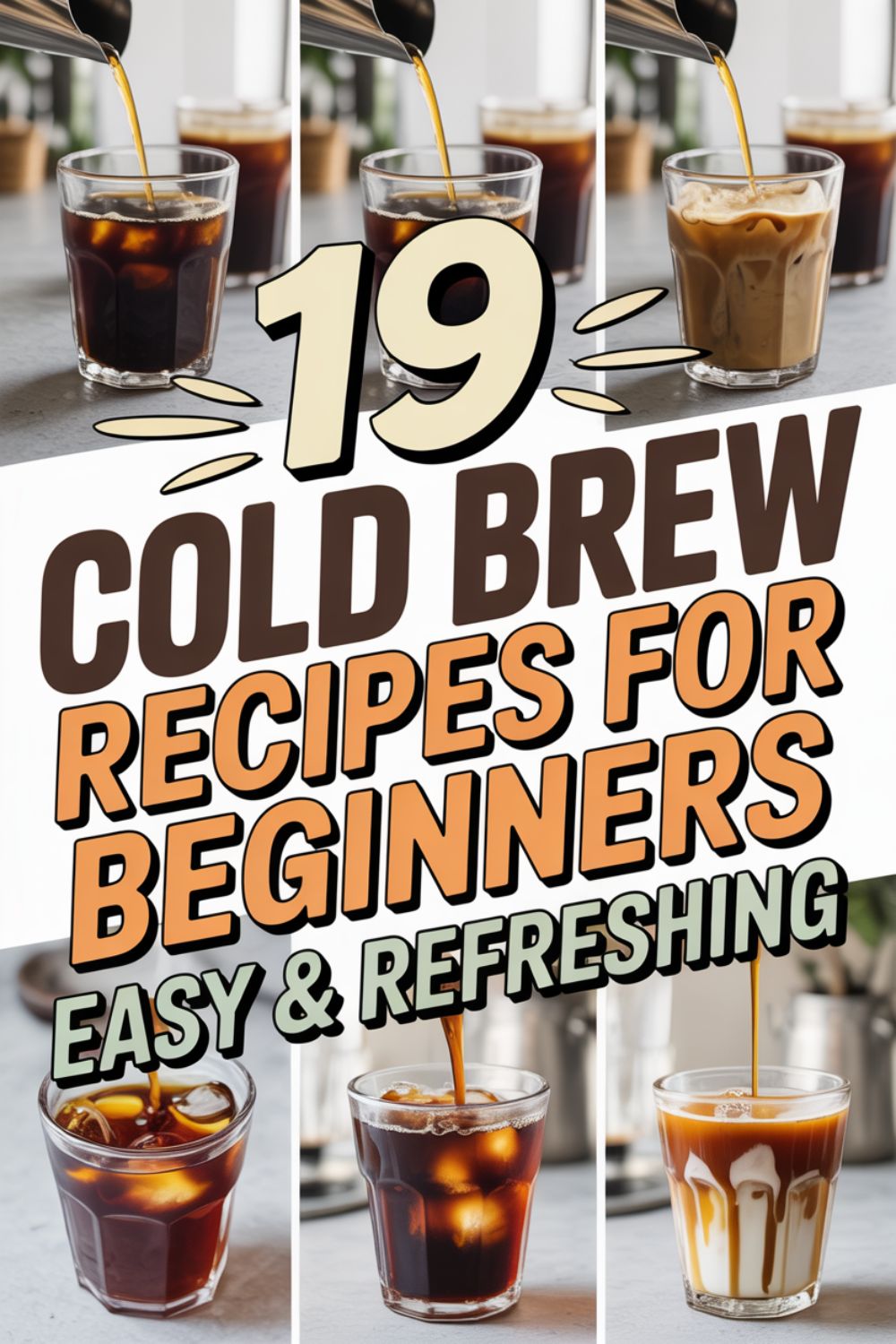
19 Cold Brew Recipes for Beginners
No fancy equipment, no barista degree, just really good coffee waiting for you in the fridge every morning.
Cold brew changed my morning routine in a way that I did not fully appreciate until the first hot July when I could reach into the fridge and pour something smooth, rich, and genuinely delicious without waiting for a kettle or wrestling with a pour-over at 6 a.m. If you have been curious about making it yourself but figured it sounded complicated, I promise you it is not. Steep, strain, done. That is the whole operation.
What makes cold brew particularly fun for beginners is the creative range you can explore from a single batch. Your base concentrate becomes vanilla sweet cream cold brew, brown sugar cinnamon, coconut mocha, spiced cardamom, or a dozen other things just by changing what you pour over it. That is a lot of variety for a process that mostly involves waiting overnight.
This guide walks through 19 cold brew recipes that genuinely work, explains the basics you need to get the ratio right the first time, and throws in some flavor ideas that go way beyond the standard glass-of-black-coffee scenario. Ready? Let’s get into it.
Why Cold Brew Deserves a Permanent Spot in Your Fridge
Before anyone jumps to the recipes, it is worth talking briefly about why cold brew has genuinely earned its fanbase rather than just riding a coffee shop trend. The most practical reason is time. You make one large batch on a Sunday and have coffee sorted for the entire week. No daily brewing, no reheating, just pour and go.
The flavor argument is also real. Cold brewing uses time rather than heat to extract compounds from the beans, which means less of the harsh acids and bitter oils make it into your cup. The result is coffee that tastes rounder, sweeter, and significantly more drinkable, especially if your stomach tends to protest after a hot cup. Research cited by Healthline notes that cold brew is measurably less acidic than hot-brewed coffee, which makes it genuinely easier for sensitive stomachs to handle. The Harvard T.H. Chan School of Public Health has also confirmed that cold brew carries the same health benefits as regular coffee, including reduced risk of type 2 diabetes and heart disease, while being gentler on the body overall.
IMO, the single biggest benefit for beginners is that cold brew is forgiving. Unlike espresso, where grind size and tamping pressure and temperature all conspire against you, cold brew rewards patience more than precision.
The Basic Cold Brew Formula You Need to Know
Every recipe in this list starts with the same foundation: coarsely ground coffee steeped in cold or room-temperature water for 12 to 24 hours, then strained. The ratio that works consistently for beginners is 1 cup of coarsely ground coffee to 4 cups of cold water for a concentrate, which you then dilute with water or milk to taste.
Grind size matters more than most people expect. Too fine and the brew turns murky and over-extracted and tastes bitter. Too coarse and it comes out thin and watery. You want something close to what you would use for a French press. If your grinder has settings, choose coarse to medium-coarse and you will be fine.
Equipment You Actually Need
- A large mason jar or any pitcher with a lid
- A fine mesh strainer
- Cheesecloth or a paper coffee filter for the second strain
- A good burr grinder if you buy whole beans
That is genuinely the whole setup for the basic method. Some people prefer a dedicated cold brew maker with a built-in filter basket, which does eliminate the straining step and keeps things cleaner. I use this OXO cold brew coffee maker almost every week because the filter basket makes straining a non-event, and the container fits perfectly on a fridge shelf. Worth having if you plan to make cold brew more than occasionally.
Make your cold brew in the fridge rather than at room temperature. It takes a little longer (18 to 24 hours vs. 12), but the flavor is noticeably cleaner and less bitter, especially with lighter roast beans.
19 Cold Brew Recipes for Beginners
Recipe 1: Classic Cold Brew Concentrate
This is your home base. Everything else in this list builds on it. Use a medium or dark roast, grind coarsely, steep overnight in the fridge, and double-strain through cheesecloth. The concentrate keeps for two weeks refrigerated and dilutes 1:1 with water or milk before serving.
- 1 cup coarsely ground coffee (medium or dark roast)
- 4 cups cold filtered water
Combine in a large mason jar, stir briefly, seal, and refrigerate 18 to 24 hours. Strain through a fine mesh strainer, then again through cheesecloth. Store concentrate in the fridge up to 2 weeks. Dilute 1:1 before serving.
Get Full RecipeRecipe 2: Vanilla Sweet Cream Cold Brew
This is the recipe people make when they want to replicate that specific Starbucks experience at home for a fraction of the cost. You make a simple vanilla sweet cream by combining heavy cream, milk, and a touch of vanilla syrup, then pour it gently over your cold brew concentrate so it cascades through the ice. Use this vanilla bean paste instead of extract for a noticeably more complex flavor.
- 3/4 cup cold brew concentrate
- 3/4 cup cold water or milk
- Ice
- Sweet cream: 3 tbsp heavy cream + 2 tbsp milk + 1 tsp vanilla syrup
Recipe 3: Brown Sugar Cinnamon Cold Brew
Brown sugar syrup is almost embarrassingly easy to make, and it transforms cold brew into something that tastes like it came from a serious coffee bar. Simmer equal parts brown sugar and water with a cinnamon stick until dissolved, cool, and stir into your glass. The whole syrup takes about five minutes on the stove, and a jar of it in the fridge makes every morning better for two weeks. You can explore more ideas like this in this collection of creative coffee syrups to sweeten your morning.
- 3/4 cup cold brew concentrate, diluted
- 2 tbsp brown sugar cinnamon syrup
- Oat milk or cream to taste
- Ice
Recipe 4: Cold Brew Tonic
This one sounds like something a barista invented to confuse you, but trust the process. Cold brew over tonic water and ice is genuinely refreshing, a little fizzy, slightly bitter, slightly sweet, and absolutely nothing like regular iced coffee. Use a 1:1 ratio of cold brew concentrate to tonic, pour over ice, and add a slice of orange. That is the whole recipe.
Recipe 5: Coconut Cold Brew
Full-fat coconut milk makes cold brew taste tropical in the best possible way. It is also a great option if you are avoiding dairy, since coconut milk is thick enough to create that creamy mouthfeel without needing cream. A tiny pinch of salt pulls the sweetness forward in a way that seems like a small thing until you taste it without the salt. For more dairy-free options along these lines, the vegan coffee creamer recipes on our site are worth bookmarking.
Recipe 6: Cold Brew Lemonade
Yes, this combination works. Equal parts cold brew concentrate, fresh lemonade, and water over a lot of ice. The acidity of the lemon cuts through the richness of the coffee and creates something that genuinely tastes like summer in a glass. Use freshly squeezed lemon juice rather than bottled for the best flavor.
Freeze leftover cold brew concentrate into ice cubes. Use them instead of regular ice in any cold brew drink — your coffee stays cold without getting diluted as the cubes melt. Game changer for hot days. Find more inspiration in these unique coffee ice cube ideas.
Recipe 7: Cardamom Rose Cold Brew
This one leans into Middle Eastern coffee traditions in a way that is beautifully aromatic without being overwhelming. Add a pinch of ground cardamom and a teaspoon of rose water to your glass before pouring the cold brew. The result is floral, slightly spiced, and actually elegant enough to serve at brunch without explanation.
Recipe 8: Salted Caramel Cold Brew
Make a quick caramel syrup by combining sugar and water in a pan and cooking until amber, then add a generous pinch of flaky sea salt. This gets stirred into the cold brew before topping with oat milk or cream. FYI, store-bought caramel sauce works perfectly if you do not want to make the syrup from scratch. The salt is non-negotiable though. It makes the caramel flavor pop in a way plain sweetness does not.
Recipe 9: Mocha Cold Brew
Two tablespoons of good quality chocolate syrup stirred into your diluted cold brew, finished with a splash of oat milk and ice. This tastes like a chocolate-covered espresso bean in liquid form. Use a dark chocolate syrup rather than milk chocolate for a more complex, less cloying result. The pairing of coffee and chocolate is well established because both contain similar flavor compounds, which is why they amplify rather than compete with each other.
- 3/4 cup cold brew, diluted
- 2 tbsp dark chocolate syrup
- 3 tbsp oat or almond milk
- Ice
I made the mocha cold brew on a Tuesday morning and my partner asked me if I had secretly ordered delivery from a coffee shop. Made it five times since. The chocolate syrup thing is not obvious but it really works.
— Maya R., community readerRecipe 10: Cold Brew Float
Take one scoop of vanilla ice cream, drop it into a glass, pour cold brew concentrate over it, and watch it turn into something children and adults both understand as a treat. It is not a sophisticated recipe but it is an extremely satisfying one. Use a strong concentrate here so the coffee flavor comes through the sweetness of the ice cream.
Recipe 11: Honey Lavender Cold Brew
Make a lavender simple syrup by simmering 1/2 cup water with 1/2 cup honey and 2 tablespoons of dried culinary lavender for five minutes, then strain and cool. Add a tablespoon or two to diluted cold brew over ice, finish with a splash of oat milk. This is the recipe that will get you compliments at brunch without much effort at all.
Recipe 12: Cold Brew Smoothie
Cold brew concentrate blends well with frozen banana, almond milk, a scoop of protein powder, and a tablespoon of almond butter. The coffee adds depth and a natural caffeine boost to what would otherwise be a standard breakfast smoothie. If you regularly make morning smoothies already, this is an easy swap. There is a full collection of coffee smoothies for breakfast and energy boosts that pairs beautifully with a cold brew base. Get Full Recipe
Recipe 13: Pumpkin Spice Cold Brew
Before you roll your eyes, hear this out. A real pumpkin spice syrup, made from actual pumpkin puree, brown sugar, cinnamon, nutmeg, and cloves, tastes completely different from the artificial version and makes cold brew genuinely autumnal and warming in a way that still works cold. Use it in combination with oat milk for the best results. More fall-inspired ideas live in this roundup of coffee recipes for a cozy fall morning.
Recipe 14: Cold Brew Protein Shake
Add a scoop of chocolate or vanilla protein powder directly to diluted cold brew and shake in a sealed jar until it dissolves. Add ice, almond milk, and optionally a tablespoon of MCT oil if you want something that keeps you full until lunch. This is one of the more practical recipes in the list for anyone who works out in the morning and wants one drink that handles both caffeine and protein.
Recipe 15: Cinnamon Dolce Cold Brew
Cinnamon dolce syrup is just cinnamon simple syrup with a small amount of vanilla added at the end. It pairs with cold brew in the way cinnamon pairs with everything: by making it taste slightly more like something you baked rather than brewed. Use oat milk here; it handles the spice notes better than dairy.
Recipe 16: Cold Brew Affogato
An affogato is traditionally espresso poured over gelato. This version uses cold brew concentrate instead, which is smoother and less aggressive, poured over a scoop of vanilla or hazelnut gelato in a small bowl. Serve immediately. The gelato melts just enough to create a sauce that mixes with the coffee and makes you feel like you are at an Italian cafe in July. It is an excellent dessert that requires essentially zero effort.
Recipe 17: Maple Pecan Cold Brew
Stir a tablespoon of real maple syrup into cold brew concentrate, add milk of your choice, and top with crushed candied pecans. The maple adds a natural, earthy sweetness that is less sharp than regular sugar and complements dark roast coffee especially well. Real maple syrup genuinely tastes different from pancake syrup, which is mostly just colored corn syrup. Worth the upgrade.
Recipe 18: Cold Brew Horchata
This is a fusion drink that borrows from Mexican horchata tradition. Make or buy cinnamon-flavored rice milk, mix it with cold brew concentrate over ice, add a splash of vanilla, and dust the top with cinnamon. The rice milk is lighter than dairy and has a subtle sweetness that works beautifully against the intensity of the cold brew. If you enjoy experimenting with non-dairy options, the non-dairy coffee recipes roundup has plenty more to explore.
Recipe 19: Cold Brew Chai Blend
Make a strong chai tea concentrate by steeping black tea with cinnamon, ginger, cardamom, cloves, and black pepper. Once cooled, combine equal parts chai concentrate and cold brew concentrate over ice, then add oat milk. The result is something that honestly neither camp of tea people or coffee people expects, and both tend to enjoy. It is complex, spiced, caffeinated, and smooth all at once.
When making flavored cold brew syrups, always add them to the glass before the coffee rather than after. It distributes the flavor more evenly through the drink without you having to stir aggressively and lose your ice presentation.
Cold Brew Kitchen Essentials Worth Knowing About
You do not need much to make great cold brew at home, but having the right tools genuinely makes the process easier and the results more consistent. Here are the things I actually use and recommend, both physical and digital.
Physical Products
The filter basket means zero mess at straining time and it holds enough for a full week. The fridge-friendly carafe seals well and does not absorb odors.
Shop on AmazonGetting the grind right is the single biggest thing you can control in cold brew. A burr grinder gives you consistent coarse grounds every time, which hot coffee drinkers will also appreciate.
Shop on AmazonFor storing your concentrate, syrups, and sweet cream all in the same fridge shelf system. Wide-mouth jars are so much easier to strain into than regular jars.
Shop on AmazonDigital Resources
A full beginner-friendly guide to making cafe-style drinks at home, covering tools, ratios, and the easiest recipes to start with.
Read the GuideEvery flavored cold brew in this list can be elevated with a homemade syrup. This guide covers 18 of them, from lavender to hazelnut to brown butter caramel.
Browse SyrupsCovers grind size, water quality, steep time variables, and storage tricks that apply directly to cold brew and make your results noticeably better.
Read the HacksTips for Getting the Best Results Your First Time
If your cold brew comes out too bitter, the most likely culprit is the grind size. Too fine equals over-extraction equals bitterness. Go coarser. If it comes out weak, either steep longer, use slightly more coffee, or reduce the water ratio. Both are easy fixes once you know what you are adjusting.
Water quality matters more than people expect. If your tap water has a strong chlorine taste, it will show up in the cold brew. Filtered water makes a real, noticeable difference in the final flavor. This is especially true with lighter roast beans, which have more delicate flavor compounds that can get overwhelmed by off-tasting water.
On the bean selection question, darker roasts tend to work better for beginners because they are more forgiving about steep time and produce a chocolate, nutty flavor profile that most people enjoy. Light roasts can be spectacular in cold brew but they are more sensitive to over-steeping and can turn tannic. Once you have the basic process down, experimenting with single-origin light roasts is a genuinely fun rabbit hole to fall into.
I tried making cold brew for months and it kept coming out either too weak or too harsh. Turned out I was grinding it too fine because I thought finer meant stronger. Switched to a coarser grind and now mine tastes like the stuff I was buying at ten dollars a bottle.
— James K., home baristaHow to Customize Your Cold Brew for Different Diets
One of the genuine strengths of cold brew as a base drink is how well it adapts to different dietary preferences. The coffee itself is calorie-free and vegan. Every flavor and texture variation you add is a choice you make, which means you can make it fit almost any approach to eating.
For lower calorie versions, use unsweetened almond milk instead of cream and a sugar-free syrup or just a pinch of cinnamon for sweetness suggestion without the sugar. A well-made cold brew at a solid ratio does not need much sweetening. The natural sweetness that comes from the longer extraction is one of the things that surprises people who have only ever drunk hot coffee. You can find more inspiration in this collection of low-calorie coffee drinks for weight loss.
For higher protein versions, blending cold brew with Greek yogurt, protein powder, or nut butter gives you a drink that works as a meal replacement for busy mornings. Cold brew pairs particularly well with almond butter because both have a slight nuttiness that reinforces each other. The high-protein coffee recipes here cover this approach in much more depth if it is relevant to your routine.
For plant-based options, oat milk is still the clear winner for cold brew. It steams beautifully and pours with a creamy weight that feels close to dairy. Coconut milk runs a close second and adds its own flavor dimension. The comparison between almond milk and oat milk is worth noting here: almond milk is lower in calories but thinner in texture, while oat milk is richer and has a naturally sweet flavor that complements coffee well without added sugar.
Frequently Asked Questions
How long should you steep cold brew coffee?
The standard range is 12 to 24 hours, with most people landing around 18 hours in the fridge for a balanced concentrate. Shorter steeps produce a lighter, slightly brighter cup; longer steeps push toward a richer, more intense result. Going much past 24 hours can make the brew taste flat or overly strong, so it is worth setting a reminder.
What coffee to water ratio should beginners use for cold brew?
Start with 1 cup of coarsely ground coffee to 4 cups of cold water for a concentrate, then dilute that concentrate 1:1 with water or milk before drinking. This ratio gives you a flexible base you can make stronger or weaker depending on your taste once you understand how the extraction works for your specific beans.
Can you use any coffee beans for cold brew?
Yes, though dark and medium roasts are most forgiving for beginners. Single-origin beans with fruity or floral notes also work beautifully in cold brew, and the cold extraction actually highlights those lighter flavor characteristics better than hot brewing. Avoid flavored beans, as the added flavoring can turn bitter after a long steep.
How long does cold brew concentrate last in the fridge?
Properly strained cold brew concentrate keeps well in a sealed container in the refrigerator for up to two weeks. Diluted cold brew should be consumed within a week. Always store it covered and away from strong-smelling foods since coffee readily absorbs odors from the fridge environment.
Is cold brew stronger than regular iced coffee?
Cold brew concentrate is significantly more concentrated than regular iced coffee, which is usually just hot coffee cooled down and poured over ice. The caffeine content per volume of concentrate is higher, but once you dilute cold brew to a standard serving strength, the caffeine content is roughly comparable to a regular cup of coffee. The key difference is in smoothness and acidity, not necessarily raw caffeine.
Start Simple, Then Make It Your Own
Cold brew is one of the most genuinely beginner-friendly things you can make in a kitchen, and it pays off immediately in your daily routine. One batch, brewed overnight, covers your coffee needs for a full week and opens the door to every flavored variation in this list without requiring you to learn a new skill each time.
Start with the classic concentrate, get comfortable with your ratio and grind size, and then pick one or two flavor combinations that genuinely excite you. The vanilla sweet cream and brown sugar cinnamon versions tend to convert people who thought cold brew was not for them. The tonic and lemonade variations tend to surprise people who thought they already knew what cold brew could be.
The only way to find your version is to try it. And since the investment is a handful of coffee grounds and twelve to twenty-four hours of patience, the stakes are about as low as they come. Make a batch tonight and see where it takes you.