15 Tea Recipes Under 50 Calories
Look, I get it. You want something warm and comforting that won’t wreck your calorie budget for the day. Tea seems like the obvious answer, but plain hot water with a tea bag gets boring fast. Here’s the thing though—tea doesn’t have to be bland, and it definitely doesn’t need to clock in at 300 calories like those coffee shop concoctions.
I’ve been experimenting with low-calorie tea recipes for years now, and honestly? Some of my best creations came from those desperate late-night cravings when I wanted something sweet but didn’t want to derail my progress. These 15 recipes are all under 50 calories, packed with flavor, and surprisingly easy to throw together.
Whether you’re into green tea, black tea, or those fancy herbal blends, there’s something here that’ll make your taste buds happy without making your pants tight. Let’s get into it.
Image Prompt
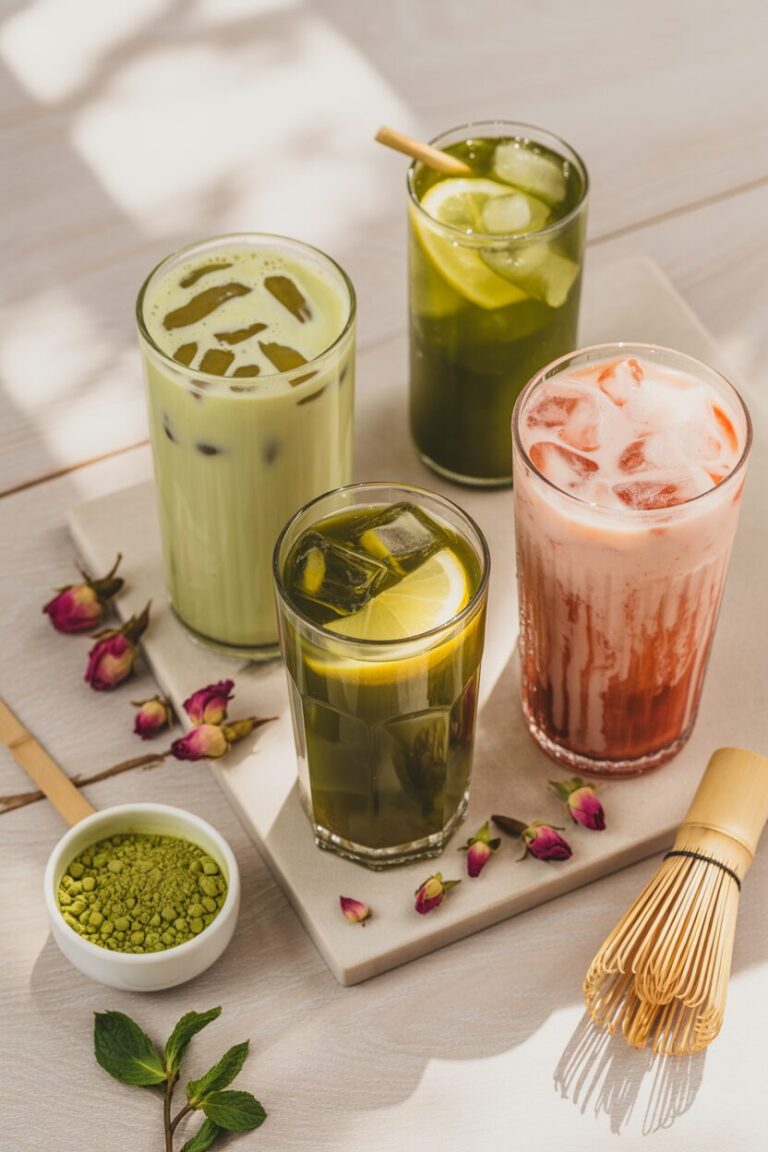
A beautifully styled overhead shot of 3-4 clear glass mugs filled with different colored teas—vibrant green matcha, golden chamomile, deep amber black tea, and soft pink hibiscus. Each mug sits on a rustic wooden board with fresh herbs (mint sprigs, chamomile flowers, tea leaves) artfully scattered around. Warm morning sunlight streams from the left creating soft shadows. Steam gently rises from the mugs. A vintage silver spoon and a small ceramic honey pot are placed to the side. The background is a cream linen cloth with soft, natural wrinkles. Shot from directly above in soft, diffused natural lighting with a shallow depth of field—Pinterest-ready composition with muted, earthy tones and cozy kitchen vibes.
Why Tea Is Your Secret Weight Loss Weapon
Before we jump into the recipes, let’s talk about why tea is actually brilliant for anyone watching their calorie intake. According to research from Harvard Medical School, drinking two to four cups of tea daily is linked to reduced risks for heart disease, diabetes, and even early death. But here’s what really matters for us—tea is essentially calorie-free until you start adding stuff to it.
The magic happens with the compounds inside tea leaves. Harvard’s Nutrition Source explains that polyphenols and catechins in tea act as antioxidants that may help boost metabolism and promote fat oxidation. Green tea especially gets a lot of attention for its EGCG content, which some studies suggest can increase energy expenditure.
I’m not saying tea is some miracle weight loss potion—it’s not. But it IS a smart swap for sugary drinks, and when you make it interesting enough, you’ll actually want to drink it. That’s where these recipes come in handy.
Pro Tip: Always use filtered water when brewing tea. Tap water with high mineral content can make even the best tea taste flat or metallic. I learned this the hard way after wondering why my expensive loose-leaf tasted worse than grocery store tea bags.
The Essential Tea-Making Equipment You Actually Need
You don’t need to go crazy with equipment, but having a few basics makes the whole process smoother. I use this electric kettle with temperature control because different teas need different water temps—green tea at boiling temperature tastes like grass clippings, trust me.
For straining loose-leaf teas, I’m obsessed with these fine mesh tea infusers. They’re cheap, they work perfectly, and you can toss them in the dishwasher. Way better than those weird ball infusers that never quite open properly.
If you’re making iced tea regularly, a good glass pitcher is non-negotiable. Plastic can absorb flavors and honestly just feels weird for tea. I went with a 2-quart glass one that fits perfectly in my fridge door.
Recipe 1: Classic Lemon Ginger Green Tea (12 Calories)
The Wake-Up Call
This is my every-single-morning tea. The ginger gives it a little kick that wakes you up better than coffee (okay, maybe not better, but different), and the lemon adds this bright, fresh taste that makes you feel like you’re doing something good for your body—because you are.
Ingredients:
- 1 green tea bag or 1 tsp loose-leaf green tea
- 1-inch piece of fresh ginger, thinly sliced
- 1/2 fresh lemon, sliced
- 8 oz hot water (175°F)
- Optional: 1/2 tsp honey (adds 10 calories)
Instructions: Add the ginger slices to your mug, pour hot water over them, and let steep for 2 minutes. Add your green tea and lemon slices, steep for another 2-3 minutes, then remove everything. If you need a touch of sweetness, that tiny bit of honey won’t kill your calorie count.
Why it works: Ginger has thermogenic properties that may slightly boost metabolism, while green tea’s catechins support fat oxidation. The lemon isn’t just for show—it actually helps your body absorb more of the tea’s beneficial compounds.
Get Full RecipeThis recipe pairs perfectly with a low-calorie breakfast. If you’re looking for more morning inspiration, you might want to check out some energizing breakfast smoothies that complement this tea beautifully.
Recipe 2: Iced Hibiscus Berry Blast (8 Calories)
Summer in a Glass
Listen, hibiscus tea is criminally underrated. It’s tart, it’s bright red (which just feels fancy), and it’s loaded with antioxidants. This iced version is what I make when I’m trying to convince myself I don’t need that third iced coffee.
Ingredients:
- 2 hibiscus tea bags
- 4-5 fresh or frozen mixed berries
- 8 oz cold water
- Ice cubes
- Fresh mint leaves for garnish
Instructions: Steep the hibiscus tea bags in 4 oz of hot water for 5-7 minutes until it’s deep red. Remove bags, muddle the berries in your glass, add ice, pour the concentrated tea over it, then top with cold water. Garnish with mint because we’re not animals.
Calorie breakdown: Hibiscus tea is zero calories, and those few berries add maybe 8 calories total. Worth it for the flavor punch.
Quick Win: Make a big batch of concentrated hibiscus tea on Sunday, store it in the fridge, and you’ve got instant iced tea all week. Just add ice and water when you’re ready to drink.
Recipe 3: Vanilla Cinnamon Rooibos (15 Calories)
The Dessert Replacement
Rooibos is naturally sweet and caffeine-free, which makes it perfect for evening sipping. Add some vanilla and cinnamon, and suddenly you’ve got something that tastes like you’re cheating on your diet when you’re absolutely not.
Ingredients:
- 1 rooibos tea bag
- 1/4 tsp pure vanilla extract
- 1 cinnamon stick (or 1/4 tsp ground cinnamon)
- 8 oz hot water
- 1 tsp unsweetened almond milk (optional, adds 2 calories)
Instructions: Steep the rooibos tea with the cinnamon stick for 5-7 minutes in boiling water. Remove the tea bag and cinnamon, stir in vanilla extract and almond milk if using. I like to use this organic vanilla extract because the flavor is just better than the cheap stuff.
Best time to drink: After dinner when you want something sweet but don’t want to wreck your day. This has become my replacement for evening desserts, and honestly, it satisfies that craving just fine.
Get Full RecipeSpeaking of clever calorie-saving swaps, if you’re into coffee drinks too, these coffee drinks under 100 calories use similar principles to keep things light without sacrificing flavor.
Recipe 4: Mint Cucumber Green Tea (6 Calories)
This one sounds fancy but takes literally three minutes to make. It’s spa-water vibes but with the actual benefits of green tea. I make this when I need to feel bougie on a budget.
What you need: 1 green tea bag, 3-4 fresh mint leaves, 3-4 thin cucumber slices, 8 oz water at 175°F, ice if serving cold.
The method: Muddle the mint leaves gently in your glass (don’t go crazy or it gets bitter). Add cucumber slices and your tea bag, pour over hot water, steep 2-3 minutes, remove tea bag. Serve hot or pour over ice.
The cucumber adds almost no calories but gives this really refreshing quality that makes you want to drink more water. And honestly, staying hydrated is half the battle when you’re trying to manage your appetite.
Recipe 5: Spiced Chai with Unsweetened Almond Milk (28 Calories)
The Coffee Shop Killer
Real talk—chai lattes at coffee shops can hit 300+ calories. This homemade version gives you the same warm, spicy comfort at a fraction of the calories. Plus you can control exactly how sweet you want it.
Ingredients:
- 1 chai tea bag (or 1 tsp loose chai)
- 6 oz hot water
- 2 oz unsweetened almond milk (about 8 calories)
- 1/4 tsp honey (10 calories)
- Dash of cinnamon on top
Instructions: Steep your chai tea in hot water for 4-5 minutes—longer than you think because we want those spices to really come through. Remove the tea bag, stir in honey while it’s hot, then add warmed almond milk. I heat my almond milk in this milk frother because frothed milk just makes everything feel more special.
Customization tip: Don’t like almond milk? Unsweetened oat milk works great too and adds only about 15 calories for 2 oz. Coconut milk is another option if you want that tropical twist.
FYI, if you’re interested in making your own flavored additions, check out these creative syrup recipes—the same techniques work for tea.
Recipe 6: Peachy Keen White Tea (18 Calories)
White tea is the most delicate of all teas, and it pairs ridiculously well with fruit. This peachy version tastes like summer and has barely any calories. I use these dried peach slices when fresh peaches aren’t in season.
The setup: 1 white tea bag, 2-3 thin slices of fresh or dried peach, 8 oz water at 170°F, optional fresh basil leaf (sounds weird, tastes amazing).
How to brew: White tea is fussy about temperature—too hot and it gets bitter. Steep your tea with the peach slices for 3-4 minutes. If you’re using fresh peaches, they add about 10 calories per slice. Dried peaches are more concentrated so use less.
The basil leaf is totally optional but adds this unexpected herbal note that makes people ask “what IS that?” when you serve it. It’s your secret weapon for impressing guests without actually trying that hard.
Pro Tip: Keep a container of mixed dried fruits in your pantry specifically for tea. Dried apples, peaches, and berries all work great and last forever. Just make sure they’re unsweetened—the sugar-coated ones defeat the whole purpose.
Recipe 7: Lavender Earl Grey (4 Calories)
The Stress Reliever
Earl Grey is already floral from the bergamot, and adding lavender takes it to another level. This is what I drink when I need to chill out after a stressful day. It’s basically aromatherapy in a mug.
Ingredients:
- 1 Earl Grey tea bag
- 3-4 dried lavender buds (culinary grade, not craft store lavender)
- 8 oz hot water at 200°F
Instructions: Add lavender buds and Earl Grey tea to your mug, pour hot water over, steep for 3-4 minutes. Remove everything and enjoy. Don’t overdo the lavender or it’ll taste like soap—I learned this lesson the hard way.
I buy culinary lavender buds in bulk because they’re way cheaper than the tiny bottles at grocery stores, and honestly, they last forever in an airtight container.
Get Full RecipeRecipe 8: Matcha Lemon Iced Tea (25 Calories)
Matcha gets all the hype for good reason—it’s got way more antioxidants than regular green tea because you’re consuming the whole leaf. But it can taste pretty grassy if you don’t balance it right. Lemon is the key here.
What you need: 1/2 tsp matcha powder (not the sweetened kind), juice of 1/2 lemon, 8 oz cold water, ice, optional 1/2 tsp honey (10 calories).
The technique: Whisk the matcha with a tiny bit of hot water first to dissolve it—this is crucial. Then add lemon juice, cold water, and ice. Shake or stir vigorously. The matcha wants to clump, so you need to be aggressive with it.
I use this bamboo matcha whisk because the metal ones just don’t work the same way. Yes, I’m that person now. But also, it works.
If you’re into matcha, you might also like these homemade creamer recipes that can be adapted for matcha lattes.
Recipe 9: Turmeric Ginger Golden Milk Tea (38 Calories)
The Anti-Inflammatory Powerhouse
Golden milk has become trendy for good reason. Turmeric is a serious anti-inflammatory, and combined with ginger and black pepper (which helps your body absorb the turmeric), this tea is basically liquid wellness.
Ingredients:
- 1 cup unsweetened almond milk (30 calories)
- 1/2 tsp turmeric powder
- 1/4 tsp ginger powder (or 1/2-inch fresh ginger, grated)
- Tiny pinch of black pepper
- 1/4 tsp cinnamon
- 1/2 tsp honey (optional, 10 calories)
Instructions: Whisk everything together in a small pot over medium heat. Don’t boil—just heat until it’s steaming and fragrant, about 3-4 minutes. Strain if you used fresh ginger. The black pepper is important even though it sounds weird—it increases turmeric absorption by like 2000%.
Fair warning: This will stain everything it touches. I have a dedicated small pot just for golden milk because I got tired of my nice cookware turning yellow.
Recipe 10: Iced Jasmine Green Tea with Lime (5 Calories)
Jasmine tea is already perfumy and floral, but adding lime gives it this bright, citrusy edge that makes it incredibly refreshing. This is my go-to for hot summer afternoons when plain water feels boring.
Ingredients: 1 jasmine green tea bag, juice of 1/2 lime (about 1 tbsp), 8 oz cold water, ice, fresh lime slices for garnish.
Brewing notes: Cold brew this one if you have time—put the tea bag in cold water in the fridge overnight. It makes the jasmine flavor more pronounced without any bitterness. If you’re in a hurry, hot brew it, let it cool, then add ice and lime.
The lime juice adds maybe 5 calories tops but makes this taste like something you’d pay $6 for at a trendy cafe. I slice up extra limes with this citrus slicer and keep them in the fridge for quick tea making.
Looking for more cold drink ideas? These cold brew variations use similar infusion techniques.
Recipe 11: Apple Cinnamon Black Tea (22 Calories)
Fall Vibes Year-Round
Black tea has a bold, malty flavor that stands up to stronger additions. This apple cinnamon combo is basically autumn in a mug, and I make it year-round because I’m not governed by seasons.
Ingredients:
- 1 black tea bag (English breakfast or Assam works great)
- 1/4 apple, thinly sliced (about 15 calories)
- 1 cinnamon stick or 1/4 tsp ground cinnamon
- 8 oz boiling water
- Optional: 1/4 tsp vanilla extract
Instructions: Drop the apple slices and cinnamon into your mug, add the tea bag, pour boiling water over everything. Steep for 4-5 minutes—black tea can handle longer steeping times without getting bitter. Add vanilla extract at the end if you want that extra cozy factor.
Serving suggestion: This is excellent hot, but it’s also surprisingly good iced. When I’m feeling fancy, I’ll throw in a star anise pod for that licorice-y warmth.
Get Full RecipeRecipe 12: Peppermint Mocha Tea (35 Calories)
This one’s for the coffee lovers who want chocolate flavor without the full coffee commitment. It’s basically a peppermint mocha but with tea instead, and way fewer calories than the Starbucks version.
The goods: 1 black tea bag, 1 peppermint tea bag (or 5-6 fresh peppermint leaves), 1 tsp unsweetened cocoa powder (12 calories), 6 oz hot water, 2 oz unsweetened almond milk (8 calories), stevia or monk fruit sweetener to taste.
How to make it: Steep both tea bags in hot water for 4 minutes. Remove bags, whisk in cocoa powder while it’s hot (cocoa powder doesn’t dissolve well in cold liquid). Add warmed almond milk and sweetener. I use this Dutch-process cocoa because it’s less bitter and mixes smoother.
The peppermint-chocolate-tea combo sounds chaotic but it works. My sister tried this and immediately demanded the recipe, so I know it’s not just me being weird.
For more chocolate-coffee-tea hybrids, check out these dessert-inspired drinks.
Recipe 13: Grapefruit Rosemary White Tea (12 Calories)
The Sophisticated Sipper
This is my “I’m trying to impress people” tea. The combination of tart grapefruit with herbal rosemary and delicate white tea is unexpected and ridiculously good. Plus it looks pretty, which counts for something.
Ingredients:
- 1 white tea bag
- 2-3 fresh grapefruit slices (about 10 calories)
- 1 small sprig fresh rosemary
- 8 oz water at 170°F
- Ice if serving cold
Instructions: Gently bruise the rosemary sprig to release oils (just squeeze it a bit). Add rosemary, grapefruit slices, and tea bag to your glass. Pour hot water over, steep 3-4 minutes, remove tea bag and rosemary. Serve hot or over ice.
Pro move: If serving iced, freeze grapefruit slices with small rosemary sprigs in ice cube trays. Looks amazing and keeps your tea cold without diluting it.
Recipe 14: Blueberry Sage Green Tea (14 Calories)
Sage isn’t just for Thanksgiving turkey. It’s actually incredible in tea, especially paired with blueberries. This combo has this earthy-sweet thing going on that’s hard to describe but easy to love.
What goes in: 1 green tea bag, 6-7 fresh or frozen blueberries (about 12 calories), 2-3 fresh sage leaves, 8 oz water at 175°F.
The process: Muddle the blueberries and sage leaves together in your mug—you want to release their flavors. Add tea bag and hot water, steep 3 minutes, then strain out the solids or just drink around them if you’re lazy like me.
I grow sage on my windowsill because it’s practically impossible to kill, and having fresh herbs on hand makes you feel like you have your life together. If you’re buying it, these herb keepers make fresh herbs last way longer in the fridge.
Recipe 15: Tropical Oolong Iced Tea (20 Calories)
The Vacation Vibe
Oolong tea is somewhere between green and black tea—partially oxidized with this really complex flavor. Adding tropical fruit turns it into something that makes you feel like you’re on a beach somewhere instead of at your kitchen counter.
Ingredients:
- 1 oolong tea bag (or 1 tsp loose oolong)
- 2-3 chunks fresh or frozen pineapple (about 15 calories)
- 2-3 chunks fresh or frozen mango (about 12 calories)
- 8 oz cold water
- Ice cubes
- Fresh mint for garnish
Instructions: Cold brew your oolong tea by steeping it in room temperature water for 2-3 hours, or overnight in the fridge. When ready to serve, muddle the pineapple and mango in your glass, add ice, pour the cold-brewed oolong over it, garnish with mint.
Why cold brew: Oolong has these delicate floral notes that can turn bitter if you over-steep with hot water. Cold brewing extracts all the good flavors without any harshness. Plus you can make a big batch and have it ready to go.
I keep frozen tropical fruit specifically for this recipe. It’s cheaper than fresh, lasts forever, and works as ice cubes that flavor your drink as they melt. Win-win-win.
Get Full RecipeIf you’re into experimenting with different brewing methods, these quick drink recipes show other time-saving techniques.
Making These Recipes Work for Your Life
Here’s the thing about low-calorie tea recipes—they only work if you actually make them. I know that sounds obvious, but how many times have you saved a recipe and never actually tried it? Yeah, me too.
My advice is to pick 3-4 recipes from this list that sound genuinely appealing to you. Buy the ingredients you don’t already have. Then commit to making at least one tea per day for a week. See which ones you actually enjoy and which ones were better in theory.
I thought I’d love the turmeric golden milk because everyone raves about it. Turns out, not my thing. But the hibiscus berry and the mint cucumber green tea? Those became daily staples. You won’t know until you try.
Reality Check: Sarah from our recipe community tried replacing her afternoon soda with these teas and dropped 8 pounds in two months without changing anything else. She says the peppermint mocha tea killed her chocolate cravings completely. Your results might vary, but the principle works—swap high-calorie drinks for these, and you’ll see changes.
The Meal Prep Approach to Tea
Want to know my actual system for making sure I drink these instead of reaching for sugary drinks? Meal prep. Yeah, you can meal prep tea. Here’s how.
Sunday tea prep:
- Make 2-3 pitchers of cold-brewed tea (jasmine, oolong, and green tea work best)
- Portion out dried fruits and spices into small containers—one container per serving
- Freeze fresh fruit slices in ice cube trays with herbs
- Store fresh ingredients like ginger, cucumber, and mint in these produce containers to keep them fresh all week
When you want tea during the week, everything’s ready. Grab your pre-portioned additions, pour your cold-brewed base, and you’re done. Takes 30 seconds instead of 10 minutes.
For more meal prep strategies that work with your mornings, check out these breakfast pairing ideas that complement your tea routine.
Common Tea-Making Mistakes That Ruin Everything
Let me save you from the mistakes I made when I started experimenting with tea recipes. These seem minor but they make a huge difference.
Temperature matters more than you think. Boiling water on delicate teas like white or green tea makes them taste bitter and grassy. Invest in that temperature-control kettle or just let boiling water cool for 2-3 minutes before pouring.
Steeping time is not negotiable. Green tea steeped for 5+ minutes is undrinkable. Black tea steeped for 2 minutes is weak dishwater. Follow the times I listed—they’re there for a reason.
Quality matters, but not as much as freshness. Old tea, even expensive tea, tastes flat. Buy smaller quantities more often instead of that giant box that’ll sit in your cupboard for two years. Store tea in airtight containers away from light and heat.
Proportions are guidelines, not rules. If you like stronger tea, use more tea or steep longer. If you find something too tart or too sweet, adjust it. These recipes are starting points—make them work for your taste buds.
Tea Sweeteners: What Actually Works Under 50 Calories
Some people need their tea sweet. I get it. Plain tea can be an acquired taste. Here are your best options that won’t blow your calorie budget.
Stevia and monk fruit sweetener: Zero calories, no effect on blood sugar. Some people taste a weird aftertaste (I’m one of them), but others don’t notice it at all. Worth trying.
Tiny amounts of honey: One-quarter teaspoon is about 5 calories and adds genuine flavor, not just sweetness. Way better than dumping in sugar. I use raw local honey for the extra flavor complexity.
Erythritol: Sugar alcohol that tastes pretty close to sugar without the calories. Doesn’t spike blood sugar. Can cause digestive issues for some people if you use too much.
What to avoid: Agave nectar (still high calorie), regular sugar (obviously), and those “natural” sweeteners that are just rebranded sugar with fancy marketing.
IMO, the best approach is to gradually reduce sweetness over time. Your taste buds adapt. What tastes bitter at first becomes pleasantly complex after a couple weeks of adjustment.
For more ideas on natural sweeteners, these healthy coffee recipes use similar sweetening techniques.
When to Drink Which Tea
Not all teas are created equal when it comes to timing. Here’s my guide based on actual experience, not just what sounds good in theory.
Morning (6am-10am): Green tea with lemon and ginger, matcha lemon iced tea, or black tea with apple cinnamon. You want caffeine and something that wakes up your digestive system. The ginger especially helps if you’re not a breakfast person.
Mid-morning (10am-12pm): Oolong or white tea variations. Lighter than black tea, more interesting than green tea. Keeps you alert without making you jittery.
Afternoon (12pm-3pm): Hibiscus berry, jasmine green tea with lime, or grapefruit rosemary white tea. Refreshing options that give you an energy boost without disrupting sleep later. This is prime iced tea territory.
Late afternoon/early evening (3pm-6pm): Chai with almond milk, peppermint mocha tea. Comforting but still has some caffeine if you need it. I drink these when I’m fighting that 4pm energy crash.
Evening (6pm onwards): Vanilla cinnamon rooibos, lavender Earl Grey (if you’re okay with minimal caffeine), or chamomile-based teas. Herbal and decaf options that won’t keep you awake but still feel indulgent.
If you’re trying to establish a better relationship with caffeine throughout the day, check out these simple drink recipes that show how to balance energy without overdoing it.
Related Recipes You’ll Love
Frequently Asked Questions
Can I use tea bags instead of loose-leaf tea for these recipes?
Absolutely. While loose-leaf tea purists will tell you it’s better, tea bags work perfectly fine for all these recipes. The flavor difference is minimal, especially when you’re adding other ingredients like fruit, herbs, and spices. I use tea bags for most of my daily tea because they’re convenient and I’m not trying to impress anyone at 6am.
How long can I store cold-brewed tea in the fridge?
Cold-brewed tea stays fresh for 3-4 days in the fridge when stored in an airtight container. After that, it starts losing flavor and can develop off-tastes. I make mine on Sunday and Wednesday so I always have fresh tea available without wasting any.
Will these teas actually help with weight loss?
Tea isn’t a magic weight loss solution, but it can definitely support your goals. The main benefit is calorie displacement—you’re drinking something flavorful for under 50 calories instead of a 300-calorie frappuccino or soda. Some compounds in tea, particularly green tea’s EGCG, may have modest effects on metabolism, but the real win is making a sustainable low-calorie swap you’ll actually stick with.
Can I add protein powder to these teas?
You can, but it’s tricky. Protein powder works best in the milk-based teas like the chai or golden milk recipes. For clear teas, protein powder tends to clump and look weird. If you’re looking for a protein boost with your morning routine, consider having your tea alongside a protein-rich snack rather than mixing them together.
What’s the best way to sweeten tea without adding calories?
Stevia and monk fruit sweeteners are your zero-calorie options. Start with tiny amounts—they’re way sweeter than sugar. If you don’t like the aftertaste, try erythritol instead. Honestly though, I’d encourage you to gradually reduce sweetness over time. Your taste buds adapt within a few weeks, and then naturally sweet ingredients like fruit and vanilla extract become satisfying enough on their own.
Final Thoughts
Here’s what I want you to remember from all of this: low-calorie doesn’t have to mean low-flavor. These 15 tea recipes prove you can have something delicious and satisfying without wrecking your daily calorie budget.
Start with one or two recipes that genuinely appeal to you. Don’t try to force yourself to drink something just because it’s healthy—that’s not sustainable. Find the flavors you actually enjoy, then make them part of your routine.
The teas I make most often are the lemon ginger green tea (every single morning) and the hibiscus berry blast (every afternoon in summer). Those are my go-tos because I actually like them, not because they’re the “best” options. Your favorites will be different, and that’s the whole point.
Keep it simple, experiment with what you have, and don’t stress about perfection. Tea should make your day better, not give you another thing to obsess over. Brew it, drink it, enjoy it. That’s literally all there is to it.