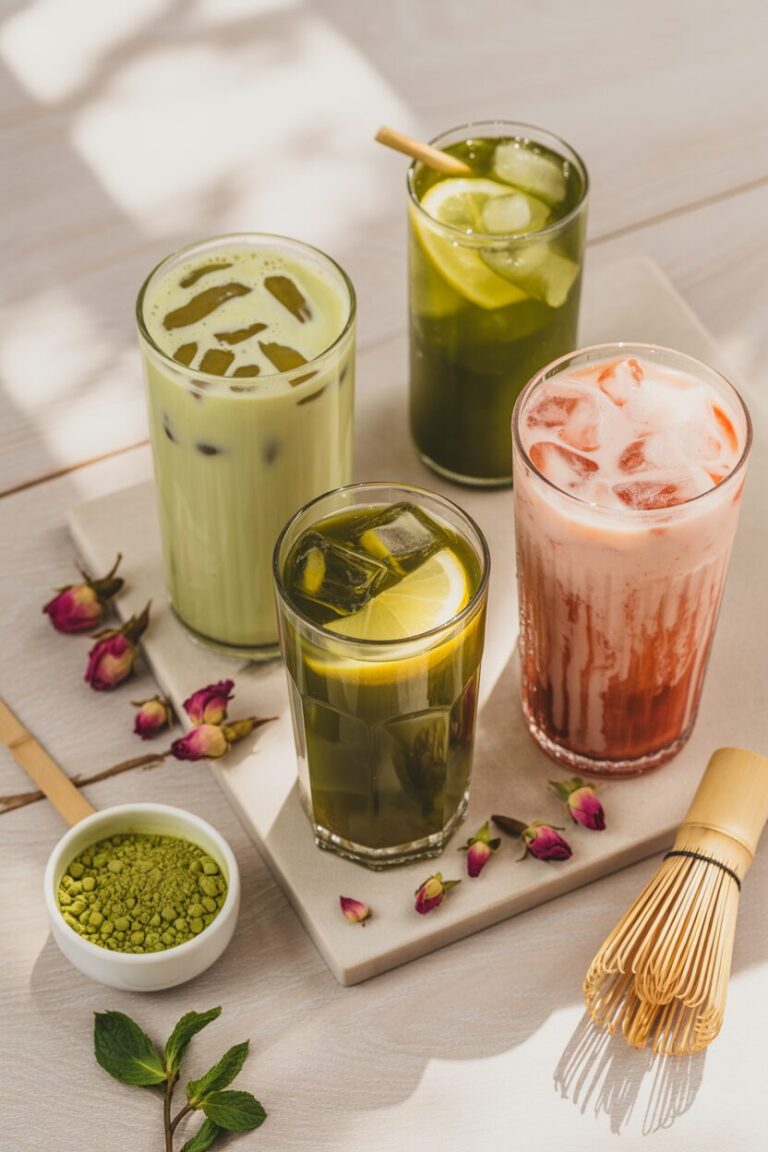
15 Tea Recipes to Boost Your Immune System
Look, I’ll be straight with you—if you’re still reaching for those overpriced immunity shots at the grocery store, we need to talk. Your kitchen probably already has everything you need to create immune-boosting teas that actually taste good and won’t drain your wallet. Let me show you how.

I started making these teas about three years ago when I got tired of being the person who caught every single cold making the rounds at work. Spoiler alert: it worked. These aren’t just random herbs thrown in hot water—these recipes are backed by actual research from Harvard Health showing how certain teas can genuinely support your immune function.
The best part? You don’t need fancy equipment or hard-to-find ingredients. Most of what you’ll use is probably sitting in your pantry right now, quietly waiting to become something way more useful than it’s been.
Why Tea Actually Works for Immune Support
Before we jump into recipes, let’s talk science for a second—but I promise to keep it interesting. According to research published in the National Institutes of Health, tea polyphenols work as natural immune modulators. Translation? They help your body regulate immune responses without the harsh side effects you’d get from synthetic options.
Green tea, for instance, contains these compounds called catechins—specifically one called EGCG that’s basically a superhero for your immune system. It fights off pathogens, reduces inflammation, and supports your body’s natural defense mechanisms. Pretty cool for something that costs pennies per cup, right?
But here’s what nobody tells you: you need to brew it right. Water that’s too hot destroys those beneficial compounds. Too cool, and you won’t extract them properly. Most of these recipes work best with water around 175-185°F for green teas and 200-212°F for herbal blends.
Pro Tip: Don’t have a thermometer? Bring water to a boil, then let it sit for 2 minutes before pouring over green tea. For herbal teas, use it right after boiling. Works every time.
1. Classic Ginger-Lemon Immunity Tea
This is the one I make most often because it’s ridiculously simple and tastes like a warm hug. Fresh ginger contains gingerol, which has powerful anti-inflammatory and antioxidant effects that help your immune system stay sharp.
Here’s what you need: 1-inch piece of fresh ginger (peeled and sliced thin), juice of half a lemon, 1 tablespoon raw honey, and 2 cups of hot water. Steep the ginger in boiling water for 10 minutes, add lemon juice and honey, and you’re done. Get Full Recipe.
I usually slice my ginger super thin with this ceramic mandoline because it increases the surface area and you get more of those beneficial compounds into your tea. Plus, you won’t accidentally create ginger chunks thick enough to choke on.
⭐ Editor’s Pick: Premium Tea Infuser Set
After burning through countless cheap tea infusers that either leaked or fell apart, I finally found this stainless steel set that actually works. The ultra-fine mesh catches even the smallest tea particles, and it fits perfectly in mugs and teapots of all sizes.
What I love: dishwasher safe, doesn’t rust, comes with a drip tray, and the long handle means no more burned fingers fishing it out of hot water.
Dishwasher Safe Lifetime Warranty BPA-FreeCheck Current Price →
2. Turmeric Golden Milk Tea
If you haven’t jumped on the golden milk trend yet, what are you waiting for? Turmeric contains curcumin, which research shows can help regulate immune system responses. The problem? Curcumin isn’t easily absorbed by your body unless you pair it with black pepper. Weird, I know.
Mix 1 teaspoon turmeric powder, 1/4 teaspoon black pepper, 1 cup milk (I use oat milk), 1 teaspoon honey, and a pinch of cinnamon. Heat everything together in a small pot—don’t boil—and whisk until frothy. The black pepper increases curcumin absorption by 2000%. Yeah, you read that right.
For a dairy-free version that doesn’t taste like cardboard, try using full-fat coconut milk. The fat content helps with the absorption of turmeric’s beneficial compounds. Speaking of cozy drinks, you might also love these homemade coffee recipes for your morning routine.
Why the Pepper Matters
Look, I was skeptical about the pepper thing too. But the compound in black pepper called piperine literally enhances the bioavailability of curcumin. Without it, most of the turmeric just passes through your system doing absolutely nothing. With it, you’re actually getting the immune-boosting benefits.
I grind my black pepper fresh using this little manual grinder because pre-ground pepper loses its piperine content faster than you’d think. Plus, fresh-ground just tastes better.
3. Elderberry Echinacea Power Tea
This one’s my go-to when I feel that first tickle in my throat that means trouble’s brewing. Elderberries are packed with antioxidants and vitamins, while echinacea has been shown to reduce the duration and severity of colds.
Combine 2 tablespoons dried elderberries, 1 tablespoon dried echinacea, 1 cinnamon stick, and 3 cups water. Simmer for 15 minutes, strain, and add honey to taste. Get Full Recipe.
“I started making this tea last winter when everyone in my office was getting sick. I’m the only one who didn’t miss a single day of work. Coincidence? I don’t think so.” — Sarah M., from our community
The beauty of this recipe is you can make a big batch and store it in the fridge for up to five days. Just reheat what you need. I keep mine in these glass bottles with flip-top lids—they seal perfectly and look way prettier than plastic containers.
4. Green Tea with Honey and Mint
Sometimes simple is best. Green tea alone is a powerhouse—it contains catechins that have been extensively studied for their immune-supporting properties. Add fresh mint for digestion and raw honey for its antimicrobial benefits, and you’ve got a triple threat.
Steep 1 teaspoon quality green tea leaves in 175°F water for 3 minutes (not longer or it gets bitter), add a handful of fresh mint leaves, and 1 teaspoon raw honey. That’s it.
Water temperature is crucial here. Too hot and you’ll destroy the beneficial catechins while creating a bitter, undrinkable mess. I learned this the hard way after wasting an entire tin of expensive Japanese sencha. Now I use this electric kettle with temperature control and never have that problem.
Not All Green Tea Is Created Equal
Real talk: that dusty box of green tea bags you bought three years ago? Toss it. Green tea loses its beneficial compounds over time, especially if it’s not stored properly. Look for tea that’s been harvested within the past year and store it in an airtight container away from light and moisture.
I switched to loose leaf tea about a year ago and the difference is night and day. The flavor’s better, the health benefits are stronger, and honestly, the ritual of actually brewing tea properly is kind of meditative. For more ideas on upgrading your daily drinks, check out these healthy coffee recipes with natural sweeteners.
Quick Win: Buy your green tea in small quantities (4 oz or less) and store it in a dark, airtight container. It’ll stay fresh for months and you’ll actually taste the difference.
5. Chamomile Lavender Sleep & Immunity Tea
Here’s something most people don’t realize: sleep is absolutely critical for immune function. Your body does most of its immune system maintenance while you’re sleeping. So a tea that helps you sleep better is indirectly boosting your immunity.
Chamomile has mild antimicrobial and anti-inflammatory effects, according to research from Harvard Medical School. Add lavender for its calming properties and you’ve got a bedtime tea that actually works.
Steep 2 tablespoons dried chamomile flowers and 1 teaspoon dried lavender in boiling water for 5-7 minutes. Strain well—nobody wants to crunch on dried flowers. Add a touch of honey if you need it sweeter.
I grow my own chamomile and lavender in the summer and dry them for year-round use. It’s cheaper than buying them and honestly more satisfying. But if you don’t have the space or patience for that, this organic chamomile-lavender blend is the next best thing.
6. Peppermint Rosemary Refresh
When your sinuses are completely clogged and you can’t breathe, this is the tea you want. Peppermint contains menthol, which helps clear respiratory pathways, while rosemary has antimicrobial properties that support immune function.
Use a handful of fresh peppermint leaves (or 1 tablespoon dried), 1 sprig fresh rosemary (or 1 teaspoon dried), and 2 cups boiling water. Steep for 7 minutes, strain, and drink while breathing in the steam. The steam itself helps open up your airways.
Pro move: lean over the cup with a towel over your head for a minute before drinking. It’s like a mini steam treatment for your sinuses. Just don’t burn yourself—I speak from experience.
7. Cinnamon Apple Spice Immune Tea
This one tastes like fall in a cup and happens to be great for your immune system. Cinnamon has antimicrobial properties and can help regulate blood sugar, which indirectly supports immune function since high blood sugar can suppress immunity.
Slice half an apple thinly, add 2 cinnamon sticks, 3 whole cloves, and a star anise if you have it. Pour boiling water over everything and steep for 10 minutes. Get Full Recipe.
The apple adds natural sweetness and pectin, which is great for gut health. And since about 70% of your immune system lives in your gut, keeping it happy is non-negotiable. If you’re looking for more gut-friendly beverages, these coffee smoothies are packed with probiotics too.
I slice my apples with this apple corer and slicer because it’s faster and I don’t risk cutting myself at 6 AM when I’m barely awake. Safety first, immune support second.
8. Matcha Immunity Latte
Matcha is basically green tea on steroids. Because you’re consuming the whole tea leaf ground into powder, you’re getting way more antioxidants than you would from steeped green tea. We’re talking about 137 times more EGCG, according to some studies.
Whisk 1 teaspoon matcha powder with 2 tablespoons hot water until smooth and frothy. Heat 1 cup of milk (any kind), add it to the matcha, and sweeten with honey or maple syrup. The whisking is important—lumpy matcha is sad matcha.
You need a proper bamboo whisk for this. I tried using regular whisks and even a fork once. Total disaster. Just get this traditional bamboo whisk and save yourself the frustration. It’s like $8 and lasts forever if you care for it properly.
⭐ Game Changer: Electric Kettle with Temperature Control
This kettle changed my entire tea game. Different teas need different temperatures—green tea at 175°F, black tea at 200°F, herbal at boiling. This kettle has presets for all of them, plus a keep-warm function that maintains temperature for up to an hour.
Real talk: I wasted so much expensive tea before getting this because I was either burning delicate leaves or under-extracting them. Now every cup comes out perfect, and the stainless steel interior means no plastic taste.
6 Temperature Presets 1-Hour Keep Warm Auto Shut-OffView Full Specs →
Quality Matters with Matcha
Look, not all matcha is created equal. The bright green, slightly sweet ceremonial grade is what you want for drinking. The dull, bitter culinary grade is fine for baking but makes a terrible latte. Yes, ceremonial grade costs more. Yes, it’s worth it.
I buy mine from a Japanese supplier and store it in the fridge in an airtight container. Matcha oxidizes quickly once opened, so keeping it cold preserves those beneficial compounds longer.
9. Hibiscus Rose Hip Vitamin C Blast
This tea is ridiculously high in vitamin C—even more than orange juice, which is saying something. Hibiscus and rose hips are both vitamin C powerhouses, plus they give you this gorgeous deep red color that makes you feel fancy.
Steep 2 tablespoons dried hibiscus flowers and 1 tablespoon dried rose hips in boiling water for 10 minutes. The longer you steep, the more tart it gets, so taste as you go. Add honey to balance the tartness.
Fair warning: this tea is seriously tart. Like, pucker-your-lips tart. But that’s how you know it’s working. The tartness comes from the high vitamin C content, which is exactly what you want for immune support. If you’re into tart and refreshing, these iced coffee drinks hit a similar note.
“I drink this every morning during cold season. Haven’t been sick in eight months, and I work with kids. That’s basically a miracle.” — Mike R., teacher and tea convert
10. Licorice Root Immunity Shield
Licorice root has been used in traditional medicine for centuries, and modern research backs up why. It has antiviral and antimicrobial properties that can help support your immune system, especially against respiratory infections.
Add 1 tablespoon dried licorice root to 2 cups water, simmer for 15 minutes, then steep for another 10 with the heat off. Strain well—licorice root pieces are woody and not fun to accidentally drink.
Important note: don’t drink this one if you have high blood pressure or are pregnant. Licorice root can affect blood pressure in some people. When in doubt, ask your doctor. I’m just a person who makes tea, not a medical professional.
11. Lemon Balm Stress-Buster Tea
Stress tanks your immune system faster than almost anything else. Lemon balm is a gentle adaptogen that helps your body manage stress while also having mild antiviral properties. Two birds, one stone.
Steep 2 tablespoons fresh lemon balm leaves (or 1 tablespoon dried) in hot water for 5-7 minutes. Add a squeeze of fresh lemon and honey. It tastes like a softer, more sophisticated version of lemonade.
Lemon balm grows like a weed in gardens, which is great news for your wallet. I have a pot of it on my balcony that I basically ignore and it still thrives. If you can’t grow your own, this organic dried lemon balm is consistently good quality.
Pro Tip: Make a big batch of lemon balm tea in the morning and keep it in the fridge. It’s delicious iced and perfect for sipping throughout the day.
12. Holy Basil (Tulsi) Adaptogenic Tea
Holy basil, or tulsi, is one of the most revered herbs in Ayurvedic medicine. It’s an adaptogen, meaning it helps your body adapt to stress, which directly supports immune function. Plus it tastes interesting—slightly peppery with hints of clove.
Steep 1 tablespoon dried tulsi leaves in boiling water for 7-10 minutes. You can drink it plain or add honey and a splash of milk. Some people find it too strong plain; I’m not one of those people.
There are different varieties of tulsi—Rama, Krishna, and Vana. They each have slightly different flavors. I keep all three on hand and mix them depending on my mood. This tulsi variety pack is perfect if you want to experiment without committing to a giant bag of one type.
13. Thyme and Sage Respiratory Support Tea
Both thyme and sage have powerful antimicrobial properties. This tea is particularly good when you’ve got respiratory issues or feel a chest cold coming on. It tastes pretty intense—kind of like drinking a garden—but it works.
Use 1 teaspoon dried thyme and 1 teaspoon dried sage in 2 cups boiling water. Steep for 10 minutes, strain really well, and add honey. The honey isn’t optional here; this tea needs it.
I grow both herbs in my kitchen window using these self-watering herb pots because I’m lazy and forget to water plants. They keep the herbs alive even when I neglect them, which is often.
14. Nettle Leaf Mineral-Rich Immune Tea
Nettle is one of those unsung heroes of the herbal world. It’s loaded with vitamins and minerals—especially iron, which is crucial for immune function. It has a mild, earthy taste that’s actually quite pleasant.
Steep 2 tablespoons dried nettle leaves in boiling water for 10-15 minutes. The longer you steep, the more minerals you extract. Drink it plain or add lemon. Get Full Recipe.
Fun fact: nettle tea is one of the few herbal teas that actually benefits from longer steeping times. Most herbs get bitter if you steep them too long, but nettle just gets more nutritious. For more nutrient-dense drinks, try these vegan coffee creamers packed with plant-based goodness.
15. Astragalus Root Long-Term Immunity Builder
This is the tea for building long-term immune resilience rather than fighting off an acute infection. Astragalus root has been used in Traditional Chinese Medicine for thousands of years specifically for immune support.
Add 2-3 slices of dried astragalus root to 3 cups water. Simmer for 30 minutes—yes, really 30 minutes. This isn’t a quick steep situation. Strain and drink throughout the day. The taste is mild and slightly sweet.
Because this requires such long simmering, I make it in this small electric tea maker that has a simmer function. I can set it and forget it while I work, and it automatically keeps it warm all day.
⭐ Must-Have: Glass Storage Containers for Batch Tea
Making big batches of tea and storing them properly is a total game-changer for staying consistent with your immune support routine. These borosilicate glass bottles keep tea fresh for days without any weird plastic taste or BPA concerns.
They’re airtight, leak-proof (I’ve tested them in my bag—zero spills), and the wide mouth makes them easy to clean. Plus they look gorgeous lined up in your fridge, which somehow makes you more likely to actually drink the tea you made.
Leak-Proof Seal Dishwasher Safe BPA-Free GlassSee All Options →
The Long Game
Astragalus isn’t for acute illness. Think of it as preventive maintenance for your immune system. I drink it a few times a week during cold season as insurance. The research on its long-term immune-supporting effects is pretty compelling, though you need to be patient with it.
If you’re looking to build healthy habits that stick, incorporating a daily tea ritual is easier than you’d think. Similar to how these quick coffee drinks make morning routines sustainable, simple tea recipes become second nature fast.
Frequently Asked Questions
How often should I drink immune-boosting teas?
Honestly, you can drink most of these teas daily without any issues. I typically rotate between 2-3 different recipes throughout the week to get a variety of beneficial compounds. Just watch out for licorice root if you have high blood pressure—that’s one you want to limit to a few times a week max.
Can I make these teas ahead of time?
Absolutely, and I actually recommend it for the recipes that require simmering like elderberry or astragalus root. Make a big batch on Sunday, store it in glass containers in the fridge, and you’ve got immune support ready to go all week. Most will keep for 4-5 days refrigerated. Just reheat as needed.
Will these teas interfere with my medications?
This is where I have to be real with you—I’m not a doctor, and some herbs can interact with medications. If you’re on blood thinners, blood pressure meds, or immunosuppressants, definitely check with your healthcare provider before going hard on herbal teas. Better safe than sorry, and your doctor can give you specific guidance for your situation.
Do I need to use organic ingredients?
Look, I use organic when I can afford it, especially for things I’m consuming regularly. Herbs and teas can accumulate pesticides, so organic is better if your budget allows. That said, drinking non-organic immune tea is still way better than not drinking any at all. Do what works for your wallet.
Can kids drink these teas?
Most of these are safe for kids over age 2, but I’d avoid the ones with licorice root, and definitely check with your pediatrician first. The simple ones like chamomile, mint, or mild green tea are usually fine. Just make sure to cool them down enough so kids don’t burn themselves, and reduce the honey for kids under 1 year since they shouldn’t have any honey at all.
Final Thoughts
Building a stronger immune system isn’t about finding one magic ingredient or drinking gallons of expensive supplements. It’s about consistent, simple habits that support your body over time. These 15 tea recipes give you variety so you don’t get bored, flexibility so you can work with what you have, and actual results backed by both traditional use and modern research.
Start with one or two that sound good to you. Maybe it’s the simple ginger-lemon combo, or maybe you’re feeling adventurous and want to try the astragalus. Either way, you’re doing something good for your body that doesn’t involve spending a fortune or choking down pills.
I’ve been making these teas for years now, and the difference in how I feel during cold season is noticeable. I’m not claiming you’ll never get sick again—that’s not realistic and anyone who promises that is selling you something. But you’ll probably recover faster, feel better overall, and spend less time wishing you’d taken better care of yourself.
The investment is minimal. The payoff is real. And honestly, there’s something deeply satisfying about taking care of your health with ingredients you can actually pronounce and processes you understand. Give it a shot for a month and see how you feel. Worst case scenario, you’ve got some delicious tea. Best case, you’re supporting your immune system in a meaningful way.