15 Sugar-Free Coffee Recipes That’ll Make You Forget Sugar Ever Existed
Look, I get it. The idea of coffee without sugar sounds about as appealing as a Monday morning alarm clock. But hear me out—I’ve been drinking my coffee sugar-free for three years now, and honestly? I can’t go back. The flavor is cleaner, the energy boost lasts longer, and I don’t get that weird crash an hour later that makes me want to crawl under my desk.
What surprised me most wasn’t just how good sugar-free coffee could taste—it was discovering that sugar was actually masking all these incredible flavors I’d been missing. We’re talking notes of chocolate, caramel, fruit, and nuts that were there all along, just buried under a pile of sweetener.
Plus, the health perks are legit. Research from Harvard Medical School shows that coffee drinkers who skip the sugar maintain better metabolic health and lower inflammation markers. Your body gets all those powerful antioxidants without the blood sugar rollercoaster.
Why Your Body Actually Thanks You for Ditching the Sugar
Before we jump into the recipes, let’s talk about what happens when you cut sugar from your coffee. I’m not gonna preach—you’ve probably heard enough of that—but the science here is actually pretty cool.
Coffee by itself is one of the richest sources of antioxidants in the Western diet. According to research published in the National Institutes of Health, a single cup contains 200-550mg of polyphenolic compounds—stuff like chlorogenic acid and caffeic acid that fight inflammation and protect your cells. But here’s the kicker: adding sugar doesn’t just pile on empty calories, it can actually interfere with how your body processes these beneficial compounds.
When I first went sugar-free, I’ll admit the first week was rough. My taste buds were basically throwing a tantrum. But somewhere around day 10, something clicked. I started tasting the actual coffee—the earthy undertones, the subtle fruity notes, sometimes even a hint of chocolate depending on the roast. It’s like watching a movie in HD for the first time after years of fuzzy reception.
And weight management? Yeah, that’s a bonus. One teaspoon of sugar adds 16 calories, but most people use two or three. If you’re drinking two or three cups daily, that’s an extra 100-150 calories of pure sugar. Over a year? That’s roughly 15 pounds of potential weight gain just from sweetening your coffee. Do the math yourself—it’s wild.
Start by reducing sugar gradually rather than going cold turkey. Cut your usual amount by half for a week, then half again the next week. Your taste buds adapt faster than you think, and you won’t feel deprived.
The 15 Sugar-Free Coffee Recipes You Need to Try
Alright, enough background. Let’s get to what you came here for—actual recipes that taste amazing without a grain of sugar. I’ve organized these from simple everyday drinks to more elaborate weekend treats.
Quick Morning Fixes (5 Minutes or Less)
1. Classic Vanilla Almond Latte
This is my daily driver. Unsweetened almond milk has a natural sweetness that pairs perfectly with coffee, and a splash of pure vanilla extract adds depth without sugar. I use this frother to get that café-quality foam at home—total game changer for less than twenty bucks.
Get Full Recipe2. Cinnamon Spice Cold Brew
Cold brew is naturally sweeter and less acidic than hot coffee, which makes it perfect for going sugar-free. Add a cinnamon stick while it steeps overnight, and you get this warm, sweet-spicy flavor that tricks your brain into thinking it’s sweetened. Pro move: I use this cold brew maker that fits right in my fridge door.
Get Full Recipe3. Coconut Cream Iced Coffee
Full-fat coconut milk (the canned stuff, not the carton) adds this luxurious creaminess that makes sugar totally unnecessary. Shake it over ice and it’s like a tropical vacation in a glass. I pour mine into these glass bottles for grab-and-go mornings.
Get Full Recipe4. Chocolate Hazelnut Coffee
Unsweetened cocoa powder plus a drop of hazelnut extract creates that Nutella-esque flavor without the sugar bomb. The cocoa also adds extra antioxidants—double win. Mix it with this mini blender for the smoothest texture.
Get Full RecipeFor more quick coffee ideas that won’t derail your morning routine, check out these coffee drinks you can make in under 5 minutes. They’re all customizable to be sugar-free.
Energizing Coffee Smoothies
Ever thought about blending your coffee? These smoothies give you caffeine plus actual nutrition, and the frozen fruit provides natural sweetness without added sugar.
5. Mocha Protein Shake
Cold brew, unsweetened cocoa, frozen banana, and vanilla protein powder. This is basically breakfast in a glass, and it keeps me full until lunch. The banana adds natural sweetness and makes it creamy without any dairy.
Get Full Recipe6. Peanut Butter Coffee Smoothie
Sounds weird, tastes incredible. The healthy fats from peanut butter balance the coffee’s acidity and create this satisfying richness. I use natural peanut butter with zero added sugars or oils—just peanuts and salt.
Get Full Recipe7. Berry Coffee Blast
Mixed frozen berries, cold brew, and a splash of unsweetened almond milk. The berries provide antioxidants and natural sweetness while the coffee adds that morning kick. It’s like a healthier version of those expensive smoothie shop drinks.
Get Full RecipeSpeaking of coffee smoothies, I’ve got an entire collection of coffee smoothies for breakfast or energy boost that work perfectly with the sugar-free approach. The frozen fruit does all the sweetening work.
“I thought giving up sugar in my coffee would be torture, but these recipes completely changed my mind. The coconut cream iced coffee is now my weekend treat, and I don’t miss the sugar at all. Lost 8 pounds in two months just from this one change!”
Creative Hot Coffee Drinks
8. Maple-Kissed Americano
Okay, technically pure maple extract isn’t sugar, and a tiny drop gives you that sweet maple flavor without the syrup calories. It’s a loophole I’m totally okay with. Pair it with quality espresso beans for maximum flavor impact.
Get Full Recipe9. Cardamom Spiced Coffee
Middle Eastern coffee tradition meets sugar-free living. Ground cardamom adds this aromatic sweetness that makes sugar totally redundant. I grind my cardamom fresh with this spice grinder—the flavor difference is night and day.
Get Full Recipe10. Salted Caramel Latte (Without the Caramel)
Natural caramel extract plus a pinch of sea salt creates that fancy coffee shop flavor at home. The salt actually enhances sweetness perception, so you genuinely don’t need sugar. Use flaky sea salt for the best results.
Get Full RecipeIf you’re into lattes but don’t have an espresso machine, don’t worry. These coffee latte recipes you can make without a machine are all adaptable to sugar-free versions using the techniques I’m sharing here.
Invest in quality beans and grind them fresh. Seriously, this one change makes sugar-free coffee so much better. Fresh-ground beans have more natural oils and aromatic compounds, giving you that flavor complexity that makes sweeteners unnecessary.
Decadent Sugar-Free Treats
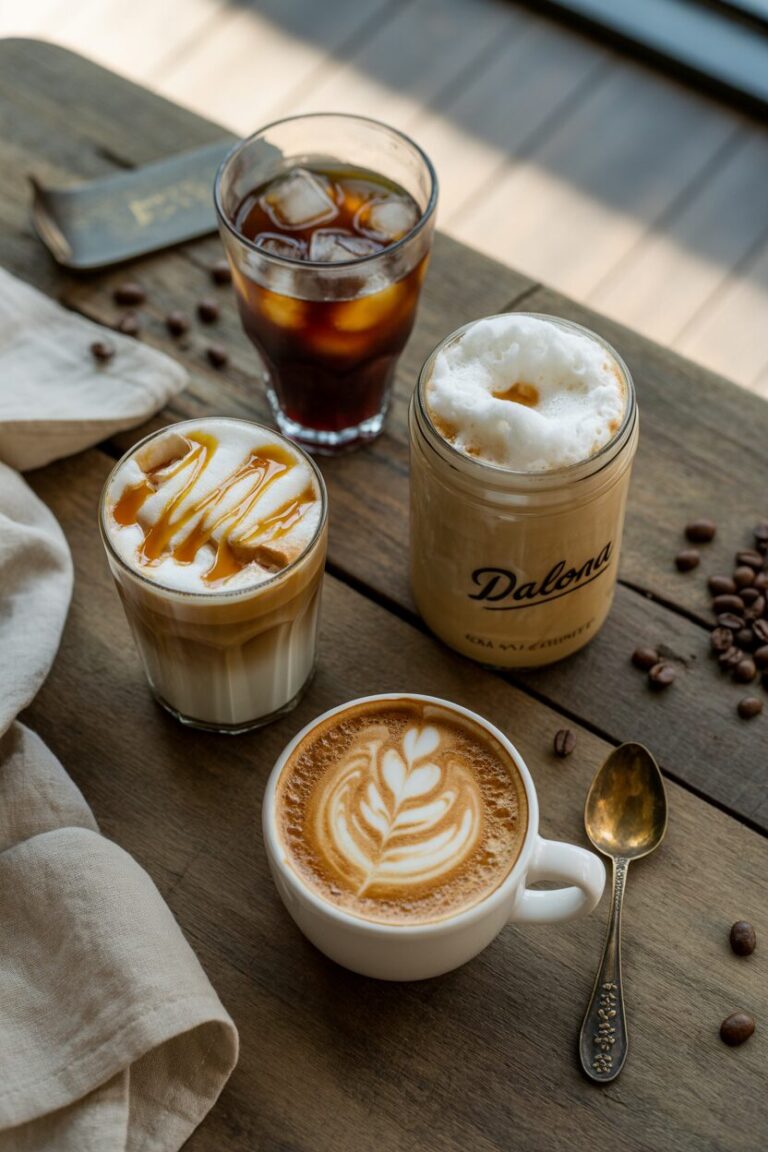
11. Whipped Coffee (Dalgona Style)
The viral whipped coffee works without sugar if you use sugar-free instant coffee and a bit of monk fruit sweetener for structure. It’s not technically sugar, so it counts. The texture is just as fluffy and Instagram-worthy.
Get Full Recipe12. Mint Chocolate Chip Coffee
Peppermint extract, cacao nibs, and unsweetened coconut milk. It tastes like dessert but fits perfectly into a sugar-free lifestyle. I keep cacao nibs on hand for that chocolate crunch without the sugar.
Get Full Recipe13. Pumpkin Spice Coffee (Year-Round)
Real pumpkin puree plus pumpkin pie spice blend creates autumn vibes without the sugar overload of coffee shop versions. The pumpkin adds body and subtle natural sweetness. IMO, this beats Starbucks any day.
Get Full Recipe14. Lavender Vanilla Iced Coffee
Culinary lavender is surprisingly sweet-tasting on its own. Steep it in your cold brew overnight with vanilla bean for this elegant, floral coffee that needs zero sweetener. Use food-grade lavender only—the garden variety isn’t meant for consumption.
Get Full Recipe15. Butter Coffee (Bulletproof Style)
Grass-fed butter and MCT oil blended into hot coffee creates this creamy, satisfying drink that keeps you full for hours. The healthy fats make it naturally sweet-tasting. Blend it with an immersion blender for that frothy café texture.
Get Full RecipeLooking for even more creative coffee inspiration? Try these creative coffee syrups to sweeten your morning—many can be made sugar-free with alternative sweeteners or flavor extracts.
The Secret Ingredients That Make Sugar Unnecessary
After making hundreds of sugar-free coffees, I’ve learned that certain ingredients just work magic. Here’s what actually makes a difference:
Full-fat dairy or nut milks: The fat content tricks your palate into perceiving sweetness. Skim milk in coffee? Sad and watery. Whole milk or coconut cream? Rich and naturally sweet-tasting. It’s not actually sweet, but your brain interprets that creamy mouthfeel as satisfaction.
Spices are your best friend: Cinnamon, nutmeg, cardamom, vanilla, and cocoa all have naturally sweet aromatic compounds. When you smell something sweet, your brain expects sweetness, and the coffee tastes sweeter than it actually is. Scent is like 80% of taste anyway.
Quality beans matter more than you think: Cheap coffee is bitter and harsh—that’s why people drown it in sugar. Good beans have natural sweetness from the fruit sugars that developed during growth. Colombian and Ethiopian coffees tend to have fruity, sweet notes. Brazilian coffee often has chocolate and nut flavors. Once you taste the difference, going back to mediocre beans is impossible.
Temperature affects flavor perception: Hot coffee tastes more bitter, cold coffee tastes sweeter. That’s why cold brew is easier to drink unsweetened. The cold temperature suppresses bitter compounds while highlighting the natural sugars. If you’re struggling with hot coffee, try lukewarm first—it’s a good middle ground.
Kitchen Tools That Make Sugar-Free Coffee Easier
Electric Milk Frother
Creates café-quality foam at home. The texture and mouthfeel make sugar feel completely unnecessary. Plus, that foam art makes you feel fancy every morning.
Cold Brew Coffee Maker
Makes smooth, naturally sweet cold brew that’s perfect for sugar-free drinking. Steep overnight and have coffee ready for the entire week.
Burr Coffee Grinder
Fresh-ground beans release more aromatic oils and flavors. When your coffee tastes this good, adding sugar just ruins it. Worth every penny.
Glass Storage Bottles
Perfect for meal-prepping cold brew or iced coffee. Make a big batch Sunday night, grab one each morning. Game changer for busy weeks.
Flavor Extract Set
Vanilla, almond, hazelnut, peppermint, and more. One or two drops completely transforms your coffee without adding calories or sugar. A little goes a long way.
Insulated Travel Mug
Keeps your sugar-free creation hot (or cold) for hours. No more sad lukewarm coffee halfway through your commute. The vacuum seal makes a huge difference.
By the way, if you’re just getting started with making coffee at home, these coffee drinks to try if you’re new to brewing are beginner-friendly and easily adaptable to sugar-free versions.
What About Alternative Sweeteners?
Okay, real talk. This article is about sugar-free coffee, and technically some alternative sweeteners are sugar-free. Monk fruit, stevia, erythritol—they won’t spike your blood sugar and have zero calories. Are they “cheating” on the sugar-free lifestyle?
Honestly, that’s your call. I use monk fruit occasionally when I’m making something for guests who aren’t used to unsweetened coffee. But for myself? I prefer to go completely unsweetened because it’s trained my palate to appreciate natural flavors. Every time you use artificial sweeteners, you’re reinforcing that expectation of sweetness.
That said, if stevia helps you ditch actual sugar, that’s still a massive win for your health. Don’t let perfect be the enemy of good. According to research published on Healthline, the cardiovascular benefits of coffee are most pronounced when it’s consumed without significant amounts of sugar or fat. Even a small reduction helps.
If you absolutely need sweetness at first, try the “fade-out” method. Start with your preferred alternative sweetener, then reduce the amount by 25% each week. By week four, you’ll be drinking it totally unsweetened without feeling deprived.
For those who want variety without adding sugar, check out these vegan coffee creamer recipes you can make at home. Unsweetened versions add richness without the sugar crash.
Pairing Your Sugar-Free Coffee with Food
One thing I learned is that what you eat with your coffee dramatically affects how sweet it needs to be. A sugary pastry makes your unsweetened coffee taste bitter by comparison. But pair that same coffee with a handful of almonds or a piece of dark chocolate? Suddenly it tastes perfectly balanced.
The fat and protein from nuts complement coffee’s natural flavors instead of competing with them. Dark chocolate (85% cacao or higher) has minimal sugar but tons of flavor that plays well with coffee’s bitterness. Cheese also works surprisingly well—the umami and fat make coffee taste richer.
FYI, I’ve got a whole system for coffee pairings that actually enhances both the food and the drink. These coffee pairings with breakfast foods are designed to bring out the best in your morning brew, sugar-free or otherwise.
And if you’re feeling adventurous, try these unexpected tea and savory food pairings—the same principles apply to coffee. Savory foods can make unsweetened coffee taste sweeter through contrast.
“I’ve been making the cinnamon spice cold brew every Sunday for the past three months. My coworkers are always asking what coffee shop I go to, and they’re shocked when I tell them I make it at home. Zero sugar, maximum flavor.”
The Metabolism Boost You Didn’t Know You Needed
Here’s something most people don’t realize: coffee itself is a metabolic booster, but sugar cancels out many of those benefits. The caffeine and chlorogenic acid in coffee help your body burn fat more efficiently, but when you add sugar, you’re spiking insulin, which tells your body to store fat instead of burning it.
It’s like stepping on the gas and brake at the same time. The National Institutes of Health research indicates that coffee’s polyphenols can enhance metabolic function and improve insulin sensitivity—but only when consumed without added sugars that spike blood glucose.
When I cut sugar from my coffee, the first thing I noticed was sustained energy. No more crash at 10:30 AM that had me reaching for another cup and a snack. The energy was steady and clean, lasting me until lunch without that jittery, anxious feeling.
For more on how coffee affects your metabolism, these coffee recipes to boost metabolism naturally dive deep into the science while giving you practical recipes. Spoiler: they’re all sugar-free friendly.
Frequently Asked Questions
How long does it take to get used to coffee without sugar?
Most people adapt within 7-14 days. The first few days are the toughest as your taste buds recalibrate. By day 10, you’ll start noticing flavors you never tasted before. By day 21, sugary coffee will actually taste too sweet and artificial. Your palate genuinely changes—it’s not just willpower.
Does the type of coffee bean matter for sugar-free drinking?
Absolutely. Arabica beans tend to have more natural sweetness and complex flavor profiles compared to Robusta beans, which are more bitter and harsh. Light to medium roasts preserve more of the bean’s natural fruit sugars and aromatic compounds. Dark roasts can be bitter and harder to drink unsweetened unless you really love that bold, roasted flavor.
Can I still drink coffee sugar-free if I have a sweet tooth?
Definitely. Start with naturally sweet additions like cinnamon, vanilla extract, or unsweetened almond milk. The coconut cream iced coffee and chocolate hazelnut recipes in this article are sweet-tasting without actual sugar. You can also use a small amount of monk fruit or stevia initially and gradually reduce it over time.
Will sugar-free coffee help with weight loss?
It can support weight loss by eliminating empty calories and preventing blood sugar spikes that trigger cravings. If you typically drink 2-3 coffees per day with sugar, that’s 100-150 calories you’re cutting automatically. Over time, that adds up. Plus, the steady energy from unsweetened coffee can reduce snacking between meals.
What’s the best milk alternative for sugar-free coffee?
Unsweetened almond milk is my top pick—it’s naturally slightly sweet and low in calories. Oat milk is creamier but has more carbs. Coconut milk (canned, full-fat) is incredibly rich and satisfying. Cashew milk is smooth and neutral. Just make sure to buy unsweetened versions—many commercial nut milks have added sugars.
Final Thoughts: Sugar-Free Coffee Is Actually Better
I won’t lie and say the transition was instant or effortless. Those first few days of drinking coffee without sugar were tough. My brain kept expecting that sweet hit and felt cheated when it didn’t come. But I stuck with it because I was tired of the energy crashes and wanted to see if all the health claims were real.
Three years later, I genuinely prefer my coffee this way. The flavors are cleaner, more complex, and more interesting. I can taste the difference between Colombian and Ethiopian beans now—something that was completely lost on me when I was dumping sugar in everything. My energy is steadier throughout the day, and I’ve actually saved money by not buying expensive flavored syrups and fancy coffee shop drinks.
The recipes in this article are what got me through that transition and what I still make regularly. Some days I want simple—just black coffee with a dash of cinnamon. Other days I’m blending up a mocha protein shake or making that whipped coffee for Instagram. The variety keeps it interesting, and none of it requires sugar.
If you’re even slightly curious about cutting sugar from your coffee, just try it for two weeks. Not forever, not as some permanent lifestyle change—just two weeks. Pick three recipes from this list and rotate through them. Give your taste buds time to adjust. See how you feel, how your energy changes, whether that afternoon slump gets better.
Worst case scenario? You decide sugar-free isn’t for you and go back to your usual routine. Best case? You discover that coffee tastes better without it, you feel better without it, and you wonder why you didn’t make this change years ago. Either way, you’ll know instead of wonder.
Now go make yourself something delicious. Your coffee doesn’t need sugar to be amazing—it just needs you to give it a real chance.