
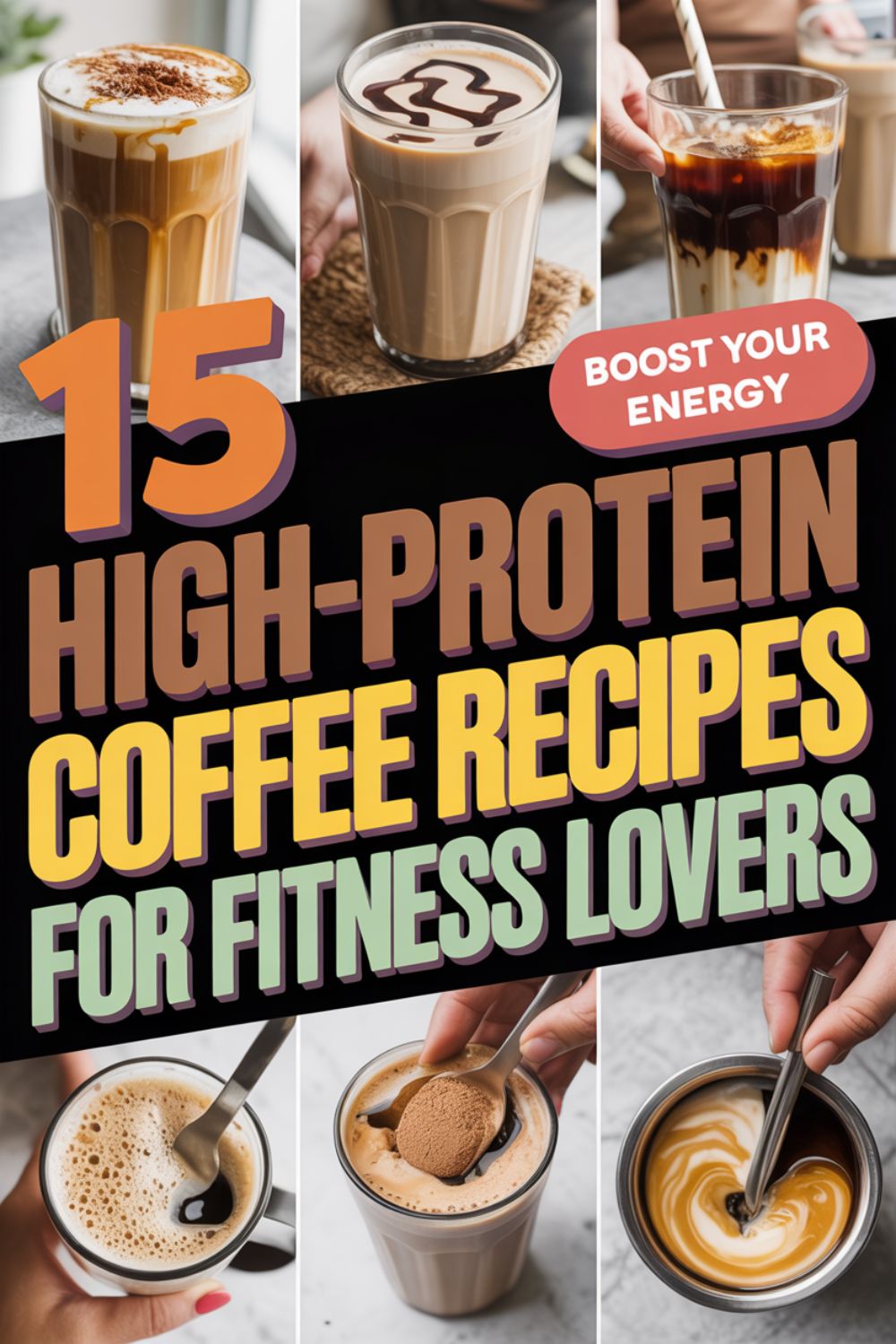
15 High-Protein Coffee Recipes for Fitness Lovers
Look, I’m not gonna sugarcoat it—plain black coffee isn’t cutting it anymore when you’re trying to build muscle and crush your fitness goals. You need fuel, you need protein, and honestly, you need something that doesn’t taste like sadness at 5 AM.
After years of chugging protein shakes that tasted like chalk mixed with regret, I finally figured out how to combine my two loves: coffee and gains. These high-protein coffee recipes aren’t just some trendy Instagram nonsense—they’re legit drinks that pack serious nutritional punch while actually tasting good.
Whether you’re rushing to the gym before work or recovering from a brutal leg day, these recipes deliver anywhere from 15 to 35 grams of protein per serving. No weird aftertaste, no sketchy ingredients, just real coffee elevated with protein-rich additions that’ll keep you full and fueled for hours.
Why Protein in Your Coffee Actually Makes Sense
Here’s the deal—most people slam a cup of coffee on an empty stomach, get a caffeine rush, then crash hard an hour later. Sound familiar?
Adding protein to your morning brew completely changes this equation. Protein has a higher thermic effect than carbs or fats, meaning your body actually burns more calories just digesting it. According to research from the International Society of Sports Nutrition, consuming 1.4 to 2.0 grams of protein per kilogram of body weight daily is optimal for anyone training regularly.
But beyond the science stuff, protein coffee just works. It stabilizes your blood sugar, keeps hunger at bay for hours, and gives you sustained energy instead of that jittery crash. Plus, coffee itself has serious health benefits—we’re talking reduced risk of type 2 diabetes, improved heart health, and better athletic performance.
The Classic Vanilla Protein Latte
This is my go-to recipe when I need something simple but effective. Mix one scoop of vanilla whey protein with a shot of espresso and unsweetened almond milk, and you’ve got yourself a 25-gram protein breakfast that actually tastes like a fancy coffee shop drink.
I use this protein powder because it dissolves smoothly without that grainy texture, and this milk frother creates café-quality foam in about 30 seconds. Game changer for morning routines.
Mocha Protein Power Coffee
Chocolate and coffee together? Yeah, that’s not exactly groundbreaking. But when you add chocolate protein powder, cocoa powder, and a splash of coconut milk, you get this ridiculously good mocha that packs 30 grams of protein.
The secret is using both protein powder AND raw cocoa—the combination creates depth that single-ingredient recipes just can’t match. I blend mine in this compact blender that fits right under my kitchen cabinet and doesn’t wake up the entire neighborhood at 5:30 AM.
Speaking of breakfast ideas, you might also love these coffee smoothies for breakfast or check out healthy coffee recipes with nut milks for more morning inspiration.
Iced Cinnamon Roll Protein Coffee
This one tastes like dessert but works as a pre-workout drink. Seriously. The cinnamon not only adds flavor—it actually helps regulate blood sugar levels and can improve insulin sensitivity according to multiple studies.
Blend cold brew with vanilla protein powder, cinnamon, a dash of maple syrup, and ice. The result? A drink that reminds you of those cinnamon rolls from the mall, except this one has 22 grams of protein and won’t make you crash mid-workout.
For the cold brew base, I prep a batch every Sunday using this cold brew maker. Set it up before bed, strain it in the morning, and you’ve got concentrate for the whole week.
Peanut Butter Cup Protein Coffee
Look, if you’re not putting peanut butter in your coffee, you’re missing out on one of life’s simple pleasures. This recipe combines chocolate protein powder, natural peanut butter, and strong black coffee into something that tastes suspiciously like a Reese’s cup.
The fat from the peanut butter slows down caffeine absorption, giving you energy that lasts without the jitters. Plus, you’re getting an extra 8 grams of protein just from two tablespoons of PB. IMO, almond butter works great too if peanuts aren’t your thing.
I keep this powdered peanut butter on hand for when I want the flavor without all the calories—mixes way better than regular PB and you can adjust the consistency however you want.
Caramel Macchiato Protein Powerhouse
That Starbucks caramel macchiato you love? This is the grown-up fitness version. Salted caramel protein powder, espresso, steamed milk, and a drizzle of sugar-free caramel sauce create this layered beauty that looks fancy but takes about three minutes to make.
The salted caramel flavor is key here—it cuts through the coffee’s bitterness without needing actual sugar. You’re looking at 28 grams of protein and way less regret than the coffee shop version that’s loaded with 40+ grams of sugar.
For more ways to satisfy your coffee cravings without the coffee shop prices, try these iced coffee drinks better than Starbucks.
Greek Yogurt Protein Frappé
This one’s a bit different—instead of protein powder, we’re using Greek yogurt as the protein source. One cup of Greek yogurt packs about 20 grams of protein, and when you blend it with cold brew, ice, and vanilla extract, you get this creamy frappé that’s basically a dessert disguised as fitness fuel.
The yogurt creates this thick, almost ice cream-like texture that protein powder alone just can’t achieve. Fair warning though—this needs a decent blender. I learned this the hard way when my old one couldn’t handle the ice and just… gave up.
Kitchen Tools That Make Protein Coffee Life Easier
After making literally hundreds of protein coffees, these are the tools I actually use every single day:
Worth every penny for smooth, lump-free protein drinks
Creates café-quality foam in 30 seconds flat
Keeps drinks cold for 8+ hours, perfect for gym sessions
50+ tested recipes with full macros breakdown
Track your protein intake and customize recipes
Learn to batch-prep protein coffee ingredients weekly
Maple Pecan Protein Coffee
Fall in a cup, but make it gains. This seasonal favorite combines vanilla protein powder, real maple syrup, pecans, and a hint of nutmeg. The pecans add healthy fats and extra protein (about 3 grams per ounce), making this a well-rounded macro bomb.
I toast the pecans first in this small toaster oven—brings out their natural oils and creates this amazing nutty flavor that elevates the whole drink. Just watch them closely because burnt pecans will ruin your morning faster than a dead phone battery.
Mint Chocolate Chip Protein Coffee
This refreshing recipe is perfect for those days when regular coffee sounds boring but you still need your caffeine fix. Chocolate protein powder, peppermint extract, and dark chocolate chips create this grown-up version of everyone’s favorite ice cream flavor.
The peppermint actually helps with digestion and can reduce bloating—pretty useful when you’re trying to look good at the gym. Just go easy on the extract because too much will make it taste like toothpaste, and nobody wants that at 6 AM.
If you’re vibing with these flavor combinations, definitely explore coffee latte recipes you can make without a machine for even more options.
Coconut Cream Pie Protein Coffee
Coconut milk, vanilla protein powder, coconut extract, and a sprinkle of toasted coconut flakes make this tropical-inspired drink that somehow works year-round. The coconut milk provides MCT fats that get converted to energy quickly—your body basically uses them as fuel instead of storing them.
I use this full-fat coconut milk because the light versions just don’t create the same creamy texture. Plus, the fat content helps with satiety, so you’re not ravenous an hour after drinking this.
Espresso Protein Shot
Not everyone wants a full 16-ounce drink. Sometimes you just need a quick protein hit before sprinting out the door. This concentrated shot mixes one scoop of unflavored protein powder with a double shot of espresso and a splash of heavy cream.
It’s intense, it’s quick, and it delivers 20 grams of protein in about 4 ounces of liquid. I keep these shot glasses specifically for this recipe—the small serving size makes it easy to down quickly without feeling like you’re chugging a milkshake.
Cookies and Cream Protein Coffee
Crushed protein cookies, vanilla protein powder, and cold brew create this indulgent drink that tastes like you’re cheating on your diet (spoiler: you’re not). The cookie pieces add texture and extra protein while making you feel like you’re having dessert for breakfast.
The best part? You can use protein cookies you’d normally snack on anyway. Just crush them up with this food processor and you’ve got an instant upgrade to your morning routine.
Chai Spice Protein Latte
Coffee purists might object, but mixing chai spices into protein coffee creates this warm, comforting drink that’s perfect for those mornings when you can’t decide between coffee or tea. Cinnamon, cardamom, ginger, and cloves bring anti-inflammatory properties while the protein keeps you satisfied.
I make a big batch of the spice blend using these spice jars so I can just scoop what I need each morning. Way easier than measuring out individual spices when you’re half asleep.
For a different take on spiced drinks, check out these coffee drinks to warm your winter mornings or try coffee recipes for cozy fall mornings.
Banana Bread Protein Coffee
Real banana, vanilla protein powder, cinnamon, nutmeg, and a touch of vanilla extract transform your regular coffee into liquid banana bread. The actual banana adds natural sweetness, potassium for muscle recovery, and about 1.5 grams of protein.
FYI, frozen banana works even better than fresh—it creates a thicker, almost milkshake-like consistency that makes this drink feel way more decadent than it actually is. Plus, frozen bananas are perfect for using up those overripe ones that are too brown for normal eating.
Almond Joy Protein Coffee
Chocolate protein powder, coconut milk, almond extract, and dark chocolate chips recreate that iconic candy bar flavor without the sugar crash. Almonds bring healthy fats, fiber, and extra protein to round out the macros.
I top mine with these cacao nibs for extra crunch and antioxidants. They’re basically unsweetened chocolate chips that add texture without any added sugar—perfect for keeping this drink fitness-friendly.
Tiramisu Protein Coffee
The last recipe, and honestly one of my favorites. Espresso, vanilla protein powder, mascarpone cheese, and a dusting of cocoa powder create this Italian-inspired drink that tastes way fancier than the effort required.
The mascarpone adds richness and extra protein (about 5 grams per ounce), making this feel like a proper indulgence. Just don’t tell anyone how easy it is to make or they’ll expect it every morning.
Making Protein Coffee Work for Your Fitness Goals
Here’s something nobody talks about—timing matters. According to research from the International Society of Sports Nutrition, protein consumption around your workout window can enhance muscle protein synthesis and recovery.
That said, don’t stress too much about the exact timing. The total amount of protein you consume throughout the day matters more than whether you drank your protein coffee exactly 30 minutes post-workout or 45 minutes.
What really matters is consistency. If having a high-protein coffee every morning means you’re hitting your protein targets without feeling like you’re force-feeding yourself chicken breast at 6 AM, then you’ve found your solution.
Common Protein Coffee Mistakes to Avoid
After making basically every possible error with protein coffee, here’s what NOT to do:
Don’t add protein powder to boiling hot coffee. I mentioned this before but it bears repeating—high heat denatures the protein and creates these nasty clumps that no amount of stirring will fix. Let your coffee cool to warm or use it cold.
Don’t skip the fat. A little heavy cream, coconut milk, or nut butter makes your protein coffee more satiating and helps slow down caffeine absorption. Plus, it tastes way better than watery protein coffee.
Don’t use cheap protein powder. The difference between quality protein and bargain-bin stuff is massive. Bad protein powder won’t dissolve properly, tastes artificial, and often contains fillers you don’t need. Worth spending extra on brands that actually taste good.
Don’t make it too complicated. Some mornings you need that 15-ingredient recipe with homemade syrup and artisan coffee beans. Other mornings, protein powder plus coffee is perfect. Don’t let perfection stop you from getting your protein in.
Want more quick morning solutions? These quick coffee drinks with 3 ingredients or less might save your mornings, or try coffee drinks you can make in under 5 minutes when you’re really pressed for time.
Customizing Recipes for Dietary Needs
Every single one of these recipes can be modified for different dietary preferences without sacrificing taste or protein content.
Dairy-Free: Swap regular milk for almond, oat, or coconut milk. Use plant-based protein powder instead of whey. The vegan protein powders have come a long way—they actually taste good now.
Low-Carb/Keto: Use unsweetened almond milk, heavy cream, and MCT oil. Skip the maple syrup and fruit, use stevia or monk fruit instead. Collagen protein works great for keto protein coffee.
Sugar-Free: Most recipes work perfectly with sugar-free syrups and natural sweeteners. I use these sugar-free coffee syrups that taste surprisingly close to the real thing without the blood sugar spike.
Lactose-Intolerant: Lactose-free protein powder exists and works exactly like regular whey. Or go with egg white protein or plant-based options. Your gut will thank you.
For more alternatives, explore vegan coffee creamer recipes or recipes with nut milks and natural sweeteners.
Protein Coffee vs. Traditional Protein Shakes
Let’s settle this debate real quick. Protein coffee isn’t meant to replace your post-workout shake—it’s meant to make your morning coffee actually work for your fitness goals instead of just being empty caffeine.
Traditional protein shakes might pack more protein (30-50 grams depending on the recipe), but protein coffee serves a different purpose. It’s about starting your day with sustained energy, keeping hunger under control, and getting quality protein without drinking what tastes like flavored chalk.
Plus, let’s be honest—coffee just hits different. That first sip in the morning is a ritual, a moment of peace before the chaos starts. Why not make it count nutritionally too?
If you’re looking for additional protein-packed breakfast ideas beyond coffee, check out these coffee pairings with breakfast foods for complete morning meals.
Frequently Asked Questions
Can I add protein powder to hot coffee without it clumping?
The key is temperature management. Let your coffee cool to warm (not hot) before adding protein powder, and always mix it in a separate container first rather than dumping it directly into your mug. Using a blender or frother helps too. Some protein powders are specifically formulated to mix better with heat—whey isolate generally performs better than concentrate in warm liquids.
How much protein should I aim for in my morning coffee?
Most fitness professionals recommend 20-30 grams of protein per meal for optimal muscle protein synthesis. Your morning protein coffee can easily hit this range with one scoop of quality protein powder (usually 20-25g) plus any additional protein from milk, yogurt, or nut butter you add. Don’t stress about hitting exact numbers—consistency over time matters more than perfection in a single drink.
Will protein coffee break my intermittent fast?
Yes, absolutely. Protein coffee contains calories and will trigger an insulin response, which technically breaks your fast. If you’re doing intermittent fasting, save the protein coffee for your eating window. However, black coffee with just caffeine is fine during fasting periods and can actually help suppress appetite.
What’s the best type of protein powder for coffee drinks?
Whey protein isolate dissolves smoothest and has the mildest flavor, making it ideal for coffee. Vanilla and unflavored varieties work best since they complement coffee’s natural taste without overpowering it. Plant-based proteins can work too, but tend to be grittier—pea protein and brown rice protein blends specifically formulated for beverages perform better than regular plant protein powders.
Can I make protein coffee ahead of time?
Cold protein coffee drinks store well in the fridge for up to 24 hours—just shake before drinking. Hot versions don’t hold up as well since the protein can separate and the texture changes. Your best bet for meal prep is making cold brew concentrate and pre-portioning dry ingredients (protein powder, spices, sweeteners) in containers so you just need to blend and go each morning.
Final Thoughts on High-Protein Coffee
Here’s the bottom line—protein coffee isn’t some magic bullet that’ll transform your physique overnight. But it is a genuinely useful tool for hitting your protein goals without feeling like you’re constantly choking down chicken and rice.
These 15 recipes give you options for every mood, every season, and every fitness goal. Some days you’ll want the indulgent tiramisu version. Other days, a simple espresso protein shot is all you need. That’s the beauty of having variety—you never get bored, which means you actually stick with it.
The fitness industry loves to overcomplicate things, but this doesn’t need to be complicated. Good coffee plus quality protein equals a breakfast that supports your goals and tastes good. That’s it. No weird supplements, no meal replacement shakes that taste like cardboard, just real ingredients that work.
Start with one or two recipes that sound appealing, dial in your ratios until they taste right to you, then expand from there. Before you know it, you’ll be that person who actually looks forward to 5 AM because you’ve got something delicious waiting in your kitchen.
And honestly? That’s worth way more than any gym membership.