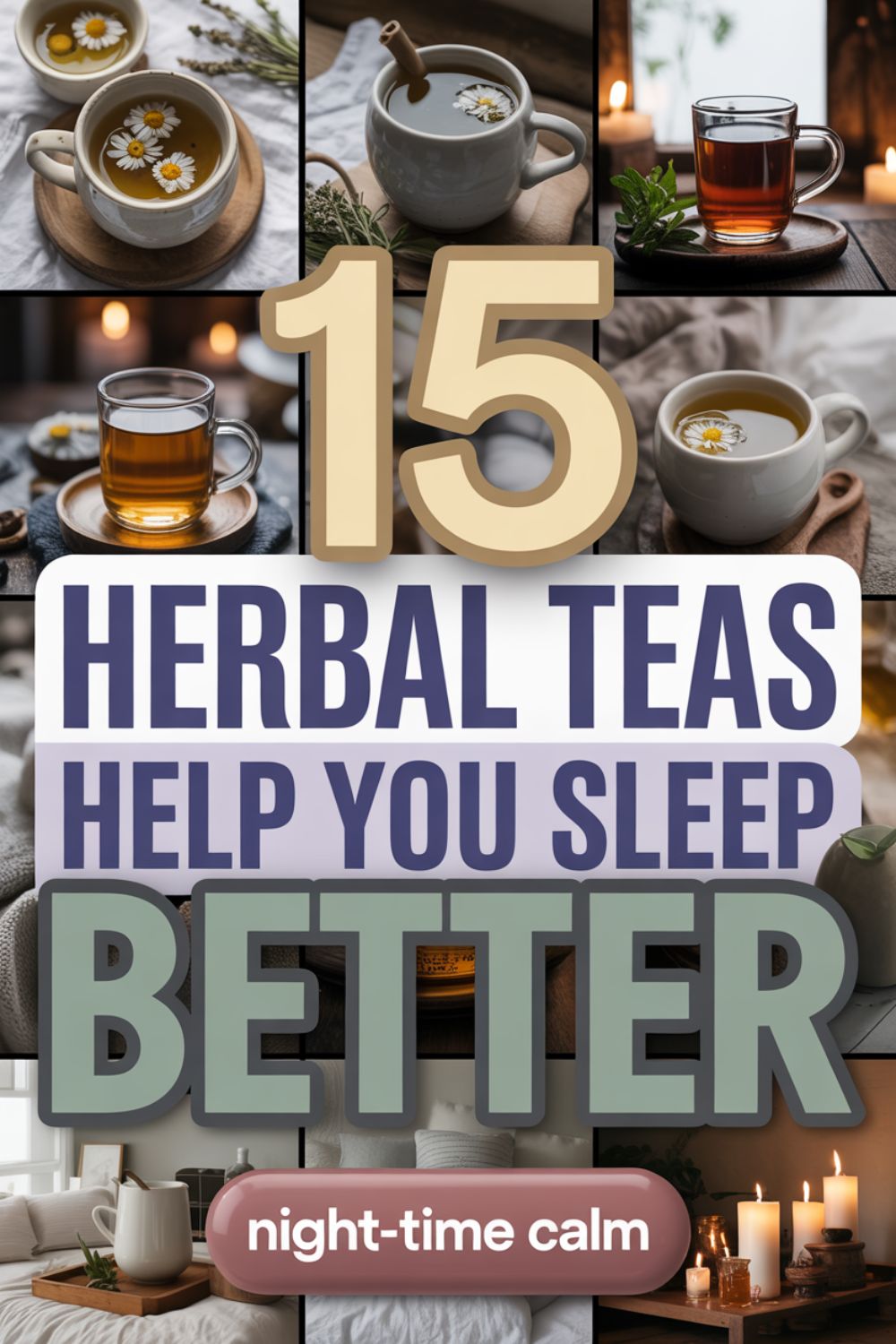
15 Herbal Teas That Help You Sleep Better
Herbal teas have been helping people drift off to dreamland for literally thousands of years, and honestly? They’re one of the few things our ancestors got completely right. No fancy sleep trackers, no complicated routines—just hot water, dried plants, and the kind of relaxation that makes you wonder why you ever thought scrolling through your phone at midnight was a good idea.
I’ve tried pretty much every sleep hack under the sun, from meditation apps that made me more anxious to those sleep masks that cost more than my monthly coffee budget. But there’s something beautifully simple about brewing a cup of tea before bed. It’s a ritual that actually signals to your brain, “Hey, it’s time to chill out now.” Plus, research shows that certain herbal teas can genuinely improve sleep quality by interacting with neurotransmitters in your brain.
Why Your Body Actually Loves Herbal Tea Before Bed
Before we dive into the specific teas (see what I did there?), let’s talk about why this actually works. It’s not just placebo effect or some wellness influencer nonsense. According to Cleveland Clinic, many herbal teas contain compounds that interact with GABA receptors in your brain—the same neurotransmitters that help reduce anxiety and promote calmness.
But here’s the thing that really sold me: it’s not just about the chemical compounds in the tea itself. The whole ritual of making tea, holding a warm mug, and taking those slow sips forces you to slow down. You can’t exactly chug chamomile tea while checking emails and doom-scrolling through social media. Well, you could, but that kind of defeats the purpose, doesn’t it?
The warmth of the tea also does something magical to your body temperature regulation. Your core temperature naturally drops as you prepare for sleep, and drinking something warm can actually help facilitate that process. It’s like giving your body a little nudge in the right direction instead of fighting against it.
The 15 Best Herbal Teas for Sleep (That Actually Work)
1. Chamomile Tea – The OG Sleep Tea
If herbal sleep teas had a hall of fame, chamomile would be the first inductee. This isn’t just grandma’s favorite tea—it’s backed by actual science. Research indicates that chamomile contains apigenin, an antioxidant that binds to specific receptors in your brain that promote drowsiness and reduce anxiety.
The first time I tried chamomile, I’ll admit I was skeptical. It tastes kind of like drinking flowers, which sounds weird but is actually pretty pleasant. Within about thirty minutes, I noticed this gentle wave of calm washing over me—not the knocked-out feeling you get from sleep medication, but more like my brain finally got the memo that it was okay to relax.
I usually steep mine in water that’s just below boiling using this glass teapot that lets me watch the flowers unfurl. There’s something oddly satisfying about it. If you’re new to chamomile, start with one teaspoon of dried flowers per cup and adjust from there. Some people find it a bit too subtle, so don’t be afraid to make it stronger.
2. Valerian Root Tea – The Heavy Hitter
Okay, let’s be real—valerian root tea smells like dirty socks. There, I said it. But if you can get past the aroma (and honestly, you get used to it), this stuff is incredibly effective for sleep. Valerian root has been used for centuries to treat insomnia, and modern studies suggest it can help you fall asleep faster and improve overall sleep quality.
The active compounds in valerian root increase GABA levels in your brain, which basically tells your nervous system to chill out. I reserve this one for nights when I’m particularly wired or stressed. It’s like the difference between a gentle suggestion to sleep and a firm but friendly insistence.
Pro tip: Mix valerian with peppermint or lemon balm to make the taste more bearable. I use these mesh tea infusers so I can combine different herbs without making a mess. Just remember, valerian can interact with some medications, so check with your doctor first if you’re on anything.
3. Lavender Tea – Not Just for Soap
Most people know lavender as that thing in fancy soaps and candles, but drinking it as tea? Game changer. The FDA actually classifies lavender as “generally recognized as safe,” and studies have shown that lavender tea can significantly improve sleep quality, especially for postpartum women (though you don’t need to have had a baby to enjoy the benefits, obviously).
The taste is floral without being overpowering—kind of like if a spring garden decided to become a beverage. I started drinking lavender tea when I was going through a particularly stressful work period, and it became my signal to my brain that the workday was officially over. Looking for more calming beverages? Check out these tea recipes to make you feel calm and focused.
Important note: Make sure you’re buying culinary-grade lavender, not the stuff meant for sachets. I learned this the hard way when I tried to brew tea with the lavender from my craft drawer. Not recommended.
4. Passionflower Tea – The Anxiety Crusher
If anxiety is what’s keeping you up at night (and let’s be honest, whose anxiety isn’t?), passionflower tea might be your new best friend. This Central and South American plant has been used in traditional medicine for ages, and recent research suggests it can reduce anxiety and improve sleep quality.
The flavor is mildly grassy with a subtle sweetness. It’s not going to win any awards for most exciting taste, but it’s perfectly pleasant, especially if you add a tiny drizzle of honey. I keep this raw honey on my nightstand specifically for my evening teas—local honey also helps with allergies, so it’s a win-win.
Passionflower works by increasing GABA in the brain (seeing a pattern here?), which helps quiet that mental chatter that keeps you analyzing every decision you made that day. You know, the usual 2 AM thoughts like “Why did I say that thing in 2012?”
5. Lemon Balm Tea – The Mood Booster
Lemon balm, also called Melissa, is part of the mint family and has this lovely citrusy flavor that makes you feel like you’re drinking sunshine. Herbalists have been using it to treat depression and anxiety for centuries, and its mood-boosting properties make it perfect for bedtime.
What I love about lemon balm is that it’s gentle enough for every night but effective enough that you actually notice a difference. It helps reduce cortisol levels (that’s your stress hormone), which is particularly helpful if you’re the type of person whose brain decides bedtime is the perfect moment to remember every embarrassing thing you’ve ever done.
I grow my own lemon balm in the summer and dry it for winter use. If you want to try this, this herb drying rack makes the process super easy. Just hang the stems upside down in a dry, dark place for a couple weeks, and boom—free tea for months.
6. Peppermint Tea – The Digestive Helper
Okay, so peppermint tea isn’t technically a sedative, but hear me out. If you’re one of those people who can’t sleep because of an upset stomach or indigestion (especially after eating dinner too late), peppermint tea is your answer. It relaxes the muscles in your digestive tract and can help relieve that uncomfortable bloated feeling that keeps you awake.
The cooling sensation of peppermint is also just really soothing. I like to drink it while doing some light stretching before bed—nothing intense, just enough to work out the kinks from sitting at a desk all day. If you’re into pairing your evening rituals, you might enjoy these tea and biscuit pairings for a more substantial evening treat.
Fair warning though: if you have acid reflux or GERD, peppermint might make it worse. It can relax the valve between your stomach and esophagus, which isn’t ideal if you’re prone to heartburn. Know your body, people.
7. Rooibos Tea – The Caffeine-Free Alternative
Sometimes you just want the comfort of a rich, full-bodied tea without the caffeine keeping you wired until dawn. Enter rooibos, which only grows in South Africa’s Cederberg region and tastes remarkably similar to black tea minus the stimulants.
While rooibos hasn’t been specifically studied for sleep benefits, it’s packed with antioxidants and has a naturally sweet, slightly nutty flavor that’s incredibly comforting. I drink this when I want something more substantial than floral herbal teas but don’t want to sabotage my sleep.
The reddish color is gorgeous too—very aesthetic if you’re into that Instagram tea photo thing. I brew mine in this double-walled glass mug that keeps it hot forever and looks fancy enough that drinking tea feels like a proper evening ritual.
8. Magnolia Bark Tea – The Traditional Chinese Secret
Magnolia bark has been used in traditional Chinese medicine for thousands of years, and the main compound, honokiol, has been shown to reduce the time it takes to fall asleep by binding to GABA receptors. It’s less common in Western stores, but you can usually find it at specialty tea shops or online.
The taste is woody and slightly bitter—not everyone’s cup of tea (pun absolutely intended). I mix it with a bit of cinnamon and honey to make it more palatable. Speaking of cinnamon, it actually has relaxing properties too, which is why you’ll find it in many sleep tea blends.
One thing to note: some research suggests magnolia bark might increase nighttime wakefulness slightly, but you fall back asleep faster. Your mileage may vary, so maybe don’t try this for the first time before a big presentation.
9. Low-Caffeine Green Tea – For the Tea Purists
I know what you’re thinking: green tea for sleep? Isn’t that backwards? But here’s the deal—low-caffeine green tea contains L-theanine, an amino acid that promotes calmness and reduces stress without making you drowsy. It’s like getting your brain to relax without knocking yourself out.
The key here is “low-caffeine.” Regular green tea will absolutely keep you up, so make sure you’re buying specifically decaffeinated or naturally low-caffeine varieties. The L-theanine works by increasing alpha wave activity in your brain, which is associated with that relaxed-but-alert state you get during meditation (or so I’m told—my meditation practice is spotty at best).
I steep mine at a lower temperature (around 160-170°F) using this electric kettle with temperature control because overheating green tea makes it taste like bitter grass clippings. Three minutes is usually perfect—any longer and you’re in for a bad time.
10. Ashwagandha Tea – The Adaptogenic Powerhouse
Ashwagandha is an adaptogen, which means it helps your body manage stress more effectively. It’s been used in Ayurvedic medicine forever, and modern research suggests it can lower cortisol levels and improve sleep quality in people dealing with stress and anxiety.
The taste is… earthy. Let’s call it earthy. Some people describe it as having a slight horseradish-like quality, which sounds worse than it is. I promise you can make it taste good by combining it with this organic cocoa powder and some almond milk for a kind of bedtime hot chocolate situation.
Start with small amounts because ashwagandha is potent. I use about half a teaspoon mixed with other herbs when I’m making my evening tea blend. It’s particularly helpful during those periods when work stress is through the roof and your brain refuses to shut off.
11. Holy Basil (Tulsi) Tea – The Stress Reliever
Holy basil, or tulsi, is another adaptogen that’s different from the basil you put on pizza (please don’t make tea out of pizza basil). It has this peppery, slightly clove-like flavor that grows on you. Like, the first time I tried it, I was confused. The tenth time? Obsessed.
Tulsi helps regulate cortisol levels and supports your body’s stress response, which indirectly improves sleep by helping you actually relax. It’s not going to knock you out, but it creates this gentle sense of calm that makes falling asleep easier.
I keep this tulsi tea blend stocked in my pantry year-round. It’s one of those teas that works well any time of day, but drinking it before bed has become part of my wind-down routine. Plus, it’s supposed to be good for your immune system, so that’s a bonus.
12. Catnip Tea – Yes, Really
Before you judge, catnip tea has been used as a mild sedative for humans way longer than it’s been used to make cats lose their minds. It contains nepetalactone, which has calming properties for humans (opposite effect for cats, obviously).
The taste is minty and pleasant, kind of like a milder version of peppermint. It’s gentle enough that you could drink it every night without building up any tolerance, which is more than I can say for some sleep aids.
I grow catnip in my garden specifically for tea, and my cat goes absolutely bonkers when I’m harvesting it. If you’re going this route, make sure to keep the fresh plant away from your feline friends, or you’ll have a very excited cat zooming around at 2 AM—counterproductive for the whole sleep thing.
Sleep Tea Essentials That Actually Make a Difference
Look, you can technically make tea in any container with hot water, but having the right tools makes the whole experience better. Here’s what I actually use and recommend:
- Variable Temperature Electric Kettle – Because not all teas should be brewed at the same temperature, and guessing is annoying
- Glass Teapot with Infuser – Watching your tea steep is oddly meditative, plus you can actually see when it’s ready
- Airtight Tea Storage Containers – Keep your loose leaf teas fresh and organized (because drawer chaos is real)
- Tea Brewing Timer App – Takes the guesswork out of steeping times for different tea types
- Sleep Tracker Journal – Digital journal to track which teas work best for your sleep quality
- Herbal Tea Recipe E-Book – 100+ custom blend recipes for different sleep issues and taste preferences
13. Ginger Tea – The Warming Wonder
Ginger tea is another one that’s not specifically a sedative but creates the right conditions for sleep. It’s warming, settles your stomach, and has anti-inflammatory properties that can help with general comfort. If you’re someone who gets cold at night or has digestive issues, this could be your answer.
Fresh ginger makes the best tea, and you don’t need much—just slice up about an inch of fresh root and steep it for 10-15 minutes. I use this microplane grater to grate it directly into my tea for maximum flavor and fewer chunks to fish out later.
Fair warning: ginger tea is spicy. If you’re sensitive to that, start with less ginger and work your way up. I like mine strong enough to clear my sinuses, but that’s a personal preference. Adding honey and lemon makes it taste like a healthier version of ginger ale.
For more ideas on incorporating calming beverages into your routine, check out these coffee smoothies for morning energy—because good sleep starts with a good wake-up routine too.
14. Cinnamon Tea – The Blood Sugar Balancer
Cinnamon tea might seem like an odd choice for sleep, but here’s why it works: it helps regulate blood sugar levels, which can prevent those middle-of-the-night wake-ups caused by blood sugar crashes. Plus, the aroma alone is comforting enough to make you feel cozy.
I use Ceylon cinnamon sticks (not the cassia variety you find in most grocery stores) because it’s gentler and has a sweeter, more complex flavor. Just break up a stick and steep it for 15-20 minutes in hot water. The longer you steep it, the stronger it gets.
Cinnamon tea pairs really well with other sleep teas—I often combine it with chamomile or rooibos for a more complex flavor profile. It’s especially nice during fall and winter when you want something that feels seasonally appropriate.
15. Fennel Tea – The Underrated Option
Fennel tea is probably the most underrated sleep tea on this list. It has a subtle licorice-like flavor (if you hate licorice, you might want to skip this one), and it’s amazing for digestion. Like peppermint, it’s not directly sedating, but it creates better conditions for sleep by easing digestive discomfort.
Fennel seeds are also cheap and last forever. I keep a jar of them in my pantry and crush them slightly before steeping to release more flavor. One teaspoon per cup is usually perfect. If you’re feeling fancy, combine it with chamomile for what I call the “why did I eat dinner so late” rescue tea.
The other benefit of fennel is that it’s caffeine-free and safe for pretty much everyone, making it a good option if you’re pregnant or breastfeeding (though always check with your doctor first, because I’m not one and don’t want to give medical advice).
How to Actually Make This Work (Not Just Buy Tea and Forget About It)
Okay, real talk—buying tea is the easy part. Actually incorporating it into your routine is where most people fail. I’ve bought so many fancy tea blends that are still sitting unopened in my cabinet because I “forgot” or “didn’t have time.” Here’s what actually works:
Create a Consistent Schedule: Drink your tea at the same time every night. Your brain is basically a pattern-recognition machine, and it will start associating tea time with sleep time. I set a reminder on my phone for 9:30 PM, which gives me enough time to brew, drink, and do my whole nighttime routine before bed.
Make It Special: Don’t just throw a tea bag in a mug while scrolling through your phone. Actually make it a thing. Use your favorite mug (mine has cats on it, don’t judge), turn off screens, maybe light a candle if you’re into that. The whole point is signaling to your brain that this is different from the rest of your day.
Experiment With Blends: You don’t have to stick to one tea. Some nights I want something floral, other nights I need the heavy-duty sleep support. I keep about six different types on rotation and choose based on how wired I feel. If you’re interested in exploring different flavor combinations, these DIY tea blends are a great starting point.
Temperature Matters: Drinking something too hot will keep you up because you’re waiting for it to cool down. Too cold and you lose the soothing warmth factor. I aim for “hot but immediately drinkable” temperature, which my kettle hits at about 180°F for most herbal teas.
Speaking of brewing the perfect cup, I’ve found that investing in this tea thermometer takes all the guesswork out of water temperature. Different teas really do taste better at specific temperatures, and once you experience properly brewed tea, there’s no going back to the “boil water and hope for the best” method.
The Science-y Stuff (For Those Who Care)
If you’re the type who needs to know exactly why something works before you’ll try it, this section is for you. Research published in the PMC suggests that tea’s active compounds work through the brain-gut axis to regulate sleep, affecting neurotransmitters like GABA, serotonin, and acetylcholine.
Basically, these compounds tell your nervous system to calm down by reducing neuronal oxidative stress and promoting the kind of brain activity associated with relaxation. It’s not magic—it’s chemistry. But chemistry that tastes good and doesn’t have a laundry list of side effects, so that’s pretty cool.
The ritual aspect isn’t just psychological fluff either. Consistent bedtime routines have been shown to improve sleep quality by strengthening your circadian rhythm. When you do the same thing every night before bed, your brain starts preparing for sleep earlier in the process. It’s like giving yourself a head start on falling asleep.
For those curious about other natural ways to boost energy and manage your daily rhythm, these healthy coffee recipes to boost your metabolism can help you start your day right—because good sleep and good mornings go hand in hand.
Common Mistakes People Make (That I’ve Definitely Made)
Drinking Too Close to Bedtime: This seems counterintuitive, but drinking tea right before getting into bed means you’ll probably have to pee in the middle of the night. Give yourself at least 45 minutes to an hour.
Using Boiling Water on Delicate Herbs: Lavender and chamomile don’t need boiling water. In fact, water that’s too hot can destroy some of the beneficial compounds and make the tea taste bitter. Aim for about 200°F for most herbal teas.
Expecting Instant Results: This isn’t Ambien. Some people notice effects immediately, but for most of us, it takes a week or two of consistent use before you really notice the difference. Stick with it.
Buying Pre-Made Blends Without Reading Ingredients: Some “sleepy time” tea blends contain stuff you might not want, like added sugars or ingredients you’re allergic to. Always read the label, especially if you have any dietary restrictions or are taking medications.
Steeping Too Long: More steeping doesn’t equal better tea. It usually just equals bitter tea. Most herbal teas are perfect at 5-7 minutes. Set a timer if you’re forgetful like me.
Pairing Your Tea With Other Sleep Hygiene Practices
Tea isn’t a magic bullet (sorry to disappoint), but it’s an excellent part of a larger sleep hygiene strategy. Here’s what I do that actually makes a difference:
While my tea is steeping, I dim all the lights in my house. I’m talking every single light. Your brain produces melatonin in response to darkness, so why fight against biology? I use these amber bulbs in my bedroom that don’t interfere with melatonin production—game changer for actually feeling sleepy.
Phone goes on Do Not Disturb at the same time every night. If it’s really urgent, people will call twice. Everyone else can wait until morning. The world will not end if you don’t respond to that text about weekend plans at 10 PM. I keep my phone across the room while I drink my tea, which removes the temptation to “just quickly check” something.
I also do some light stretching or gentle yoga while sipping my tea. Nothing intense—just enough to release the physical tension from sitting all day. There are some great coffee and breakfast pairings for your morning routine, but evening is all about winding down, not ramping up.
Temperature control is huge. Your bedroom should be cool—like 65-68°F cool. I drink my warm tea, which slightly raises my body temperature, and then when I get into my cool bedroom, the temperature drop helps signal sleep. It’s the same principle as taking a warm bath before bed.
What About Blending Your Own Teas?
Once you figure out which individual teas work for you, making custom blends is where things get fun. I mix different herbs based on what I need that particular night. Stressed? Heavier on the valerian and passionflower. Just want something pleasant? More chamomile and lavender.
My go-to blend is two parts chamomile, one part lavender, one part lemon balm, and a pinch of dried rose petals (because why not make it pretty?). I mix up big batches in these glass storage jars and keep them labeled with the date and ingredients.
The best part about making your own blends is controlling the strength and flavor exactly how you like it. Commercial blends are fine, but they’re designed to appeal to the masses, not your specific preferences. Plus, it’s way cheaper in the long run to buy bulk herbs and mix your own.
If you’re interested in getting creative with beverages, check out these vegan coffee creamer recipes for your morning drinks—because being intentional about what you consume shouldn’t stop at bedtime.
When Tea Alone Isn’t Enough
I’m going to be straight with you: if you have serious insomnia or a diagnosed sleep disorder, tea probably won’t fix it completely. It can help, and it’s worth trying, but don’t avoid seeking professional help because you’re drinking chamomile.
Tea works best for mild sleep issues, stress-related sleeplessness, or as part of a comprehensive approach to better sleep. If you’re lying awake for hours every night or waking up exhausted no matter how much you sleep, talk to a doctor. There could be underlying issues like sleep apnea, hormonal imbalances, or other medical conditions that need addressing.
That said, even people with sleep disorders can benefit from better sleep hygiene, and the ritual of evening tea can be a helpful part of that. Just don’t expect it to cure everything on its own.
Also, if you’re on any medications, especially sedatives, antidepressants, or blood pressure medication, check with your doctor before adding herbal teas to your routine. Some herbs can interact with medications in ways you don’t want to discover at 3 AM.
Questions Everyone Asks About Sleep Teas
How long does it take for herbal tea to help with sleep?
It varies by person and tea type, but most people notice some effect within 30-60 minutes of drinking. For cumulative benefits like reduced anxiety and better overall sleep quality, give it at least a week of consistent nightly use. The ritual aspect often works faster than the chemical compounds—your brain starts associating tea time with sleep time pretty quickly.
Can I drink sleep tea every night, or will I build up a tolerance?
Most herbal sleep teas are safe for nightly use and won’t cause dependency or tolerance like some sleep medications. Chamomile, lavender, and lemon balm can be consumed indefinitely without issues. Valerian might be different—some people find it less effective with very long-term use, so you might want to cycle it with other options every few months.
Why does my herbal tea taste bitter or weak?
Water temperature and steeping time are usually the culprits. Boiling water can make delicate herbs taste bitter, while under-steeping makes them weak. Most herbal teas do best with water around 200°F steeped for 5-7 minutes. Also, check your tea’s freshness—herbs lose potency over time, especially if stored in light or heat.
Are there any side effects I should worry about?
Most herbal teas are very safe, but some people experience mild side effects. Valerian can cause headaches or digestive upset in some people. Peppermint can worsen acid reflux. Chamomile is part of the ragweed family, so skip it if you have those allergies. Always start with small amounts when trying something new, and consult your doctor if you’re pregnant, nursing, or taking medications.
Can I add things to my tea to make it taste better without ruining the sleep benefits?
Absolutely. Honey is great and might even enhance the calming effects. A splash of milk or plant-based milk works too. Just avoid adding sugar, which can cause blood sugar spikes that might wake you up later. A tiny bit of lemon is fine, but too much acidity might interfere with some of the beneficial compounds in certain teas. Keep additions minimal and natural.
The Bottom Line on Sleep Teas
Look, I’m not going to tell you that herbal tea will completely transform your sleep life overnight (pun intended). But after months of experimenting with different teas and actually sticking to a consistent routine, I can honestly say my sleep is noticeably better. I fall asleep faster, wake up less during the night, and actually feel rested in the morning—which is something I couldn’t say a year ago.
The key is finding what works for you personally. Maybe it’s classic chamomile, maybe it’s a complex blend of five different herbs. Maybe you need the heavy-duty support of valerian, or maybe lemon balm is all you need. The only way to know is to try.
Start simple. Pick one or two teas from this list that sound appealing and commit to drinking them for at least two weeks. Pay attention to how you feel, adjust as needed, and remember that the ritual itself is half the benefit. Creating space in your evening to slow down and do something nice for yourself is valuable regardless of which specific tea you choose.
Your sleep matters. Your mental health matters. Your ability to function like a normal human being instead of a sleep-deprived zombie matters. If a simple cup of tea can help with any of that, it’s worth the minimal effort. Plus, it’s a lot cheaper and more pleasant than most sleep aids on the market.
Sweet dreams, friends. May your tea be perfectly steeped and your sleep deeply restorative.