
15 Coffee Station Ideas for Your Kitchen
Look, I get it. Your coffee maker is currently wedged between the toaster and a pile of mismatched mugs, and you’re making peace with countertop chaos every single morning. But what if I told you that creating a legit coffee station—one that actually makes you want to wake up—doesn’t require a kitchen renovation or a trust fund?
I used to be that person who grabbed whatever mug was clean and made coffee while dodging clutter. Then I spent one weekend organizing a tiny corner of my kitchen into a proper coffee station, and honestly? It changed my mornings completely. Now I’m that annoying friend who won’t shut up about coffee bar setups.
Whether you’re working with a massive kitchen or a studio apartment where counter space is basically mythical, there’s a coffee station idea here that’ll work for you. We’re talking everything from hidden cabinet setups to rolling carts you can move around like a caffeinated nomad.
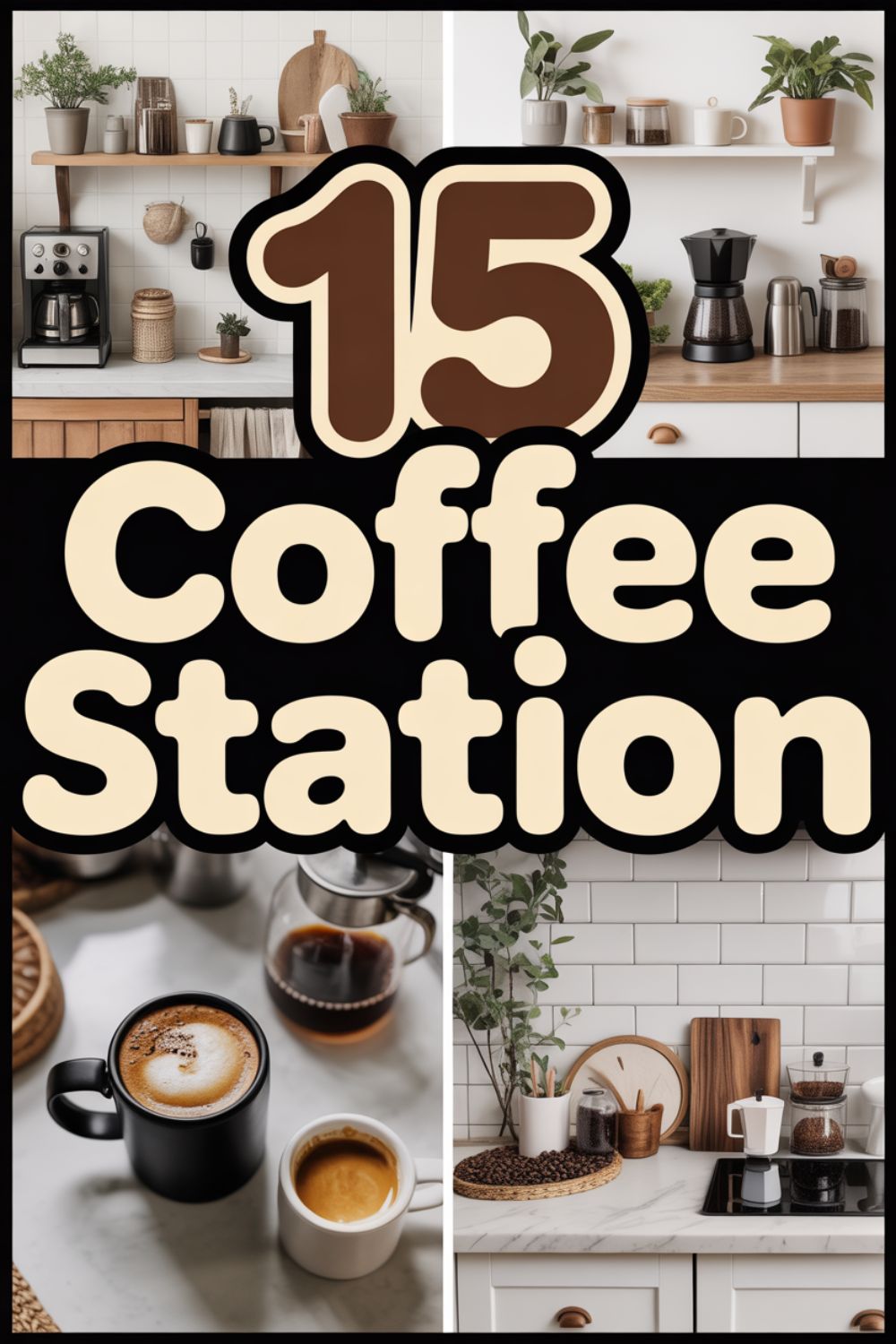
Why Your Kitchen Needs a Dedicated Coffee Station
Before we jump into the ideas, let’s talk about why this matters. A coffee station isn’t just about looking Pinterest-ready (though that’s a nice bonus). It’s about creating a functional zone where everything you need is in one spot.
Think about it—when you’re barely awake at 6 AM, the last thing you want is to hunt for filters in three different cabinets while your coffee beans are hiding behind the pasta. According to HGTV’s kitchen design experts, dedicated beverage stations can actually streamline your morning routine and free up valuable counter space in your main cooking area.
Plus, there’s something genuinely satisfying about having your coffee setup look intentional instead of like a hurricane passed through. When everything has a home, mornings feel less chaotic and more like a ritual you actually enjoy.
1. The Classic Countertop Coffee Corner
Let’s start simple. If you’ve got even two feet of counter space near an outlet, you can create a basic coffee station that works beautifully. This is what I started with, and honestly, sometimes simple is exactly what you need.
Clear off a section of counter—ideally near your sink for easy water access. Place your coffee maker against the wall, and use a bamboo tiered shelf to create vertical storage without eating up more counter real estate. I keep my everyday mugs on the top tier, coffee beans and sugar in matching glass canisters on the middle, and tea bags and extras on the bottom.
The beauty of the countertop approach is flexibility. You can start minimal and add as you go. Maybe you’ll eventually add a small milk frother or upgrade to a fancier machine. The bones of your setup stay the same.
If you’re loving this vibe and want more quick morning wins, you might also dig these 15 coffee drinks you can make in under 5 minutes—perfect for when you’ve got your station dialed in but not much time.
2. Hidden Coffee Station Cabinet (AKA the Appliance Garage)
Here’s where things get fancy. If you’re doing a kitchen remodel or have existing upper cabinets with some depth, an appliance garage is basically the coffee station equivalent of a luxury car.
These bad boys feature roll-up doors or pocket doors that slide away to reveal your entire coffee setup. When you’re done brewing, you close the doors and boom—your counters look pristine. It’s the Marie Kondo of coffee solutions.
What makes this work? You need cabinet depth of at least 18 inches to accommodate most coffee makers. Install an outlet inside the cabinet so your machine stays plugged in. Add pull-out shelves for easy access, and you’ve created a mini coffee bar that disappears when guests come over.
I’ve seen people get creative with this in smaller kitchens too. Even a single upper cabinet can work if you’re strategic. Keep your machine inside, mount a small shelf for mugs, and use drawer organizers below for pods and supplies.
3. The Rolling Coffee Cart
IMO, this is the MVP for renters or anyone who likes options. A three-tier metal rolling cart gives you a complete coffee station that you can move wherever you want.
Top tier: coffee maker. Middle tier: mugs and supplies. Bottom tier: extra storage for filters, backup beans, or that fancy syrup collection you’ve been building. The wheels mean you can roll it into your dining room for weekend brunch or tuck it into a corner when you need the kitchen space for actual cooking.
The key is not overloading it. Keep things curated. You don’t need every mug you own on display—just your favorites. Use stackable storage containers to maximize the space without creating visual clutter.
Want to level up your cart game? Try making some of these easy homemade coffee recipes. When you’ve got everything mobile, you can take your coffee station to the patio or wherever the vibe is right.
4. Corner Coffee Nook with Floating Shelves
Got an awkward corner that’s basically useless right now? Let’s fix that. Corner coffee stations make the most of dead space while looking intentionally designed.
Install two or three floating wood shelves in an L-shape. The bottom shelf holds your coffee maker, the upper shelves display mugs and pretty storage jars. It’s functional art, basically.
What I love about this setup is how customizable it is. You control the exact height of each shelf based on your machine and what you’re storing. Want to show off a collection of vintage mugs? Make the top shelf a display. Need more working space? Keep the bottom shelf lower and add a small corner countertop extension.
The corner configuration also creates a natural “coffee zone” that doesn’t interfere with your cooking workflow. Kitchen designers from Dura Supreme Cabinetry actually recommend dedicated beverage zones to improve kitchen functionality and reduce morning bottlenecks.
5. Drawer Organization System
Okay, this one changed my life. While everyone focuses on what’s on top of the counter, the real magic happens in the drawers below your coffee station.
Invest in a K-cup drawer organizer if you’re a pod person, or get bamboo drawer dividers to create sections for different supplies. I have one drawer completely dedicated to coffee: filters in one section, stirring spoons in another, sugar packets, tea bags, and extra creamers all separated.
The beauty of drawer organization is that it keeps your countertop minimal while still having everything accessible. No more digging through a messy cabinet while your coffee gets cold.
This pairs perfectly with learning cold brew variations because you’ll have the space to store different syrups and add-ins without your drawers turning into chaos.
6. Butler’s Pantry Coffee Bar
If you’ve got a butler’s pantry (fancy, I know), turning it into a coffee bar is almost too perfect. It’s a dedicated room for food prep that keeps the mess out of your main kitchen.
The genius here is adding a small prep sink specifically for coffee. Fill your machine, rinse your portafilter, wash mugs—all without clogging up your main kitchen sink. Add some cabinetry for storage, a small refrigerator for milk and creamers, and you’ve basically built a home café.
Even if your butler’s pantry is small, the concept works. It’s about creating separation between your coffee ritual and the rest of kitchen activities. Plus, guests can help themselves to coffee without getting in your way while you’re cooking.
7. Under-Shelf Coffee Station
Here’s a space-saving hack that costs almost nothing. If you have upper cabinets with unused space underneath, install under-cabinet hooks for hanging mugs and maybe a small under-cabinet shelf for extra storage.
Your coffee maker sits on the counter as usual, but now you’ve created vertical storage above it without any major installation. Hang your everyday mugs from the hooks for easy grabbing, use the shelf for coffee beans or syrups, and suddenly you’ve maximized space you weren’t even using.
This works especially well in small kitchens where every inch counts. The hanging mugs also add a coffee shop vibe—there’s something about seeing mugs displayed that just feels more intentional than them stacked in a cabinet.
Coffee Station Essentials Worth Having
After testing way too many products (my kitchen looks like a coffee shop warehouse), here’s what actually makes a difference:
Physical Products:
Digital Resources:
8. Wall-Mounted Coffee Station
No counter space? No problem. A wall-mounted setup takes your coffee station completely vertical.
Install a wall-mounted floating shelf bracket system strong enough to hold your coffee maker. Mount it at a comfortable height—you don’t want to be reaching overhead for hot coffee. Below it, add a smaller shelf or hooks for mugs.
This approach works great in tiny kitchens, studios, or even home offices. I’ve seen people create beautiful wall-mounted setups in hallways near guest bedrooms, so visitors can grab coffee without trekking to the main kitchen.
The trick is making sure your brackets can handle the weight. Coffee makers aren’t light, especially when full of water. Use proper anchors and don’t cheap out on the hardware.
9. Repurposed Furniture Coffee Bar
This is where thrift stores become your best friend. An old dresser, small bookshelf, or vintage cabinet can transform into a stunning coffee station with almost zero construction skills required.
I’ve seen people use short bookshelves with the top as the coffee surface and the shelves for storage. Vintage dressers work beautifully—the top holds your machine, and the drawers store everything else. Even an old desk can work if the height is right.
The character you get from vintage furniture is something you can’t buy new. Plus, it’s more sustainable and usually way cheaper than custom cabinetry. Paint it to match your kitchen or leave it natural for that eclectic vibe.
Once you’ve got your vintage bar set up, try some of these latte recipes you can make without a machine. The rustic furniture vibe pairs perfectly with artisanal coffee drinks.
10. Open Shelving Coffee Display
If you’re proud of your coffee setup, why hide it? Open shelving turns your coffee station into a design feature.
Install industrial pipe shelves or simple wood floating shelves. Arrange your coffee maker on the counter below, and use the shelves to display mugs, pretty storage jars, and maybe some plants or artwork.
The key to making open shelving work is curation. Everything visible needs to earn its spot. This isn’t storage—it’s display. Keep everyday items you actually use and make sure they look good together. Matching canisters help. So does a consistent color scheme.
What’s great about this approach is how it forces you to stay organized. When everything’s on display, you can’t let it get messy. It’s accountability by design.
11. Slim Pull-Out Coffee Station
Got a narrow gap between your fridge and counter? Or maybe a 6-inch space that’s currently collecting dust? A pull-out coffee station can work in surprisingly tight spots.
Install slim pull-out cabinet organizers that slide out to reveal vertical storage. Store coffee bags, syrups, and supplies in these narrow towers. Your coffee maker stays on the main counter, but all the accessories live in this hidden vertical space.
This is particularly brilliant for small kitchens where you’re playing Tetris with every square inch. That weird 9-inch gap? Perfect for a pull-out spice rack repurposed for coffee supplies.
12. Pegboard Coffee Station
Pegboards aren’t just for garages anymore. A painted pegboard panel creates customizable storage that you can adjust as your needs change.
Mount the pegboard on your wall above your coffee counter. Use hooks to hang mugs, small baskets for sugar packets and stirrers, and pegboard shelves for canisters. The beauty is that nothing’s permanent—rearrange anytime.
I painted mine a muted sage green to match my kitchen, and it went from “garage storage” to “intentional design feature” instantly. Add some small potted plants on pegboard shelves, and it genuinely looks like something from a design blog.
Speaking of getting creative with your coffee, these coffee smoothie recipes are perfect when you want caffeine but also something more substantial. Get Full Recipe for the mocha protein version—it’s basically dessert for breakfast.
13. Multi-Level Tray System
Sometimes the simplest solutions work best. A tiered serving tray creates instant organization without any installation.
Bottom tier: coffee maker and milk frother. Middle tier: mugs. Top tier: coffee beans, sugar, and syrups. Everything’s contained, everything’s accessible, and you can rearrange or move the whole setup in seconds.
I love this for people who rent or aren’t ready to commit to a permanent coffee station. It’s also great for experimenting with layouts before you invest in built-in solutions.
The portability is genuinely useful. Hosting brunch? Move your coffee station closer to the table. Deep cleaning the kitchen? Shift it out of the way. It’s flexibility without compromise.
14. Breakfast Station Combo
Why stop at just coffee? Combine your coffee station with breakfast essentials for a true morning command center.
Set up your coffee maker, then add a compact toaster oven nearby. Include a drawer below with breakfast supplies—bread, jam, peanut butter. Maybe add a small undercounter refrigerator for milk, butter, and cream cheese.
This approach creates a complete breakfast zone where you can make coffee and toast without moving around your kitchen half-asleep. Everything you need for the morning in one dedicated spot.
The breakfast combo works especially well if you follow meal prep strategies. Check out these coffee and breakfast pairings for inspiration on what to keep stocked in your breakfast station.
15. Minimalist Coffee Counter
For the “less is more” crowd, a minimalist coffee counter focuses on quality over quantity.
One excellent coffee maker. One or two favorite mugs. A single canister of beans. Maybe a small plant. That’s it. No clutter, no excess—just the essentials executed perfectly.
This approach requires discipline but pays off in simplicity. Every morning, you have exactly what you need and nothing you don’t. The visual calm is genuinely soothing, which is kind of the point of a good morning routine.
Use a sleek minimalist tray to corral even these few items. It creates a defined coffee zone without needing elaborate setups. Sometimes less really is more.
For minimalist coffee lovers who want variety without clutter, these quick 3-ingredient coffee drinks are perfect. Simple, delicious, and they won’t require stocking a hundred different syrups.
Making Your Coffee Station Actually Work Long-Term
Here’s the thing nobody tells you about coffee stations—setting one up is easy. Maintaining it is where most people struggle.
The solution? Build maintenance into your routine. I wipe down my coffee area every time I finish my morning brew. Takes thirty seconds max, but it prevents the gradual buildup of grounds and dried milk that turns a cute coffee bar into a crusty mess.
Keep cleaning supplies nearby. I have microfiber cloths in the drawer right below my coffee maker. If wiping down takes more effort than making coffee, you won’t do it. Simple as that.
Also, resist the urge to accumulate. Every time you’re tempted to buy another cute mug or syrup flavor, ask yourself: where will this live, and will I actually use it? If the answer isn’t clear, skip it. Your coffee station will thank you.
Choosing the Right Location
Location matters more than you might think. Your coffee station should be near water (for filling the machine) and near where you actually drink coffee.
If you drink coffee at the kitchen table, putting your station across the kitchen creates unnecessary walking. If you take it to your home office, maybe a hallway station makes more sense than a kitchen one.
Also consider noise. Some espresso machines sound like jet engines. If your kitchen shares a wall with bedrooms, maybe skip the espresso bar unless you want to wake everyone up at 5 AM.
According to research from Decor Cabinets, the most functional coffee stations are positioned within the kitchen’s beverage zone, ideally away from primary cooking areas to prevent bottlenecks during meal prep.
Budget-Friendly Coffee Station Ideas
You don’t need to drop hundreds to create a functional coffee station. Start with what you have.
That random cutting board collecting dust? It can become a coffee tray. Mason jars work as well as expensive canisters for storing beans. A thrifted shelf painted to match your kitchen costs $15 and looks custom.
FYI, some of my favorite coffee station pieces came from thrift stores. That vintage wooden tray holding my sugar and stirrers? Two dollars at Goodwill. The ceramic canisters for coffee and tea? Five bucks at an estate sale.
The point isn’t spending money—it’s creating intentional space. You can do that at any budget if you’re creative.
If you’re keeping things budget-conscious, definitely check out these healthy coffee recipes with nut milks and natural sweeteners. Making your own syrups and creamers saves serious money compared to buying fancy coffee shop drinks.
Coffee Station Styling Tips
Okay, let’s talk aesthetics for a second. A coffee station should look good, but it also needs to work. Balance is key.
Stick to a color palette. I went with white, wood tones, and black accents. Everything I add has to fit that scheme. It keeps the space feeling cohesive instead of chaotic.
Add one or two non-coffee elements for personality. A small plant, a piece of art, maybe a stack of vintage coffee books. These additions make the space feel curated, not just functional.
Texture matters too. Mix smooth ceramic with rough wood, shiny metal with matte finishes. The variation keeps things interesting without feeling cluttered.
And hey, if you’re into the café aesthetic, consider trying some of these iced coffee drinks that rival Starbucks. When your station looks professional, you might as well make drinks that taste professional too.
Frequently Asked Questions
How much counter space do I actually need for a coffee station?
Honestly, you can make it work with as little as 18-24 inches of counter space. Your coffee maker typically needs about 12-15 inches, and the rest is for mugs and supplies. If you’re really tight on space, vertical storage and wall-mounted solutions let you create a functional station with minimal footprint. Rolling carts work great too since you can move them as needed.
Should I put my coffee station near the sink or fridge?
Near the sink is usually better because you’ll be filling your coffee maker with water regularly. However, if you use a lot of milk or creamers, proximity to the fridge matters too. Ideally, position your station somewhere between both, or add a small mini-fridge to your coffee area if you have the space and budget. The key is reducing the number of steps in your morning routine.
How do I keep my coffee station from looking cluttered?
The secret is being ruthless about what stays out. Only keep items you use daily on display—everything else goes in drawers or cabinets. Use matching containers for visual cohesion, and stick to a consistent color scheme. Regular maintenance helps too; wipe it down daily and put things back immediately after use. If something hasn’t been touched in a week, it probably doesn’t need to be on your counter.
What’s the best way to store coffee beans to keep them fresh?
Airtight containers are non-negotiable. Store them in a cool, dark place—not on your counter if it gets direct sunlight. Glass or ceramic canisters with tight-sealing lids work great. Some people swear by keeping beans in the freezer for long-term storage, but for daily use, a good canister at room temperature is fine. Just don’t buy more than you’ll use in two weeks.
Can I create a coffee station in a rental apartment?
Absolutely. Stick to non-permanent solutions like rolling carts, free-standing shelves, or furniture repurposed as a coffee bar. Avoid anything requiring drilling into walls unless your landlord is cool with it. Command hooks can hold lightweight items like mugs if you’re careful about weight limits. The bonus of rental-friendly setups is that you can take them with you when you move.
Final Thoughts on Coffee Station Ideas
Creating a coffee station isn’t about following rigid rules or copying someone’s Instagram-perfect setup. It’s about making your mornings easier and maybe even enjoyable.
Start small. Pick one idea from this list that actually fits your space and lifestyle. Set it up, use it for a week, and adjust as needed. Your coffee station should evolve with your routine, not against it.
The best coffee station is the one you’ll actually use and maintain. Whether that’s a rolling cart, a hidden cabinet, or just a well-organized corner of your counter doesn’t matter. What matters is that when you wake up groggy and grumpy, everything you need is right there waiting for you.
And hey, once you’ve got your station sorted, the next step is experimenting with what you’re making. Try some cozy winter coffee drinks or explore coffee drinks for brewing beginners. Your newly organized station will make all of it easier.
Now if you’ll excuse me, I need to go make myself a cup of coffee. All this talk has me craving one.
Similar Posts
21 Morning Drinks for Energy Boost
21 Morning Drinks for Energy Boost That Will Actually Change Your Mornings Plateful Life — Coffee, Tea & Morning Rituals Morning Rituals • Energy • Wellness 21 Morning Drinks for Energy Boost That Will Actually Change Your Mornings By the Plateful Life Team • Updated February 2026 • 12 min read Most mornings, the alarm…
25 Non-Alcoholic Party Drinks for Spring That Will Actually Impress Your Guests
25 Non-Alcoholic Party Drinks for Spring | Plateful Life Spring Entertaining 25 Non-Alcoholic Party Drinks for Spring That Will Actually Impress Your Guests Sparkling mocktails, herbal spritzers, fruity punches, and more — because spring celebrations deserve a full glass, no matter what’s in it. By Plateful Life · March 2026 · 12 min read Spring…
10 Must-Try Cold Brew Coffee Variations for Summer
10 Must-Try Cold Brew Coffee Variations for Summer 10 Must-Try Cold Brew Coffee Variations for Summer Hot coffee in July feels like punishment. You’re already sweating through your shirt by 9 AM, and somebody expects you to drink a steaming mug of caffeine? That’s when cold brew becomes non-negotiable survival equipment. But here’s what took…
12 Easy Coffee Cake Recipes to Bake This Weekend
12 Easy Coffee Cake Recipes to Bake This Weekend Build Your Perfect Coffee & Tea Meal Your Goal Weight LossMuscle GainBalanced NutritionEnergy Boost Calories Low (1200-1500)Medium (1500-2000)High (2000+) Diet Style Coffee & TeaLow CarbVegetarianVegan Prep Style Quick & EasyBatch CookingFresh Daily Generate Your Plan 12 Easy Coffee Cake Recipes to Bake This Weekend You know…
10 Quick Coffee Fixes for Busy Mornings
10 Quick Coffee Fixes for Busy Mornings | Plateful Life 10 Quick Coffee Fixes for Busy Mornings Look, I get it. You hit snooze three times, now you’re running late, and the idea of brewing a proper cup of coffee feels about as realistic as meditation before work. But here’s the thing—you don’t need a…