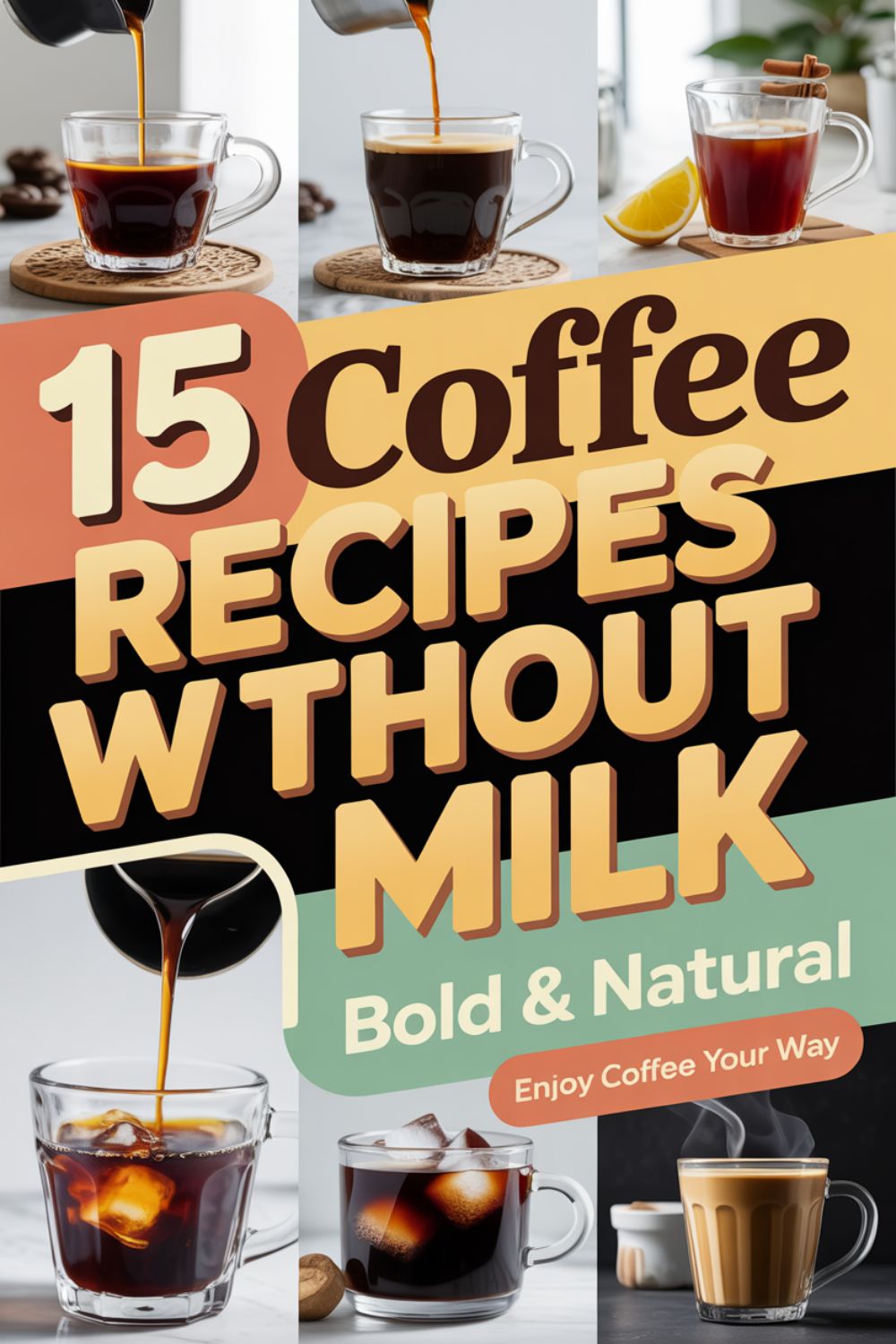
15 Coffee Recipes Without Milk That’ll Make You Forget Dairy Ever Existed
I spent years convinced that black coffee was punishment for people who ate kale smoothies for breakfast. Then I accidentally ordered an Americano instead of a latte one morning (blame the pre-caffeine brain fog), and something clicked. The actual coffee flavor came through. The subtle notes I’d been drowning in half-and-half suddenly made sense.
Here’s the thing nobody tells you: milk-free coffee opens up a whole new world of flavors. You’re not just removing dairy—you’re making room for spices, extracts, natural sweeteners, and techniques that actually enhance the coffee instead of masking it. Plus, research from Johns Hopkins Medicine shows that what you add to your coffee can significantly impact its health benefits, with sugar and cream potentially reducing coffee’s protective effects.
Why Skip the Milk Anyway?
Before we jump into recipes, let’s talk about why going milk-free might actually be the best thing that ever happened to your coffee routine. I’m not here to shame anyone’s oat milk addiction, but hear me out.
First off, black coffee has zero calories. Zero. Your morning cup won’t derail whatever eating plan you’re following. But more importantly, according to recent comprehensive research published in PMC, coffee consumption is associated with reduced mortality and lower risk of cardiovascular disease, diabetes, and other chronic conditions—but these benefits appear strongest when coffee is consumed without added cream and sugar.
Second, you actually taste the coffee. I know this sounds obvious, but most people have never experienced what their favorite beans actually taste like. That Ethiopian blend you bought because the bag looked cool? It probably has fruity, wine-like notes you’ve been completely missing. Your standard medium roast? It’s got caramel and chocolate undertones that cream obliterates.
Third, it’s just easier. No more sniffing the milk carton suspiciously. No more watching that last splash of cream disappear into your cup and realizing you need to share with your partner. No more debating almond versus oat versus coconut milk like it’s some existential crisis.
The 15 Coffee Recipes That Changed My Mind About Milk-Free Coffee
1. Classic Americano (But Make It Actually Good)
The Americano gets a bad rap as watered-down espresso, but that’s because most people make it wrong. The trick is in the ratio and the order. I pull a double shot of espresso directly into a preheated cup, then add hot water until I hit about 6 ounces total. The crema stays intact, the flavor is bold but not harsh, and you get all that espresso complexity without the intensity that makes your eye twitch.
The temperature matters too. If your water is too hot, you’ll kill the delicate aromatics in the espresso. If it’s too cold, the whole thing tastes flat. I aim for water that’s just off boiling—about 200°F if you’re being precise, or “wait 30 seconds after the kettle clicks” if you’re not.
Want to level this up? Add a tiny pinch of salt. Not enough to taste salty, just enough to cut any bitterness and enhance the natural sweetness. I learned this trick from a barista in Seattle who swore by it, and honestly, it works. Get Full Recipe
2. Cinnamon-Spiced Turkish Coffee
Turkish coffee is already intense—finely ground beans boiled with sugar in a special pot called a cezve. But add cinnamon to the grounds before brewing, and you’ve got something that tastes like dessert without a drop of cream.
I use about a quarter teaspoon of ground cinnamon per cup, mixed right in with the coffee and sugar. As it heats, the cinnamon infuses into the coffee instead of just floating on top like it does when you sprinkle it in later. The result is this warming, slightly spicy brew that’s perfect for cold mornings when you want your coffee to feel like a hug.
Fair warning: Turkish coffee has sediment at the bottom. That’s normal. Don’t drink the sludge unless you enjoy textures that make you question your life choices. I use this traditional brass cezve for authentic results, though any small pot works in a pinch.
3. Cold Brew with Vanilla Extract
Cold brew is naturally sweeter and smoother than hot coffee because the cold water extraction process leaves behind a lot of the bitter compounds. Add pure vanilla extract, and you’ve got something that rivals any vanilla latte.
I make cold brew concentrate using a 1:4 coffee-to-water ratio, then dilute it with cold water or ice when I’m ready to drink. For vanilla flavor, I add about a quarter teaspoon of extract per cup. Real vanilla extract, not the imitation stuff—the difference is noticeable.
The beauty of cold brew is that you can make a big batch and keep it in the fridge for up to two weeks. Sunday evening, I grind a cup of coarse coffee, dump it in a jar with four cups of cold water, stick it in the fridge, and forget about it for 12-24 hours. Monday morning, I strain it through a coffee filter, and boom—I’ve got iced coffee for the week. For more cold coffee inspiration, check out these cold brew variations for summer that take the concept even further.
4. Espresso with Lemon Peel
This sounds weird. I know it sounds weird. I thought it was weird too until I tried it in Italy and realized I’d been missing out my entire life.
You pull a normal espresso shot, then run a strip of lemon peel around the rim of the cup and drop it in. The citrus oils brighten the coffee’s natural acidity without making it sour. It’s refreshing in a way that feels sophisticated, like you should be wearing linen pants and discussing art.
The key is using fresh lemon peel with as little pith as possible—the white part is bitter and will ruin the whole experience. I use a vegetable peeler to get thin strips. One small piece per shot is plenty. If you’re looking for more creative espresso ideas, these coffeehouse drinks you can recreate at home offer similar innovation.
5. Maple-Sweetened Americano
Pure maple syrup in coffee is one of those combinations that makes you wonder why this isn’t standard everywhere. It dissolves completely in hot coffee, adds natural sweetness, and brings this subtle woody, caramel flavor that complements medium and dark roasts beautifully.
I use about a teaspoon per 8-ounce cup, but start with less if you’re used to unsweetened coffee. The grade of maple syrup matters—Grade A Dark Amber has more flavor than the lighter grades. Don’t use pancake syrup. Just don’t. That’s corn syrup with maple flavoring, and your coffee deserves better.
This works especially well with coffee from Central America—Guatemalan, Costa Rican, anything with chocolate or nutty notes. The maple enhances those flavors instead of fighting with them. Get Full Recipe
6. Vietnamese-Style Iced Coffee (No Condensed Milk Version)
Traditional Vietnamese coffee uses sweetened condensed milk, but you can get surprisingly close by using strong dark roast coffee sweetened with brown sugar or coconut sugar. The key is making it strong enough that it stands up to ice without tasting watered down.
I use a Vietnamese phin filter—one of those small metal contraptions that sits on top of your cup and drips coffee slowly. It makes incredibly concentrated coffee that’s perfect over ice. You can find these filters cheap online; I got this stainless steel phin for under fifteen bucks and it’s lasted three years.
Brew the coffee directly over 2-3 tablespoons of coconut sugar in a glass. Stir until dissolved, then add ice. The result is sweet, bold, and refreshing—everything you want in iced coffee without the dairy.
7. Cardamom Coffee
Middle Eastern coffee culture has been doing cardamom coffee for centuries, and they’re onto something. Cardamom has this floral, citrusy, slightly minty thing going on that pairs with coffee in unexpected ways.
I add 2-3 crushed cardamom pods to the grounds before brewing. Crush them in a mortar and pestle or just whack them with the side of a knife—you want them broken open so the seeds can release their oils. Brew normally with whatever method you prefer.
The first time I tried this, I used too much cardamom and ended up with something that tasted like perfume. Start conservative. You can always add more next time. The flavor should be present but subtle, like background vocals in a good song.
8. Iced Coconut Water Coffee
This one sounds like something a wellness influencer would charge you $12 for, but it’s actually brilliant. Coconut water adds natural electrolytes and a subtle sweetness without any dairy or added sugar.
Make cold brew concentrate as usual, then dilute it with coconut water instead of regular water. Use a 1:1 ratio for a drink that’s refreshing, hydrating, and caffeinated. It’s basically performance enhancement for people who refuse to drink energy drinks.
I make this after morning workouts when I’m too lazy to eat breakfast but need something in my system. The coconut water provides potassium and a little natural sugar, while the coffee provides the motivation to be a functional human. Win-win. For more energizing coffee ideas, try these coffee smoothies for breakfast.
9. Honey-Cinnamon Cold Brew
Honey doesn’t dissolve well in cold coffee, which is why most people give up on this combination. The solution? Make a honey-cinnamon simple syrup. Mix equal parts honey and hot water, add a cinnamon stick, let it cool, and store it in the fridge.
Now you’ve got a sweetener that actually mixes into cold coffee instead of sinking to the bottom like sweet sludge. I add about a tablespoon per cup of cold brew, but adjust based on how sweet you like things.
The cinnamon stick infuses the syrup with flavor as it cools, giving you that bakery-fresh cinnamon taste without the gritty texture of ground cinnamon. This keeps in the fridge for a month, assuming you don’t use it all in a week like I do.
10. Salted Caramel Americano (Without the Caramel Sauce)
Okay, so there’s no actual caramel in this. But you can recreate that salted caramel vibe using dark roast coffee, a tiny bit of brown sugar, and sea salt flakes.
Make your Americano as usual. While it’s hot, stir in a teaspoon of brown sugar until dissolved. Top with a tiny pinch of flaky sea salt—I’m talking 3-4 crystals, not a handful. The salt enhances the coffee’s natural bitterness and sweetness, creating something that tastes way more complex than it has any right to.
This works because good coffee already has caramel notes, especially medium and dark roasts. You’re just emphasizing what’s already there. If you want more caramel-adjacent flavors, these creative coffee syrups might be worth exploring.
11. Spiced Bulletproof Coffee (Dairy-Free Version)
Traditional bulletproof coffee uses butter, which is a hard no for milk-free coffee. But coconut oil works just as well for that creamy, energy-sustaining effect people love about bulletproof coffee.
Blend hot coffee with a tablespoon of coconut oil and a quarter teaspoon of cinnamon or pumpkin pie spice. The blender is crucial—just stirring won’t emulsify the oil, and you’ll end up with coffee with an oil slick on top. Blend for 20-30 seconds until it’s frothy.
This is breakfast in a cup. The fat from the coconut oil slows down caffeine absorption, giving you sustained energy instead of the usual spike and crash. Just don’t use the cheap coconut oil—you want unrefined, virgin coconut oil for the best flavor and health benefits.
12. Orange Peel Espresso
If lemon in espresso works, why not orange? Turns out, it works even better for people who find lemon too tart. Orange peel has natural sweetness along with the citrus brightness.
Use a vegetable peeler to get a wide strip of orange peel, avoiding the white pith. Express the oils over your espresso by twisting the peel over the cup, then drop it in. The aroma hits you before you even take a sip—it’s a whole sensory experience.
This pairs especially well with Ethiopian coffee, which often has fruity, wine-like notes that complement the citrus. I’ve made this for friends who swore they hated black coffee, and they’ve all been converts.
13. Nutmeg-Spiked French Press
Nutmeg in coffee sounds like something your grandmother would do, but honestly, she was right. Fresh nutmeg (not the pre-ground stuff) adds this warm, slightly sweet spiciness that makes regular French press coffee taste gourmet.
Add a few gratings of whole nutmeg directly to the coffee grounds before you add water. I use a microplane grater to get fine shavings—you want maybe an eighth of a teaspoon for a full French press, which is less than you think.
The hot water extracts the nutmeg oils along with the coffee, creating this unified flavor instead of nutmeg just floating on top. It’s subtle enough that people won’t immediately identify it, but noticeable enough that they’ll ask what makes your coffee taste so good. Looking for more French press inspiration? These coffee drinks you can make without a machine have some solid techniques.
14. Mint-Infused Iced Coffee
Fresh mint and coffee might sound strange, but it’s basically a mojito for people who function in the morning. The mint adds coolness and freshness that makes iced coffee even more refreshing.
Muddle 5-6 fresh mint leaves in the bottom of your glass before adding ice and cold brew. The muddling releases the mint oils without shredding the leaves into annoying green bits you’ll spend the rest of your drink trying to spit out.
If you’re feeling fancy, make mint ice cubes by freezing coffee with mint leaves in ice cube trays. They look impressive, and the mint flavor intensifies as they melt. This is the kind of thing that makes people think you have your life together, even when you absolutely don’t.
15. Date-Sweetened Arabic Coffee
Arabic coffee is traditionally served with dates on the side, but blending dates into the coffee creates natural sweetness with a caramel-like depth that refined sugar can’t touch.
Brew strong coffee using your preferred method. While it’s hot, blend it with 2-3 pitted dates until smooth. The dates dissolve completely, adding fiber, potassium, and natural sweetness. It’s thick, rich, and satisfying in a way that makes you feel like you’re doing something healthy even though you’re just trying to caffeinate.
Medjool dates work best because they’re softer and sweeter, but any variety works if you blend long enough. This is another one where a good blender matters—I use this high-powered blender that turns dates into liquid instead of chunky bits. Get Full Recipe
For those exploring coffee without traditional additions, you might also enjoy these creamy coffee recipes without sugar that take a similar minimalist approach.
Kitchen Tools That Make Milk-Free Coffee Actually Easy
After years of experimenting with dairy-free coffee, these are the tools that actually earn their counter space. No clutter, no gimmicks—just stuff that works.
- Burr Coffee Grinder – Consistent grind size makes a massive difference in flavor. Blade grinders create dust and boulders; burr grinders create actual grounds.
- Electric Kettle with Temperature Control – Different brewing methods need different water temps. This removes the guesswork and prevents burning delicate light roasts.
- French Press (34oz) – Perfect for making multiple cups or experimenting with spice-infused coffee. The mesh filter lets oils through for full-bodied flavor.
- Coffee Brewing Ratio Calculator App – Takes the math out of getting your coffee-to-water ratio right every time.
- Bean Source Subscription Guide – Curated list of small-batch roasters that ship fresh beans. Discovery without the commitment of a subscription box.
- Coffee Tasting Notes Journal Template – Digital template for tracking what you like and don’t like about different beans and brewing methods. Sounds pretentious, works surprisingly well.
The Science Behind Why These Recipes Actually Work
I’m not a chemist, but I’ve read enough coffee science blogs to be dangerous at parties. Here’s why these milk-free recipes work better than just drinking sad black coffee and pretending you like it.
Coffee contains over 1,000 different chemical compounds that contribute to flavor and aroma. When you add dairy, you’re changing the pH and coating your taste buds with fat, which dulls your perception of many of these compounds. According to the National Coffee Association, the brewing method itself significantly impacts which compounds get extracted and how they interact.
Spices like cinnamon, cardamom, and nutmeg contain their own aromatic compounds that complement rather than compete with coffee’s natural flavors. They’re working with the coffee, not against it. Natural sweeteners like maple syrup, honey, and dates add complexity because they contain multiple types of sugars plus minerals and other compounds that refined white sugar doesn’t have.
Temperature matters too. Hot water extracts different compounds than cold water, which is why cold brew tastes fundamentally different from iced hot coffee. Cold water pulls out fewer bitter compounds and more of the sweet, chocolatey notes. That’s not opinion—that’s just chemistry.
The key to all of these recipes is understanding that coffee flavor is complex, and you can enhance it without drowning it. Milk simplifies coffee by coating everything in creamy fat. These recipes complicate it in the best possible way.
If you’re curious about the health implications of your coffee choices, this comprehensive umbrella review examined 201 meta-analyses and found that moderate coffee consumption is associated with more health benefits than harm across multiple outcomes—especially when consumed without excessive added sugar and cream.
How to Transition to Milk-Free Coffee Without Hating Your Life
Let’s be real: if you’ve been drinking lattes for ten years, switching to black coffee overnight is going to be rough. Your taste buds are used to fat and sweetness, and they’re going to complain loudly when you take those away.
Start with naturally sweeter preparations like cold brew or light roast pour-overs. These have less bitterness than dark roast drip coffee, making them easier entry points. Add natural sweeteners at first—honey, maple syrup, coconut sugar—and gradually reduce the amount over a few weeks.
Try the spiced coffees next. The cinnamon, cardamom, and vanilla recipes in this list add flavor and aroma that make the coffee feel less “empty” than plain black coffee. Your brain gets sensory input beyond just coffee bitterness, which makes the transition easier.
Don’t cheap out on beans during this transition. Bad coffee tastes bad, and no amount of positive thinking will change that. Buy whole beans from a local roaster or reputable online source, grind them fresh, and use them within two weeks. The difference between fresh, good coffee and the pre-ground stuff that’s been sitting on a shelf for months is night and day.
Give your taste buds time to adjust. It takes about two weeks for your palate to reset and start appreciating subtle flavors it was previously ignoring. The first few days might be rough, but push through. You’re retraining your taste buds, not punishing them.
Looking for more ways to enjoy coffee without traditional additions, check out these vegan coffee creamer recipes or these healthy coffee recipes with natural sweeteners.
Common Mistakes That Make Milk-Free Coffee Taste Terrible
After watching people try and fail at black coffee, I’ve identified the usual suspects that turn people off from milk-free brewing.
Using water that’s too hot. Boiling water burns coffee and creates bitterness. Water should be between 195-205°F, which is just off boiling. Let your kettle sit for 30 seconds after it clicks, or use a temperature-controlled kettle.
Drinking old coffee. Coffee tastes best within 30 minutes of brewing. That carafe that’s been sitting on a burner for an hour? It’s dead. The compounds that make coffee taste good have evaporated or degraded. Make fresh coffee or switch to cold brew if you’re a slow drinker.
Using stale beans. Coffee starts losing flavor the moment it’s roasted. Pre-ground coffee is usually stale before you even buy it. Whole beans stay fresh longer, but even they decline after about two weeks. Buy smaller quantities more frequently, or store beans in an airtight container in a cool, dark place.
Wrong grind size for your method. French press needs coarse grounds. Espresso needs fine grounds. Pour-over falls somewhere in between. Using the wrong size leads to over-extraction (bitter, harsh) or under-extraction (weak, sour). Match your grind to your brewing method.
Bad water. Coffee is 98% water. If your tap water tastes weird, your coffee will too. Use filtered water if your tap water has chlorine, minerals, or other flavors you can taste. It makes more difference than most people think.
Cheap coffee. You don’t need to spend $30 per bag, but the $5 pre-ground stuff from the grocery store isn’t doing you any favors. Budget $12-18 per 12-ounce bag from a local roaster or reputable brand. The quality jump is worth the extra few bucks.
For those still exploring coffee preparation methods, these coffee brewing hacks cover additional techniques that can improve your results.
Frequently Asked Questions
Does black coffee really have zero calories?
Yes, black coffee has essentially zero calories—about 2 calories per 8-ounce cup, which is nutritionally insignificant. All the calories in typical coffee drinks come from what you add to it: milk, cream, sugar, flavored syrups. The coffee itself is just water that’s been run through beans, extracting flavor compounds and caffeine but negligible calories. This makes it perfect for intermittent fasting or any eating plan where calories matter.
Will I get used to coffee without milk, or will it always taste bitter?
Your taste buds adapt within 2-3 weeks of consistent milk-free coffee drinking. What tastes bitter now won’t taste bitter once your palate adjusts and stops expecting the fat and sweetness of dairy. Start with naturally sweeter options like cold brew, light roasts, or the spiced recipes in this article. Quality beans also matter hugely—bad coffee will always taste bad, but good coffee has natural sweetness and complexity you’ll start noticing once you’re not drowning it in milk.
What’s the best natural sweetener for coffee if I can’t handle it completely unsweetened?
Maple syrup and honey work best because they dissolve completely in hot coffee and add complexity beyond just sweetness. Coconut sugar is another solid choice with a lower glycemic index than white sugar. For cold coffee, make a simple syrup first (equal parts sweetener and hot water, cooled) because honey and maple syrup don’t dissolve well in cold liquids. Start with less than you think you need—a teaspoon is usually plenty—and gradually reduce over time as your taste buds adjust.
Can I make these recipes work with instant coffee?
Honestly, most of these recipes will be mediocre with instant coffee. Instant coffee lacks the complexity and nuance that makes milk-free coffee interesting—it’s usually just bitter and one-dimensional. If you’re stuck with instant, the spiced recipes (cinnamon, cardamom, vanilla) will help mask the lack of depth. But if you’re serious about enjoying coffee without milk, invest in a basic coffee maker or French press and buy whole beans. The difference is worth it.
Why does my homemade black coffee taste worse than coffee shop coffee?
Usually it’s one of three things: stale beans, wrong water temperature, or incorrect grind size. Coffee shops use fresh beans ground right before brewing, water at exactly the right temperature, and commercial equipment that maintains consistency. At home, buy whole beans and grind them fresh, let boiling water cool for 30 seconds before brewing, and match your grind size to your brewing method. Also, clean your coffee maker—old oils and residue make coffee taste rancid.
Final Thoughts on the Milk-Free Coffee Life
Going milk-free with your coffee isn’t about deprivation or suffering through something unpleasant because it’s “healthier.” It’s about discovering that coffee actually tastes interesting when you stop covering it up with dairy.
I’m not suggesting everyone needs to drink black coffee forever. If you love your latte, drink your latte. But trying these milk-free recipes might show you that coffee has more range than you thought. Maybe you’ll find a new morning routine. Maybe you’ll realize you’ve been buying the wrong beans this whole time. Maybe you’ll just have one more option when you run out of milk at an inconvenient time.
The recipes in this article work because they enhance coffee instead of replacing its flavor with something else. They’re not substitutes for milk—they’re alternatives that offer different experiences. Some are sweet, some are spicy, some are bright and citrusy. None of them require you to pretend you’re enjoying something you’re not.
Start with whichever recipe sounds least intimidating. Give it a fair shot for a few days before deciding it’s not for you. Your taste buds need time to adjust to new flavors, especially if they’ve been conditioned by years of creamy coffee. The transition might take a couple weeks, but the payoff is worth it—better-tasting coffee, fewer calories, no more anxiety about whether the milk in your fridge is still good.
And hey, worst case scenario, you try a few of these recipes and decide milk-free coffee isn’t your thing. At least you’ll know what you’re missing. Best case scenario, you discover a whole new way to enjoy your morning coffee that doesn’t depend on having dairy in the house. Either way, you’re not losing anything by trying.
Now go make yourself some coffee. The milk-free kind. You might surprise yourself.