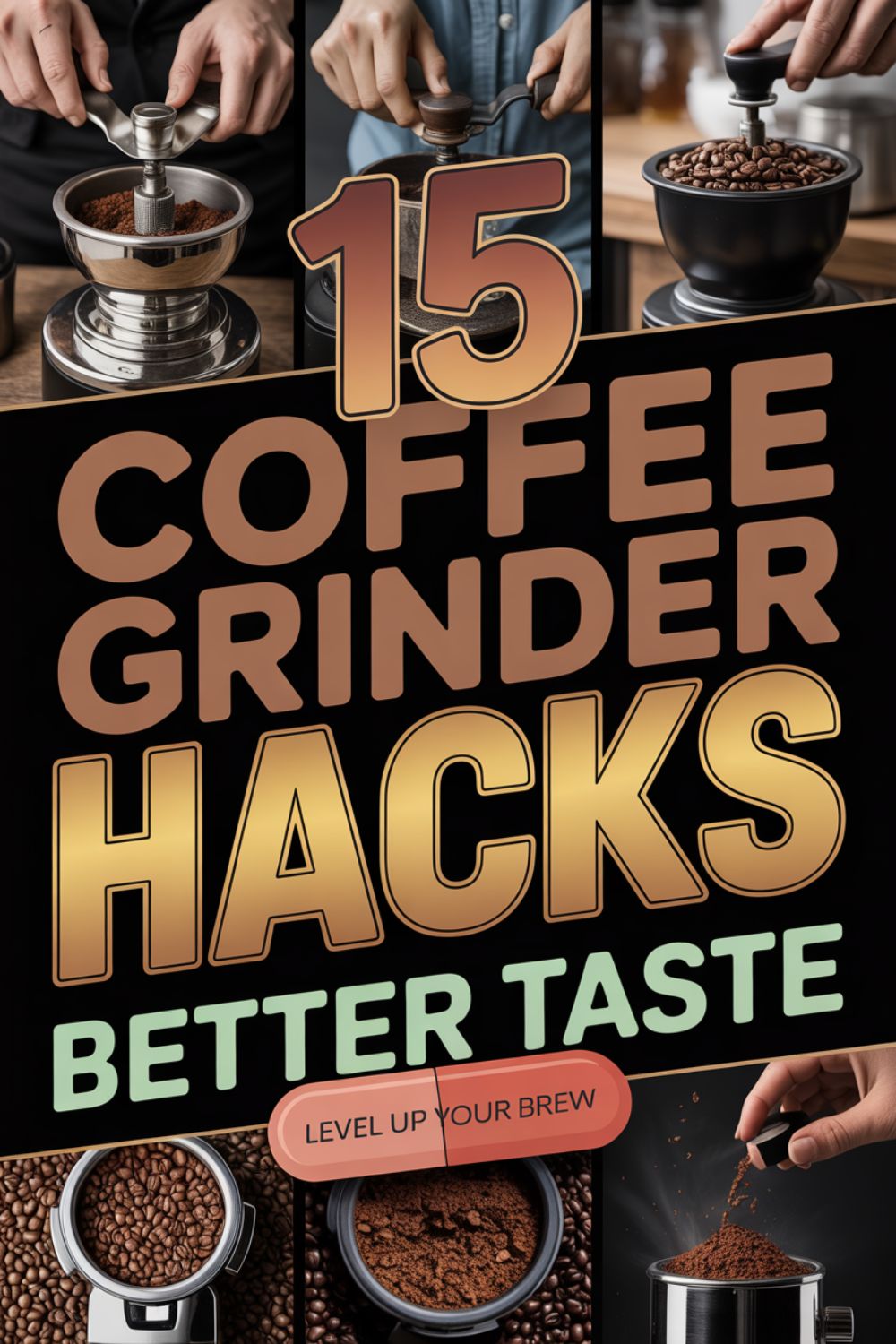
15 Coffee Grinder Hacks for Better Taste
Look, I get it. You spent good money on those specialty beans, religiously follow the brew ratios, and still your coffee tastes… meh. Here’s the truth nobody wants to admit: your grinder is probably sabotaging your entire operation. And I’m not talking about upgrading to some $500 contraption—I’m talking about simple tweaks that’ll transform your morning cup without draining your wallet.
I’ve been grinding my own beans for years, and honestly? The game-changers weren’t the expensive upgrades. They were the weird little tricks I stumbled onto at 6 AM, half-awake and desperate for decent coffee. So let’s talk about the 15 hacks that actually matter.
The Static Electricity Fix That Changed Everything
Ever notice how ground coffee clings to absolutely everything? Your grinder, the counter, your hands, possibly your soul? That’s static electricity, and according to recent research on coffee grinding electrification, it’s doing more damage than just making a mess.
Here’s the hack: add a tiny drop of water to your beans before grinding. I’m talking maybe half a milliliter—basically a quick mist from a spray bottle. The science nerds discovered this reduces static charge dramatically, which means less clumping and more even extraction. Your coffee gets stronger because water can actually flow through the grounds properly instead of channeling around clumps.
I keep a small spray bottle next to my grinder now. Two quick spritzes on the beans, toss them in, and boom—cleaner grinder, better coffee, and I’m not vacuuming coffee dust off the ceiling anymore.
Freeze Your Beans (Yes, Really)
I know, I know. Every coffee snob tells you never to freeze beans. But hear me out—freezing before grinding creates more uniform particle sizes. Studies on bean temperature and grinding show that colder beans shatter more evenly, giving you that consistency baristas obsess over.
Pop your beans in the freezer for about 15-20 minutes before grinding. Not overnight, just long enough to chill them thoroughly. The difference in grind consistency is wild. You’ll get fewer boulders and fewer dust particles—just nice, even grounds that extract like a dream.
If you’re serious about leveling up your morning routine, check out these healthy coffee recipes with nut milks and natural sweeteners that pair perfectly with properly ground beans.
Clean Your Grinder Weekly (Not Monthly)
Real talk: when was the last time you actually cleaned your grinder? Coffee oils go rancid fast, and they’re coating your burrs right now, making everything taste stale and bitter. I learned this the hard way after wondering why my Ethiopian beans tasted like last month’s dark roast.
Get yourself some grinder cleaning tablets or just use raw white rice. Run it through once a week to scrub away the oils and old grounds. The first time I did this after a two-month neglect session, the difference was embarrassing. Suddenly my coffee had actual flavor notes instead of generic “brown liquid” vibes.
Grind Size Matters More Than You Think
You probably already know different brewing methods need different grind sizes, but do you actually adjust? I used to just set my grinder to “medium” and call it a day. Turns out, that’s like using the same oven temperature for cookies and pizza.
For French press, go coarse—like sea salt. For pour-over, think granulated sugar. For espresso, you want powder. But here’s the kicker: even within those ranges, tiny adjustments make huge differences. If your coffee tastes sour, grind finer. Too bitter? Go coarser. It’s that simple, but most people never experiment.
I keep notes in my phone about which setting works for which beans. Sounds nerdy, but it beats wasting good coffee on bad guesses. Speaking of which, if you’re looking for variety, these coffee latte recipes you can make without a machine let you practice dialing in different grind sizes. Get Full Recipe.
The Burr vs. Blade Reality Check
Blade grinders are cheap, and I used one for years. They also produce the most chaotic particle distribution known to humanity. You get boulders, dust, and everything in between—all in the same batch. Water doesn’t know what to do with that mess, so you get simultaneous over-extraction and under-extraction. Delicious.
Burr grinders crush beans between two surfaces, giving you uniform particle size. The jump in coffee quality is legit noticeable. You don’t need to drop $400, either. A decent manual burr grinder runs about fifty bucks and will immediately improve your coffee game.
If you’re curious about extraction science, try experimenting with different grind settings on these cold brew coffee variations for summer. You’ll taste the difference consistency makes.
Coffee Grinding Essentials That Actually Help
After testing way too many gadgets, here’s what’s actually worth having:
Physical Tools:
- Manual burr grinder – Perfect for travel or if you hate loud appliances at 6 AM
- Digital gram scale – Because “two scoops” is not a measurement system
- Airtight coffee canister – Keep those beans fresh and prevent them from absorbing your fridge smells
Digital Resources:
- Coffee brewing ratio calculator app – Takes the guesswork out of measurements
- Grind size reference chart PDF – Print it, stick it on your fridge, never wonder again
- Coffee flavor wheel guide – Learn to actually taste what you’re brewing
Pulse, Don’t Hold
If you’re stuck with a blade grinder for now, here’s how to minimize the chaos: pulse in short bursts instead of holding the button down. Shake the grinder between pulses to redistribute the beans. You’ll never get burr-level consistency, but you’ll avoid the worst of the powder-and-boulder situation.
Also, tilt the grinder at a 45-degree angle while pulsing. Sounds weird, works great. The beans tumble differently and you get slightly more uniform results. Is it ideal? No. Does it help until you can upgrade? Absolutely.
Grind Fresh, Grind Right Before Brewing
Pre-ground coffee loses flavor fast—like, alarmingly fast. Within 15 minutes of grinding, you’re already losing volatile aromatics. By the next day, you’re basically brewing coffee-flavored disappointment.
Grind only what you need, right before you brew. I know it’s tempting to grind a week’s worth on Sunday, but trust me, the five seconds you save isn’t worth the flavor loss. Your beans have way more shelf life whole than ground.
This is especially important if you’re making elaborate drinks like these coffee smoothies for breakfast or energy boost. Fresh-ground beans make the difference between “pretty good” and “why am I not charging for this.”
The Shake Test
After grinding, give your grinder chamber a few good shakes before opening it. This helps dislodge grounds stuck in crevices and ensures you’re getting everything out. Otherwise, yesterday’s stale grounds mix with today’s fresh ones, and your coffee tastes confused.
I tap mine on the counter a few times too. My downstairs neighbor probably thinks I’m building furniture at dawn, but whatever—my coffee tastes better.
Invest in a Scale, Seriously
Measuring by volume is garbage. Coffee beans vary in density, moisture content, and size. A scoop of light roast Ethiopian beans weighs differently than a scoop of dark roast Colombian.
Get a cheap digital kitchen scale that measures in grams. Weigh your beans before grinding. Suddenly your coffee becomes consistent because you’re actually using the same amount every time. Revolutionary, I know.
The standard ratio is about 1:16 coffee to water, but experiment. If you’re making iced coffee drinks that are better than Starbucks, you might want to go stronger—maybe 1:14—since ice dilutes everything. Get Full Recipe.
Storage Matters Before You Even Grind
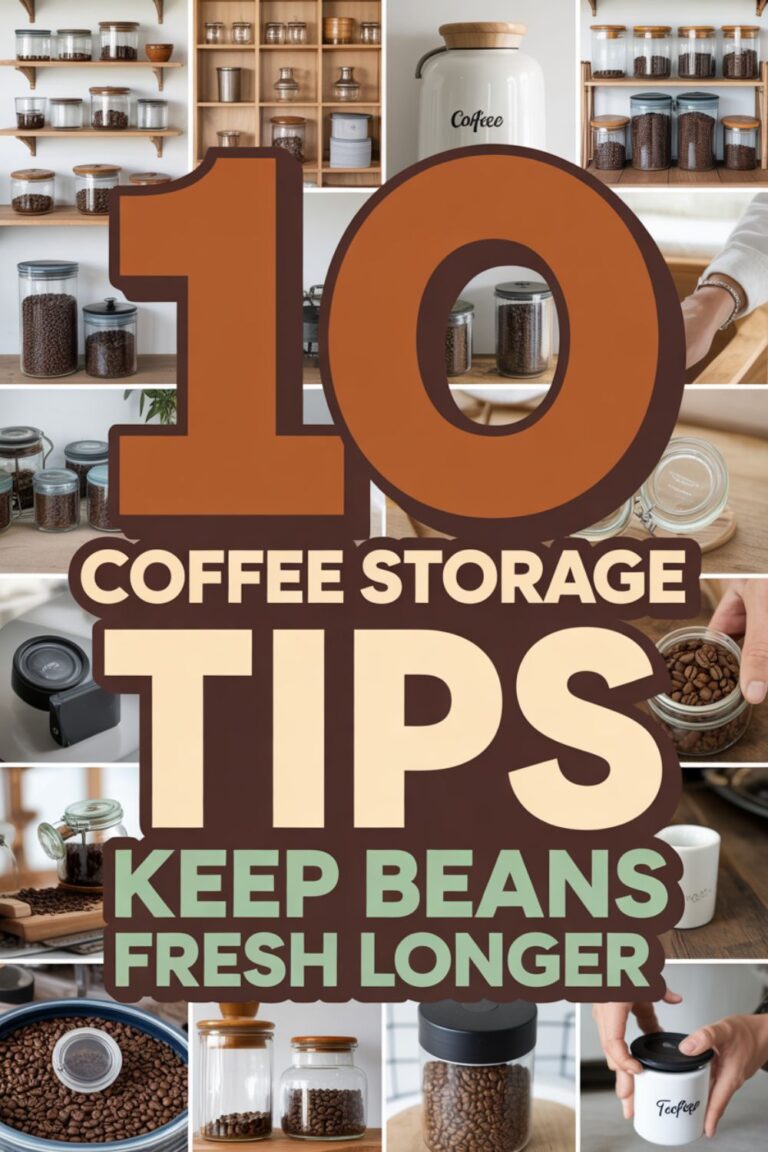
Whole beans stay fresh longer than grounds, but they still degrade. Keep them in an airtight container away from light, heat, and moisture. Not in the fridge—moisture and food smells will destroy them. Just a cool, dark cabinet.
I use a vacuum-sealed canister and honestly, beans stay fresh for weeks. The little pump removes air after each use, which slows oxidation like crazy.
For more morning inspiration beyond just straight coffee, you might want to explore these quick coffee drinks with 3 ingredients or less or try these vegan coffee creamer recipes you can make at home. They’re great for using up those fresh grounds you’re now grinding perfectly.
Know Your Grinder’s Sweet Spot
Every grinder has settings where it performs best. My burr grinder, for example, gets inconsistent at the extreme fine end but crushes it in the medium range. Spend time finding where yours excels and plan your brewing methods around that.
Run the same beans through different settings and taste the results side by side. Take notes. Yeah, it’s dorky, but you’ll figure out exactly where your grinder shines.
The WDT Tool Trick
WDT stands for “Weiss Distribution Technique,” which sounds fancy but basically means: stir your grounds with a thin needle to break up clumps before brewing. This is huge for espresso but helps with any method.
You can buy a fancy WDT tool or just use a toothpick. Stir in a circular motion after grinding, and you’ll eliminate those dense pockets that cause channeling. Your extraction becomes way more even.
Temperature Matters (Again)
Beyond freezing beans before grinding, keep your grinder itself cool. Burrs generate heat during grinding, especially on finer settings. That heat can actually cook some of the aromatics right out of your coffee before you even brew it.
If you’re grinding a lot at once, let your grinder rest between batches. Or grind smaller amounts more frequently. Your coffee will taste fresher and more vibrant.
These principles apply whether you’re making coffee drinks to warm your winter mornings or preparing coffee desserts that pair perfectly with your brew. Temperature control throughout the entire process matters.
Single Dose vs. Hopper
Leaving beans in your grinder’s hopper exposes them to air and light, accelerating staling. Single dosing—weighing out exactly what you need for each brew—keeps everything fresh.
It adds about 30 seconds to your routine but makes a noticeable difference in flavor. Plus, switching between different beans becomes easier since you’re not contaminating the hopper.
The Grind-and-Wait Method
Here’s something I picked up from a roaster friend: after grinding, let the grounds sit for 30 seconds before brewing. Sounds counterintuitive since I just said grind right before brewing, but this brief rest lets CO2 degas.
Freshly roasted beans are full of CO2, and if you brew immediately after grinding, that gas can cause uneven extraction. A quick 30-second wait helps, especially with really fresh beans (like, roasted within the past week).
Experiment with Sifting
This is next-level, but if you want absolute consistency, sift your grounds through a fine mesh strainer. Remove the ultra-fine dust particles that over-extract and taste bitter.
I don’t do this every day—ain’t nobody got time—but for special beans or when I’m trying to dial in a new roast, it’s a game-changer. You’ll be shocked how much dust even a good burr grinder produces.
Once you’ve mastered grinding, the world of coffee recipes opens up. Try these creative coffee syrups to sweeten your morning or explore coffee cocktails to impress your friends for weekend entertaining.
Frequently Asked Questions
How fine should I grind coffee for different brewing methods?
It depends on your brewing method. French press needs coarse grounds like sea salt, pour-over works best with medium grounds similar to sand, and espresso requires fine grounds close to powdered sugar. The key is matching your grind to your brew time—longer brewing needs coarser grinds to prevent over-extraction.
Does adding water to beans before grinding really work?
Absolutely. Research shows that adding a small amount of water (just a quick spray) reduces static electricity during grinding, which means less clumping and more uniform extraction. You’ll notice cleaner equipment and stronger, more consistent coffee without changing anything else about your routine.
How often should I clean my coffee grinder?
Weekly cleaning is ideal for daily users. Coffee oils go rancid quickly and build up on your burrs, affecting flavor. Run grinder cleaning tablets or raw rice through once a week, and do a deep clean with brushes monthly. You’ll taste the difference immediately.
Is a burr grinder really worth the investment?
If you care about consistent coffee, yes. Burr grinders produce uniform particle sizes, while blade grinders create a chaotic mix of dust and boulders. You don’t need a $500 model—even a $50 manual burr grinder will dramatically improve your coffee compared to any blade grinder.
Should I store coffee beans in the freezer?
For short-term storage (15-20 minutes before grinding), yes—it improves grind consistency. For long-term storage, no. Keep whole beans in an airtight container in a cool, dark cabinet. Only freeze if you’re storing beans for over a month, and make sure they’re vacuum-sealed to prevent moisture damage.
The Bottom Line
Look, perfect coffee isn’t about having the most expensive equipment or memorizing complicated formulas. It’s about understanding a few key principles and actually applying them. These 15 hacks work because they address real problems in the grinding process—static, heat, inconsistency, stale oils.
Start with the easy wins: add a spritz of water before grinding, clean your grinder weekly, and grind right before brewing. Those three changes alone will noticeably improve your coffee. Then experiment with the others as you get comfortable.
Coffee shouldn’t be precious or intimidating. It’s just a drink. But it’s a drink you probably have every single day, so why not make it actually good? These hacks take minimal effort and cost almost nothing, but they’ll transform that mediocre morning cup into something you actually look forward to.
Now stop reading and go make better coffee. Your properly-ground beans are waiting.