15 Coffee and Tea Accessories Every Lover Needs
The Foundation: Kettles That Actually Matter
Variable Temperature Electric Kettle
Here’s the thing about water temperature—it’s not just some nerdy detail that coffee snobs obsess over. Different teas legitimately need different temperatures, and burning delicate white tea at boiling point is basically a crime against nature. I used to just boil everything and wonder why my green tea tasted like punishment.
A variable temperature kettle lets you dial in the exact heat you need. Most quality models will get you anywhere from 140°F for delicate white teas up to 212°F for that robust black tea or French press coffee. I’m using this temperature-controlled electric kettle daily, and honestly, it’s changed everything. No more guessing, no more thermometers, just consistent results.
The best part? Many of these kettles have a hold function that maintains your target temperature for 30-60 minutes. So if you’re like me and get distracted between boiling water and actually making tea, you’re covered. According to professional barista equipment guides, temperature control is one of the most critical factors in extraction quality.
Gooseneck Kettle (For the Pour-Over Crowd)
If you’ve ever tried doing a pour-over with a regular kettle, you know the struggle. Water goes everywhere except where you want it. A gooseneck kettle gives you that precise, controlled pour that makes latte recipes without fancy machines actually achievable.
The narrow spout means you can trace perfect circles, hit specific spots, and control flow rate—all crucial for even extraction. I picked up this stovetop gooseneck kettle after ruining too many pour-overs, and the difference is night and day. You don’t need an electric one unless you want temperature control too, but the gooseneck design itself is non-negotiable if you’re serious about pour-over coffee.
Pro Tip:
Fill your gooseneck only two-thirds full. It gives you better control and prevents awkward wrist angles when pouring. Trust me on this—your forearms will thank you after that third consecutive brew.
Grinding Game: Because Pre-Ground is a Sin
Burr Coffee Grinder
Real talk: if you’re still using pre-ground coffee, we need to have a conversation. Coffee starts losing flavor within minutes of grinding. Those bags sitting on grocery store shelves? They peaked weeks ago. A decent burr grinder is probably the single biggest upgrade you can make to your coffee routine.
Burr grinders crush beans between two revolving surfaces rather than chopping them with blades (which creates uneven particles and heats the grounds). You get consistent particle size, which means consistent extraction. I’ve been using this conical burr grinder for two years, and it handles everything from coarse French press to fine espresso grinds.
Look for grinders with at least 15-20 grind settings. That versatility means you can experiment with different brew methods without buying multiple grinders. If you’re really getting into homemade coffee recipes, this flexibility becomes essential.
Manual Coffee Grinder (For Travel and Control Freaks)
Okay, hear me out on this one. Manual grinders aren’t just for camping trips or power outages. They’re actually fantastic for dialing in precise grinds, they’re dead quiet (crucial if you’re grinding at 5 AM while others sleep), and they don’t generate heat that can affect flavor.
Plus, there’s something meditative about the hand-grinding process. I use this portable hand grinder when traveling, and it’s become my go-to for morning coffee even at home. The adjustable ceramic burrs give you incredible control, and honestly? The ritual of grinding by hand is weirdly satisfying.
For those exploring cold brew variations, a manual grinder lets you achieve that perfect coarse grind without the noise of an electric model waking the entire household.
Brewing Essentials That Earn Counter Space
Pour-Over Dripper (V60 or Chemex Style)
Pour-over coffee isn’t just hipster nonsense—it genuinely produces cleaner, more nuanced cups than most automatic drip machines. The V60 cone dripper is my personal favorite because it’s foolproof once you get the technique down, and it makes outstanding coffee for pennies per cup.
I grabbed this ceramic V60 dripper years ago, and it’s still going strong. Pair it with paper filters, and you’ve got a brewing method that highlights subtle flavor notes you’d never taste otherwise. The whole process takes maybe five minutes, and watching your coffee bloom is genuinely cool every single time.
The Chemex is another fantastic option if you’re brewing for multiple people. It’s essentially a beautiful glass carafe with a pour-over cone built in. Either way, you’re getting coffee that tastes significantly better than push-button machines. Professional coffee equipment suppliers consistently rank pour-over methods among the best for flavor clarity.
French Press
The French press gets overlooked because it seems basic, but it produces rich, full-bodied coffee that highlights oils and subtle flavors paper filters remove. Plus, it’s nearly impossible to break (unless you drop the glass carafe—ask me how I know).
What I love about my stainless steel French press is the versatility. Coffee in the morning, then rinse it out and use it for loose leaf tea in the afternoon. It’s also perfect for making coffee smoothie bases when you want concentrated flavor without bitterness.
Quick Win:
After pressing, immediately transfer your coffee to a carafe. Leaving it in the French press continues extraction and leads to bitter, over-extracted coffee. This one trick saves so many brews.
Quality Tea Infuser or Teapot with Built-In Strainer
Tea bags are convenient, sure, but loose leaf tea is a completely different experience. The leaves need room to expand and release their flavors properly—something impossible in those cramped little bags. A good infuser or teapot with built-in strainer changes everything.
I use this glass teapot with removable infuser almost daily. Watching tea leaves unfurl is mesmerizing (yes, I’m that person), and the flavor difference is immediately noticeable. The infuser basket is large enough that leaves can move freely, which is crucial for proper steeping.
For single cups, a large mesh tea ball works perfectly. Just avoid those tiny ones that compress the leaves—they defeat the whole purpose of loose leaf. If you’re diving into calming tea recipes, proper infusion is everything.
Finishing Touches: The Accessories That Complete Your Setup
Milk Frother (Electric or Manual)
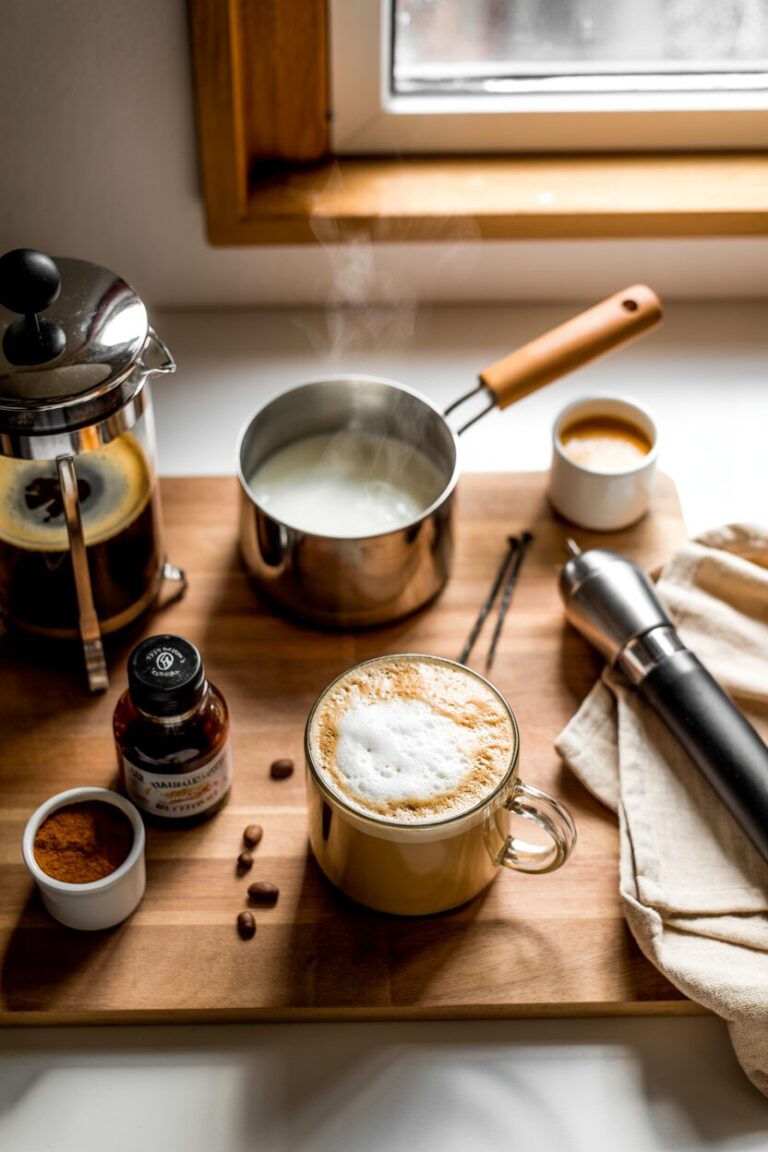
You don’t need a $3,000 espresso machine to enjoy frothy lattes at home. A simple milk frother creates that creamy, airy texture you’re paying five bucks for at cafes. I’ve tried both electric handheld models and manual pump frothers, and honestly, both work great.
The electric handheld frother I use takes like 20 seconds and creates legitimate microfoam. For something more hands-on, this manual pump frother gives you more control and never needs charging. Either way, you’re suddenly making cafe-quality drinks at home.
Pro move: froth your milk before adding it to coffee. It incorporates better and creates that Instagram-worthy pour you’re secretly hoping for. Works perfectly for those homemade vegan creamer recipes too.
Digital Kitchen Scale
This might seem excessive, but weighing your coffee and water is the easiest way to achieve consistency. Scoops vary, grind density varies, but grams are always grams. A simple digital scale takes the guesswork out of brewing.
I’m using this compact coffee scale with timer, and it’s been a game-changer for dialing in ratios. Most brewing methods recommend somewhere between 1:15 to 1:17 coffee-to-water ratio by weight. Once you find your sweet spot, you can recreate it perfectly every time.
According to brewing equipment guides from specialty coffee experts, precise measurements are one of the most overlooked factors in home coffee preparation.
Airtight Storage Containers
Coffee and tea are enemies of air, light, and moisture. Those flimsy bags your beans come in? Not cutting it. Proper airtight containers preserve freshness and flavor for weeks longer than you’d think possible.
I keep my coffee in these vacuum-sealed canisters, and beans stay fresh noticeably longer. For tea, these opaque tin containers protect leaves from light degradation. It’s not sexy, but it’s the difference between good coffee and great coffee.
Store everything in a cool, dark place—not above your stove or in sunny cabinets. Heat and light are flavor assassins. Some people freeze coffee beans, but I find that leads to moisture issues unless you’re incredibly careful about condensation.
Quality Filters (Paper, Metal, or Cloth)
Filters seem boring, but they dramatically affect your final cup. Paper filters produce clean, bright coffee by removing oils and fine particles. Metal filters let more oils through for fuller body. Cloth filters are somewhere in between and reusable.
For pour-over, I always use these unbleached paper filters because I prefer clarity in my cup. For French press, the built-in metal filter is perfect for that heavy-bodied style. There’s no “best” option—it depends on your taste preferences.
FYI, if you’re using paper filters, rinse them with hot water first. It removes any papery taste and preheats your brewing vessel. Small detail, noticeable difference. This matters especially when you’re making simple three-ingredient coffee drinks where every flavor note counts.
Timer or Brew App
Different teas need different steep times. Over-steep green tea? Bitter mess. Under-steep black tea? Weak disappointment. Same goes for coffee bloom times and total brew duration. A simple timer keeps everything on track.
Your phone works fine, but I like having a dedicated timer so I’m not tempted to scroll Instagram while my coffee blooms. This magnetic kitchen timer sticks to my kettle and takes the guesswork out of timing.
Some folks swear by brew apps that walk you through recipes step-by-step. If you’re experimenting with creative coffee syrup combinations, having precise timing really helps replicate successes.
Pro Tip:
Set timers for steep times, not total brew time. Start your timer when water hits the grounds, not when you start heating water. Sounds obvious, but I’ve ruined countless cups mixing this up when multitasking.
Temperature-Resistant Serving Carafe
Once you’ve brewed the perfect pot, you need somewhere to put it that maintains temperature without continuing extraction. A good thermal carafe keeps coffee or tea hot for hours without burning or over-brewing.
I’m partial to this vacuum-insulated carafe that legitimately keeps coffee hot for 4-5 hours. No more reheating in the microwave (which, let’s be honest, always tastes wrong). Pour a full pot, transfer it immediately, and enjoy hot coffee all morning.
This is especially useful if you’re making larger batches for winter morning coffee drinks or hosting friends who appreciate good brews.
Thermometer (Analog or Digital)
Even with a temperature-controlled kettle, having a dedicated thermometer for double-checking never hurts. Plus, they’re essential if you’re heating milk for lattes or getting precise with tea temperatures.
This instant-read thermometer is something I use constantly, not just for coffee and tea but for cooking in general. It clips onto kettles or pots and gives real-time temperature readings. For serious tea drinkers exploring different varieties, precise temperature control is everything.
According to tea brewing equipment specialists, temperature precision can make or break delicate tea varieties like white or green teas.
Cleaning Brushes and Descaling Solution
Okay, this isn’t glamorous, but neglecting cleaning will ruin even the best equipment. Coffee oils build up and turn rancid. Mineral deposits clog kettles and affect heating. Regular maintenance isn’t optional—it’s preservation of your investment.
I use these specialized cleaning brushes to get into grinder burrs and small crevices. For descaling kettles and removing mineral buildup, this descaling solution works wonders. Do this monthly, and your equipment will last years longer.
Coffee grounds and tea residue harbor bacteria and mold if left too long. Rinse everything after each use, do a deep clean weekly, and descale monthly if you have hard water. Future you will appreciate working equipment that still tastes good.
Speaking of maintenance, if you’re really getting into coffee and dessert pairings, keeping your equipment pristine ensures every cup showcases what you’re serving alongside it.
Essential Tools & Resources That Make Everything Easier
Premium Coffee & Tea Storage Set
Three vacuum-sealed canisters in different sizes for beans, loose tea, and ground coffee. Keeps everything fresh way longer than basic containers.
All-in-One Brewing Starter Kit
Includes pour-over dripper, reusable filters, measuring scoop, and cleaning brush. Everything you need to start brewing better coffee immediately.
Professional Barista Tools Bundle
Gooseneck kettle, digital scale with timer, milk frother, and thermometer. The complete setup for cafe-quality drinks at home without the cafe prices.
Digital Coffee Brewing Guide & Recipe Book
Downloadable guide with ratios, timing charts, and 50+ recipes for every brewing method. Takes the guesswork out of experimentation.
Tea Tasting & Blending Course
Online course teaching you how to identify tea varieties, create custom blends, and master brewing techniques for different tea types.
Coffee & Tea Subscription Service
Monthly delivery of specialty beans and loose leaf teas from around the world. Discover new favorites without leaving home.
Making Smart Choices Without Overthinking
Look, you don’t need everything on this list immediately. Start with the basics—a good grinder, a reliable kettle, and whichever brewing method appeals most to you. Build from there as you figure out what you actually enjoy drinking.
The best setup is the one you’ll actually use. I’ve seen people drop serious cash on espresso machines that sit unused while they grab Starbucks every morning. Start simple, master one method, then expand. Your taste will evolve, and so will your equipment needs.
IMO, the biggest mistake people make is buying everything at once and getting overwhelmed. Get a decent grinder and pour-over setup, maybe a French press. Learn those inside and out. Then add complexity as your interest grows. This approach saves money and actually improves your skills faster.
For those just getting started with better coffee at home, check out these beginner-friendly coffee drinks that don’t require advanced techniques or expensive equipment.
Quick Win:
Buy the best grinder you can afford, then spend less on other accessories. Grind quality affects every cup regardless of brewing method. Everything else can be upgraded gradually.
The Difference Between Good Enough and Actually Good
Here’s what nobody tells you: the gap between mediocre home coffee and legitimately great coffee is smaller than you think. It’s not about having professional equipment—it’s about using what you have correctly. Fresh beans, proper grind size, accurate ratios, and clean water. That’s like 90% of the equation.
These accessories just make hitting those targets easier and more consistent. They remove variables and give you control. But a cheap French press with fresh beans and correct ratios will destroy stale coffee from a thousand-dollar machine. Equipment matters, but fundamentals matter more.
That said, the right tools make the process enjoyable rather than frustrating. Struggling with an inadequate grinder or boiling water in a saucepan gets old fast. Invest in pieces that remove friction from your routine, and suddenly making good coffee becomes the easy default instead of occasional success.
If you’re expanding beyond basic brewing and want to explore more complex preparations, these coffee cocktail recipes become way more achievable with proper equipment.
Balancing Budget and Quality
Everyone asks: “How much should I spend?” The answer is annoyingly personal. I know people thrilled with $30 manual grinders and others who swear their $300 electric model changed their lives. Both are valid if they match your needs and budget.
My general rule: buy the best you can reasonably afford for things you use daily, and go budget-friendly for occasional use items. If you make pour-over every morning, invest in a quality dripper and scale. If you occasionally froth milk for lattes, the $15 handheld frother works fine.
Watch for sales, check secondhand markets, and don’t dismiss mid-range options. The $200 grinder is often 85% as good as the $500 model. That extra 15% matters to some people and is totally wasted on others. Know which camp you’re in before dropping serious cash.
Also worth noting: build your setup over time. I didn’t buy everything at once—I started with a basic French press and manual grinder, then added pieces as I learned what I actually wanted. That gradual approach saved me from expensive mistakes. According to tea equipment education resources, this gradual investment approach helps users better understand their actual needs versus perceived ones.
For inspiration on what’s possible with good equipment, browse through coffee desserts that complement great brews and see how proper brewing elevates the entire experience.
Frequently Asked Questions
Do I really need a burr grinder, or will a blade grinder work?
Blade grinders chop beans unevenly, creating a mix of fine dust and large chunks that extract at different rates, leading to bitter, weak coffee simultaneously. Burr grinders crush beans uniformly for consistent extraction. If you’re serious about better coffee, a burr grinder isn’t optional—it’s foundational. Even an entry-level burr grinder outperforms the best blade models.
What’s the ideal water temperature for different types of tea?
White and green teas prefer 160-180°F to preserve delicate flavors and avoid bitterness. Oolong teas work best around 185-195°F. Black teas and herbal infusions can handle full boiling water at 200-212°F. Using the wrong temperature is the fastest way to ruin premium tea, which is why a variable temperature kettle matters so much.
How often should I clean my coffee equipment?
Rinse brewing equipment after every use, deep clean weekly with soap and brushes to remove coffee oils, and descale monthly if you have hard water. Grinders should be brushed out weekly and deep cleaned monthly. Neglecting this schedule leads to rancid oils affecting taste and mineral buildup damaging equipment. Regular maintenance is non-negotiable for good coffee.
Can I use the same equipment for both coffee and tea?
French presses work great for both, but dedicate separate containers or clean extremely thoroughly between uses—coffee oils transfer to tea and vice versa. Kettles are fine for both. Avoid using coffee grinders for tea unless you’re okay with coffee-flavored tea forever. Better to have dedicated tools or be meticulous about cleaning.
What’s the best way to store coffee beans and loose leaf tea?
Store both in airtight, opaque containers away from light, heat, and moisture. Coffee beans stay freshest for 2-3 weeks after roasting when properly stored; loose leaf tea can last months. Never refrigerate or freeze unless you’re storing long-term and can prevent condensation. Room temperature in a dark cabinet is ideal for daily use quantities.
Your Coffee and Tea Journey Starts Here
The perfect cup isn’t about having the most expensive equipment or following rigid rules. It’s about understanding what you enjoy and having tools that help you achieve it consistently. These fifteen accessories cover everything from absolute essentials to nice-to-have upgrades that genuinely improve your daily routine.
Start with what makes sense for your budget and habits. Maybe that’s a quality grinder and simple pour-over setup. Maybe it’s a temperature-controlled kettle and proper tea infuser. Whatever you choose, buy thoughtfully, learn your equipment, and don’t be afraid to experiment. Some of my best cups came from breaking “rules” and trusting my taste.
The beauty of coffee and tea is that there’s always more to learn, more to try, more ways to refine your technique. These accessories just make that exploration easier and more enjoyable. Your morning cup should bring you joy, not stress. Invest in tools that support that goal, and ignore everything else.
Similar Posts
25 Coffee Drinks to Warm Your Winter Mornings
25 Coffee Drinks to Warm Your Winter Mornings | Plateful Life Build Your Perfect Coffee & Tea Ritual Your Goal Morning Energy BoostAfternoon Pick-Me-UpCozy Evening WarmthWeekend Indulgence Coffee Intensity Light & SmoothMedium & BalancedStrong & Bold Drink Style Hot & SteamingQuick 3-Minute BrewLatte & SpecialtyHealth-Focused Prep Time Under 5 Minutes5-10 MinutesWorth the Wait (10+) Generate…
10 Anti-Aging Coffee and Tea Benefits You Didn’t Know
10 Anti-Aging Coffee and Tea Benefits You Didn’t Know 10 Anti-Aging Coffee and Tea Benefits You Didn’t Know Your morning coffee habit might be doing more than just waking you up. Turns out, that daily cup could actually be helping you age better. And no, I’m not talking about feeling more awake—I’m talking about legitimate,…
21 Morning Drinks for Energy Boost
21 Morning Drinks for Energy Boost That Will Actually Change Your Mornings Plateful Life — Coffee, Tea & Morning Rituals Morning Rituals • Energy • Wellness 21 Morning Drinks for Energy Boost That Will Actually Change Your Mornings By the Plateful Life Team • Updated February 2026 • 12 min read Most mornings, the alarm…
20 Coffee Latte Recipes You Can Make Without a Machine
20 Coffee Latte Recipes You Can Make Without a Machine 20 Coffee Latte Recipes You Can Make Without a Machine Here’s something nobody tells you when you’re drooling over fancy coffee drinks: you don’t need a $500 espresso machine to make legitimate lattes at home. I spent years thinking I couldn’t make proper coffee drinks…
15 Coffee Drinks That Curb Appetite
15 Coffee Drinks That Curb Appetite – Plateful Life 15 Coffee Drinks That Curb Appetite Look, I’m not gonna sit here and tell you that coffee is some magical weight-loss potion. But here’s what I will say: the right coffee drinks can absolutely help you feel fuller longer, reduce those mid-morning hunger pangs, and keep…