15 Cafe-Style Latte Recipes You Can Make at Home
You know that moment when you’re standing in line at your local coffee shop, wallet already wincing at the $6.50 price tag, wondering if maybe—just maybe—you could pull off the same thing at home? Well, plot twist: you absolutely can.
I’ve spent the better part of two years perfecting cafe-style lattes in my own kitchen, and I’m here to tell you it’s way easier than you think. No fancy espresso machine required for most of these, and definitely no barista certification needed. Just a willingness to experiment and maybe forgive yourself for the first few foam failures.
These 15 latte recipes range from classics you’d find at any decent coffee shop to creative variations that’ll make you question why you ever paid premium prices. Some take 3 minutes, others might need 5, but all of them taste like you knew what you were doing all along.
Hero Image
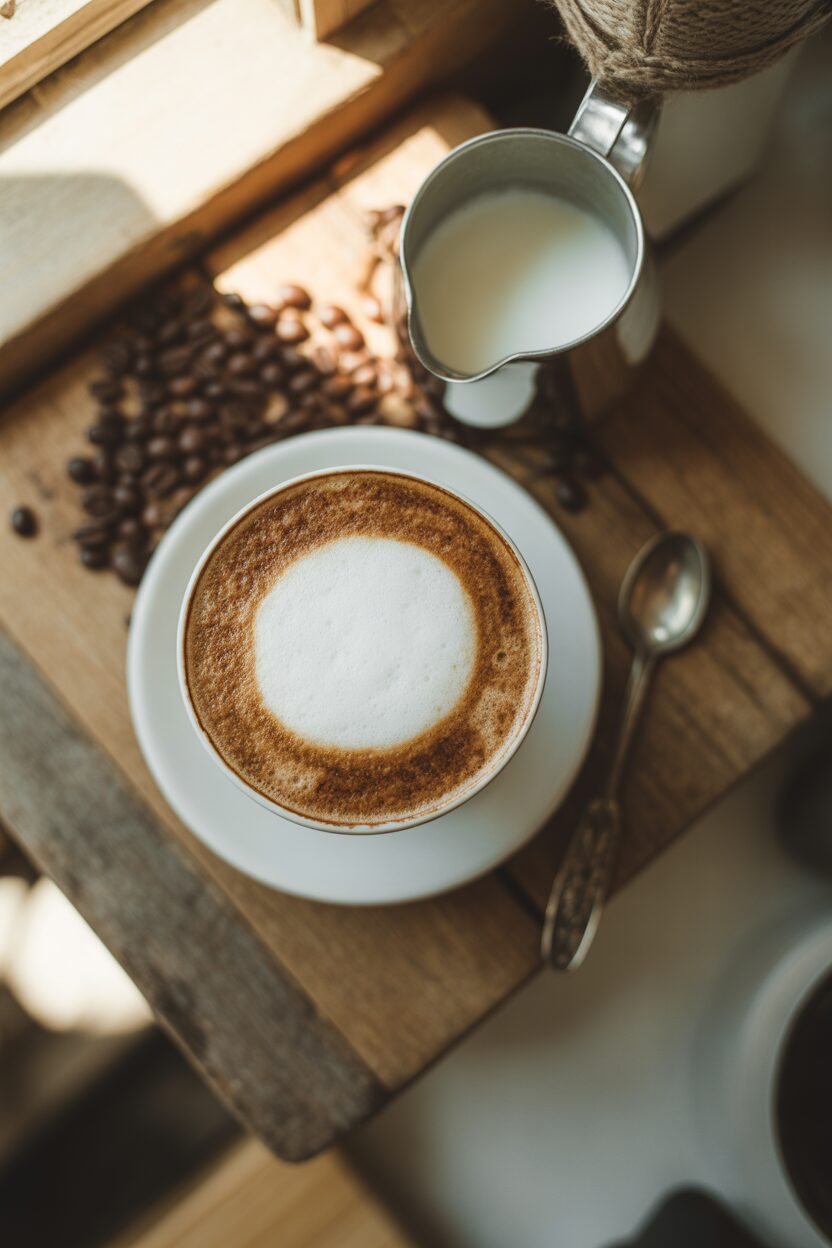
Overhead shot of a beautiful latte with intricate foam art in a white ceramic cup on a rustic wooden table, surrounded by coffee beans, a small pitcher of frothed milk, and a vintage spoon. Warm morning sunlight streaming from the left creating soft shadows, cozy cafe atmosphere with muted earth tones and cream colors. Professional food photography style, shallow depth of field, Pinterest-worthy composition.
The Classic Vanilla Latte (Because We All Start Here)
Let’s kick things off with the OG that probably got half of us hooked on lattes in the first place. The vanilla latte is like the gateway drug of espresso drinks—approachable, slightly sweet, and somehow sophisticated enough that you don’t feel like you’re drinking a milkshake.
Here’s the thing about vanilla lattes: the quality of your vanilla makes or breaks the drink. I learned this the hard way after using some questionable imitation vanilla extract that made my latte taste like a candle. Spring for real vanilla or make your own vanilla coffee syrup—your taste buds will thank you.
The ratio I swear by is one shot of espresso (or 1/3 cup strong coffee), 3/4 cup steamed milk, and about a tablespoon of vanilla syrup. Froth that milk until it’s silky smooth—I use this handheld milk frother that cost me less than two lattes and has paid for itself approximately 400 times over. Get Full Recipe
Honey Lavender Latte (Fancy Without the Fuss)
This one makes people think you went to culinary school or at least watch a lot of cooking shows. Spoiler: it’s stupidly simple and tastes like spring decided to move into your coffee cup.
The secret is making a quick honey lavender simple syrup, which sounds pretentious but literally just means heating honey, water, and dried lavender together for a few minutes. I keep mine in a glass syrup dispenser in the fridge, where it lasts for weeks and makes me feel unreasonably accomplished every morning.
Fair warning though—lavender is one of those flavors that can go from “oh this is lovely” to “I’m drinking soap” real quick. Start with less than you think you need. You can always add more, but you can’t un-soap your coffee.
Speaking of creative flavors, if you’re into experimenting with different syrups, you might want to check out some homemade coffee syrup ideas that go way beyond the basics. Get Full Recipe
Cinnamon Dolce Latte (Starbucks Who?)
IMO, Starbucks’ cinnamon dolce latte is overpriced and under-cinnamoned. There, I said it. The homemade version is better, cheaper, and you can actually taste the cinnamon without it being buried under a mountain of whipped cream.
The game-changer here is using both cinnamon syrup and a tiny pinch of cinnamon in the milk while it’s frothing. Double cinnamon action. Some might call it overkill; I call it correct.
I also add a small splash of pure maple syrup to mine because the combination of cinnamon and maple is basically autumn in a cup, and I’m not ashamed to drink autumn year-round. Top it with some cinnamon sugar if you’re feeling extra—I keep a small shaker of it next to my coffee station made with organic Ceylon cinnamon because apparently I’ve become that person. Get Full Recipe
Caramel Macchiato (The Right Way)
Okay, quick coffee nerd moment: a traditional macchiato is espresso “marked” with a small amount of foam. What most American coffee chains call a caramel macchiato is basically an upside-down vanilla latte with caramel drizzle. But you know what? Their version is delicious, so we’re rolling with it.
The key to nailing this at home is layering. Vanilla syrup goes in first, then your steamed milk, then you pour the espresso shots over the top so they mark the foam. Finally, you get to do that satisfying caramel drizzle crosshatch pattern on top. If you’ve ever wanted to feel like a food stylist, this is your moment.
For the caramel, you can buy it or make it. Homemade tastes infinitely better and you can control the sweetness, but I won’t judge you for keeping a bottle of the store-bought stuff for lazy mornings. We’re all just trying to get through the day here.
The vanilla-to-caramel ratio matters more than you’d think. Too much caramel and you’re drinking candy; too much vanilla and it’s boring. I do about 1 tablespoon vanilla syrup and a generous drizzle of caramel—enough that you get some in every sip but not so much that your teeth hurt. For more ways to use caramel in your coffee routine, these warm coffee drink ideas are pretty solid. Get Full Recipe
Pumpkin Spice Latte (All Year, Fight Me)
Listen, I know we’re all supposed to pretend we only drink PSLs between September and November, but I’m done with that charade. If you want a pumpkin spice latte in March, make yourself a pumpkin spice latte in March. Life’s too short for seasonal beverage shame.
The secret to a good PSL is using actual pumpkin puree—just a tablespoon—along with the spices. It gives the latte this creamy, slightly earthy quality that you just don’t get from syrup alone. Plus, you know, vegetables in your coffee. Health.
My spice blend is cinnamon-heavy with supporting notes of ginger, nutmeg, and just a whisper of cloves. Cloves are aggressive, so respect them accordingly. I mix the puree with the spices and a bit of maple syrup or brown sugar, warm it with the milk, then blend everything together with an immersion blender to make sure it’s silky smooth.
The result is a PSL that tastes like actual pumpkin pie instead of a candle from a mall store, and honestly, that’s the dream. Get Full Recipe
Mocha Latte (For When You Can’t Decide Between Coffee and Chocolate)
The mocha latte is proof that some of the best things in life come from refusing to choose. Coffee or chocolate? Why not both? It’s like the mullet of beverages—business in the front with its sophisticated espresso, party in the back with chocolate indulgence.
The type of chocolate you use genuinely matters here. I’ve tried cheap cocoa powder, fancy Dutch-processed stuff, actual melted chocolate, and chocolate syrup. The winner? A combination of good quality cocoa powder and a small amount of dark chocolate. The cocoa gives you that deep chocolate flavor, while the actual chocolate adds richness and body.
I mix about 1.5 tablespoons of cocoa powder with a tablespoon of sugar and a tiny splash of hot water to make a paste, then add my espresso to that before the milk goes in. This prevents cocoa clumps, which are the worst surprise in any beverage. For chocolate lovers, you might also dig these coffee-chocolate dessert pairings that take the combination even further. Get Full Recipe
Maple Pecan Latte (Basically Breakfast in a Cup)
This one started as a fall experiment and quickly became an all-season favorite. Something about the combination of maple and toasted pecans just works on a primal level. Maybe it’s because it tastes like pancakes. Maybe it’s because pecans are underrated and deserve more coffee drink representation. Probably both.
The trick is toasting your pecans first—don’t skip this step. I know it’s tempting, but untoasted pecans in coffee syrup taste like wet cardboard with delusions of grandeur. Toast them until they’re fragrant, then blend them with maple syrup and a bit of water. Strain it through a fine mesh strainer or cheesecloth, and you’ve got yourself a syrup that’ll make you question your entire relationship with artificial flavors.
I use about 2 tablespoons of the pecan-maple syrup per latte, and sometimes I’ll crush a few extra toasted pecans on top because texture is fun and I like to chew my coffee occasionally. Get Full Recipe
Latte-Making Essentials That’ll Change Your Morning Game
After making approximately one million lattes, these are the tools and resources I actually use. No fancy espresso machines, no $300 grinders—just practical stuff that makes the process easier and the results better.
Double-Wall Glass Latte Cups (Set of 4)
These keep your drink hot without burning your hands, and watching the layers form is oddly satisfying. Plus they make you look like you have your life together.
Stainless Steel Milk Frothing Pitcher
The 12oz size is perfect for single servings. The measurements inside help you nail the milk-to-foam ratio every time, and it’s basically indestructible.
Programmable Coffee Maker with Strong Brew Setting
Look, not everyone has an espresso machine. This makes coffee strong enough to pass as espresso in a latte, and you can set it the night before like a responsible adult.
The Ultimate Latte Recipe eBook Collection
Digital cookbook with 50+ latte variations, including seasonal flavors and dairy-free options. Includes syrup recipes and troubleshooting tips. Worth it for the holiday latte section alone.
Coffee Syrup Master Class (Online Course)
Video course teaching you how to make 25 different coffee syrups from scratch. The instructor is actually entertaining, and you’ll never buy overpriced syrup again.
Home Barista Printable Guide Set
Printable charts for milk frothing temps, espresso timing, and recipe ratios. Stick them on your fridge and pretend you were born knowing this stuff.
Coconut Milk Latte (For When Dairy Isn’t Invited)
Here’s where I tell you something you might not want to hear: not all non-dairy milks froth equally. I’ve tried them all—almond, oat, soy, cashew, hemp, probably some others I’ve blocked out—and coconut milk holds a special place in my heart despite being temperamental.
Full-fat canned coconut milk froths like a dream and adds this subtle tropical vibe that works weirdly well with coffee. The carton stuff? Not so much. It’s thinner and doesn’t foam the same way, but it’s lower in calories if that’s your thing.
I usually add a touch of vanilla and a tiny bit of maple syrup because coconut milk can be a bit savory on its own. The combination tastes like a vacation, which is exactly what I need at 6:47 AM on a Tuesday. If you’re exploring more dairy-free options, definitely check out these homemade vegan creamer recipes that go beyond basic coconut. Get Full Recipe
Cardamom Rose Latte (Sounds Fancy, Tastes Fancier)
This is the latte I make when I want to feel like I’m in a trendy cafe in Istanbul or a Moroccan riad, but I’m actually in my kitchen wearing questionable pajama pants. The combination of cardamom and rose is traditional in Middle Eastern coffee culture, and once you try it, you’ll wonder why we’re all so obsessed with vanilla.
The key is using ground cardamom pods—not the pre-ground stuff that’s been sitting in your spice cabinet since 2019. Fresh cardamom is intense, floral, and slightly citrusy. It’s nothing like the sad dust in old jars. I add about 1/4 teaspoon to my espresso along with a tiny bit of rose water. And I mean tiny. Rose water is powerful stuff. Too much and you’re drinking potpourri.
I sweeten this one with honey instead of sugar because the honey’s floral notes complement the rose without competing with it. It’s the kind of drink that makes you slow down and actually taste your coffee instead of mainlining it like fuel. Get Full Recipe
Brown Sugar Cinnamon Latte (TikTok Made Me Do It)
Yes, this was popularized by social media. No, that doesn’t make it less delicious. Sometimes the internet gets things right, and this is one of those times. The combination of brown sugar’s molasses notes with cinnamon is basically autumn condensed into liquid form.
The “correct” way to make this involves making a brown sugar cinnamon syrup, but let’s be real—most mornings you’re not making syrup. The lazy version works almost as well: muddle brown sugar and cinnamon with a splash of hot water until it forms a paste, add your espresso, then milk. Done.
I use dark brown sugar because I’m committed to the molasses vibe, and I add a tiny pinch of sea salt because salt makes everything better, including coffee. Try it before you judge me. According to nutritional research on brown sugar, it contains slightly more minerals than white sugar, though the difference is minimal—basically just enough to make you feel marginally better about your choices. Get Full Recipe
Hazelnut Latte (Because Nutella in Coffee Form)
If you’re one of those people who eats Nutella straight from the jar with a spoon (no judgment, we’re among friends here), this latte is basically that energy but socially acceptable at 8 AM.
Real hazelnut syrup—not the artificial stuff—tastes like toasted hazelnuts with a hint of chocolate. It’s warm, nutty, slightly sweet, and pairs with espresso like they were meant to be together. I make mine by toasting hazelnuts, blending them with simple syrup, and straining. It’s a process, but it’s worth it.
The lazy version? A tablespoon of quality hazelnut spread whisked into your hot espresso before adding milk. It doesn’t froth quite as well, but it tastes like a hug from your childhood. Sometimes that’s more important than perfect foam. Get Full Recipe
Turmeric Latte (The Golden Milk Situation)
This one’s technically not a latte in the coffee sense because it doesn’t always include espresso, but I’m including it because turmeric lattes are having a moment and frankly, they’re delicious. Also, the anti-inflammatory properties are a nice bonus, even if we’re mostly here for the taste.
The base is milk (dairy or not) with turmeric, ginger, cinnamon, and black pepper. Yes, pepper. It sounds weird, but the piperine in black pepper helps your body absorb the curcumin in turmeric, according to scientific studies on curcumin bioavailability. Science!
I add a shot of espresso to mine because I’m not ready to give up caffeine for wellness, but you can skip it for a caffeine-free version. Sweetened with honey or maple syrup and it’s this beautiful golden drink that makes you feel virtuous even if you ate cookies for breakfast. For more health-focused coffee ideas, these healthy coffee recipes with natural sweeteners hit the same vibe. Get Full Recipe
Almond Joy Latte (Candy Bar, But Make It Coffee)
This is what happens when you decide that coffee should taste like your favorite childhood candy bar. Chocolate, coconut, almond—it’s a flavor combination that’s been perfected by candy manufacturers, so why not steal it for your morning beverage?
The base is a mocha latte with coconut milk, but then you add almond syrup and top it with toasted coconut flakes. It’s extra, it’s sweet, it’s definitely not something you’d order in a minimalist Scandinavian cafe, and that’s exactly the point.
I make this when I need my coffee to double as dessert, or when I want to convince myself that I’m having a balanced breakfast because it contains almonds and coconut, which are technically health foods if you squint hard enough. The toasted coconut on top isn’t optional—it adds a textural element that takes this from good to “why am I not drinking this every day?” Get Full Recipe
Salted Caramel Latte (Sweet and Salty Soul Mates)
The revelation that salt makes sweet things taste better changed my entire approach to desserts and coffee drinks. A salted caramel latte is just a regular caramel latte that went to finishing school and came back sophisticated.
The trick is using actual flaky sea salt, not table salt. I use Maldon sea salt flakes because I’m apparently bougie about my coffee garnishes now, but any good quality flaky salt works. Sprinkle it on the foam at the end, and you get these little bursts of salt that cut through the sweetness perfectly.
Some people like to add the salt to the caramel sauce itself, which also works and gives you a more evenly distributed salt flavor throughout the drink. I do both because I have no chill and think everything is better with more salt. Get Full Recipe
Chai Latte (The Tea That Thinks It’s Coffee)
Okay, another technically-not-coffee situation, but chai lattes are too good to ignore just because they’re team tea. Plus, a dirty chai (chai latte with a shot of espresso) is absolutely a coffee drink and might be the greatest invention of our time.
You can buy chai concentrate, and I won’t shame you for that because it’s convenient and some brands are actually good. But homemade chai from scratch is an entirely different experience. Black tea, fresh ginger, whole spices simmered together until your kitchen smells like a hug—it’s worth the 15 minutes.
I make mine with a combination of cinnamon sticks, cardamom pods, whole cloves, black peppercorns, fresh ginger, and black tea. Sweetened with honey or maple, mixed with steamed milk, and topped with a dusting of cinnamon. The dirty chai version adds a shot of espresso and suddenly you’re drinking the best of both worlds. If you’re into experimenting with tea-based drinks, these calming tea recipes offer a nice balance to all the coffee. Get Full Recipe
Pistachio Latte (Green and Gorgeous)
This might be the most aesthetically pleasing latte on the list, with its natural pale green color and slightly nutty, slightly sweet flavor that somehow tastes both familiar and exotic at the same time.
Real pistachio syrup is made from actual pistachios—shocking, I know—blended with simple syrup and strained. You can cheat with pistachio paste or even pistachio butter if you’re feeling lazy, though the color won’t be quite as vibrant. Some people add a tiny drop of almond extract to enhance the nutty flavor, and I’m not opposed to this bit of culinary trickery.
The traditional topping is crushed pistachios, which sounds precious but actually adds a nice texture and makes the whole thing Instagram-worthy if you’re into that. I usually skip the food coloring that some recipes call for because I’m comfortable with my latte being more beige-green than Hulk-green. Get Full Recipe
Tips for Nailing Any Latte at Home
After making what I can only describe as an irresponsible number of lattes, I’ve learned a few things that make the difference between “this tastes like coffee-flavored milk” and “wait, did I actually make this?”
Temperature matters: Your milk should be steamed to about 150-155°F. Hotter than that and you’re killing the sweetness. Cooler and it won’t froth right. A simple kitchen thermometer takes the guesswork out of it.
Fresh coffee is everything: I used to think this was coffee snob nonsense until I tried making a latte with month-old grocery store beans versus freshly roasted stuff. The difference is stark. You don’t need to spend $20 on exotic single-origin beans, but fresher is genuinely better.
The milk-to-espresso ratio is usually 3:1: So for a standard latte, you’re looking at about 1 shot of espresso (1 oz) to 3 oz of milk, plus foam. You can adjust based on how strong you like your coffee, but that’s a solid starting point.
Don’t overmix your foam: Once you’ve got good foam, be gentle with it. Overmixing turns that nice microfoam into sad, large bubbles that taste like you’re drinking a bath. We don’t want that.
For more brewing tips and techniques that’ll up your entire coffee game, these coffee brewing hacks are actually useful and not just internet filler.
Frequently Asked Questions About Making Lattes at Home
Do I really need an espresso machine to make lattes?
Nope. While a proper espresso machine makes things easier, you can absolutely make delicious lattes with strong brewed coffee, a Moka pot, an AeroPress, or even instant espresso powder. The key is making your coffee strong enough that it doesn’t get lost when you add milk. I’ve been using an AeroPress for years and honestly, most people can’t tell the difference in a finished latte.
What’s the best milk for frothing?
Whole milk froths the easiest and creates the most stable foam because of its fat content, but 2% works almost as well. For non-dairy options, oat milk is probably the most forgiving—it froths nicely and doesn’t split. Barista blends of any non-dairy milk are specifically formulated for frothing and worth the extra dollar if you’re going dairy-free.
How do I make my lattes less bitter?
Bitterness usually comes from over-extracting your coffee or using water that’s too hot. If you’re using an espresso machine, aim for water around 195-205°F. Also, make sure your beans aren’t stale—old coffee tastes bitter no matter what you do. Adding a tiny pinch of salt to your grounds before brewing can also cut bitterness without making your coffee salty.
Can I make latte syrups ahead of time?
Absolutely, and I highly recommend it. Most simple syrups last 2-3 weeks in the fridge, and having a few different flavors ready to go makes morning lattes way more appealing when you’re half-asleep. Store them in clean glass bottles or jars with tight lids, and label them with the date so you know when to toss them.
Why does my foam disappear so quickly?
Large bubbles collapse faster than small ones, so you want to create microfoam—that silky, velvety texture with tiny bubbles. This happens when you froth your milk properly and don’t overheat it. Keep the milk below 155°F and make sure you’re incorporating air evenly throughout. If you’re using a handheld frother, move it around rather than keeping it in one spot.
Your Kitchen, Your Cafe
The beautiful thing about making lattes at home isn’t just the money you save, though that’s definitely a perk. It’s the freedom to experiment, to make your drink exactly how you want it, and to have that moment of “I actually made this and it’s good” before you’ve even had your caffeine.
Start with one or two of these recipes, figure out what you like, then mess with the ratios and flavors until you’ve created something that’s entirely yours. Maybe you’ll discover that you’re a pistachio person. Maybe you’ll realize that everything tastes better with a pinch of sea salt. Maybe you’ll just appreciate having cafe-quality coffee without having to put on real pants.
Whatever your latte journey looks like, remember that perfection is overrated and experimentation is the point. Some of your attempts will be transcendent, some will be learning experiences disguised as slightly off-tasting coffee drinks, and all of them will be made in your kitchen while you’re wearing whatever you slept in. That’s the dream, honestly.