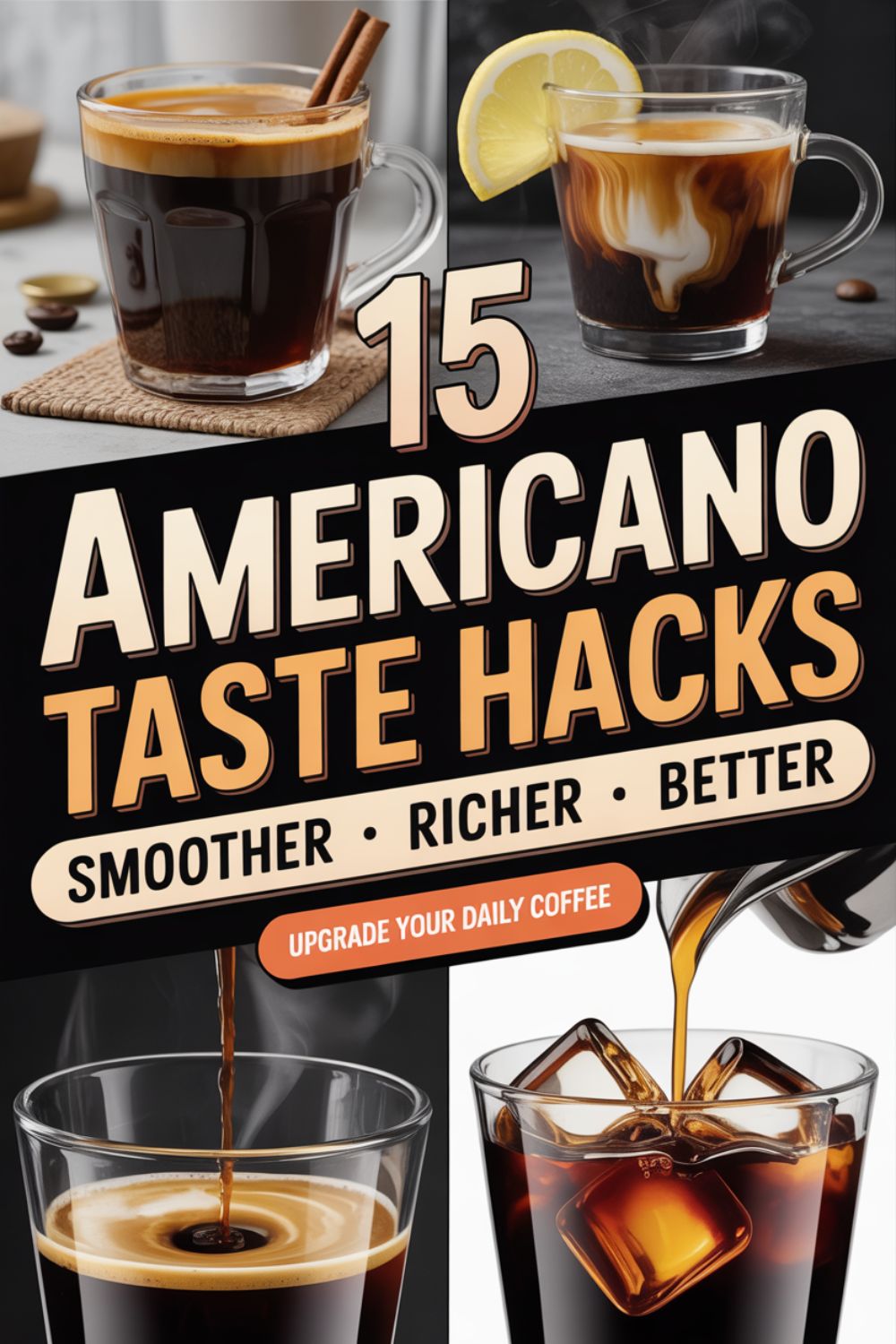
15 Americano Hacks for Better Taste
Look, I get it. You’ve been making Americanos the same way for years—espresso, hot water, done. But what if I told you that tiny tweaks could turn your basic morning ritual into something you’d actually look forward to? No fancy equipment required, no barista certification needed. Just a few clever hacks that make a real difference in your cup.
I’ve spent way too many mornings experimenting with my Americano, trying everything from weird water temperatures to questionable add-ins. Some experiments flopped spectacularly. Others? Game-changers. What you’re about to read isn’t theory—it’s what actually works when you’re half-asleep at 6 AM and need your coffee to not suck.
The beautiful thing about Americanos is their simplicity, but that simplicity also means there’s nowhere to hide. Bad espresso? You’ll taste it. Wrong water temperature? Yep, you’ll notice. But get these fundamentals right, and you’ve got a drink that’s smooth, complex, and way better than whatever you’d pay six bucks for at a chain.
1. Start with the Right Water Temperature
Most people dump boiling water straight into their espresso. Don’t be most people. According to coffee extraction science, water that’s too hot scorches the espresso’s delicate aromatics and amplifies bitterness.
Here’s the sweet spot: let your water cool for about 30 seconds after boiling. You’re aiming for somewhere between 185-195°F. I know, I know—who’s measuring water temperature at dawn? Fair point. The 30-second rule works perfectly without any gadgets. Your Americano will taste smoother, less harsh, and you’ll actually notice those subtle flavor notes you paid extra for.
This single hack transformed my morning routine more than any expensive grinder ever did. The difference is that noticeable. If you want to go deeper into the science, there are some brewing hacks that complement this perfectly.
2. Reverse the Traditional Pour
Traditional wisdom says espresso first, then water. I’m about to tell you to do the opposite, and yes, there’s a method to this madness. Pouring hot water into your cup first, then adding espresso, preserves the crema better and creates a more even extraction.
The science is pretty straightforward: when hot water slams into espresso, it disrupts the crema layer and can create temperature shock. Water first means your espresso gently settles into an already-heated environment. The crema stays intact, floating on top where it belongs, looking like you actually know what you’re doing.
I stumbled onto this accidentally when I was distracted by my phone one morning. Best mistake I ever made. Now I do it every time, and my Americanos consistently taste better. It’s one of those simple switches that makes you wonder why the traditional method stuck around for so long.
3. Play with Your Espresso-to-Water Ratio
The standard Americano ratio is one shot of espresso to about six ounces of water. That’s fine if you like things standard. But experimenting with ratios can completely change your drink’s character without changing any other variables.
Try a 1:4 ratio for something stronger, more intense. Go 1:8 for a lighter, more tea-like experience. I personally lean toward 1:5—it hits that sweet spot where the espresso’s complexity shines without the bitterness that comes from too much concentration. Some mornings I want the 1:4 punch, other days the 1:7 gentleness.
Here’s the thing nobody tells you: your preferred ratio will shift based on the beans you’re using. Darker roasts can handle more water dilution. Lighter roasts need less. Keep a mental note of what works with your current bag, and you’ll nail it every time. For more ratio experiments, check out these coffee drinks you can make without a machine.
4. Use Quality Water (Yes, It Actually Matters)
Water makes up about 98% of your Americano. If you’re using tap water that tastes like chlorine or minerals, guess what your coffee will taste like? The Specialty Coffee Association recommends water with TDS around 150 ppm for optimal extraction.
I’m not saying you need to buy fancy bottled water, but at minimum, filter your tap water. Those cheap Brita pitchers remove chlorine and most of the funky stuff that messes with flavor. If you want to level up, grab a TDS meter and test your water. Aim for that 75-150 ppm sweet spot.
The difference is subtle at first, then you go back to unfiltered water and wonder how you ever drank that. Your coffee tastes cleaner, brighter, more like actual coffee instead of coffee-flavored tap water. This hack costs maybe thirty bucks upfront and improves every cup you make.
5. Time Your Espresso Extraction Perfectly
A proper espresso shot pulls in 25-30 seconds. Go shorter and you’re under-extracted (sour, thin). Go longer and you’re over-extracted (bitter, harsh). Most home machines don’t give you much control here, but paying attention to extraction time can explain why some shots taste incredible and others taste like battery acid.
If your shots consistently run too fast, grind finer. Too slow? Grind coarser. I use a burr grinder because blade grinders create inconsistent particle sizes that mess with extraction timing. Yeah, they’re more expensive, but the difference in shot quality is night and day.
Once you dial in the right grind size for your machine, write it down. Beans change, humidity affects grind, and you’ll thank yourself for keeping notes. I learned this the hard way after wasting an entire bag of expensive beans trying to remember what setting worked last time.
If you’re exploring different brewing methods, these easy coffee recipes for beginners might inspire some experimentation.
6. Preheat Everything
Room temperature cups kill Americanos faster than you can say “lukewarm disappointment.” Run hot water through your cup before building your drink. Takes fifteen seconds, prevents a massive temperature drop that mutes flavors and speeds up cooling.
Same goes for your machine. If you’ve got a home espresso setup, let it fully heat up before pulling shots. I’m talking 15-20 minutes, not the five minutes the manual suggests. Proper temperature stability throughout the brewing process ensures consistent extraction and better crema formation.
I use these double-walled glass cups that keep drinks hot forever without burning your hands. Plus you can see the beautiful espresso-water layering before you stir. Small luxury that makes morning coffee feel less like routine, more like ritual.
7. Experiment with Coffee Origins
Not all espresso beans create equal Americanos. Ethiopian beans bring bright, fruity notes. Colombian beans offer chocolate and caramel sweetness. Brazilian beans give you nutty, low-acid smoothness. Each origin completely changes your drink’s personality.
I rotate through different origins monthly because drinking the same profile gets boring. Right now I’m on a Guatemalan kick—the chocolate notes pair perfectly with my morning routine. Last month’s Kenyan beans were too bright for Americanos but incredible as straight espresso.
Most specialty roasters label their bags with tasting notes and origin details. Pay attention to those. If you like what you’re drinking, buy more from that region. If not, switch it up. The beauty of making Americanos at home is this kind of experimentation costs way less than buying different drinks at cafes. You might also enjoy these homemade coffee recipes using different bean origins.
8. Add Ice for a Different Experience
Hot Americanos are classic, but iced Americanos are underrated. Pull your shots directly over ice cubes made from coffee (not water). Regular ice dilutes flavor as it melts. Coffee ice cubes keep your drink strong from first sip to last.
Make coffee ice cubes by brewing extra coffee, letting it cool, and freezing it in silicone ice cube trays. I keep a stash in the freezer year-round. Game-changer for summer mornings when hot coffee feels like punishment.
The technique: fill your glass with coffee ice, pull two shots of espresso directly over it, add a splash of cold water if you want to tone down the intensity. Stir and enjoy a perfectly chilled Americano that doesn’t turn into coffee-flavored water halfway through. For more cold coffee ideas, check these iced coffee drinks.
9. Mind Your Bean Freshness
Coffee beans peak 4-14 days after roasting. Most grocery store bags are months old. That stale, flat taste you associate with homemade espresso? Usually comes from old beans, not bad technique.
Look for roast dates on bags, not “best by” dates. Buy smaller quantities more frequently. I buy 12-ounce bags that I finish within two weeks. Costs a bit more than bulk buying but the flavor difference justifies the expense.
Store beans in an airtight container away from light, heat, and moisture. Not in the fridge—temperature fluctuations create condensation that ruins beans. Just a cool, dark cabinet. Follow these simple rules and your beans stay fresh enough to make consistently good Americanos.
10. Consider a Pinch of Salt
Sounds weird, I know. A tiny pinch of salt in your Americano cuts bitterness without adding sweetness. It works on a chemical level—sodium ions suppress bitter taste receptors on your tongue.
We’re talking barely visible amounts here. Literally a few grains. Too much and you’ve got salty coffee, which is just sad. The goal is to never taste the salt itself, just experience reduced bitterness and enhanced sweetness from your beans’ natural sugars.
I keep fine sea salt next to my espresso machine for this exact purpose. Some mornings I use it, some I don’t. Depends on the roast and my mood. But for particularly dark roasts that lean bitter, this little trick salvages the cup without adding calories or sugar.
11. Layer in Flavor with Syrups (The Right Way)
Flavored Americanos don’t have to mean sugar bombs. Quality syrups used sparingly can enhance rather than overwhelm. I’m not talking about those neon-colored bottles. Look for natural syrups with real ingredients.
Vanilla works with almost everything. Caramel pairs beautifully with medium roasts. Hazelnut complements nutty bean profiles. Start with just one pump (about half a teaspoon) and adjust from there. Most people overdo it and end up with coffee-flavored syrup instead of syrup-enhanced coffee.
Or make your own syrups—it’s easier than you think. Get Full Recipe for homemade syrups that’ll make your friends think you’re running a secret cafe. Simple syrup infused with cinnamon, cardamom, or orange zest takes Americanos from basic to interesting without much effort.
Kitchen Essentials for Perfect Americanos
After years of trial and error, these are the tools that actually make a difference. Not affiliate spam—just stuff I genuinely use.
Physical Products
- Variable Temperature Electric Kettle – Precision matters more than you think
- Burr Coffee Grinder – Consistent grind equals consistent flavor
- Airtight Coffee Canister – Keep beans fresh, keep coffee good
Digital Resources
- Coffee Ratio Calculator App – Takes guesswork out of brewing
- Bean Origin Guide eBook – Know what you’re buying
- Extraction Troubleshooting Chart – Fix bad shots fast
12. Bloom Your Espresso First
This technique comes from pour-over brewing but works brilliantly for Americanos. If your machine allows manual control, add just a tiny bit of water to the grounds first—like a teaspoon—and wait 5-10 seconds before full extraction.
This “blooming” lets coffee grounds release trapped CO2 and prepare for even extraction. The result? Fuller flavor, better aroma, more balanced taste. Not all home machines let you do this, but if yours does, try it. The difference is subtle but real.
I notice this most with super fresh beans (under a week from roasting) that still have lots of CO2. The bloom helps prevent that overly bright, almost sour note you sometimes get from very fresh espresso. For more brewing techniques, these coffeehouse drinks offer additional methods worth exploring.
13. Master the Stir Technique
How you stir matters more than you’d think. Aggressive stirring breaks up crema and aerates the drink too much, creating a flat taste. Gentle circular stirring incorporates the espresso and water while preserving texture and mouthfeel.
I use a long-handled spoon specifically for this. Three slow circles, maybe four. That’s it. You’re not making a milkshake. The goal is integration without destruction.
Some people don’t stir at all, preferring the layered experience where the first sips are stronger and later sips are lighter. Nothing wrong with that approach—it’s just preference. Try both and see what you like. There’s no wrong answer here, only different experiences.
14. Try Different Roast Levels
Most people default to dark roasts for Americanos because that’s what cafes typically use. But medium roasts often work better—less bitter, more complex, better acid balance. Light roasts can be incredible if you like bright, fruity notes, though they’re harder to dial in.
Dark roasts are forgiving and consistent, which is why commercial places use them. Medium roasts require better technique but reward you with more interesting flavor profiles. Light roasts are finicky perfectionists that punish bad extraction but sing when everything’s right.
I keep three different roast levels in rotation and choose based on my morning vibe. Rough night? Dark roast comfort. Feeling adventurous? Light roast complexity. Standard Tuesday? Medium roast reliability. Variety keeps things interesting and helps you understand how roast level affects flavor. You might also like these fall coffee recipes that play with different roast profiles.
15. Clean Your Equipment Religiously
Coffee oils build up in grinders and machines, turning rancid and tainting every cup you make. Weekly backflushing for espresso machines. Daily rinsing for grinders. Monthly deep cleaning for everything. This isn’t optional—it’s mandatory for good coffee.
I use espresso machine cleaning tablets weekly and grinder cleaning pellets monthly. Takes maybe ten minutes total. The difference in taste is immediate and obvious. Clean equipment makes noticeably better coffee.
Descaling is another thing people skip until their machine dies. Mineral buildup from water affects temperature stability and flow rate, both critical for proper extraction. Descale every 2-3 months depending on water hardness. Your machine will last longer and your coffee will taste better. Worth the minimal effort.
For maintenance tips beyond just coffee equipment, explore these coffee bar essentials that make upkeep easier.
Frequently Asked Questions
What’s the difference between an Americano and regular drip coffee?
An Americano is espresso diluted with hot water, while drip coffee is made by pouring water through grounds. The Americano has a richer, more concentrated flavor with a layer of crema on top. Drip coffee tends to be lighter-bodied and more subtle. Both use the same beans, but the brewing method creates totally different taste profiles and textures.
Can I make a good Americano without an espresso machine?
Technically no, but you can get close with a Moka pot or AeroPress. Neither produces true espresso (which requires 9 bars of pressure), but they make strong, concentrated coffee that works well when diluted with hot water. The flavor won’t be identical, but it’s a decent approximation if you don’t have an espresso machine. Check out coffee drinks you can make without a machine for alternatives.
How much caffeine is in an Americano compared to regular coffee?
A standard Americano (one shot of espresso plus water) has about 60-80mg of caffeine. An 8-ounce cup of drip coffee typically has 95-165mg. However, double-shot Americanos match or exceed drip coffee’s caffeine content. The concentration is higher in espresso, but the volume is smaller, so it depends on how many shots you use.
Should I add milk or cream to an Americano?
You can, but then it’s not really an Americano anymore—it’s closer to a latte or flat white. The whole point of an Americano is to enjoy espresso’s complexity without milk masking the flavors. That said, your coffee, your rules. A splash of cream won’t hurt if that’s what you enjoy. Just know you’re missing out on the pure espresso experience.
Why does my Americano taste bitter even with good beans?
Usually it’s over-extraction from too-fine grinding, too-hot water, or old beans. Check your grind size first—coarsen it slightly. Make sure your water isn’t boiling (185-195°F is ideal). And verify your beans are fresh, ideally within 2-3 weeks of roasting. If all that checks out, try the salt trick mentioned earlier—it helps cut bitterness chemically.
Final Thoughts
These fifteen hacks aren’t revolutionary individually, but combined they transform your Americano from something you drink out of necessity into something you actually enjoy. The beauty is you don’t need to implement all of them at once. Pick two or three that seem most relevant to your current setup and start there.
I’ve been making Americanos for years, and I’m still tweaking things. Some mornings I nail it perfectly. Other mornings I remember why these hacks exist in the first place. The goal isn’t perfection—it’s consistent improvement. Better coffee today than yesterday, better next week than this week.
What surprised me most wasn’t that these techniques work, but how much they compound. Water quality plus proper temperature plus fresh beans plus correct ratio equals exponentially better coffee than just doing one thing right. It’s like cooking—individual ingredients matter, but the magic happens when everything comes together.
Start experimenting. Take notes. Figure out what works for your taste, your beans, your equipment. The “right” Americano is the one you want to drink, not what some guide (including this one) tells you is correct. These hacks give you a framework, but you build the house.