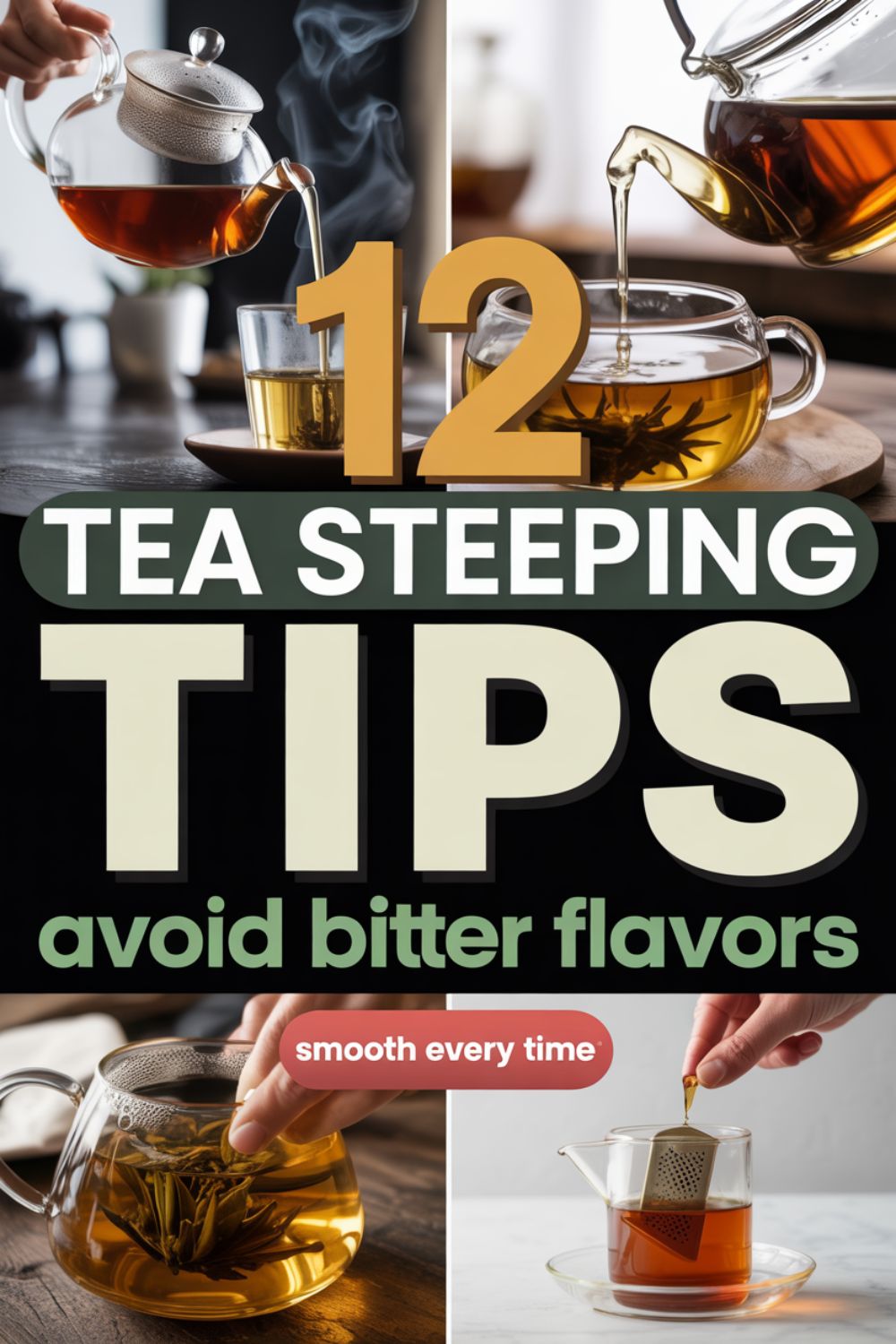
12 Tea Steeping Tips to Avoid Bitter Flavors
You know that moment when you’re actually looking forward to a cup of tea, you steep it like you always do, and then—boom—it tastes like you’re drinking liquid regret? Yeah, we’ve all been there. That bitter, mouth-puckering disaster that makes you wonder if tea leaves are secretly out to get you.
Here’s the thing: tea doesn’t have to be bitter. In fact, when you get it right, it’s downright amazing. But there’s a fine line between “perfectly balanced” and “why did I do this to myself,” and most of us are stumbling around in the dark trying to figure it out.
I’ve wasted more tea bags than I’d like to admit before finally cracking the code. Turns out, there are some pretty specific things that turn your brew from delightful to disastrous, and once you know them, you’ll never go back. Let’s fix your bitter tea problem once and for all.

1. Stop Boiling Your Water to Death
First mistake most people make? They treat all tea like it’s some industrial-strength cleaning agent that needs boiling water to activate. Newsflash: different teas need different temperatures, and if you’re dumping 212°F water on delicate green tea, you’re basically committing tea murder.
Green and white teas are the divas of the tea world. They need cooler water—around 160-185°F for green tea and even cooler for white tea. When water’s too hot, it extracts way too many tannins, those compounds that make your mouth feel like the Sahara Desert. Black teas can handle hotter water (200-212°F), but even they have limits.
I learned this the hard way with a gorgeous Japanese sencha that I absolutely obliterated with boiling water. It was like drinking grass clippings mixed with spite. Now I use a variable temperature kettle that lets me dial in exactly what I need. Game changer.
💡 Pro Tip
Don’t have a fancy thermometer? Let boiling water sit for 30 seconds for black tea, 2-3 minutes for green tea, and 4-5 minutes for white tea. It’s not perfect, but it’s way better than scorching everything.
2. Watch the Clock (Seriously)
I get it—you’re busy. You put the kettle on, start the steep, and then suddenly you’re answering emails or scrolling through your phone and BAM, it’s been 10 minutes. This is how bitter tea happens, my friend.
Steeping time matters as much as temperature. Green tea? 1-3 minutes max. Black tea? 3-5 minutes. White tea? 4-5 minutes. Herbal can go longer (5-7 minutes), but everything else should be watched like a hawk.
The science is simple: the longer tea steeps, the more tannins get extracted, and tannins equal bitterness. It’s not rocket science, but it does require setting a timer. I use my phone timer religiously now, and honestly, it’s made all the difference.
“I used to think I just hated tea because it was always so bitter. Then I actually started timing my steeps and realized I’d been oversteeping everything by like 5 minutes. Now I’m obsessed with green tea. Who knew?”
If you’re serious about getting this right, grab a simple tea timer. They’re cheap, they work, and they’ll save you from that oh-no-I-forgot-again moment that ruins perfectly good tea.
Speaking of getting your timing right, if you’re looking to expand your tea repertoire beyond the basics, check out some calming tea recipes that can help you unwind after a long day.
3. Use the Right Amount of Tea
Here’s where people get creative in all the wrong ways. Too much tea = bitter. Too little tea = weak and still somehow bitter. It’s a delicate balance, and most of us are just guessing.
The general rule? One teaspoon per cup for most teas. But here’s the catch: a teaspoon of dense rolled oolong is way different than a teaspoon of fluffy white tea. You kinda have to eyeball it after a while, but starting with the standard measurement will get you close.
I keep a dedicated tea scoop right next to my tea stash. It’s marked for different tea types, which takes the guesswork out of it. Plus, it makes me feel like a tea scientist, which is honestly half the fun.
4. Your Water Quality Actually Matters
Plot twist: it’s not always the tea’s fault. Sometimes your water is the problem. If you’re using hard water (the kind that leaves crusty buildup on your kettle), you’re fighting an uphill battle. Minerals in hard water can make tea taste bitter and flat, no matter what you do.
I switched to filtered water for my tea, and it was like night and day. Suddenly, teas I thought I didn’t like became my favorites. If you’re on the fence about this, just try it once. Fill one cup with tap water tea and one with filtered water tea. The difference will convince you faster than I ever could.
A simple water filter pitcher is all you need. Nothing fancy, nothing expensive. Just cleaner water that lets your tea actually taste like tea.
⚡ Quick Win
Can’t filter your water? Boil it and let it cool. It won’t remove all minerals, but it’ll help reduce chlorine and some other taste-killers.
5. Store Your Tea Like It’s Not a Science Experiment
You wouldn’t leave coffee beans sitting in direct sunlight next to your stove, right? So why do we do this with tea? Light, heat, moisture, and air are tea’s worst enemies, and most of us are basically serving our tea up to all four at once.
Proper tea storage isn’t complicated, but it makes a massive difference. Keep your tea in an airtight container, away from light, in a cool dry place. That’s it. That’s the whole secret.
I used to keep my tea in those cute clear glass jars on the counter because they looked nice. Yeah, they looked nice full of stale, bitter tea. Now everything goes in opaque airtight tea tins, tucked away in a cabinet. My tea actually tastes fresh for more than a week now.
If you’re interested in creating your own tea blends and want to package them properly for gifts or personal use, you might find inspiration in these DIY tea blend ideas.
6. Stop Squeezing Tea Bags
I know, I know—you want to get every last drop out of that tea bag. But when you squeeze it, you’re basically wringing out extra tannins and making your tea more bitter. Just… don’t.
Let the tea bag drain naturally. Give it a gentle shake if you must, but resist the urge to squeeze. Your tea will thank you, and so will your taste buds.
IMO, this is one of those things that seems minor but makes a noticeable difference. I was a serial tea bag squeezer until I stopped, and suddenly my bagged teas stopped tasting so harsh.
7. Give Your Tea Leaves Room to Breathe
If you’re using loose leaf tea (which you should, because it’s better), don’t cram it into one of those tiny tea ball infusers. Tea leaves need space to expand and release their flavor properly. When they’re all squished together, you get uneven extraction and—you guessed it—bitterness.
I switched to a basket-style infuser that gives leaves plenty of room to dance around, and the difference was immediately obvious. The tea tastes smoother, more balanced, and way less angry.
💡 Pro Tip
If you can, use a teapot with a built-in infuser or just steep the leaves directly in the pot and strain them out when you pour. Maximum flavor, minimum bitterness.
8. Don’t Re-Steep the Wrong Teas
Here’s where it gets interesting: some teas can be steeped multiple times (looking at you, oolong and pu-erh), but others really can’t. Trying to get a second steep out of a tea that’s already given you everything it’s got is just going to result in bitter sadness.
Green and black teas? Usually one steep unless they’re really high quality. Oolong, white, and pu-erh? These babies can go 3-5 rounds easily, sometimes more. Each steep brings out different flavors, and honestly, some of my favorite cups have been the second or third steep.
FYI, when you’re re-steeping, you usually need to increase the time slightly with each round. Start where you left off and add 30 seconds to a minute per steep.
For more creative ways to enjoy tea throughout the day, explore these warming winter beverages that can complement your tea routine during colder months.
9. Consider the Tea Grade and Quality
Not all tea is created equal. Sometimes your tea is bitter because, well, it’s not great tea. Lower quality teas, old teas, or teas that have been sitting on the shelf forever are more prone to bitterness no matter what you do.
Broken leaves, dust, and fannings (the stuff that goes into most tea bags) have more surface area, which means faster, harsher extraction. Whole leaf teas give you more control and better flavor.
You don’t have to break the bank on fancy tea, but buying from a reputable source that actually cares about freshness makes a difference. I get most of mine from specialty tea shops that source directly from growers, and the quality difference is worth the few extra bucks.
Tea Essentials That Actually Make a Difference
After years of trial and error (and way too much bitter tea), these are the tools and resources that genuinely improved my tea game. Not fancy, just functional.
Variable Temperature Electric Kettle
Precise temperature control means no more guessing games. Set it, forget it, get perfect tea every time.
Basket Tea Infuser
Give your leaves room to expand. Way better than those cramped little balls that squeeze all the joy out of your tea.
Airtight Tea Storage Tins
Keep tea fresh longer. Light-proof, airtight, and they actually work. No more stale tea three days after opening.
Digital Tea Timer
Never oversteep again. Clip it to your cup, set it, and actually remember to take your tea out on time.
Tea Tasting Journal (Digital Download)
Track what works and what doesn’t. Note temperatures, times, and results so you can actually replicate your perfect cup.
Ultimate Tea Brewing Guide (PDF)
Quick reference chart for every tea type. Temperatures, times, and ratios all in one place. Print it, stick it on your fridge, never wonder again.
10. Experiment with Cold Brewing
Plot twist: if you’re really struggling with bitterness, just avoid hot water altogether. Cold brewing tea is basically foolproof because the lower temperature doesn’t extract tannins the same way.
Throw some tea in cold water, stick it in the fridge overnight (or at least 4-6 hours), and wake up to smooth, sweet tea with zero bitterness. It’s magical. Green tea, white tea, and even some black teas work great this way.
I keep a cold brew tea pitcher in my fridge during summer. Just refill it every night, and boom—perfect iced tea waiting for me in the morning. No fuss, no bitter disappointment.
“Cold brewing changed everything for me. I thought I hated green tea, turns out I just hated hot green tea that I’d been brewing wrong for years. Cold brew green tea is sweet, refreshing, and actually makes me want to drink it.”
If you’re exploring cold beverage options beyond tea, you’ll love these cold brew coffee variations that are perfect for hot summer days.
11. Pre-Rinse Your Tea Leaves
This is a technique mostly used with oolong and pu-erh teas, but it can help with others too. A quick rinse wakes up the leaves and removes any dust or impurities that might contribute to off flavors.
Just pour a little hot water over your leaves, swirl it around for 5-10 seconds, then dump it out. Then do your actual steep. It’s a traditional practice in Chinese tea culture, and while it seems extra, it genuinely makes a difference with certain teas.
I do this religiously with my oolongs now. The first rinse smells amazing and the actual tea tastes cleaner and more refined. Is it necessary for every tea? No. Does it help? Absolutely.
12. Know When to Add Sweeteners or Milk
Look, I’m not a tea purist. If you like your tea sweet or with milk, go for it. But here’s the thing: adding stuff to cover up bitterness is a band-aid, not a solution. If your tea tastes good on its own, then you can add extras as a preference, not a necessity.
That said, some teas are traditionally enjoyed with additions. Black tea with milk is classic for a reason. Some green teas benefit from a tiny bit of honey. But if you’re drowning everything in sugar and milk just to make it drinkable, maybe it’s time to fix your brewing technique instead.
I used to dump honey in everything because I thought tea was supposed to be bitter and you just had to deal with it. Now I rarely add anything because my tea actually tastes good. What a concept.
⚡ Quick Win
If your tea is already bitter, a tiny pinch of salt can help neutralize it. Sounds weird, works surprisingly well. Don’t go overboard though—we’re talking a few granules, not a shake.
For those who enjoy experimenting with different tea and food combinations, these tea and biscuit pairings can elevate your afternoon tea experience significantly.
Frequently Asked Questions
Why does my tea taste bitter even when I follow the instructions?
Several factors beyond basic instructions can cause bitterness. Your water quality might be the culprit—hard water with high mineral content can make even properly steeped tea taste bitter. The age and storage condition of your tea matters too. Old or improperly stored tea loses its delicate flavors and becomes more prone to bitterness. Additionally, the tea grade itself plays a role—lower quality teas with lots of broken leaves extract faster and harsher than whole leaf varieties.
Can I fix tea that’s already bitter?
While you can’t completely reverse bitterness, you can salvage a bitter cup. Try adding a tiny pinch of salt to neutralize some of the bitter compounds—just a few granules will do. Diluting with hot water or ice can help, though it’ll weaken the flavor overall. A small amount of sweetener like honey or a splash of milk can also mask bitterness, but these are band-aids rather than solutions. The best approach is to prevent bitterness in the first place by controlling steeping time and temperature.
How long does loose leaf tea stay fresh?
Most teas stay fresh for 6-12 months when stored properly in airtight, opaque containers away from light, heat, and moisture. Green and white teas are more delicate and best consumed within 6 months. Black teas and oolongs can last up to a year or more. Pu-erh teas are unique—they can actually improve with age when stored correctly. The key is noticing when your tea starts losing its aroma or developing a stale smell, which indicates it’s past its prime and more likely to taste bitter or flat.
Do different tea types really need different water temperatures?
Absolutely yes, and this is one of the most common reasons for bitter tea. Green and white teas contain delicate compounds that become harsh and bitter at high temperatures, requiring cooler water around 160-185°F. Black teas are more robust and can handle near-boiling water at 200-212°F. Oolongs fall somewhere in between at 185-200°F. Using the wrong temperature extracts the wrong compounds—too hot pulls excessive tannins, too cool results in weak, underwhelming tea.
Is cold brewing tea healthier than hot brewing?
Cold brewing doesn’t necessarily make tea healthier, but it does extract compounds differently. Cold water doesn’t pull out as many tannins, resulting in a smoother, less bitter taste with lower caffeine content. Some studies suggest cold brewing may preserve certain antioxidants better, though hot brewing extracts more catechins overall. The real benefit is consistency—cold brewing is nearly impossible to mess up, so you’re more likely to actually enjoy and drink your tea regularly, which is better than perfectly brewed hot tea that sits untouched because it’s too bitter.
The Bottom Line on Bitter Tea
Here’s what I’ve learned after years of bitter tea failures: it’s not the tea, it’s you. And I say that with love, because it was definitely me for the longest time.
Most bitterness issues come down to just a few simple fixes: water that’s too hot, steeping that’s too long, or tea that’s too old. Get those three things right, and you’re already miles ahead of where you were.
The fancy stuff—variable temperature kettles, special infusers, cold brew pitchers—they help, but they’re not essential. What’s essential is paying attention. Set a timer. Check your water temperature. Use fresh tea. Store it properly. That’s literally it.
Your perfect cup of tea is waiting for you. It’s not hidden behind some mystical tea ceremony or expensive equipment. It’s just a matter of understanding what your tea needs and actually giving it that. Once you do, you’ll wonder why you ever put up with bitter, unpleasant tea in the first place.
Now go make yourself a cup of tea the right way. You’ve got this.
Similar Posts
17 Matcha Recipes for Weight Management That Actually Taste Good
17 Matcha Recipes for Weight Management | Plateful Life Plateful Life Weight Management 17 Matcha Recipes for Weight Management That Actually Taste Good From morning lattes to protein-packed smoothies, these matcha recipes support your metabolism without making you feel like you’re on a diet. 17 Recipes Easy Difficulty 5-15 min Prep Time Let me be…
10 Unexpected Tea and Savory Food Pairings
10 Unexpected Tea and Savory Food Pairings 10 Unexpected Tea and Savory Food Pairings Because Your Taste Buds Deserve an Adventure Look, I’ll level with you—when most people think about tea pairings, their minds immediately jump to scones, cookies, or maybe some delicate finger sandwiches at a fancy afternoon tea. But what if I told…
27 Tea Party Recipes for Easter Brunch That Will Genuinely Impress
27 Tea Party Recipes for Easter Brunch – Plateful Life PlatefulLife Home › Tea & Coffee › Tea Party Recipes Easter Brunch Edition 27 Tea Party Recipes for Easter Brunch That Will Genuinely Impress From dainty cucumber sandwiches to lavender scones and pastel petit fours — your springtime spread starts here. 27 Recipes Tea Party…
19 Healthy Coffee Recipes for Busy Moms
19 Healthy Coffee Recipes for Busy Moms | Plateful Life Plateful Life Coffee & Drinks Healthy Recipes • Mom Life • Quick & Easy 19 Healthy Coffee Recipes for Busy Moms No drive-through. No $7 lattes loaded with mystery syrup. Just real, delicious coffee you can actually feel good about — and make in under…
21 Matcha Drinks for Graduation Celebrations
21 Matcha Drinks for Graduation Celebrations | Plateful Life Graduation Drinks Guide 21 Matcha Drinks for Graduation Celebrations Gorgeous, crowd-pleasing matcha drinks that make any grad party feel seriously special — no barista required. Plateful Life21 RecipesBeginner-FriendlyParty-Ready Graduation season is that beautiful, slightly chaotic stretch of time when you need a drink that works as…