
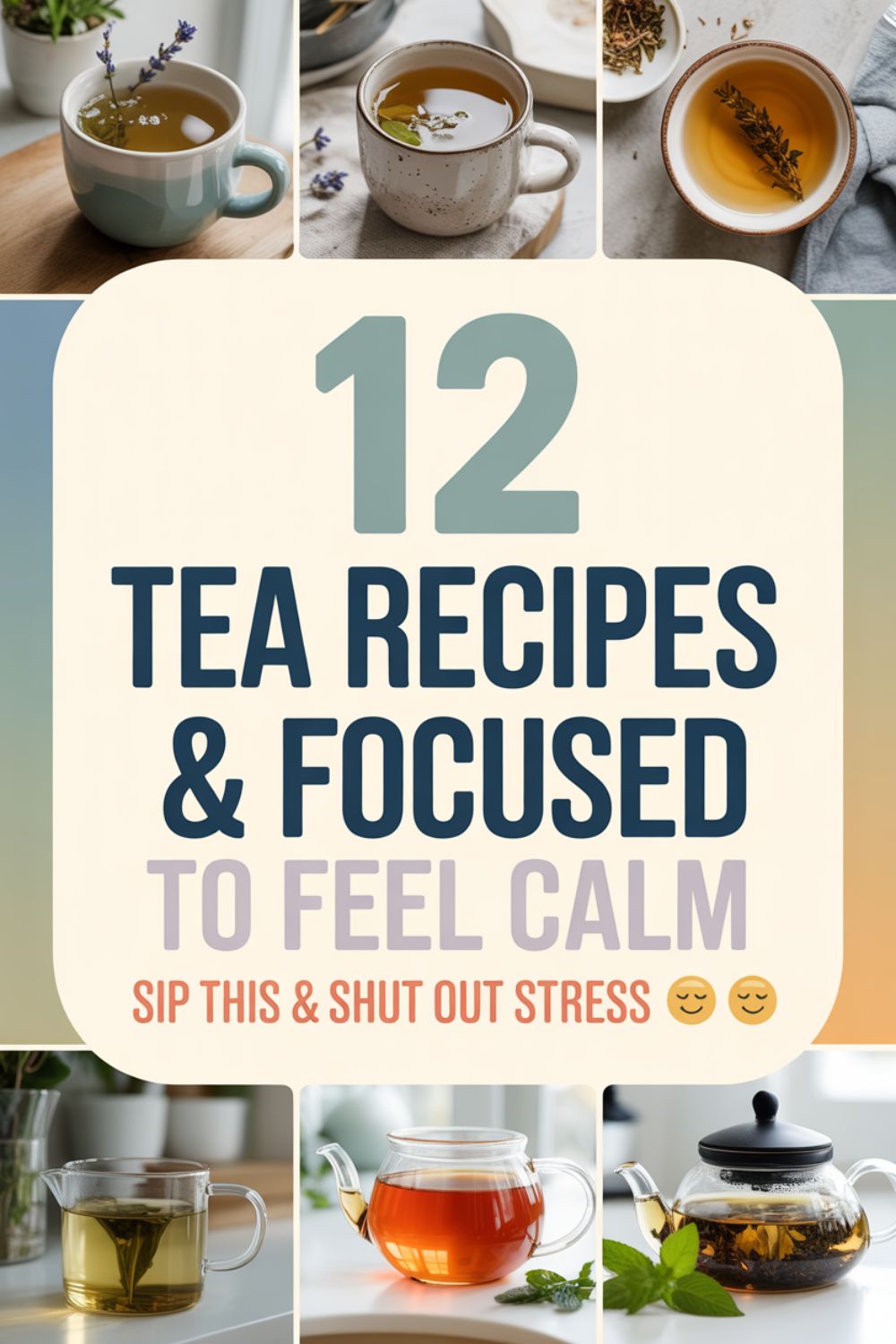
12 Tea Recipes to Make You Feel Calm and Focused
You know that moment when your brain feels like a browser with 47 tabs open, your shoulders are somewhere near your ears, and you’re three seconds away from stress-eating an entire sleeve of cookies? Yeah, we’ve all been there. But before you reach for that fourth cup of coffee (which, let’s be honest, isn’t helping), let me introduce you to something that actually works: tea.
Not just any tea, though. We’re talking about intentional, carefully crafted tea recipes that’ll help you find that sweet spot between calm and focused. That zen-like state where you’re productive but not jittery, relaxed but not ready to nap under your desk.
I’ve spent the better part of a year experimenting with different tea combinations, and what I’ve learned is this: the right tea blend can genuinely transform your day. Research shows that compounds in tea like L-theanine work with caffeine to promote steady energy and improved focus without those unwanted side effects we get from coffee. Pretty cool, right?
So grab your favorite mug (mine’s chipped but I refuse to part with it), and let’s dive into 12 tea recipes that’ll help you feel like you’ve got your life together—even if your inbox says otherwise.
Why Tea Works Better Than You Think
Before we get into the recipes, let me geek out for just a second about why tea is actually the superior choice for mental clarity. Coffee gives you a quick hit of energy, sure, but it’s like riding a rollercoaster—fun at first, then you’re holding on for dear life hoping you don’t crash.
Tea, on the other hand, contains L-theanine, this amazing amino acid that basically tells your brain to chill while staying sharp. It’s like having a personal zen master in your cup. Studies have shown that L-theanine improves relaxation and reduces tension starting at just 200mg—about what you’d find in a strong cup of green tea.
The magic happens when L-theanine teams up with caffeine. You get the alertness without the anxiety, the energy without the edge. It’s basically the perfect work-from-home beverage, IMO.
1. Classic Green Tea with Honey and Lemon
Let’s start simple. This is your gateway tea—the one that’ll convince you that tea isn’t just hot water pretending to be interesting. Green tea is packed with EGCG (epigallocatechin gallate, if you want to impress your friends), which research suggests can cross the blood-brain barrier and directly improve cognitive function.
I brew mine in this glass teapot because watching the leaves unfurl is oddly therapeutic. Plus, you can see exactly when it hits that perfect golden color. Get Full Recipe
What you need: 1 tsp quality green tea leaves, 8 oz hot water (not boiling—that’s barbaric), 1 tsp raw honey, fresh lemon wedge. Steep for 3 minutes, add honey while hot, squeeze in lemon. Done.
The honey isn’t just for sweetness—it contains trace minerals and helps smooth out any bitterness. And the lemon? It actually increases your body’s absorption of the antioxidants. Science is cool like that.
2. Chamomile Lavender Dream
This is my go-to when I need to decompress after a particularly chaotic day. Chamomile has been calming people down for literally thousands of years, and there’s actual science backing it up. It contains apigenin, an antioxidant that binds to certain receptors in your brain that may promote sleepiness and reduce anxiety.
I keep my lavender in one of these airtight containers because dried flowers lose their potency fast. FYI, a little lavender goes a long way—too much and your tea tastes like you’re drinking potpourri.
What you need: 2 tsp dried chamomile flowers, 1/2 tsp dried lavender buds, 10 oz hot water, optional honey to taste. Steep for 5 minutes.
If you’re loving these calming vibes, you might want to check out these easy homemade coffee recipes for mornings when you need a different kind of boost, or explore quick coffee drinks with 3 ingredients or less when you’re in a rush.
3. Matcha Mint Focus Blend
Okay, I know matcha has become kind of a cliché, but there’s a reason it’s everywhere. This stuff is green tea on steroids—you’re literally consuming the whole leaf, which means you get way more benefits. Plus, it has this unique ability to make you feel simultaneously relaxed and ready to tackle your to-do list.
The mint addition is my own twist. Peppermint can actually stimulate parts of the brain connected with alertness, which pairs perfectly with matcha’s calm-but-focused energy. I use this bamboo whisk for mixing because it prevents clumps way better than a regular spoon.
What you need: 1 tsp ceremonial grade matcha powder, 4 oz hot water (175°F), 4 oz warm milk of choice, 5-6 fresh mint leaves, 1 tsp maple syrup.
Whisk the matcha with hot water until frothy, muddle the mint leaves with maple syrup, add warm milk, combine. It sounds fussy but takes about 3 minutes total.
4. Ginger Turmeric Clarity Tea
This one’s for when you need to clear the mental fog. Fresh ginger has been shown to improve brain function and protect against age-related decline. Turmeric contains curcumin, which crosses the blood-brain barrier and has anti-inflammatory effects that support cognitive health.
Fair warning: this tea is spicy. Not like “oops that’s hot” spicy, more like “whoa, I’m awake now” spicy. I grate my ginger with this microplane because it gives you the perfect texture—fine enough to release all those good compounds but not so fine that you’re drinking ginger mush.
What you need: 1-inch piece fresh ginger (peeled and grated), 1/2 tsp ground turmeric, pinch of black pepper (essential—it increases turmeric absorption by 2000%), 10 oz hot water, honey and lemon to taste.
Steep everything together for 10 minutes, strain, add honey and lemon. The black pepper tastes like nothing but makes all the difference in bioavailability.
Speaking of spicy and warming drinks, if you’re into bold flavors, you’d probably enjoy these cozy fall coffee recipes too.
5. Peppermint Rose Hip Refresher
This is basically a hug in a cup. Peppermint improves mental focus and reduces stress, while rose hips are loaded with vitamin C—which, fun fact, your brain needs more of than any other organ. I started drinking this when I realized my afternoon slump was becoming more of an afternoon coma.
The combination is refreshing without being overwhelming. You can drink it hot or cold, though I prefer it iced with these reusable straws during summer months. Get Full Recipe
What you need: 1 tbsp dried peppermint leaves, 1 tbsp dried rose hips, 12 oz boiling water, optional touch of stevia if you like it sweet.
Steep for 7 minutes. The rose hips need a bit longer than most herbs to really release their goodness. Strain and enjoy.
6. Holy Basil (Tulsi) Adaptogen Elixir
Alright, this is where we get into the more exotic territory. Holy basil, or tulsi, is considered an adaptogen—basically a plant that helps your body handle stress better. It’s been used in Ayurvedic medicine for centuries, and modern research backs up its stress-reducing properties.
I was skeptical at first (I mean, how different can one herb really be?), but after drinking this regularly for a month, I noticed I wasn’t getting as worked up about minor annoyances. It’s subtle but effective.
What you need: 2 tsp dried tulsi leaves, 10 oz hot water, 1/2 tsp raw honey, tiny pinch of cardamom (optional but delicious).
Steep tulsi and cardamom for 5 minutes, strain, stir in honey. The cardamom adds this warm, slightly sweet complexity that makes the tea feel special rather than medicinal.
Tea Tools That Actually Matter
Look, you don’t need fancy equipment to make great tea. But after trying approximately all the things, here are the tools that genuinely make the process easier and more enjoyable:
Physical Products
Glass teapot with infuser – Watching your tea brew is surprisingly meditative, plus you know exactly when it’s ready.
Electric kettle with temperature control – Different teas need different temps. This eliminates the guesswork.
Airtight tea storage containers – Keeps your loose leaf tea fresh way longer. Label them or you’ll forget what’s what.
Digital Resources
Tea brewing timer app – Sets different timers for different teas. No more guessing or over-steeping.
Herbal tea recipe ebook – 50+ blends with exact measurements. Takes the guesswork out of experimentation.
Online tea masterclass – If you want to really nerd out on tea ceremony and preparation techniques.
7. Lemon Balm Serenity Sipper
Lemon balm is one of those herbs that doesn’t get enough credit. It’s been used for centuries to reduce stress and improve mood, and some studies suggest it may help with anxiety-related sleeplessness. The flavor is bright and citrusy without actually using citrus.
I grow my own lemon balm because it’s basically impossible to kill (seriously, even I can’t mess this up), and fresh is so much better than dried. But if you’re not into gardening, dried works fine.
What you need: 2 tbsp fresh lemon balm leaves (or 1 tbsp dried), 8 oz hot water, 1 tsp honey, optional splash of vanilla extract.
Steep for 5-7 minutes. The vanilla is unconventional but adds this subtle sweetness that makes the whole thing more comforting. Try it before you judge me. Get Full Recipe
8. Oolong Ginseng Power Tea
This is my secret weapon for afternoon meetings when I need to sound like I have my act together. Oolong tea sits somewhere between green and black tea in terms of oxidation, giving you a nice caffeine boost without going overboard. Add ginseng, which traditional Chinese medicine has used for cognitive enhancement for ages, and you’ve got yourself a serious focus formula.
Real talk: ginseng can be a bit earthy and, uh, medicinal. But when you pair it with oolong, the flavors balance each other perfectly. I steep mine in this gaiwan because it gives you more control over the strength.
What you need: 1 tsp oolong tea leaves, 1/2 tsp dried ginseng root (or 1 ginseng tea bag), 10 oz water at 195°F, touch of honey.
Steep for 3-4 minutes. Oolong can be re-steeped multiple times, and honestly, the second steep is often the best.
Need more ideas for productive mornings? Check out these 5-minute coffee drinks for when tea just won’t cut it, or explore coffee smoothies for breakfast to switch things up.
9. Passionflower Peace Tea
Here’s a weird one that totally works. Passionflower has been shown in studies to help reduce anxiety without making you drowsy—which is exactly what we want for daytime calm. It works by increasing levels of gamma-aminobutyric acid (GABA) in the brain, which lowers brain activity and helps you feel more relaxed.
The taste is mild and slightly grassy, so I usually mix it with something more flavorful. On its own, it’s fine but not exactly exciting.
What you need: 1 tsp dried passionflower, 1 tsp dried chamomile, 8 oz hot water, lemon wedge, honey to taste.
Steep both herbs together for 8 minutes, squeeze in lemon, add honey. The chamomile gives it more body and makes the flavor more interesting.
10. Rooibos Vanilla Comfort Blend
Rooibos is technically not tea (it’s from a different plant), but I’m including it because it’s too good to leave out. It’s naturally caffeine-free, which makes it perfect for evening drinking when you want to wind down but still want something substantial.
Rooibos has this naturally sweet, almost nutty flavor that pairs beautifully with vanilla. Plus, it’s loaded with antioxidants and minerals. I keep vanilla bean paste in my pantry specifically for this tea because extract just doesn’t hit the same. Get Full Recipe
What you need: 2 tsp rooibos tea, 1/4 tsp vanilla bean paste (or 1/2 tsp vanilla extract), 10 oz boiling water, splash of oat milk, optional cinnamon stick.
Steep rooibos with cinnamon stick for 5 minutes, remove cinnamon, stir in vanilla and oat milk. It’s like a cozy blanket in beverage form.
This pairs wonderfully with coffee desserts if you’re entertaining or just want to treat yourself.
11. White Tea Rose Meditation Blend
White tea is the least processed of all teas, which means it retains the most antioxidants. It’s also the most delicate—subtle, slightly sweet, with none of the bitterness you can get from over-steeped green or black tea. Perfect for when you need gentle focus rather than aggressive energy.
Adding rose petals (food-grade only, please) gives it this elegant, floral note without making it taste like perfume. It’s sophisticated and calming.
What you need: 2 tsp white tea (silver needle is my favorite), 1 tsp dried rose petals, 8 oz water at 175°F, optional tiny drizzle of honey.
Steep for 4-5 minutes. White tea is forgiving—hard to over-steep—which makes it perfect for distracted tea drinkers like me.
12. Licorice Root Zen Brew
Okay, I know licorice is divisive. People either love it or think it tastes like cough medicine had a baby with black jelly beans. But hear me out: licorice root is naturally sweet (like, 50 times sweeter than sugar), which means you don’t need added sweeteners. Plus, it has adaptogenic properties that help your body manage stress.
I blend it with other herbs to mellow out the licorice flavor while still getting the benefits. Works like a charm.
What you need: 1/2 tsp dried licorice root, 1 tsp dried peppermint, 1 tsp green tea, 10 oz hot water.
Steep everything together for 4 minutes. The licorice provides sweetness, the peppermint adds freshness, and the green tea gives you gentle energy. It’s balanced.
For more creative beverage ideas, don’t miss these homemade coffee syrups or vegan coffee creamer recipes that’ll upgrade your entire morning routine.
How to Actually Make This a Habit
Here’s the thing about tea—it only works if you actually drink it. Groundbreaking insight, I know. But I’m serious: having the perfect recipe won’t help if your tea supplies are buried in the back of your pantry behind that expired quinoa.
What worked for me: I set up a little tea station on my counter with everything within reach. This three-tier stand holds all my teas, my kettle’s always filled, and my favorite mugs live right next to it. Zero friction means I actually follow through.
I also started treating my afternoon tea like an actual appointment. Not in a rigid, stress-inducing way, but in a “this is my time to reset” way. Three o’clock rolls around, I make tea, I step away from my computer for 10 minutes. Game changer.
Customizing Your Blends
Once you’ve tried these recipes, feel free to experiment. Tea isn’t precious—you’re not going to ruin anything by trying different combinations. Some of my best blends happened by accident when I was cleaning out my tea drawer.
Start with a base (green, black, white, oolong, or herbal), add something for calm (chamomile, lavender, lemon balm), add something for focus (ginseng, peppermint, ginger), and adjust to taste. Write down what you try so you can recreate the winners.
I keep notes in this little tea journal because my memory is terrible, and future me appreciates having the recipe when I create something amazing.
Plenty of people are mixing up their daily beverage game. Sarah from our community switched to matcha in the afternoons and says she’s sleeping better and getting more done during the day. Mike replaced his 4pm coffee with ginger turmeric tea and hasn’t had an afternoon energy crash in months. These are real people finding real benefits from better beverage choices.
The Ritual Matters As Much As the Tea
This might sound woo-woo, but the act of making tea is almost as valuable as drinking it. It forces you to slow down for a few minutes. You can’t rush steeping time (well, you can, but then your tea tastes terrible).
I’ve started using those few minutes of steeping time to just… exist. No phone scrolling, no email checking. Just standing there watching the colors bloom in the water, feeling the warmth of the cup, actually tasting what I’m drinking.
It’s become this tiny meditation practice I actually stick with, unlike all those meditation apps I’ve downloaded and immediately ignored.
Frequently Asked Questions
How long does it take to feel the calming effects of these teas?
Most people notice effects within 30-60 minutes of drinking tea, though it varies by individual and which herbs you’re using. L-theanine from green tea works relatively quickly, while adaptogenic herbs like holy basil build benefits over time with regular use. The ritual itself—taking time to prepare and mindfully drink your tea—can provide immediate stress relief.
Can I drink these teas every day or should I rotate them?
You can definitely drink tea daily, and rotating blends is actually smart. Different teas offer different benefits, so mixing it up ensures you’re getting a variety of antioxidants and compounds. I typically stick with caffeinated teas in the morning, calming blends in the afternoon, and caffeine-free options in the evening.
Will these teas interact with my medications or health conditions?
Some herbs can interact with medications or affect certain health conditions. Chamomile can act as a mild blood thinner, ginseng may affect blood sugar levels, and licorice root can impact blood pressure. Always check with your healthcare provider before adding herbal teas to your routine, especially if you’re on medication or pregnant.
Do I need to use loose leaf tea or will tea bags work?
Loose leaf generally offers better flavor and more potent benefits because the leaves are less processed and have more surface area. That said, quality tea bags work fine and are way more convenient. Just avoid the super cheap stuff with mystery “natural flavors” listed as the main ingredient.
How should I store my tea to keep it fresh?
Keep your tea in airtight containers away from light, heat, and moisture. I use opaque containers stored in a cool cabinet—not above the stove where heat and humidity will destroy the quality. Properly stored loose leaf tea lasts 6-12 months, though it’s best consumed within 6 months for optimal flavor and benefits.
Final Thoughts
Look, I’m not going to sit here and tell you that drinking tea will magically fix your stress or turn you into some hyper-focused productivity machine. That’s not how any of this works.
But what these teas can do—what they’ve done for me—is create small moments of intentional calm in an otherwise chaotic day. They give you a reason to pause, to breathe, to actually taste something instead of just consuming it on autopilot.
The focus and calm you get from the right tea blend is real, backed by actual research. The L-theanine, the adaptogens, the antioxidants—these compounds genuinely affect your brain chemistry in positive ways. But the bigger benefit might just be giving yourself permission to take five minutes for yourself.
Start with one or two recipes that sound appealing. Give them a real shot for a week or two. Pay attention to how you feel. Adjust as needed. And if you end up loving tea as much as I do, welcome to the club. We’re caffeinated but calm, focused but chill, and we’re never going back to the coffee jitters.
Now if you’ll excuse me, I have a date with my teapot and a to-do list that suddenly seems way less intimidating.