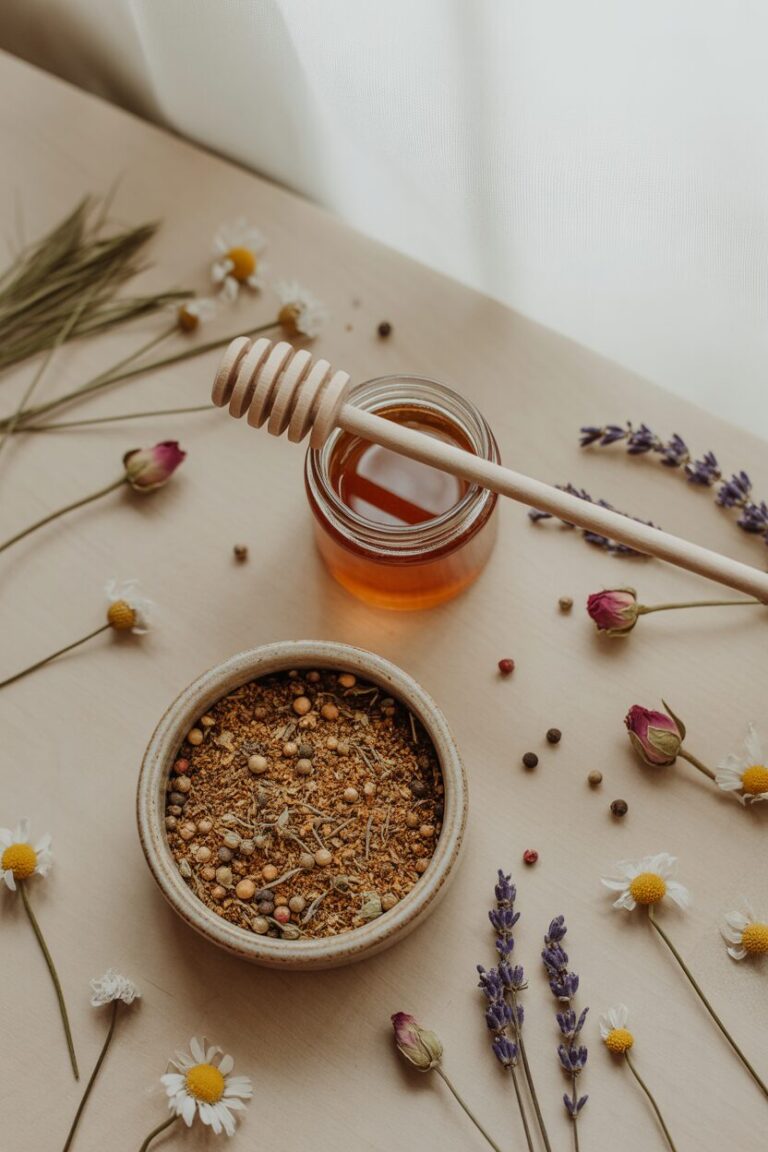
12 Anti-Inflammatory Tea Blends for Better Health
Let’s be real for a second—if there’s one thing our bodies don’t need more of, it’s inflammation. Between processed foods, stress, lack of sleep, and basically everything else modern life throws at us, chronic inflammation has become the uninvited guest that just won’t leave. But here’s the good news: you can fight back with something as simple as a warm cup of tea.
I’m not talking about some magical cure-all here. Tea won’t undo a diet full of junk or replace actual medical treatment. But the right blends, sipped regularly, can genuinely help calm inflammation throughout your body. And honestly? It’s one of the easiest wellness habits you’ll ever adopt. No meal prep, no gym membership, just you, a quality tea infuser, and a few minutes of peace.
So let’s talk about the 12 anti-inflammatory tea blends that actually deserve space in your pantry. Some you’ve probably heard of, others might surprise you. Either way, they’re all backed by real science—not just wellness influencer hype.

1. Turmeric Ginger Tea: The Dynamic Duo
If anti-inflammatory teas had a power couple, this would be it. Research shows that turmeric and ginger work synergistically—meaning they’re actually more effective together than separately. The curcumin in turmeric combined with ginger’s gingerol creates this one-two punch against inflammatory markers in your body.
I brew mine with fresh roots when I can find them, but honestly, the powdered versions work fine too. The trick is adding a pinch of black pepper—sounds weird, I know, but it increases curcumin absorption by something like 2000%. Yeah, you read that right.
Steep about a teaspoon of grated fresh turmeric and ginger (or half a teaspoon each of the powdered stuff) in hot water for 10 minutes. Add a tiny crack of black pepper and maybe some honey if you need it. The taste is earthy, warming, and slightly spicy—definitely an acquired taste for some, but your joints will thank you.
2. Green Tea: The Classic Overachiever
Green tea is basically the valedictorian of the tea world. It’s been studied more than probably any other beverage on earth, and for good reason. The polyphenols—especially EGCG—have serious anti-inflammatory properties. Studies have found that green tea can help reduce inflammation associated with arthritis, inflammatory bowel disease, and even certain cancers.
The thing about green tea, though, is that you can absolutely screw it up. Boiling water will make it bitter and destroy some of those beneficial compounds. You want water around 160-180°F, and steep it for no more than 3 minutes. Use a temperature-controlled electric kettle if you’re serious about this—it’s a game changer.
I drink green tea most mornings, usually before my morning coffee routine. The caffeine is gentler than coffee but still gets the job done.
3. Matcha: Green Tea’s Intense Cousin
Matcha is basically green tea on steroids—you’re consuming the whole leaf ground into powder, so you get a concentrated dose of all those antioxidants and anti-inflammatory compounds. One cup of matcha has the antioxidant equivalent of about 10 cups of regular green tea.
Now, matcha can be expensive, and there’s definitely a quality spectrum here. Ceremonial grade is smooth and sweet; culinary grade tastes like lawn clippings. Don’t waste money on ceremonial if you’re just starting out. Mid-range stuff works perfectly fine for daily drinking.
Whisk about half a teaspoon of matcha powder with a small amount of hot water (again, not boiling) using a traditional bamboo matcha whisk or even a milk frother. Then add more water or your milk of choice. It’s creamy, slightly grassy, and surprisingly filling.
Speaking of energizing morning drinks, if you’re also into creative coffee smoothie recipes, matcha makes an incredible smoothie base too. Just saying.
4. Chamomile Tea: The Gentle Giant
Don’t let chamomile’s reputation as “sleepy time tea” fool you. This flower packs some serious anti-inflammatory punch. The flavonoids in chamomile, particularly apigenin, work to calm inflammation throughout your body. It’s especially good for digestive inflammation—if you deal with IBS or general gut discomfort, chamomile should be your new best friend.
Harvard Health notes that chamomile has been linked to lower risk of death from heart disease and may even help slow age-related bone loss. Not bad for something that tastes like sweet apple blossoms.
Steep dried chamomile flowers (about a tablespoon) in hot water for 5 minutes. It’s naturally sweet, so you probably won’t need any sweetener. I keep a jar of loose organic chamomile flowers on my counter and reach for it whenever my stomach feels off or I need to wind down at night.
5. Hibiscus Tea: Tart and Mighty
Hibiscus tea has this gorgeous deep red color and a tart, cranberry-like flavor. It’s loaded with anthocyanins—the same compounds that make berries so good for you. These compounds are powerful anti-inflammatory agents and also help with blood pressure and cholesterol.
FYI, if you’re on blood pressure medication, talk to your doctor before going heavy on hibiscus. It can enhance the effects of those meds, which sounds good in theory but can actually cause issues.
Brew dried hibiscus flowers in boiling water for about 5 minutes. It’s pretty strong and tart on its own, so I usually add a touch of honey or mix it with some chamomile for a more balanced flavor. In summer, I make cold-brewed hibiscus tea by letting the flowers steep overnight in cold water in the fridge—it’s like nature’s Kool-Aid but actually good for you.
6. Holy Basil (Tulsi) Tea: The Adaptogenic Warrior
Holy basil is one of those herbs that does a million things, and reducing inflammation is high on that list. It’s an adaptogen, which means it helps your body handle stress—and stress is a massive inflammation trigger. The compounds in tulsi inhibit COX-1 and COX-2 enzymes, the same ones that over-the-counter anti-inflammatory drugs target.
The flavor is kind of peppery and spicy, with hints of clove and mint. It’s definitely not for everyone, but if you like bold herbal teas, you’ll probably dig it. Steep it for about 5 minutes and drink it plain or with a little honey.
I keep loose tulsi tea leaves around specifically for those high-stress weeks when inflammation tends to creep up. Pair it with some downtime and you’ve got yourself a solid self-care moment.
Featured Essential: Premium Glass Tea Infuser Bottle
If you’re serious about making anti-inflammatory tea a daily habit, this double-wall glass infuser bottle changed my entire tea game. I take it everywhere—work, gym, even just around the house.
- Keeps tea hot for hours without burning your hands
- Built-in strainer means you can brew loose leaf anywhere
- Glass doesn’t absorb flavors or stains like plastic
- Leak-proof lid that actually works (tested in my bag multiple times)
Honestly worth every penny if you’re tired of mediocre tea from cheap infusers. The 16oz size is perfect for a solid serving without being obnoxiously huge.
Check Current PriceAnd if you’re exploring calorie-conscious beverages, check out these under-100-calorie drink ideas that pair well with herbal teas throughout the day.
7. Ginger Tea: Simple But Effective
Sometimes you don’t need a complicated blend—just straight-up ginger does the trick. Ginger’s been used medicinally for thousands of years, and modern science backs it up. It’s particularly good for reducing muscle pain and soreness after exercise, plus it helps with nausea and digestive inflammation.
Fresh ginger makes the best tea, no contest. Slice up about an inch of fresh ginger root (no need to peel it if it’s organic), simmer it in water for 10 minutes, and you’re done. The longer you simmer, the spicier it gets. I like mine pretty intense, so I’ll sometimes go 15 minutes.
If you’re using a small saucepan for brewing, remember that ginger can stain lighter-colored pots over time. Not a deal-breaker, just something to keep in mind.
8. Rosehip Tea: The Vitamin C Bomb
Rosehips are the fruit of the rose plant, and they’re absolutely packed with vitamin C and anti-inflammatory phenolic compounds. There’s solid research showing rosehip can help with arthritis pain and other inflammation-related conditions.
The flavor is tangy and slightly sweet, kind of like a fruity hibiscus. You can find dried rosehips at most health food stores or online. Steep them for about 10 minutes in boiling water. I sometimes mix rosehip with a little chamomile for a sweeter, more floral blend.
One thing—whole rosehips take forever to break down, so crushing them slightly before steeping helps release more of the good stuff. Or just buy pre-crushed ones and save yourself the hassle.
9. Cinnamon Tea: Cozy Inflammation Fighter
Cinnamon isn’t just for pumpkin spice season. This warming spice has legit anti-inflammatory properties and can help regulate blood sugar too. Plus it smells amazing while it’s brewing, which is reason enough to drink it IMO.
You can make cinnamon tea by simmering a Ceylon cinnamon stick in water for 10-15 minutes. Ceylon is the “true” cinnamon and has more health benefits than the more common cassia variety. It’s a bit pricier but worth it if you’re drinking this regularly.
I like adding cinnamon sticks to other teas too—it pairs beautifully with ginger, turmeric, or even just plain black tea. It’s one of those versatile ingredients that elevates everything it touches.
If you enjoy warming spiced beverages, you’ll love these winter coffee drinks that incorporate similar cozy spices into your morning routine.
10. Cardamom Tea: The Underrated Gem
Cardamom is in the same family as ginger and turmeric, so it makes sense that it’s got anti-inflammatory properties too. It’s popular in chai blends, and for good reason—it’s got this warm, slightly sweet, almost eucalyptus-like flavor that’s really unique.
You can brew cardamom pods whole or crush them to release more flavor. I do about 3-4 crushed pods per cup of water, simmer for 5-7 minutes, and strain. It’s subtle but complex, and it plays well with other spices.
Honestly, cardamom is one of those flavors that grows on you. First time I tried it, I wasn’t sure. Now I keep a jar of green cardamom pods specifically for tea and can’t imagine my spice cabinet without them.
11. Fennel Tea: Licorice-Like and Loaded with Benefits
If you like licorice flavor, fennel tea is your jam. If you don’t… well, maybe skip this one. Fennel is full of anti-inflammatory phenolic compounds like quercetin and kaempferol. It’s particularly good for digestive inflammation and can help with bloating and gas.
Research also suggests fennel might help reduce menstrual pain, possibly because of those anti-inflammatory compounds. So if you deal with period cramps, this one’s worth trying.
Just crush about a teaspoon of fennel seeds, steep in hot water for 5-10 minutes, and strain. The flavor is sweet and aromatic. I sometimes mix it with peppermint for a post-dinner digestive aid.
12. Lemon Balm Tea: Calming and Anti-Inflammatory
Lemon balm is part of the mint family, but it’s got this lovely lemon-citrus flavor without being too sharp. It contains terpenes, flavonoids, and phenolic acids that help reduce inflammation throughout the body. It’s also known for being calming, which is great because stress and inflammation are basically best friends.
Fresh lemon balm makes incredible tea, but dried works fine too. Steep it for about 5 minutes in hot water. The flavor is light and refreshing—perfect for afternoon tea when you want something soothing but not heavy.
I grow lemon balm in my garden because it’s basically impossible to kill and spreads like crazy. If you have even a tiny bit of outdoor space, throw some lemon balm seeds in the ground and you’ll have free tea for life.
And while we’re talking about refreshing beverages, these cold brew coffee variations work beautifully alongside herbal teas during warmer months.
How to Actually Make This a Habit
Look, you can know all about these amazing anti-inflammatory teas and still never actually drink them. The key is making it stupid-easy to prepare. Here’s what works for me:
- Keep your teas visible. I store mine in clear glass jars on my counter, not hidden in a cabinet where I’ll forget about them.
- Prep ingredients ahead. On Sundays, I slice fresh ginger and turmeric, portion them into ice cube trays with water, and freeze them. Instant tea ingredients all week.
- Make it a ritual. I drink anti-inflammatory tea every evening while I wind down. It’s become a signal to my body that it’s time to relax.
- Experiment with blends. Don’t just stick to one tea. Mix ginger with lemon balm. Combine turmeric with chamomile. Make it interesting.
What About Tea Bags vs. Loose Leaf?
Honestly, both work. Loose leaf usually has more of the beneficial compounds because it’s less processed, but quality tea bags are perfectly fine if that’s what you’ll actually use. The best tea is the one you’ll drink consistently.
That said, if you’re going loose leaf, invest in a decent fine-mesh strainer or infuser. Cheap ones break or let tea particles through, which is annoying as hell when you’re trying to enjoy a peaceful cup of tea.
Game Changer: Electric Kettle with Temperature Control
Look, I resisted getting one of these variable temperature electric kettles for way too long. “Boiling water is boiling water,” I thought. I was so wrong.
- Preset temps for different tea types (green, white, herbal, black)
- Heats water in under 3 minutes—no waiting around
- Keep-warm function maintains temp for up to an hour
- Gooseneck spout for perfect pouring control
- Stainless steel so no weird plastic taste in your tea
Green tea at the right temperature tastes completely different—sweeter, no bitterness. Same with white tea. Once you dial in the temps, there’s no going back to guessing.
See Best DealsFor quick morning options that complement your tea routine, try these 5-minute coffee recipes when you’re short on time but still want something special.
The Real Talk on Sweeteners
Some of these teas are naturally sweet or at least pleasant without anything added. Others—I’m looking at you, turmeric ginger—can be pretty intense. If you need to sweeten, here’s my take:
- Raw honey is my go-to. It has its own anti-inflammatory properties and doesn’t spike blood sugar as much as regular sugar.
- Maple syrup works great in chai-style blends with cinnamon and cardamom.
- Stevia is fine if you like it, though some people (including me) find it has a weird aftertaste.
- Skip artificial sweeteners. You’re drinking these teas for health benefits. Don’t undermine that with chemicals your body doesn’t recognize as food.
Can You Drink Too Much Anti-Inflammatory Tea?
Short answer: yes, technically. But you’d have to drink truly excessive amounts. Most people can safely drink 3-4 cups of herbal tea per day without issues. If you’re drinking green tea or matcha, keep in mind the caffeine content—you probably don’t want to slam 6 cups and then wonder why you can’t sleep.
Some teas can interact with medications. Turmeric can enhance blood thinners. Hibiscus can lower blood pressure too much if you’re already on BP meds. If you’re on any medications or have health conditions, just run your tea choices by your doctor. Better safe than sorry.
Pairing Anti-Inflammatory Teas with Food
Tea isn’t just a beverage—it can complement your meals and enhance the anti-inflammatory effects of what you’re eating. Green tea pairs beautifully with morning breakfast foods. Ginger tea works great with heavier meals because it aids digestion. Chamomile is perfect with light evening snacks.
I’ve started thinking about tea the way I think about wine pairing. Earthy teas like turmeric go well with roasted vegetables. Fruity teas like hibiscus complement fresh fruits and salads. It’s not rocket science, but it makes the whole experience more enjoyable.
Storage Solution: Airtight Glass Tea Canister Set
I used to keep my teas in those tin containers they come in, and they’d lose flavor within weeks. Switched to these bamboo-lid glass canisters and the difference is legitimately noticeable.
- Airtight seals keep teas fresh for months
- Clear glass lets you see what you have at a glance
- Stackable design saves counter space
- Wide mouth makes scooping tea actually easy
- Labels included so you don’t mix up your teas
Plus they look way better on your counter than random mismatched containers. I got a set of 6 and it’s perfect for my regular rotation of anti-inflammatory teas.
View on AmazonThe Bottom Line: Is It Actually Worth It?
Here’s where I level with you. Will drinking anti-inflammatory tea transform your life overnight? No. Will it cure chronic illness? Absolutely not. But as part of an overall healthy lifestyle—decent diet, regular movement, adequate sleep—these teas can make a noticeable difference in how you feel.
I’ve been drinking various anti-inflammatory teas for about two years now, and I genuinely notice when I skip them for a few days. My joints feel stiffer, my digestion is less smooth, and I just feel more… inflamed. That’s completely anecdotal and not scientific proof of anything, but it’s enough to keep me brewing.
The best part is that it’s low-effort self-care. You’re not overhauling your entire life or spending hundreds of dollars on supplements. You’re just making tea. That’s it. And if you’re someone who struggles with drinking enough water throughout the day, herbal teas count toward your hydration. Win-win.
Looking for more ways to create healthy morning routines? These metabolism-boosting coffee recipes can work alongside your tea habit to support overall wellness.
Frequently Asked Questions
How long does it take to notice benefits from anti-inflammatory teas?
Most people start noticing subtle differences within 2-3 weeks of consistent daily consumption. You might feel less stiff in the morning, experience better digestion, or just have a general sense of feeling less inflamed. That said, these teas work best as part of a broader anti-inflammatory lifestyle rather than as a standalone fix. Keep your expectations realistic and give it at least a month before deciding if it’s working for you.
Can I drink anti-inflammatory tea while pregnant or breastfeeding?
Some herbal teas are fine during pregnancy and breastfeeding, while others aren’t recommended. Ginger tea is generally considered safe and often helps with morning sickness. However, turmeric in large amounts might stimulate the uterus, and fennel can affect milk supply. Always check with your doctor or midwife before adding herbal teas to your routine during pregnancy or nursing.
Do these teas lose their benefits when iced?
Nope, the anti-inflammatory compounds remain intact whether you drink your tea hot or cold. The brewing process extracts the beneficial components, and temperature after that doesn’t matter much. Cold-brewing (steeping in cold water for several hours) actually works great for many herbal teas and often produces a smoother, less bitter flavor. So if you prefer iced tea, go for it.
Can I combine multiple anti-inflammatory teas in one cup?
Absolutely! In fact, combining complementary teas can enhance both the flavor and the benefits. Ginger and turmeric are famously synergistic. Chamomile and lemon balm create a wonderfully calming blend. Green tea with a cinnamon stick is delicious. Just be mindful of strong flavors overwhelming each other—start with small amounts when experimenting.
What’s the best time of day to drink anti-inflammatory tea?
There’s no single “best” time—it depends on the tea and your goals. Green tea and matcha are great in the morning for energy. Turmeric-ginger works well before or after workouts to help with muscle recovery. Chamomile and lemon balm are perfect evening choices for winding down. Listen to your body and build a routine that fits your lifestyle.
Final Thoughts
Anti-inflammatory tea isn’t going to solve all your health problems, but it’s one of the easiest wellness practices you can adopt. No complicated recipes, no expensive equipment beyond maybe a decent tea kettle, and no dramatic lifestyle changes required. Just hot water, plants, and a few minutes of your day.
Start with one or two teas from this list that appeal to you. Maybe it’s the familiar comfort of green tea or chamomile. Maybe you’re feeling adventurous and want to dive straight into turmeric ginger. Either way, give it a real shot—at least a few weeks of daily drinking before you decide if it’s for you.
And here’s the thing nobody talks about: sometimes the ritual itself is as valuable as the compounds in the tea. Taking a few minutes to slow down, brew something intentionally, and just sit with a warm cup does something for your nervous system that extends beyond anti-inflammatory benefits. In our constantly-moving, always-connected world, that pause matters.
So grab your favorite mug, pick a tea that sounds interesting, and give it a try. Your body might just thank you for it. And if nothing else, you’ll have developed a pretty pleasant daily habit that makes you feel just a little more put-together. That’s worth something all on its own.