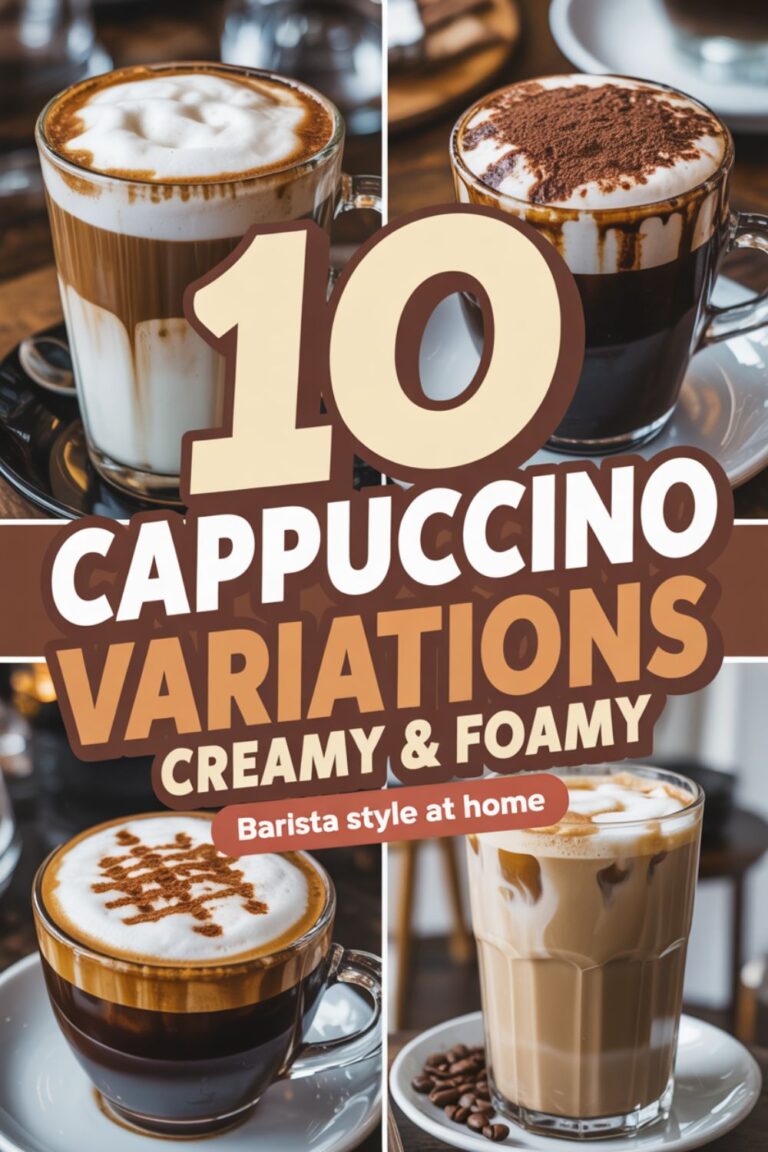
10 Espresso-Based Drinks to Try That’ll Make You Forget Your Regular Latte
Look, I get it. You’ve been ordering the same velvety latte for the past three years, and honestly? There’s nothing wrong with that. But if you’re even slightly curious about what else is hiding behind that espresso machine, you’re in for a treat.
Espresso drinks aren’t just about caffeine delivery systems (though let’s be real, that’s a major perk). They’re about finding that perfect balance between bold coffee flavor and creamy texture, between a quick shot and a leisurely sip. Whether you’re the type who wants pure, unadulterated coffee intensity or someone who needs their caffeine wrapped in a blanket of steamed milk, there’s an espresso drink out there with your name on it.
I’ve spent way too many mornings experimenting with different espresso concoctions, and I’m here to share the best ones that actually deserve your attention. No pretentious coffee snobbery, just honest takes on drinks that’ll expand your coffee horizons without making you miss your beloved go-to order.

The Classic Espresso Shot: Where It All Begins
Let’s start with the foundation. A straight espresso shot is basically concentrated coffee magic pulled through finely ground beans under high pressure. You get about one ounce of intensely flavored liquid topped with that gorgeous golden crema layer.
Here’s the thing about espresso that nobody tells beginners: it shouldn’t taste burnt or overwhelmingly bitter. If it does, that’s a sign of over-extraction or stale beans, not what espresso is supposed to be. According to research from Mayo Clinic, a single shot packs about 63 milligrams of caffeine, which is actually less than a regular cup of drip coffee.
The beauty of mastering the espresso shot is that it unlocks every other drink on this list. If you’re just getting into making these at home, you don’t need to drop a mortgage payment on equipment. A decent espresso machine with 15-bar pressure will get you surprisingly close to café quality, especially when paired with freshly ground beans from a burr grinder.
💡 Pro Tip:
Pull your shot into a preheated cup. Room temperature ceramic sucks the heat right out of your espresso and throws off the whole flavor profile. Two seconds under hot water makes all the difference.
Why You’ll Love It
Straight espresso is for those mornings when you need efficiency and bold flavor in equal measure. It’s the coffee equivalent of ripping off a bandaid, no hesitation, all reward. Plus, learning to appreciate espresso on its own makes you a more discerning coffee drinker overall.
For more ways to explore pure coffee flavors, check out these beginner-friendly coffee drinks that’ll ease you into the world of espresso.
Ristretto: Espresso’s Bolder Cousin
Think of ristretto as espresso’s concentrated, more intense sibling. You use the same amount of coffee but pull it with half the water, resulting in a sweeter, thicker shot with less bitterness.
The name literally means “restricted” in Italian, which tells you everything about the brewing process. Instead of the typical 25-30 seconds, you stop the extraction around 15-20 seconds. What you lose in volume, you gain in richness and complexity. The shorter extraction time pulls out the sweetest compounds while leaving behind the bitter stuff that comes later.
I use this precision shot timer to nail the timing every single time. Sounds nerdy, I know, but consistency is everything when you’re working with such small volumes.
The Perfect Moment for Ristretto
This is your afternoon pick-me-up when you want punch without the volume. It’s also brilliant as the base for milk drinks if you want a more pronounced coffee flavor that won’t get drowned out.
If you’re loving these concentrated coffee experiences, you’ll probably enjoy exploring homemade coffee recipes and quick 3-ingredient coffee drinks that build on these foundational techniques.
Cappuccino: The Perfect Third-Third-Third
Ah, the cappuccino. Equal parts espresso, steamed milk, and foam. It’s the drink that launched a thousand coffee shop conversations and honestly, when done right, it’s hard to beat.
The magic ratio is one-third espresso, one-third steamed milk, one-third milk foam. This creates a drink that’s rich but not heavy, creamy but not overwhelming. The foam acts as an insulator, keeping your drink hot while adding that luxurious mouthfeel.
Here’s where most people mess up at home: the milk. You want it steamed to about 150-155°F, not that scalding hot temperature that burns your tongue and kills the sweetness. I swear by this milk frothing pitcher with a built-in thermometer because guessing temperatures is a recipe for disappointment.
💡 Pro Tip:
Tap your pitcher on the counter after steaming to pop large bubbles, then swirl to create that silky microfoam. Your cappuccino should have foam so fine it looks like wet paint, not like a bubble bath.
Why It’s a Classic for a Reason
The cappuccino hits that sweet spot between tasting your coffee and enjoying a creamy drink. It’s substantial enough for breakfast but not so heavy that you feel weighed down. Traditional Italians drink it only in the morning, but honestly, drink it whenever you want.
Speaking of morning rituals, these coffee and breakfast pairings will transform your AM routine into something actually worth waking up for.
Flat White: Australia’s Gift to Coffee Culture
The flat white is what happens when you want the coffee-forward intensity of a cappuccino but with a silkier, less foamy texture. It’s espresso topped with steamed milk that’s been textured to create microfoam, but with a much thinner layer than a cappuccino.
The ratio typically leans more heavily toward coffee, usually a double ristretto shot with less milk than a latte but more integrated microfoam than you’d find in a cappuccino. The result is a velvety drink where you can still taste the espresso clearly.
What makes the flat white special is the pour. You want to create that gorgeous glossy finish on top, which requires properly textured milk and a steady hand. If you’re getting serious about milk drinks, investing in quality stainless steel milk pitchers in different sizes makes a noticeable difference in your pour control.
When to Choose Flat White Over Latte
Reach for a flat white when you want more coffee flavor than a latte provides but don’t want the foam-to-liquid ratio of a cappuccino. It’s the middle ground that satisfies coffee purists who still enjoy milk in their drinks.
Macchiato: Just a Kiss of Milk
The traditional macchiato (not whatever Starbucks is selling) is an espresso shot “marked” with just a dollop of foamed milk. We’re talking maybe a teaspoon or two, just enough to soften the edge.
This is for the coffee lovers who want 95% of the espresso experience with just a hint of creamy texture. The small amount of milk doesn’t dilute the flavor, it just rounds it out and adds a touch of sweetness.
There are two schools of thought: the espresso macchiato (espresso marked with milk) and the latte macchiato (milk marked with espresso). Both are delicious, just different experiences. The espresso macchiato is what I’m talking about here, strong coffee with a gentle modifier.
For more creative takes on classic coffee drinks, explore these latte recipes you can make without a machine or try homemade coffee syrups to customize any espresso drink to your taste.
Perfect For
Anyone transitioning from straight espresso to milk drinks, or coffee lovers who find lattes too diluted. It’s also brilliant in the afternoon when you want flavor without the volume.
Cortado: The Balanced Approach
A cortado is equal parts espresso and steamed milk, no foam. That’s it. Simple, elegant, perfectly balanced.
The Spanish word “cortar” means “to cut,” and that’s exactly what the milk does here. It cuts the acidity of the espresso without drowning it. You get a harmonious blend where neither component dominates, resulting in a smooth, approachable drink that’s not too intense and not too milky.
Cortados are typically served in small glasses (4-5 ounces), which I love because you can see the beautiful layering if you pour carefully. These Gibraltar-style serving glasses are traditional and honestly just make the whole experience feel more intentional.
💡 Pro Tip:
Steam your milk to a lower temperature for cortados, around 130-140°F. The smaller volume means it cools faster, and the lower temp preserves more of the milk’s natural sweetness.
Why You’ll Appreciate It
The cortado is for people who find espresso too aggressive and lattes too gentle. It’s the Goldilocks of espresso drinks, hitting that just-right balance that makes it dangerously easy to drink too many.
Espresso Game-Changers: Tools & Resources
These are the actual essentials that transformed my home espresso setup from “meh” to “wow, you made this?”
1. Digital Scale with 0.1g Precision
Consistency is impossible without weighing your coffee and water. This is non-negotiable if you want repeatable results instead of playing coffee roulette every morning.
2. WDT Tool (Weiss Distribution Technique)
Looks like a tiny whisk, prevents channeling in your puck. Seriously, this $15 tool fixed more extraction issues than any expensive upgrade ever did.
3. Calibrated Tamper
Takes the guesswork out of tamping pressure. Consistent compression means consistent extraction, which means you stop blaming your beans for operator error.
4. Complete Coffee Brewing Guide
Master the techniques that took me two years of trial and error to figure out. Skip the learning curve.
5. Grinder Optimization Guide
Your grinder matters more than your machine. Learn how to dial it in properly and maintain it for consistently great shots.
6. No-Machine Coffee Recipes
Not ready to invest in equipment? These creative workarounds prove you don’t need $3000 worth of gear to enjoy great espresso-style drinks.
Americano: Espresso’s More Approachable Sibling
An Americano is espresso topped with hot water, typically in a 1:3 or 1:4 ratio. Legend says American soldiers in Italy during WWII diluted espresso to approximate the coffee they were used to back home, hence the name.
Don’t let the simplicity fool you. A well-made Americano has more complexity and nuance than drip coffee while maintaining that approachable, sippable nature. The hot water preserves the crema and aromatic compounds while stretching the espresso into a full-sized drink.
The order matters: espresso first, then water. This preserves the crema layer on top instead of washing it away. Some cafés do it backward (called a long black), but I prefer the traditional method. Pour the water gently down the side rather than directly onto the espresso.
For measuring water precisely without constantly fussing with a kettle, I use this gooseneck electric kettle with temperature control. The 200°F setting is perfect for Americanos since you want hot but not boiling water.
Perfect Scenarios
Americanos are brilliant when you want to sit and savor a larger drink without the dairy element. They’re also great for showcasing single-origin espresso beans where you really want to taste the origin characteristics.
If you’re into exploring different coffee variations, these cold brew variations offer a completely different flavor profile worth experimenting with.
Mocha: When Coffee Meets Chocolate
A mocha is essentially a latte with chocolate added, usually in the form of cocoa powder or chocolate syrup. It’s the gateway drink that converted countless non-coffee drinkers into espresso enthusiasts.
The ratio typically goes something like this: espresso, chocolate (either melted or syrup), steamed milk, topped with foam and sometimes whipped cream. The chocolate complements the coffee’s natural cocoa notes while adding sweetness and richness that masks any bitterness.
Here’s where you can really elevate things: ditch the overly sweet commercial syrups and make your own chocolate sauce. Mix quality cocoa powder with a touch of sugar and hot water until you get a thick paste. The difference in flavor complexity is night and day. I keep dark Dutch-process cocoa powder specifically for this because it has that deeper, less acidic chocolate flavor.
💡 Pro Tip:
Add a tiny pinch of sea salt to your chocolate component. It amplifies both the coffee and chocolate flavors while cutting through sweetness. Trust me on this one.
When to Order It
Mochas work as dessert drinks, afternoon treats, or those days when you want your caffeine delivery wrapped in something comforting and indulgent. They’re also fantastic introductions to espresso for people who think they don’t like coffee.
For more dessert-style coffee inspiration, check out these coffee desserts that pair perfectly with any espresso drink.
Affogato: Where Coffee Meets Dessert
An affogato is dead simple: a scoop of vanilla ice cream with a shot of hot espresso poured over it. That’s the entire recipe, but the result is pure magic.
The contrast between hot and cold, bitter and sweet, creates this incredibly satisfying experience. The espresso melts the ice cream just enough to create a creamy sauce while the cold ice cream tempers the espresso’s intensity. You get to decide whether you want to eat it like ice cream or drink it like a beverage, and honestly both approaches are correct.
The key is using quality vanilla ice cream, not the cheap stuff. You want something with actual vanilla flavor and a high cream content that’ll create that luscious texture when it melts. I keep these vintage-style coupe glasses just for affogatos because presentation matters when you’re essentially serving dessert.
Perfect Occasions
Affogatos work as after-dinner treats, afternoon pick-me-ups, or those moments when you can’t decide between coffee and dessert. They’re also impressive when you have guests over because they look fancy but require zero actual cooking skills.
Love the coffee-dessert combo? Explore these coffee and dessert pairings or try coffee cocktails for evening entertaining.
Lungo: Espresso’s Longer Pour
A lungo uses the same amount of coffee as espresso but pulls it with more water, about twice as much. The extraction runs longer, typically 45-60 seconds instead of the usual 25-30.
This extended extraction pulls out different compounds, resulting in a less intense but more bitter flavor profile compared to regular espresso. You get more volume with a lighter body but a more pronounced bitter edge. It’s not everyone’s cup of coffee, but lungo fans appreciate the complexity that comes from that longer extraction.
The trick with lungos is finding beans that can handle the extended extraction without turning harsh. Lighter roasts tend to work better because they have less roast bitterness to begin with. I also pull them at slightly cooler temperatures (around 195°F instead of 200°F) to minimize over-extraction bitterness.
When It Works
Lungos appeal to people who want more volume than an espresso shot provides but don’t want to dilute it with water like an Americano. It’s also interesting for exploring how extraction time affects flavor when you’re really getting into coffee geekery.
Beyond the Basics: Experimenting at Home
Once you’ve mastered these foundational drinks, the real fun begins. You can start playing with different milk alternatives (oat milk creates surprisingly good microfoam), experimenting with homemade flavored syrups, or even trying coffee ice cubes to keep iced versions from getting watered down.
The beauty of understanding these classic espresso drinks is that they give you a framework for creativity. Want a stronger flat white? Use a ristretto base. Prefer your cortado less milky? Adjust the ratio. Coffee is forgiving enough that you can’t really mess up too badly once you understand the basics.
I keep a simple notebook tracking shots I pull, what worked, what didn’t. Sounds obsessive, but when you nail a perfect shot, you want to be able to replicate it. These water-resistant coffee journal cards live on my counter for quick notes between sips.
For those interested in the health aspect, moderate coffee consumption has been linked to various health benefits. According to Mayo Clinic research, drinking up to four or five cups a day may contribute to decreased risk of type 2 diabetes, Parkinson’s disease, and liver disease. So your espresso habit might actually be doing you some good.
💡 Pro Tip:
Buy beans in smaller quantities and store them in an airtight container away from light and heat. Coffee starts degrading the moment it’s roasted, so fresh is always better than bulk buying for savings.
If you’re looking to expand your coffee repertoire even further, check out these iced coffee drinks for warmer weather or explore warming coffee drinks for cozy seasons.
Common Questions About Espresso Drinks
What’s the difference between a latte and a flat white?
A flat white uses less milk than a latte and has a thinner layer of microfoam, making it more coffee-forward. Lattes have more milk and a thicker foam layer, creating a creamier, milder drink. The flat white typically uses a double ristretto shot while lattes use regular espresso, which also contributes to the stronger coffee flavor in flat whites.
Can I make espresso drinks without an expensive machine?
Absolutely. While true espresso requires pressure, you can make espresso-style drinks with a Moka pot, AeroPress, or even strong French press coffee. The key is creating a concentrated coffee base and learning to steam or froth milk properly. A handheld milk frother costs under $20 and works surprisingly well for home use.
How much caffeine is in these espresso drinks?
A single espresso shot contains about 63mg of caffeine, while a double contains around 125mg. Drinks with more milk don’t dilute the caffeine, they just add volume. So a latte with a double shot has the same caffeine as two straight espresso shots. For reference, an 8-ounce cup of drip coffee typically has 95-165mg of caffeine.
What milk works best for espresso drinks?
Whole milk creates the best microfoam due to its fat and protein content, giving you that silky texture and slightly sweet flavor. For alternatives, oat milk froths surprisingly well and adds natural sweetness, while almond milk is trickier but works if you get barista-blend versions. The key is finding milk with enough protein to create stable foam.
How do I know if I’m extracting my espresso correctly?
A properly pulled shot should take 25-30 seconds for a double espresso and have a golden-brown crema on top. It should taste balanced, sweet, and complex rather than overly bitter or sour. Under-extracted shots pull too fast and taste sour or weak, while over-extracted shots run too long and taste bitter or harsh. Adjusting your grind size is usually the solution.
Your Next Coffee Adventure Awaits
The world of espresso drinks is way more approachable than the fancy Italian names suggest. Start with one or two that sound appealing, get comfortable with the technique, then branch out. You’ll probably discover that what you thought was your “type” of coffee isn’t actually set in stone.
I’ve gone through phases with all of these drinks. Sometimes I want the bold simplicity of a straight shot, other times I need the comfort of a cappuccino. The point isn’t finding one perfect drink and sticking to it forever, it’s understanding the options so you can choose what fits your mood, your moment, and your taste buds on any given day.
Whether you’re sipping espresso in your kitchen or ordering at your local café, knowing what actually goes into these drinks makes the whole experience richer. Plus, you’ll never again feel lost staring at a coffee menu wondering what half those words mean.
Now get out there and try something new. Your taste buds will thank you.