10 Detox Tea Recipes You Can Make at Home
Let’s get real for a second—you’ve probably scrolled past a dozen “miracle detox tea” ads this week alone, right? The ones promising to flush out toxins, melt belly fat, and basically turn you into a health goddess overnight. Yeah, those are mostly nonsense. Your liver and kidneys are already doing the heavy lifting when it comes to actual detoxification, and they’re pretty damn good at their jobs.
But here’s the thing: just because commercial detox teas are overhyped doesn’t mean homemade tea blends can’t be incredibly beneficial. We’re talking about teas packed with antioxidants, natural anti-inflammatory compounds, and ingredients that genuinely support digestion and overall wellness. The difference? You’re in control of what goes into your cup, and you’re not shelling out ridiculous money for glorified laxatives in fancy packaging.
So forget the Instagram ads and those dubious teatox kits. I’m showing you how to make ten legit detox tea recipes using simple, affordable ingredients you can find at any grocery store. These aren’t magic potions, but they’re delicious, comforting, and actually backed by some solid nutritional science.

Why Homemade Detox Teas Actually Make Sense
Before we dive into the recipes, let’s clear up what we mean by “detox.” Your body doesn’t need some magical tea to eliminate toxins—that’s literally what your organs do every single day. According to research published in Healthline, most commercial detox teas work primarily as diuretics or laxatives, which might drop water weight temporarily but don’t actually “cleanse” anything meaningful.
What homemade detox teas CAN do is provide your body with antioxidants, support healthy digestion, reduce inflammation, and keep you well-hydrated. Green tea, for instance, contains powerful compounds called catechins that have been shown to have antioxidant and anti-inflammatory properties, as noted in research from the National Institutes of Health. Ginger helps with nausea and digestion. Lemon adds vitamin C and can support liver function.
Think of these teas as supportive wellness drinks, not miracle cures. They’re about adding something genuinely beneficial to your routine, not about unrealistic cleansing promises.
1. Classic Lemon Ginger Green Tea
This is my absolute go-to morning tea, and for good reason. Green tea is loaded with EGCG, a type of catechin that Cleveland Clinic research shows may support heart health and cognitive function. Ginger adds a spicy kick while calming your stomach, and lemon provides a vitamin C boost plus that bright, wake-me-up flavor.
Steep one green tea bag in hot water (not boiling—around 170°F is perfect) for 2-3 minutes. Add a quarter-sized slice of fresh ginger and the juice of half a lemon. I use this simple tea infuser for loose leaves when I’m feeling fancy, but bags work just fine. The key is not over-steeping the green tea or it gets bitter and makes you wonder why anyone drinks this stuff.
2. Turmeric Golden Milk Tea
Okay, this one’s technically more milk than tea, but it deserves a spot here because turmeric is an anti-inflammatory powerhouse. The active compound curcumin has been studied extensively for its potential health benefits, though absorption can be tricky without a fat source and black pepper—which is why this recipe includes both.
Heat two cups of your favorite milk (I use oat milk because dairy doesn’t love me back) in a small saucepan. Add one teaspoon of ground turmeric, half a teaspoon of cinnamon, a pinch of black pepper, and a teaspoon of honey. Whisk it all together until it’s smooth and frothy. The black pepper thing isn’t optional, by the way—it increases curcumin absorption by something like 2000%.
For heating and frothing, I absolutely swear by this electric milk frother because standing over a saucepan whisking for ten minutes gets old fast. If you’re into more cozy morning drinks, you might also enjoy these easy homemade coffee recipes for switching up your routine.
3. Peppermint Fennel Digestive Blend
Ever feel bloated after a big meal? This tea is your new best friend. Peppermint relaxes the muscles in your gastrointestinal tract, which can ease bloating and indigestion. Fennel seeds have been used for centuries as a digestive aid and they add a subtle, slightly sweet licorice flavor that’s actually really pleasant.
Steep one tablespoon of dried peppermint leaves and one teaspoon of crushed fennel seeds in boiling water for 5-7 minutes. Strain and drink warm. I keep my fennel seeds in these small glass spice jars because they look pretty on the counter and I’m basic like that. But also they keep the seeds fresh longer than those flimsy plastic bags from the bulk section.
This blend also pairs beautifully with lighter meals. If you’re looking for more digestive-friendly options, check out these calming and focused tea recipes that work wonders after dinner.
4. Hibiscus Berry Antioxidant Tea
This tea is stunning—seriously, it’s this gorgeous deep red color that looks like you spent way more effort than you actually did. Hibiscus tea is tart and cranberry-like, loaded with antioxidants, and some studies suggest it may help lower blood pressure. Mix in some dried berries and you’ve got yourself a drink that tastes like dessert but is actually good for you.
Steep two tablespoons of dried hibiscus flowers with a handful of dried blueberries or raspberries in boiling water for 7-10 minutes. Add honey or agave to taste because hibiscus can be really tart. You can find dried hibiscus at most health food stores or order this organic hibiscus online.
“I started making hibiscus tea every afternoon and honestly, it completely replaced my soda habit. The tartness satisfies that craving for something with flavor, and I love that it’s caffeine-free.” — Rachel M.
5. Cinnamon Apple Spice Tea
This one smells like fall in a cup. Cinnamon has been shown to help regulate blood sugar levels and it adds this warm, sweet spice that makes you feel instantly cozy. Apple pieces add natural sweetness and pectin, which is good for gut health.
Combine one sliced apple, two cinnamon sticks, a few whole cloves, and a star anise in a pot with four cups of water. Simmer for 15 minutes, then strain. You can reuse the apple slices and spices for a second batch—just add more water and simmer again. The flavor won’t be quite as strong but it’s still good and reduces waste.
I use this small mesh strainer to catch all the little spice bits because nobody wants to crunch down on a whole clove. Trust me on that one. When you’re in the mood for warm, comforting beverages, these winter coffee drinks hit the same cozy notes.
Physical Products You’ll Actually Use:
- Glass Tea Infuser Bottle – Perfect for steeping loose leaf teas on the go. The double-wall glass keeps drinks hot without burning your hands.
- Electric Kettle with Temperature Control – Game-changer for brewing different teas at their ideal temps. Green tea at 175°F, herbal at 212°F, no guesswork.
- Bamboo Tea Storage Box – Keeps your tea collection organized and looks gorgeous on the counter. Holds about 12 different varieties.
Digital Resources for Tea Lovers:
- Tea Brewing Guide & Recipe eBook – Comprehensive guide covering steeping times, temperature charts, and 50+ tea blend recipes.
- Herbal Tea Blending Course – Learn to create custom tea blends based on flavor profiles and health benefits. Includes ingredient sourcing tips.
- Tea Journal Printables – Track your favorite blends, brewing times, and flavor notes. Great for experimenting with new combinations.
6. Dandelion Root Detox Tea
Dandelion root has been traditionally used to support liver function and act as a gentle diuretic. It has this earthy, slightly coffee-like flavor that’s actually pretty satisfying if you’re trying to cut back on caffeine. Some people swear by it for reducing water retention and bloating.
Use two tablespoons of dried dandelion root per cup of water. Simmer the roots for 10-15 minutes to really extract the beneficial compounds—steeping doesn’t cut it here because the roots are tough. Strain well and drink warm. You can add a bit of honey or stevia if the earthy flavor is too intense at first.
I order this organic dandelion root because finding it fresh is basically impossible where I live. The dried stuff works great though, and one bag lasts months. Speaking of liver support and digestion, pairing detox teas with smart food choices makes a real difference. These breakfast pairing ideas can complement your morning tea routine perfectly.
7. Ginger Cayenne Metabolism Tea
Fair warning: this one has a kick. Cayenne pepper contains capsaicin, which may temporarily boost metabolism and has anti-inflammatory properties. Combined with ginger, it creates a warming tea that definitely wakes you up. This is not a “sip slowly before bed” kind of situation.
Steep fresh ginger slices in boiling water for 10 minutes. Add a tiny pinch of cayenne pepper—and I mean tiny, like 1/8 teaspoon max for a large mug. Add lemon juice and honey to balance the heat. The first time I made this, I was overly ambitious with the cayenne and nearly died. Start small, you can always add more.
For slicing ginger efficiently, I use this ceramic ginger grater that makes quick work of fresh ginger without the stringy mess. If you’re into drinks that pack some energy, you’ll probably also enjoy these coffee smoothie recipes for a different kind of morning boost.
8. Chamomile Lavender Calming Tea
Not all detox teas need to be about digestion and metabolism. Sometimes supporting your body means actually helping it relax and get quality sleep, which is when a lot of cellular repair happens. Chamomile is famous for its calming properties, and lavender adds this subtle floral note that makes the whole thing feel like a spa experience.
Steep one tablespoon of dried chamomile flowers and half a teaspoon of dried culinary lavender in hot water for 5 minutes. Don’t use more lavender than that—it can quickly go from “oh this is nice” to “I’m drinking potpourri.” Strain carefully because chamomile flowers are tiny and sneaky.
I keep my lavender in this airtight tin container because it’s one of those herbs that loses potency fast if exposed to air and light. For more calming beverage options that won’t keep you up at night, these calm and focused tea recipes are perfect evening companions.
9. Rosehip Vitamin C Immunity Tea
Rosehips are these little fruit pods from rose plants, and they’re absolutely packed with vitamin C—like, way more than oranges. They have a mild, slightly tangy flavor that’s pleasant on its own or mixed with other ingredients. This tea is especially great during cold season when you want that extra immune support.
Steep two tablespoons of dried rosehips in boiling water for 10 minutes. You can add hibiscus for extra tartness and color, or mix in some orange peel for a citrusy note. The longer you steep rosehips, the more nutrients extract, so don’t rush this one.
Fresh rosehips are hard to come by unless you have rose bushes, so I get this organic dried rosehip blend that’s already cleaned and ready to use. If you want to explore more vitamin-rich drink options, check out these metabolism-boosting recipes that incorporate nutrient-dense ingredients.
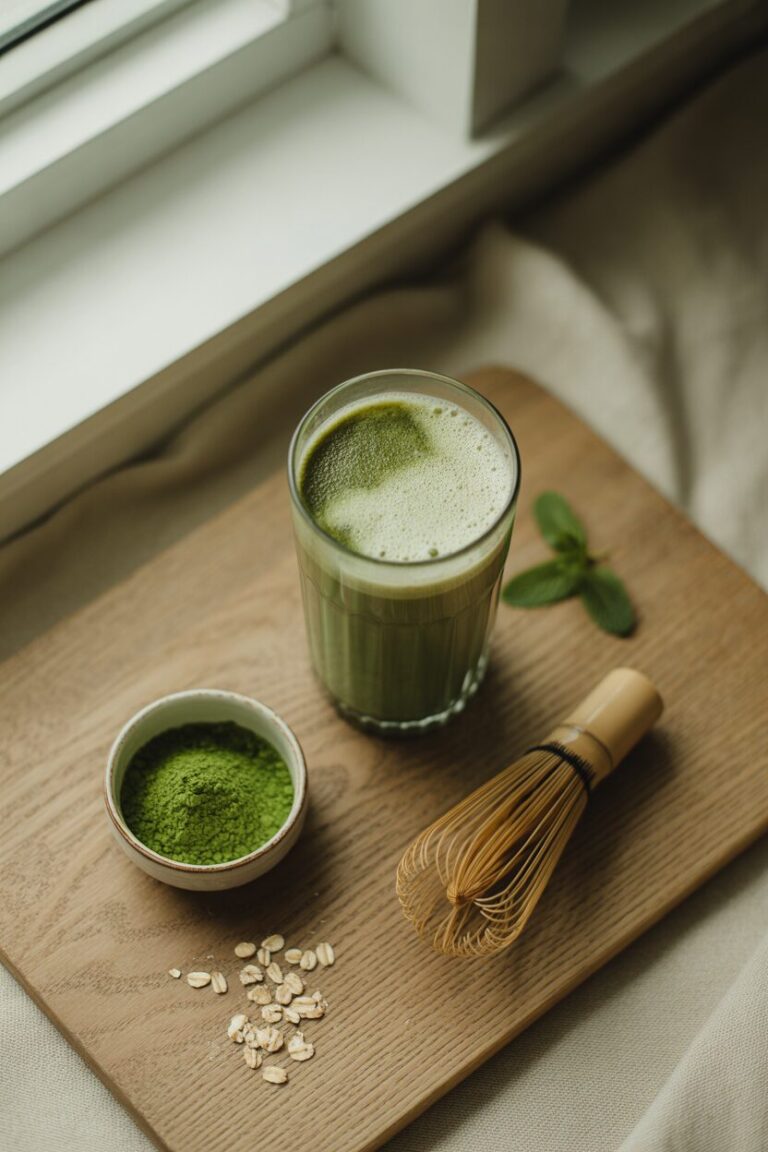
10. Matcha Mint Energizing Tea
Matcha is powdered green tea, and because you’re consuming the whole leaf, you get way more antioxidants than regular brewed green tea. It has this earthy, slightly sweet flavor that some people love immediately and others need to warm up to. The mint makes it more refreshing and helps if you find straight matcha a bit intense.
Whisk half a teaspoon of matcha powder with a small amount of hot water (not boiling) until smooth and frothy. Add more hot water to fill your cup, then stir in fresh mint leaves. Let the mint steep for a few minutes, then remove. You can also make this iced by whisking the matcha with cold water and adding ice and mint.
Get a proper bamboo matcha whisk because regular whisks don’t break up the clumps the same way. Yeah, you could use a fork or small whisk, but it’s not the same and you’ll end up with lumpy, sad matcha. For more quick and energizing drink ideas, these under-5-minute coffee recipes are lifesavers on busy mornings.
“Switching from coffee to matcha in the afternoons changed my sleep quality completely. I still get the energy boost but without the jitters or the 3 AM wide-awake staring at the ceiling sessions.” — Marcus L.
Making Detox Tea Part of Your Actual Life
Here’s the reality check: these teas won’t magically transform your health if the rest of your lifestyle is a disaster. They’re supportive additions to an already decent diet and routine, not band-aids for poor choices. Think of them as small, pleasant rituals that add up over time rather than dramatic interventions.
I like making a big batch of whatever tea I’m into that week and keeping it in this glass pitcher in the fridge. Then it’s ready to grab cold or reheat when I want it, without having to go through the whole brewing process every single time. Prep once, enjoy all week—that’s the kind of efficiency I can actually maintain.
The best part about making your own detox teas? You know exactly what’s going into your body. No weird proprietary blends, no sketchy ingredients you can’t pronounce, no laxatives that’ll have you camping out in the bathroom. Just real herbs, real spices, and real benefits.
If you’re looking to expand your beverage repertoire beyond tea, there’s a whole world of homemade drinks that offer similar benefits. Try experimenting with 3-ingredient coffee drinks for simplicity or dive into homemade vegan creamers to elevate any hot beverage.
Frequently Asked Questions
How often should I drink detox tea?
There’s no magic number, but 1-3 cups daily is a reasonable range for most people. Listen to your body—if a tea makes you feel great, keep drinking it. If it causes digestive issues or doesn’t agree with you, switch to a different blend. These aren’t medications with prescribed doses; they’re beverages that should fit naturally into your routine without stress.
Can detox teas actually help with weight loss?
Let’s be honest: no tea is going to melt fat off your body. What they CAN do is support a healthy metabolism, reduce bloating, and help you stay hydrated—which are all beneficial when you’re trying to lose weight. Some ingredients like green tea may have modest metabolic effects, but the real weight loss comes from overall diet and lifestyle changes, not from drinking tea.
Are there any side effects I should watch out for?
Most herbal teas are safe for healthy adults, but a few things to watch: some herbs can interact with medications, excessive consumption of certain teas (especially those with senna or other laxatives) can cause digestive problems, and you can absolutely have too much caffeine if you’re drinking multiple cups of green tea or matcha daily. Start with small amounts of any new tea and see how your body responds.
Can I drink detox teas while pregnant or breastfeeding?
This is absolutely a question for your doctor, not a random article on the internet. Some herbs that are perfectly safe for most people can be problematic during pregnancy or breastfeeding. Always check with your healthcare provider before adding new herbal teas to your routine if you’re pregnant, nursing, or have any medical conditions.
How long can I store homemade detox tea?
Brewed tea keeps in the fridge for about 3-5 days in a sealed container. After that, it starts losing flavor and potentially developing bacteria. Dried herb blends stay fresh for months if you store them in airtight containers away from light and heat. I make fresh tea every few days rather than huge batches because the flavor is just better when it’s fresher.
Final Thoughts on DIY Detox Teas
Look, I’m not going to tell you that drinking tea is going to revolutionize your health or fix all your problems. That would be dishonest and also, frankly, ridiculous. But what I will say is that making your own detox teas is a small, achievable way to add something genuinely beneficial to your daily routine.
These recipes aren’t complicated. You don’t need fancy equipment or expensive ingredients. Most of what you need is probably already sitting in your pantry or available at your local grocery store for a few bucks. The payoff is that you get delicious, comforting drinks that actually contain beneficial compounds instead of whatever sketchy stuff is in those influencer-promoted teatox kits.
Start with one or two recipes that sound appealing to you. Maybe the chamomile lavender if you need better sleep, or the lemon ginger green tea if you want a morning pick-me-up that isn’t coffee. Experiment with the flavors. Adjust the recipes to your taste. Make it work for YOUR life, not some idealized Instagram version of wellness.
Because at the end of the day, the best health habit is the one you’ll actually stick with. And if sipping a warm cup of homemade tea makes you feel good and fits into your routine? That’s a win worth celebrating.
Similar Posts
12 Best Teas to Boost Your Immune System
12 Best Teas to Boost Your Immune System | Plateful Life 12 Best Teas to Boost Your Immune System Look, I get it. You’re tired of catching every single bug that floats through your office. One minute you’re feeling great, the next you’re wrapped in a blanket fortress, clutching tissues like they’re your last lifeline….
27 Refreshing Tea Recipes for Warm Weather
27 Refreshing Tea Recipes for Warm Weather | Plateful Life Plateful Life / Tea Recipes Tea Recipes & Warm Weather Drinks 27 Refreshing Tea Recipes for Warm Weather By the Plateful Life Team | Updated 2025 | 12 min read Hot weather and a hot drink sound like a terrible combination — until you realize…
23 Matcha Latte Recipes with Oat Milk You’ll Actually Make Every Single Morning
23 Matcha Latte Recipes with Oat Milk | Plateful Life Plateful Life — Real Food, Real Flavor Dairy-Free Drinks 23 Matcha Latte Recipes with Oat Milk You’ll Actually Make Every Single Morning Creamy, earthy, endlessly versatile — and yes, every single one skips the dairy. 23 Recipes | All Dairy-Free 5 min avg. prep Published…
12 Coffee Milkshake Ideas That’ll Make You Forget Regular Iced Coffee
12 Coffee Milkshake Ideas That’ll Make You Forget Regular Iced Coffee 12 Coffee Milkshake Ideas That’ll Make You Forget Regular Iced Coffee Let’s be real here—there’s a time and place for your standard iced coffee, but sometimes you need something that crosses the line from “caffeinated beverage” into full-blown dessert territory. I’m talking about coffee…
18 Cold Brew Recipes You’ll Drink All Summer
18 Cold Brew Recipes You’ll Drink All Summer 18 Cold Brew Recipes You’ll Drink All Summer Look, I’m not going to sugarcoat it—summer mornings and hot coffee don’t exactly get along. There’s something deeply wrong about sweating into a steaming mug when it’s already 85 degrees at 7 AM. That’s where cold brew swoops in…
25 Spring-Inspired Latte Recipes to Shake Up Your Morning Routine
25 Spring-Inspired Latte Recipes to Shake Up Your Morning Routine Spring Coffee Recipes 25 Spring-Inspired Latte Recipes to Shake Up Your Morning Routine Floral, fruity, and ridiculously easy to make at home — no barista training or expensive equipment required. By Plateful Life Kitchen Updated: Spring 2025 25 Recipes Included Most Under 15 Minutes Spring…