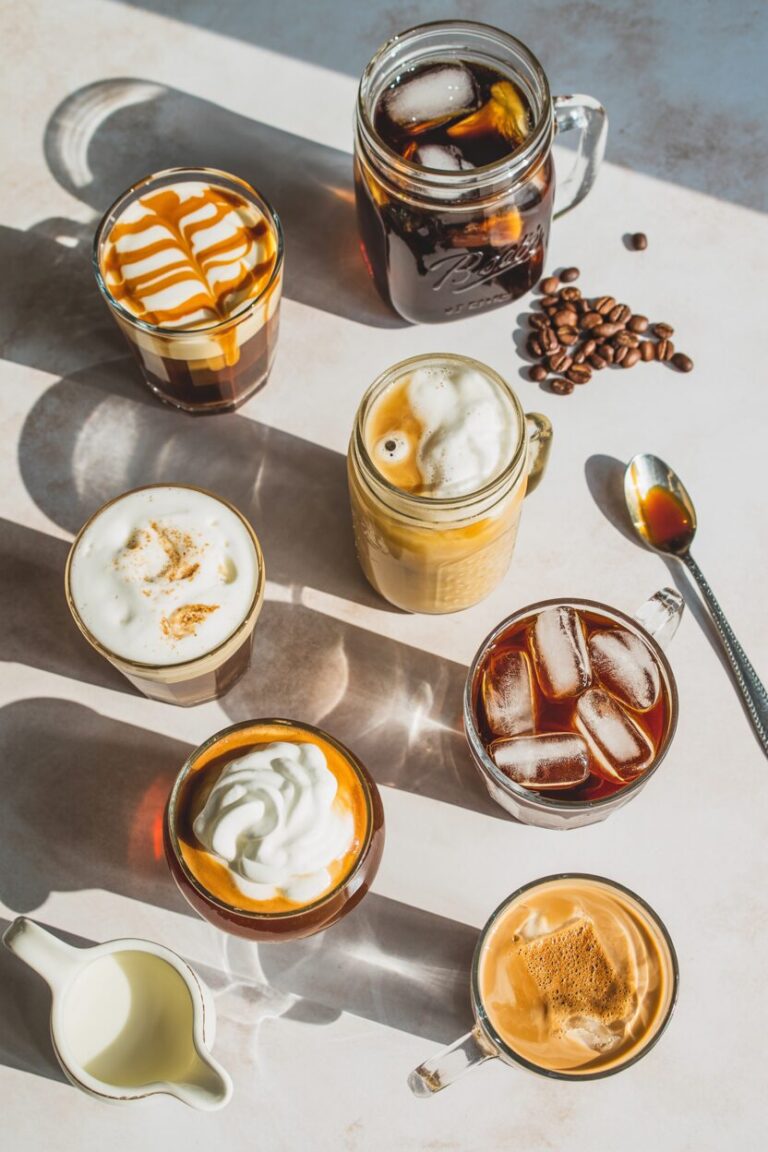
10 Dark Roast Coffee Recipes You’ll Actually Want to Wake Up For
Look, I get it. You’re not one of those people who sips pale, fruity coffee and pretends to taste hints of blueberry and lemongrass. You want coffee that tastes like coffee—bold, rich, and unapologetic. Dark roast isn’t just a preference; it’s a personality trait.
I’ve been experimenting with dark roast for years, and honestly, the standard black cup gets boring. Don’t get me wrong, there’s a time and place for straight-up espresso, but why limit yourself? Dark roast beans bring this deep, chocolatey bitterness that plays beautifully with sweet, creamy, and even savory flavors. These ten recipes prove you don’t need to sacrifice intensity for creativity.
Whether you’re looking for something indulgent on a lazy Sunday or a protein-packed pick-me-up before the gym, I’ve got you covered. No fancy equipment required for most of these—just your dark roast beans, a few pantry staples, and maybe five minutes of effort. Let’s get into it.
Why Dark Roast Deserves Your Attention
Here’s the thing about dark roast that most people get wrong: they think it’s stronger. It’s not. The longer roasting time actually reduces caffeine content slightly compared to lighter roasts. What you’re getting instead is lower acidity and a fuller body that feels heavier on your palate.
According to research from the National Coffee Association, dark roast beans develop oils on their surface during the roasting process, which contributes to that signature bold flavor. This makes them perfect for recipes where you want the coffee flavor to stand out even when mixed with other ingredients.
I drink dark roast because my stomach can’t handle the bright acidity of light roasts anymore. Plus, that smoky, almost burnt-sugar flavor? Absolutely perfect for dessert-inspired drinks and protein smoothies. It’s versatile in ways that surprise people.
Recipe 1: Classic Dark Roast Cold Brew
Cold brew with dark roast is smoother than anything you’ll get from a light roast. The slow extraction process pulls out all those chocolate and caramel notes without the bitterness you’d get from hot brewing.
Here’s what makes this work: you’re using a coarse grind and steeping for 12-16 hours. I use a ratio of 1:4 coffee to water, which gives you a concentrate you can dilute with water, milk, or whatever. The dark roast creates this syrupy texture that’s almost dessert-like when you add a splash of cream.
I make a batch every Sunday night using this cold brew maker that fits perfectly in my fridge door. Zero mess, zero fuss. Just strain it in the morning and you’ve got enough concentrate for the whole week.
Quick Steps
- Coarsely grind 1 cup of dark roast beans
- Combine with 4 cups cold filtered water
- Steep in fridge for 12-16 hours
- Strain through a fine mesh or coffee filter
- Dilute with equal parts water or milk when serving
If you’re looking for more variations on this theme, check out these must-try cold brew coffee variations that work beautifully with dark roast.
Recipe 2: Vietnamese-Style Dark Roast with Sweetened Condensed Milk
This one’s a game-changer if you’ve never tried it. Vietnamese coffee traditionally uses robusta beans, which are naturally bold and bitter. Dark roast arabica works just as well and actually gives you a smoother finish.
You brew strong coffee directly over sweetened condensed milk in a glass. The contrast between the bitter coffee and that thick, sweet milk creates this perfect balance. I’m talking dangerously addictive levels of good.
The traditional method uses a Vietnamese phin filter, but honestly, you can use any strong brewing method. French press, espresso, even a really concentrated pour-over works. The key is getting that coffee-to-milk ratio right—about 3 ounces of coffee to 2 tablespoons of condensed milk.
I serve this over ice in the summer, and it’s legitimately better than anything I’ve paid $7 for at a coffee shop. The dark roast stands up to all that sweetness without getting lost.
Recipe 3: Dark Roast Protein Coffee Smoothie
Okay, so this is my go-to post-workout drink. You’re getting caffeine, protein, and enough substance to actually feel satisfied. None of that watery protein shake nonsense.
Here’s the formula: 1 cup of cold dark roast coffee, 1 scoop chocolate or vanilla protein powder, half a frozen banana, 1 tablespoon almond butter, handful of ice, and a splash of almond milk. Blend it until smooth. The dark roast brings this mocha flavor that masks the chalky taste some protein powders have.
I use this high-speed blender because it actually breaks down the ice properly. Nobody wants chunks of ice in their smoothie. The frozen banana adds creaminess without dairy, and the almond butter gives you healthy fats that slow down the caffeine absorption.
This recipe pairs perfectly with other coffee smoothies for breakfast if you want to rotate your morning routine.
Recipe 4: Spiced Dark Roast with Cardamom and Cinnamon
Middle Eastern coffee culture does this so well. They add spices directly to the grounds before brewing, and the result is this warm, complex cup that feels special without being sweet.
For every 2 tablespoons of dark roast grounds, I add a pinch of ground cardamom and cinnamon. You can also throw in a tiny bit of ground cloves if you’re feeling adventurous. The dark roast’s natural chocolate notes amplify the warm spices instead of fighting them.
Brew it however you normally would—I use a French press. The oils from the dark roast carry the spice flavors beautifully. Some people add a tiny pinch of salt to cut any bitterness, which actually works if your roast is on the darker side.
This is the kind of coffee you want on a cold morning when you’re not rushing anywhere. It’s contemplative. IMO, it’s underrated compared to all the pumpkin spice hype that happens every fall.
Kitchen Essentials for Dark Roast Enthusiasts
Tools That Actually Make a Difference
Look, you don’t need every gadget on the market. But these six things have genuinely improved how I make coffee at home. No hard sell here—just stuff I actually use.
- Burr Coffee Grinder – Consistent grind size matters way more than you think. Blade grinders give you dust and boulders. This gives you even extraction every time.
- Insulated French Press – Keeps your coffee hot while it steeps without continuing to extract. Plus, it’s basically indestructible.
- Digital Kitchen Scale – Measuring coffee by weight instead of volume changed everything for me. Consistency is everything.
- Coffee Brewing Ratio Calculator App – Takes the guesswork out of different brewing methods. Just input what you’re using and it tells you exact measurements.
- Coffee Tasting Notes Journal (PDF) – Sounds pretentious, I know. But tracking what you like helps you buy better beans.
- Cold Brew Recipe Guide (eBook) – Dozens of variations beyond basic cold brew. Worth it if you’re into experimenting.
Recipe 5: Dark Roast Affogato
This is my favorite dessert that doesn’t feel like I’m trying too hard. You literally pour hot espresso or super strong dark roast over a scoop of vanilla ice cream. That’s it. The contrast between hot and cold, bitter and sweet—it works on every level.
The dark roast is crucial here because you need something that can cut through the richness of the ice cream. A lighter roast would just disappear. I use a double shot of espresso or about 2 ounces of really strong French press coffee.
Sometimes I’ll add a drizzle of chocolate syrup or a sprinkle of sea salt on top. You can also use coffee ice cream if you want to go full coffee overload. Serve it immediately because watching the ice cream melt into the coffee is half the experience.
Want more dessert ideas? These coffee desserts complement your dark roast perfectly.
Recipe 6: Dark Roast Maple Latte (No Machine Required)
You don’t need an espresso machine to make a decent latte at home. Seriously. The secret is strong coffee and properly frothed milk, and you can achieve both without spending $400 on equipment.
Brew 4 ounces of really strong dark roast—double your normal coffee-to-water ratio. While that’s brewing, heat up 6 ounces of milk in a small saucepan until it’s steaming but not boiling. Use a handheld milk frother to create foam. It takes maybe 30 seconds of whisking.
Add 1-2 tablespoons of pure maple syrup to your mug, pour in the coffee, then add the frothed milk. The dark roast pairs incredibly well with maple’s earthy sweetness. It’s less cloying than drinks made with flavored syrups.
If you’re into making coffee drinks at home without fancy equipment, check out these coffee latte recipes for more inspiration.
Why Maple Works Better Than Sugar
Maple syrup has this complexity that white sugar lacks. You get caramel notes, a slight smokiness, and it dissolves easily in hot liquid. Plus, it has trace minerals that refined sugar doesn’t. Not saying it’s a health food, but if you’re sweetening your coffee anyway, might as well get some micronutrients out of it.
Recipe 7: Dark Roast Coffee with Coconut Oil (Bulletproof Style)
Yeah, I know this trend peaked a few years ago, but hear me out. Adding fat to your coffee actually makes sense if you’re doing intermittent fasting or just want sustained energy without a crash.
The formula: 8 ounces of hot dark roast, 1 tablespoon coconut oil or grass-fed butter, optional teaspoon of MCT oil. Blend it for 20-30 seconds in a regular blender. Do not just stir it. Blending emulsifies the fat and creates this frothy, latte-like texture.
Dark roast is essential here because the bold flavor balances the richness of the fat. With a light roast, you’d just taste oil. The dark roast’s chocolate notes make it taste almost like a mocha without any sweetener.
I drink this maybe twice a week when I’m not eating breakfast. It keeps me full until lunch without any jittery feeling. Some people add a pinch of cinnamon or vanilla extract, which I support.
Recipe 8: Iced Dark Roast with Vanilla and Sea Salt
This combination sounds weird until you try it. The vanilla smooths out the dark roast’s bite, and the sea salt amplifies the chocolate notes while cutting any lingering bitterness. It’s the same principle as salted caramel—salt makes sweet things taste sweeter and brings out complexity in bitter things.
Brew your dark roast normally and let it cool, or use cold brew. Fill a glass with ice, add the coffee, a splash of vanilla extract or vanilla syrup (1-2 teaspoons), and a tiny pinch of flaky sea salt. Stir well.
You can add cream or milk if you want, but try it black first. The salt does something magical to the flavor profile that dairy would cover up. I discovered this combination by accident when I salted my coffee instead of the eggs I was making. Best mistake ever.
For more creative iced coffee ideas, these iced coffee drinks will keep you busy all summer.
Recipe 9: Dark Roast Espresso Tonic
This one divides people. You either immediately get it or think I’ve lost my mind. It’s espresso or very strong dark roast poured over ice and tonic water. The result is this bright, effervescent coffee drink that’s weirdly refreshing.
Here’s how it works: fill a glass with ice, add 4-6 ounces of tonic water, then slowly pour 2 ounces of fresh espresso or concentrated dark roast over the top. The coffee floats on the tonic initially before mixing, which looks cool and affects the taste as you drink it.
The bitterness of the dark roast plays off the quinine in the tonic. Add a slice of lemon or orange if you want to emphasize the citrus notes. I prefer this with a really dark, almost French roast because you need that intensity to stand up to the tonic’s flavor.
This is a summer afternoon drink when regular iced coffee feels too heavy. It’s also low-calorie if you’re tracking that sort of thing, since there’s no sugar or milk involved unless you add it.
Recipe 10: Dark Roast Mexican Mocha
Mexican hot chocolate traditionally includes cinnamon and sometimes cayenne pepper. Apply those same principles to your dark roast and you get something that tastes indulgent but has this subtle heat that builds as you drink it.
Start with 8 ounces of hot dark roast. Add 1-2 tablespoons of cocoa powder, 1 tablespoon of brown sugar or honey, half a teaspoon of cinnamon, and a tiny pinch of cayenne pepper. Whisk or blend until the cocoa dissolves completely.
Top with frothed milk or enjoy it black. The dark roast’s chocolate notes amplify the actual chocolate, and the spices add complexity that regular mochas lack. The cayenne is subtle—you shouldn’t taste “spicy,” just a gentle warmth that lingers.
I make this using high-quality cocoa powder because cheap stuff clumps and tastes flat. Also, don’t skip the brown sugar—it has molasses notes that white sugar doesn’t bring.
Speaking of creative coffee drinks, you might also enjoy these homemade coffee syrups to expand your flavor options. Get Full Recipe
Common Mistakes People Make with Dark Roast
Over-Extracting the Coffee
Dark roast is already bitter from the roasting process. If you over-extract it by using water that’s too hot or brewing too long, you’re just making it worse. Keep your water temperature around 195-205°F, not boiling. And if you’re using a French press, don’t let it steep longer than 4 minutes.
Using Old Beans
Those oils on the surface of dark roast beans? They go rancid faster than you think. Buy smaller quantities more often instead of bulk-buying that 5-pound bag. Trust me on this—stale dark roast tastes like an ashtray.
Grinding Too Fine
Unless you’re making espresso, you probably don’t need a fine grind. Dark roast extracts more readily than light roast, so a medium or medium-coarse grind usually works better. Too fine and you’ll over-extract, getting all the bitter compounds without the good stuff.
For more brewing guidance, these coffee brewing hacks cover common problems and quick fixes.
Pairing Dark Roast with Food
Dark roast isn’t just for drinking alone. It pairs incredibly well with specific foods because of its low acidity and full body. Chocolate desserts are the obvious choice, but I’ve found it works beautifully with sharp cheeses, nuts, and even grilled meats.
The smoky, caramelized flavors in dark roast complement anything else that’s been roasted or grilled. Think roasted vegetables, smoked salmon, or barbecue. It’s the same flavor principle that makes red wine pair with steak.
For breakfast specifically, dark roast cuts through rich foods like pastries, bacon, and cream-based dishes. The bitterness acts as a palate cleanser between bites. If you’re interested in strategic pairings, these coffee and breakfast pairings break down what works and why.
Related Recipes You’ll Love
Frequently Asked Questions
Is dark roast coffee stronger than light roast?
Not really. Dark roast has a bolder flavor, but it actually contains slightly less caffeine than light roast because the longer roasting process breaks down some caffeine molecules. What you’re tasting is intensity of flavor, not strength in terms of caffeine content. If you want more caffeine, focus on your coffee-to-water ratio instead of roast level.
Why does my dark roast taste burnt?
Either your beans are over-roasted (French and Italian roasts can taste ashy if taken too far), or you’re extracting too much bitterness during brewing. Try lowering your water temperature to 195-200°F instead of boiling, and reduce brewing time slightly. Also check if your beans are fresh—rancid oils taste burnt even with perfect brewing.
Can I use dark roast for cold brew?
Absolutely. Dark roast makes excellent cold brew because the cold extraction process is gentler than hot brewing. You get all those chocolate and caramel notes without extracting the harsh bitter compounds. Just use a coarser grind and steep for 12-16 hours in cold water. The result is smooth and naturally sweet.
What’s the best way to store dark roast beans?
Keep them in an airtight container in a cool, dark place—not the fridge or freezer, despite what some people say. The oils on dark roast beans absorb odors and moisture easily. Buy smaller quantities and use them within two weeks of opening for best flavor. Whole beans stay fresh longer than pre-ground.
How much coffee should I use for dark roast?
Start with the standard ratio of 1:16 (1 gram of coffee to 16 grams of water), then adjust based on taste. Because dark roast extracts more readily, some people prefer a slightly weaker ratio like 1:17. Use a kitchen scale to measure by weight instead of volume—it’s way more consistent. FYI, measuring by tablespoons is wildly inaccurate because grind size affects volume.
Final Thoughts
Dark roast gets a bad rap from the specialty coffee crowd, but that’s their loss. These beans offer versatility that lighter roasts can’t match. The bold flavor stands up to mix-ins, the low acidity is easier on sensitive stomachs, and that full body creates a satisfying drinking experience whether you’re going hot, cold, sweet, or savory.
The ten recipes I’ve shared aren’t exhaustive—they’re starting points. Once you understand how dark roast behaves with different ingredients and temperatures, you can start improvising. Want to add protein powder to your Vietnamese coffee? Do it. Curious about putting maple syrup in your cold brew? Try it. The worst that happens is you waste one cup of coffee.
What separates a good home coffee setup from a mediocre one isn’t expensive equipment. It’s fresh beans, consistent ratios, and knowing what you actually like instead of following trends. Dark roast might not be trendy right now, but it doesn’t need to be. It just needs to taste good in your cup.