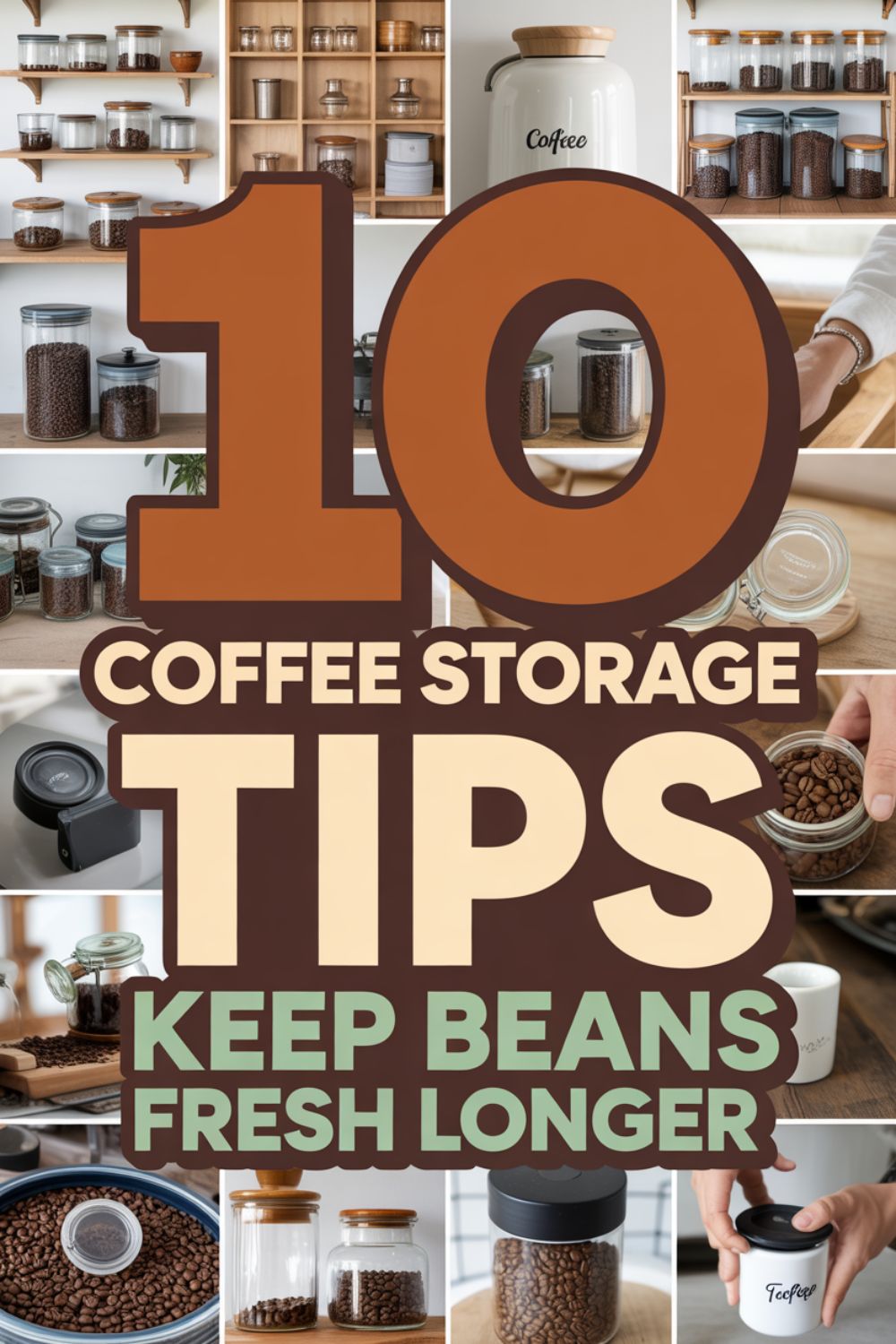
10 Coffee Storage Tips to Keep Beans Fresh Longer
You know that moment when you crack open a fresh bag of coffee beans and get hit with that intoxicating aroma? Yeah, I live for that. But here’s the thing—most of us are unknowingly murdering our beans’ potential within days of bringing them home. I’ve wasted more money on stale coffee than I care to admit before figuring out what actually works.
Look, storing coffee isn’t rocket science, but it’s also not just tossing the bag in a cupboard and calling it a day. If you’re spending good money on quality beans, you deserve to enjoy them at their peak for as long as possible. After years of trial and error (and way too many disappointing cups), I’ve nailed down the storage methods that actually make a difference.
Whether you’re a casual morning sipper or someone who treats their coffee ritual like a sacred ceremony, these tips will help you keep those beans tasting fresh, vibrant, and exactly how they should. No fancy equipment required—just a little know-how and some basic respect for your beans.
Why Coffee Storage Actually Matters (More Than You Think)
Before we get into the how, let’s talk about the why. Coffee beans are basically little flavor bombs packed with oils and compounds that start breaking down the second they’re roasted. Exposure to air, light, moisture, and heat are the four horsemen of coffee apocalypse. Each one chips away at those delicate flavors you paid for.
Fresh coffee should taste bright, complex, and full of character. Stale coffee? Flat, cardboard-y, and frankly depressing. According to the National Coffee Association, whole bean coffee stays fresh for about a month when stored properly, while ground coffee starts losing its mojo within days. The difference between good storage and bad storage can literally make or break your morning cup.
I used to think my coffee just wasn’t that great. Turns out, I was just storing it like an amateur. Once I fixed my storage game, the same beans I’d been buying suddenly tasted noticeably better. Wild, right?
1. Keep Your Beans Whole Until You’re Ready to Brew
This is the single biggest game-changer for coffee freshness. Whole beans have way less surface area exposed to air compared to ground coffee, which means they oxidize much slower. The moment you grind those beans, you’re starting a countdown timer on freshness.
I get it—pre-grinding is convenient. But if you care even a little bit about flavor, invest in a decent burr grinder. It takes maybe an extra 30 seconds in the morning, and the payoff is huge. You’ll taste notes and nuances you didn’t even know your coffee had.
Think of it like this: you wouldn’t chop all your vegetables on Sunday and expect them to be crisp and fresh by Friday. Coffee works the same way. Grind what you need, when you need it, and your taste buds will thank you.
Speaking of brewing methods, if you’re looking to level up your coffee game beyond just storage, check out some easy homemade coffee recipes that’ll make the most of those fresh beans.
2. Airtight Is Non-Negotiable
Air is coffee’s worst enemy. Every time those beans come into contact with oxygen, they’re slowly dying. Dramatic? Maybe. True? Absolutely. You need a container that seals tight—and I mean actually tight, not just has a lid that sits on top.
Those bags coffee comes in? Unless they have a one-way valve and a zip seal, they’re not cutting it. I use glass jars with clamp lids for my daily beans, and they work beautifully. Some people swear by vacuum-sealed containers, which are honestly next-level if you want to get serious about it.
Here’s what to look for in a good storage container:
- Airtight seal that actually creates a vacuum when closed
- Opaque or dark-colored material to block light
- Right size so there’s minimal empty space (less air = better)
- Easy to clean because coffee oils build up and go rancid
Whatever you choose, make sure it’s something you’ll actually use. The fanciest container in the world doesn’t help if you leave your beans in the original bag because transferring them feels like too much work.
3. Cool, Dark, and Dry Wins Every Time
Your beans need to live somewhere that’s basically the opposite of a Florida summer. Cool, dark, and dry is the golden rule. Heat speeds up the staling process, light degrades the beans, and moisture is just asking for mold and funky flavors.
So where does that leave us? A pantry or cupboard away from the stove, oven, or any windows is perfect. Not on the counter where sun hits it every afternoon. Definitely not in that cute display jar in the sunny breakfast nook (I learned this one the hard way).
Temperature fluctuations are also a problem. If your kitchen gets hot when you cook, don’t store your beans right next to the stove. Consistency is key. According to research from the Journal of Food Science, elevated temperatures significantly accelerate flavor loss in roasted coffee beans.
“I moved my coffee from the windowsill to a dark cupboard and honestly couldn’t believe the difference. Same beans, same brew method, but suddenly I could actually taste the chocolate notes the bag promised.” – Rachel M., community member
For those mornings when you want something beyond your regular brew, try these iced coffee drinks that’ll make you skip the drive-through.
4. The Freezer Debate (And Why You’re Probably Doing It Wrong)
Ah yes, the great coffee freezer debate. Some people swear by it, others act like you’ve committed a crime against caffeine. Here’s my take: freezing can work, but only if you do it right.
The problem with freezing coffee is moisture and temperature swings. Every time you take that bag out of the freezer, condensation forms on the beans. Do this repeatedly, and you’re basically ruining them. But if you’re freezing beans you won’t use for a while, and you do it properly, it can actually preserve freshness.
Here’s how to freeze coffee without screwing it up:
- Portion your beans into small, single-use amounts before freezing
- Use truly airtight, freezer-safe bags and remove as much air as possible
- Only take out what you need and let it come to room temperature before opening the bag
- Never refreeze beans once they’ve been thawed
IMO, unless you’re buying beans in bulk or trying to preserve a limited edition roast, just buy smaller quantities more frequently. It’s easier and less risky. But if you’re committed to freezing, at least now you know the right way.
5. Buy in Quantities You Can Actually Use
I know that bulk discount is tempting. Five pounds of coffee for the price of three? Sounds like a win. Except when you’re still drinking those beans three months later and they taste like despair.
Fresh coffee has a peak window, and buying more than you can use in 2-4 weeks is basically throwing money away. Yeah, the per-pound price might be higher when you buy smaller bags, but you’re actually getting what you paid for—good coffee that tastes good.
Do the math on how much coffee you go through in a week. Be honest. Then buy accordingly. I typically grab a 12-ounce bag every two weeks, and it’s perfect. No waste, no stale coffee, and I get to try different roasts more often.
If you’re brewing different styles throughout the week, you might enjoy these latte recipes you can make without a machine—perfect for using up beans before they go stale.
6. Original Packaging Isn’t Always Your Friend
Not all coffee bags are created equal. Some roasters package their beans in legitimately good bags with resealable zippers and one-way valves. Others use bags that are basically decorative paper with delusions of grandeur.
One-way valve bags are actually pretty solid for short-term storage because they let CO2 escape (fresh roasted beans release gas) without letting oxygen in. If your bag has a good valve and a solid zip seal, you can probably keep the beans in there for the first week or two.
But here’s the catch: even good bags aren’t usually opaque enough to block all light, and once you’ve opened and closed that zip seal a bunch of times, it’s not sealing as well as it did originally. For maximum freshness, I transfer beans to a dedicated container pretty much immediately.
Also, let’s be real—those cute artisanal bags look great on your counter, but that’s exactly the problem. If they’re on your counter, they’re exposed to light and probably temperature fluctuations. Style points don’t make better coffee.
7. Don’t Mix Old and New Beans
This seems obvious when you say it out loud, but I see people do this all the time. You’ve got a little bit left in your container, you buy a fresh bag, and you just dump the new beans on top of the old ones. Don’t do this.
Mixing beans from different roast dates means you’re never drinking truly fresh coffee. Those older beans are pulling down the flavor of the fresh ones, and you’re extending the life of coffee that should probably just be retired.
Either use up what’s left before adding new beans, or keep them in separate containers. I actually keep a small secondary jar for the tail end of a bag so I can start fresh without waste. Those older beans become my “I overslept and just need caffeine” emergency coffee, or they go into coffee smoothies where the flavor is mixed with other ingredients anyway.
There’s also something weirdly satisfying about starting a new bag with a completely clean, dry container. Fresh start, fresh coffee, fresh vibes.
Kitchen Tools That Actually Make Coffee Storage Easier
Look, I’m not trying to sell you a bunch of stuff you don’t need. But these are the things that genuinely made my coffee routine better and kept my beans fresher longer:
- Glass Coffee Canister with Bamboo Lid and Silicone Seal – Keeps beans airtight and looks clean on your counter. The silicone seal actually works, unlike cheaper options I’ve tried.
- Stainless Steel Coffee Scoop with Clip – Clips onto your bag or sits in your canister. Makes portioning beans consistent and keeps your hands from touching them (oils and moisture transfer).
- Compact Burr Grinder – If you’re still using a blade grinder or pre-ground coffee, this is the upgrade that matters most. Consistent grind size, preserves freshness until you brew.
- Coffee Freshness Tracker App – Simple app that reminds you when you opened your beans and estimates freshness based on roast date. Free version works great.
- The Coffee Storage Guide eBook – Comprehensive guide covering everything from optimal humidity levels to DIY vacuum storage hacks. Worth it if you’re nerdy about this stuff.
- Home Barista Course (Online) – Covers storage, brewing, and dialing in your perfect cup. The storage module alone saved me from wasting hundreds on beans I was unknowingly ruining.
8. Pay Attention to Roast Date, Not “Best By” Date
Here’s something that blew my mind when I first learned it: the “best by” date on coffee packaging is basically meaningless. What you want to look for is the roast date—that’s the only number that actually tells you how fresh your beans are.
Coffee is best consumed within 2-4 weeks of the roast date. Some lighter roasts are even better in that 1-3 week window. After about a month, you’re working with diminishing returns. After two months, you’re basically just drinking caffeinated sadness.
A lot of commercial coffee doesn’t even list a roast date, which should tell you something about how long it’s been sitting around. When possible, buy from roasters who proudly stamp that date on the bag. It shows they care about freshness and aren’t trying to hide anything.
I keep a mental note (okay, sometimes a literal note) of when I bought my beans and when they were roasted. If I’m past that 3-4 week mark, I adjust my expectations. Still drinkable? Sure. But am I getting the best those beans have to offer? Probably not.
For days when your beans aren’t quite at their peak but you still want something special, these healthy coffee recipes with nut milks can mask slight staleness while still tasting great.
9. Keep Your Storage Container Clean
This is the tip that everyone forgets and then wonders why their coffee tastes weird. Coffee oils accumulate in containers and go rancid. That buildup doesn’t just affect flavor—it can actually speed up the staling of fresh beans you put in there.
Every time you finish a bag of beans, wash your storage container with warm soapy water and dry it completely before adding new beans. I mean completely dry—any moisture left in there is a recipe for disaster. I usually let mine air dry overnight or wipe it down with a clean microfiber cloth made for kitchen use.
Some people recommend a monthly deep clean even if you’re not switching beans. I think that’s overkill for most people, but if you notice any buildup or residue, definitely give it a good scrub. Your nose will tell you if something’s off.
10. Trust Your Nose (and Your Taste Buds)
All the rules and tips in the world don’t matter as much as this: learn what fresh coffee smells and tastes like, then trust yourself to notice when it’s gone downhill.
Fresh beans should smell vibrant and complex—fruity, chocolatey, nutty, whatever notes are specific to that roast. If you open your container and get hit with a flat, stale, or even slightly musty smell, those beans are past their prime. Taste-wise, fresh coffee should have brightness, clarity, and distinct flavors. Stale coffee tastes muted, sometimes bitter, and frankly boring.
I do this little smell test every time I open my container. Takes two seconds, and it keeps me honest about whether my storage methods are actually working. If beans I opened a week ago already smell different, something in my storage setup needs adjusting.
The good news? Once you’ve had truly fresh, properly stored coffee, you’ll never want to go back. It’s like the difference between store-bought tomatoes and ones from a farmers market—you can’t unsee (or untaste) the difference.
“I thought I just didn’t like black coffee until I started buying fresh beans and storing them properly. Turns out I just didn’t like stale coffee. Who knew?” – Jason K., coffee convert
Want to explore different flavor profiles while your beans are at peak freshness? These cold brew variations are perfect for showcasing what good beans can do. Or if you’re in the mood for something cozy, check out these winter coffee drinks that’ll make the most of your fresh stash.
The Bottom Line on Coffee Storage
Look, none of this is complicated. You don’t need expensive gadgets or a degree in coffee science. You just need to respect the fact that coffee beans are a fresh product with a shelf life, and treat them accordingly.
Whole beans, airtight container, cool and dark storage, reasonable quantities, attention to roast dates—nail these basics and you’re already doing better than 90% of coffee drinkers. Everything else is just fine-tuning.
The real question is: why would you spend money on good coffee and then immediately sabotage it with bad storage? It’s like buying organic vegetables and then leaving them on the counter to rot. You deserve better. Your taste buds deserve better. Your wallet definitely deserves better.
Start with one or two of these tips if implementing all ten feels overwhelming. Even small improvements make a noticeable difference. I started just by switching to an airtight container and buying smaller quantities, and the improvement was immediate. Built from there as I got more serious about my coffee game.
Frequently Asked Questions
How long do coffee beans stay fresh after opening?
Whole beans stay at peak freshness for about 2-4 weeks after the roast date when stored properly in an airtight container. Ground coffee loses its flavor much faster—within 3-7 days of grinding. The key is keeping them away from air, light, heat, and moisture.
Should I refrigerate my coffee beans?
No, don’t refrigerate your beans. Refrigerators are humid environments, and moisture is terrible for coffee. Plus, coffee absorbs odors, so unless you want your morning brew tasting like last night’s leftovers, keep them in a cool, dry pantry instead. Freezing is okay for long-term storage if done correctly, but refrigeration is a no-go.
Can you tell if coffee beans have gone bad?
Absolutely. Fresh beans smell vibrant and aromatic with distinct notes. Stale beans smell flat, dull, or sometimes even slightly rancid if they’re really old. When you brew them, stale coffee tastes bitter, one-dimensional, and lacks the complexity you’d expect. Trust your nose—it won’t lie to you.
What’s the best container for storing coffee beans?
Look for an opaque, airtight container made of glass, ceramic, or stainless steel. It should have a secure seal that keeps air out and be sized appropriately for the amount of beans you’re storing. Vacuum-sealed containers are excellent if you want to get serious about freshness, but any truly airtight container kept in a cool, dark place will do the job.
Does the type of roast affect how you should store coffee?
All roasts benefit from the same storage principles—airtight, cool, dark, and dry. However, lighter roasts tend to have a slightly longer peak freshness window than darker roasts because they contain less oil on the surface that can go rancid. Darker roasts show staleness faster, so pay extra attention to roast dates if you prefer dark coffee.
Final Thoughts
Storage might seem like a minor detail in your coffee routine, but it’s actually one of the biggest factors in whether you’re getting your money’s worth. You can have the best beans, the fanciest equipment, and perfect brewing technique, but if you’re starting with stale coffee, none of that matters.
These ten tips aren’t about being precious or obsessive—they’re about basic respect for a product you’re paying good money for. Fresh beans taste better, period. And making them taste better doesn’t require any special skills or expensive investments. Just a little attention and some basic discipline.
Start where you are. Pick one or two things from this list that feel doable and make them habits. Once those are second nature, add another. Before you know it, you’ll be that person everyone asks for coffee advice, and your morning cup will be consistently excellent instead of hit-or-miss.
Now if you’ll excuse me, I need to go make myself a cup with the beans I’ve been storing like the responsible coffee adult I’ve become. They’re exactly two weeks off roast, properly sealed, and smelling incredible. This is going to be good.
Similar Posts
25 Budget-Friendly Coffee Drinks for Students
25 Budget-Friendly Coffee Drinks for Students 25 Budget-Friendly Coffee Drinks for Students Let’s be real—college is expensive enough without dropping six bucks on a latte every morning. Between tuition, textbooks, and the occasional questionable life decision, your bank account doesn’t need another reason to weep. But here’s the thing: you don’t have to choose between…
10 Coffee and Fruit Pairings for a Healthy Boost
10 Coffee and Fruit Pairings for a Healthy Boost 10 Coffee and Fruit Pairings for a Healthy Boost Look, I get it. You’re probably wondering why anyone would pair fruit with coffee when a plain cup does the job just fine. But here’s the thing—combining your morning brew with the right fruits isn’t just some…
20 Coffee and Dessert Pairings That Will Blow Your Mind
20 Coffee and Dessert Pairings That Will Blow Your Mind 20 Coffee and Dessert Pairings That Will Blow Your Mind Look, I’ll be straight with you—coffee and dessert isn’t just about cramming sugar and caffeine into your face after dinner. There’s actual science behind why certain combinations make your taste buds do a little happy…
10 Unique Coffee Ice Cube Ideas to Keep Drinks Cool
10 Unique Coffee Ice Cube Ideas to Keep Drinks Cool Build Your Perfect Coffee & Tea Meal Your Goal Weight LossMuscle BuildingBalanced NutritionEnergy Boost Calorie Range Low (1200-1500)Medium (1500-2000)High (2000+) Diet Style Coffee & Tea FocusedVeganKetoBalanced Prep Style Quick (15 min)Batch PrepFresh Daily Generate Your Plan 10 Unique Coffee Ice Cube Ideas to Keep Drinks…
15 Coffee Station Ideas for Your Kitchen
15 Coffee Station Ideas for Your Kitchen 15 Coffee Station Ideas for Your Kitchen Look, I get it. Your coffee maker is currently wedged between the toaster and a pile of mismatched mugs, and you’re making peace with countertop chaos every single morning. But what if I told you that creating a legit coffee station—one…
12 Coffee Drinks That Help With Bloating
12 Coffee Drinks That Help With Bloating 12 Coffee Drinks That Help With Bloating Your Guide to Enjoying Coffee Without the Uncomfortable Aftermath Look, I get it. You love your morning coffee, but somewhere between that first satisfying sip and your mid-morning meeting, your stomach decides to stage a full-blown protest. The bloating hits, your…